It takes a long time to get to Cambodia! We left home about 6.30am for Dom to take us to the airport for an 11am flight to Ho Chi Minh City in Vietnam, and then a transfer on the small prop plane to Phnom Penh, the capital of Cambodia. For future reference, bulk head seats may have more leg room, but not when they out a cot there for a baby that does not want to sleep too much!
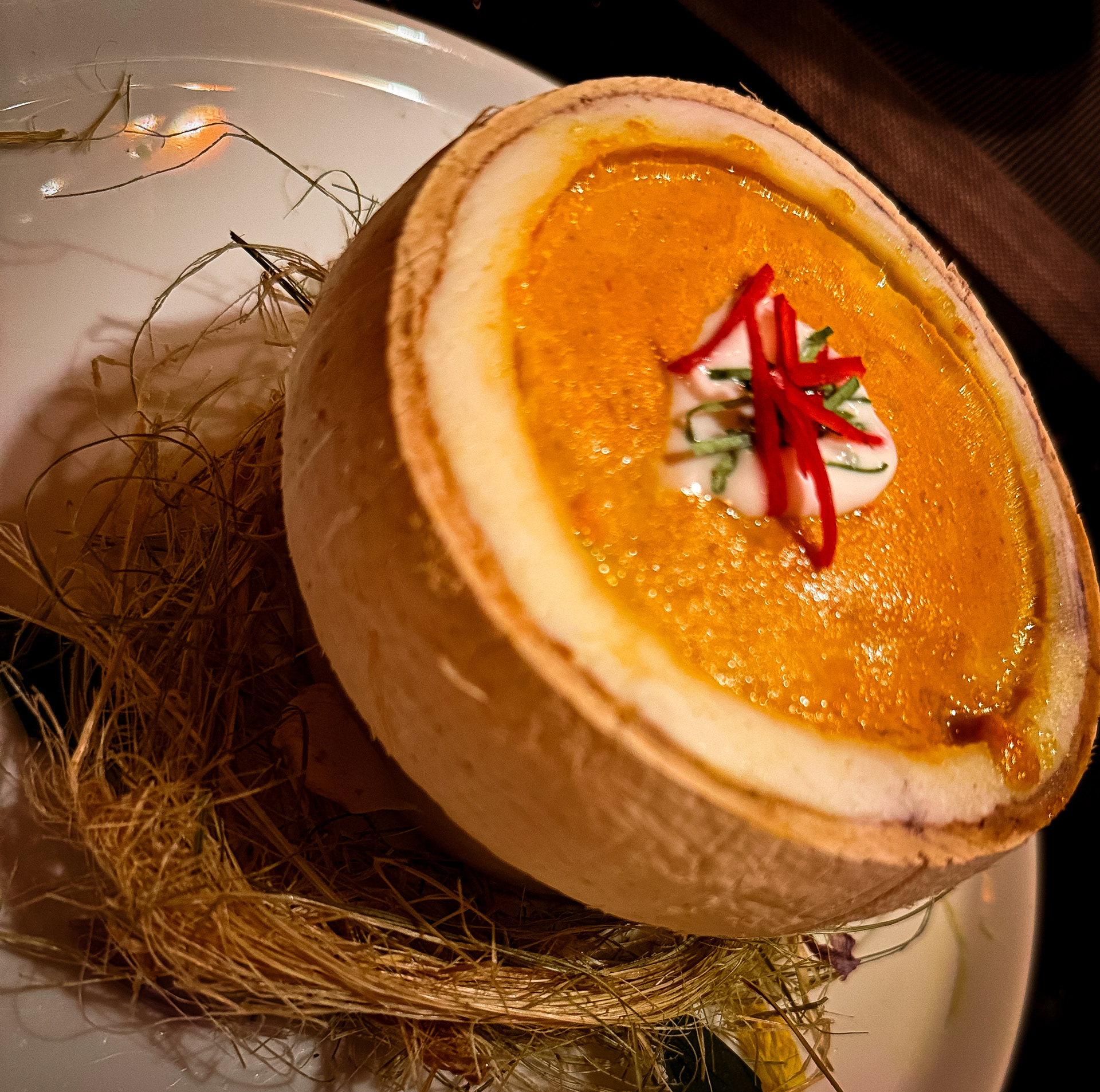
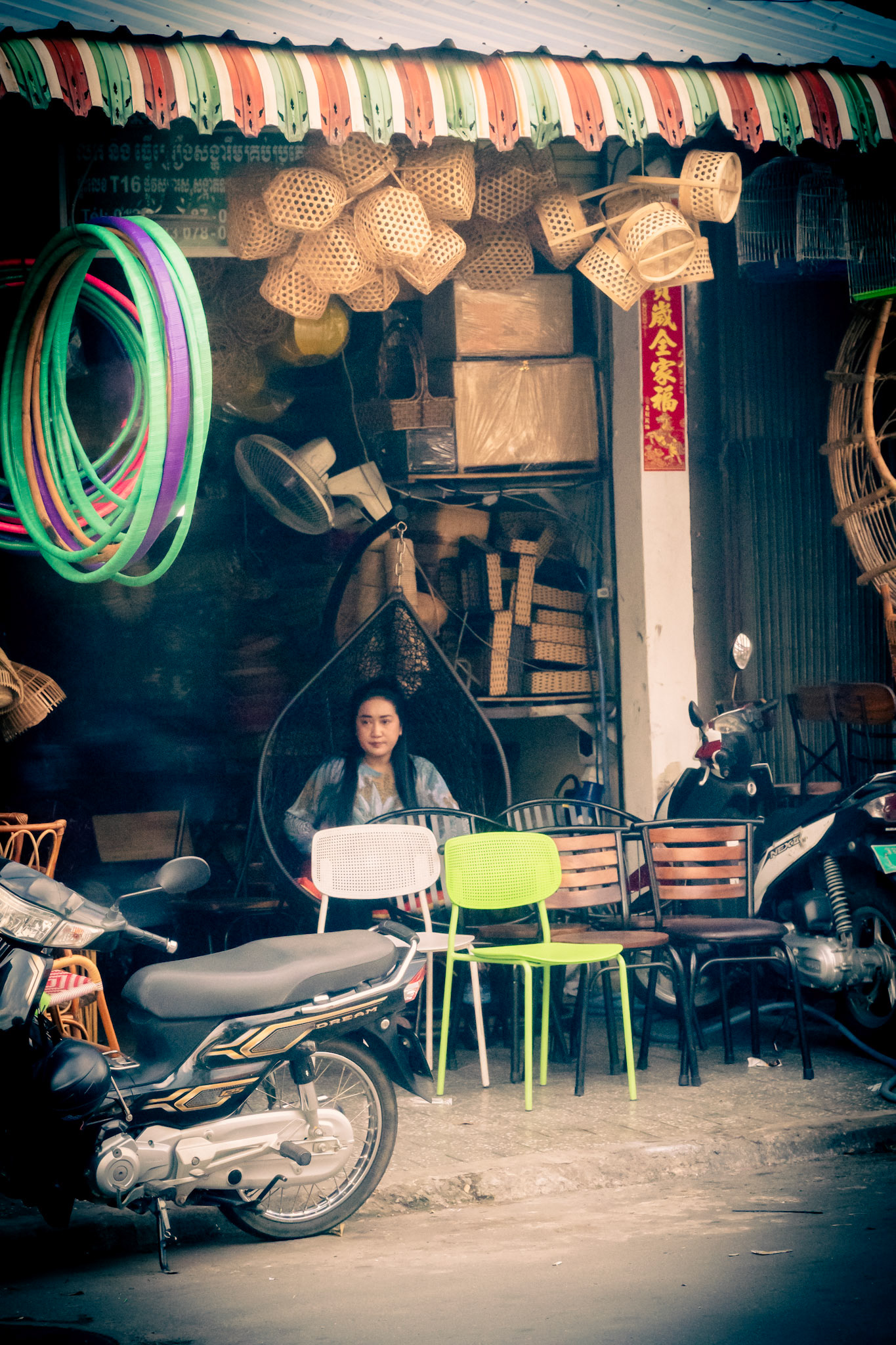
Once we did arrive, we had most of a day to recover from the flight, to have a walk around Phnom Penh and to find some food - a rather spicy cold noodle dish - which I was very ready for - and later a fish amok - a lovely coconut fish curry that was served in half a coconut.
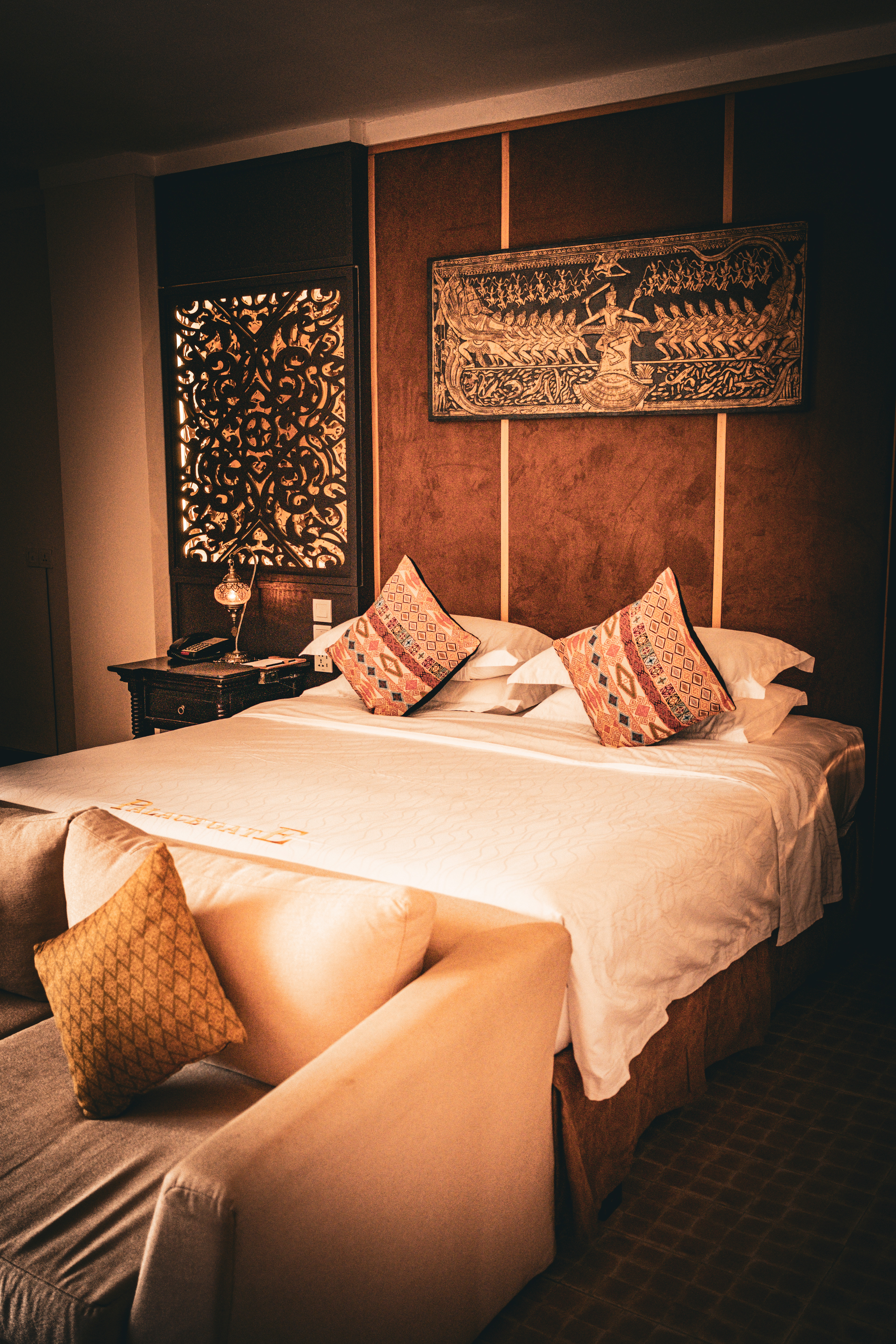
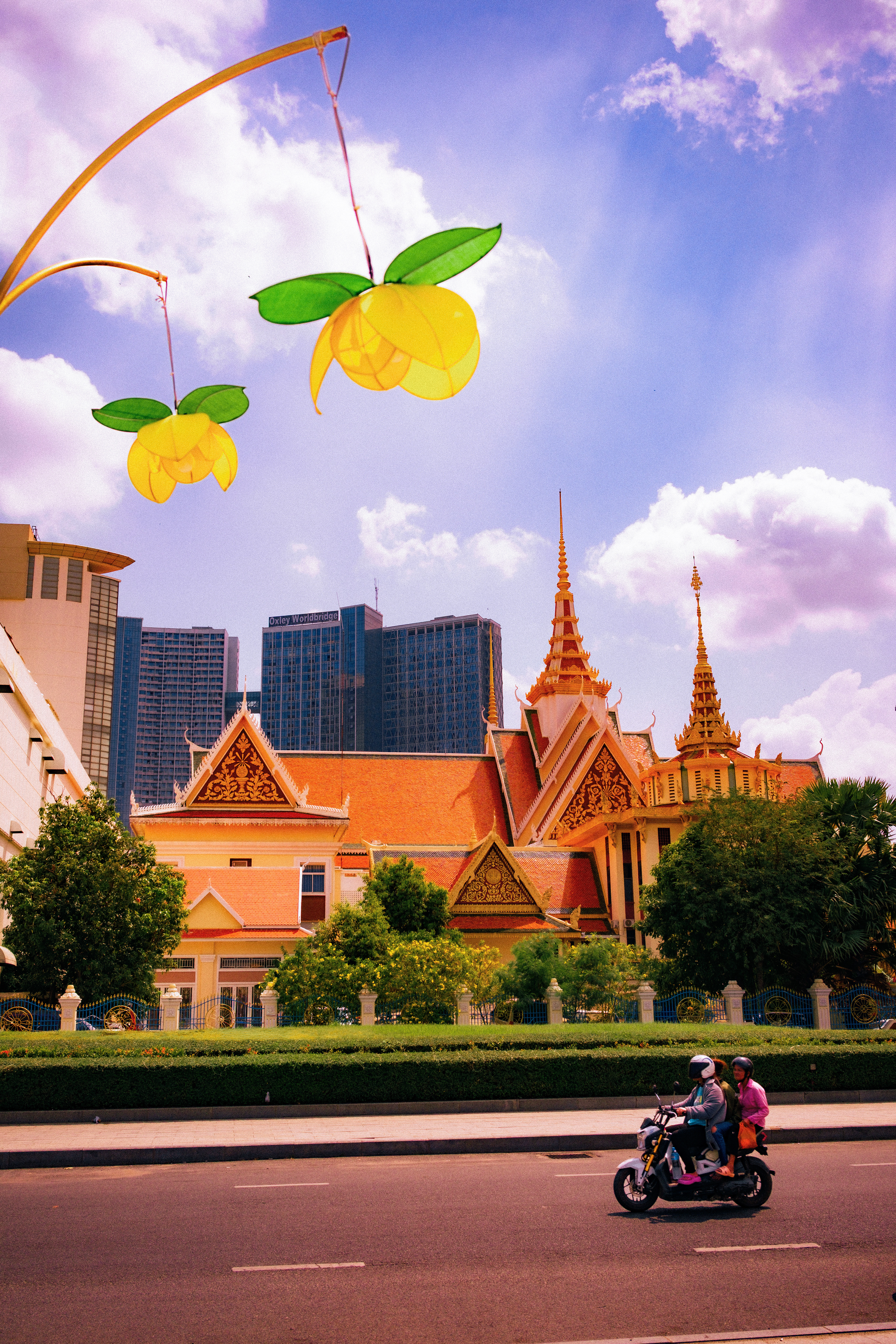
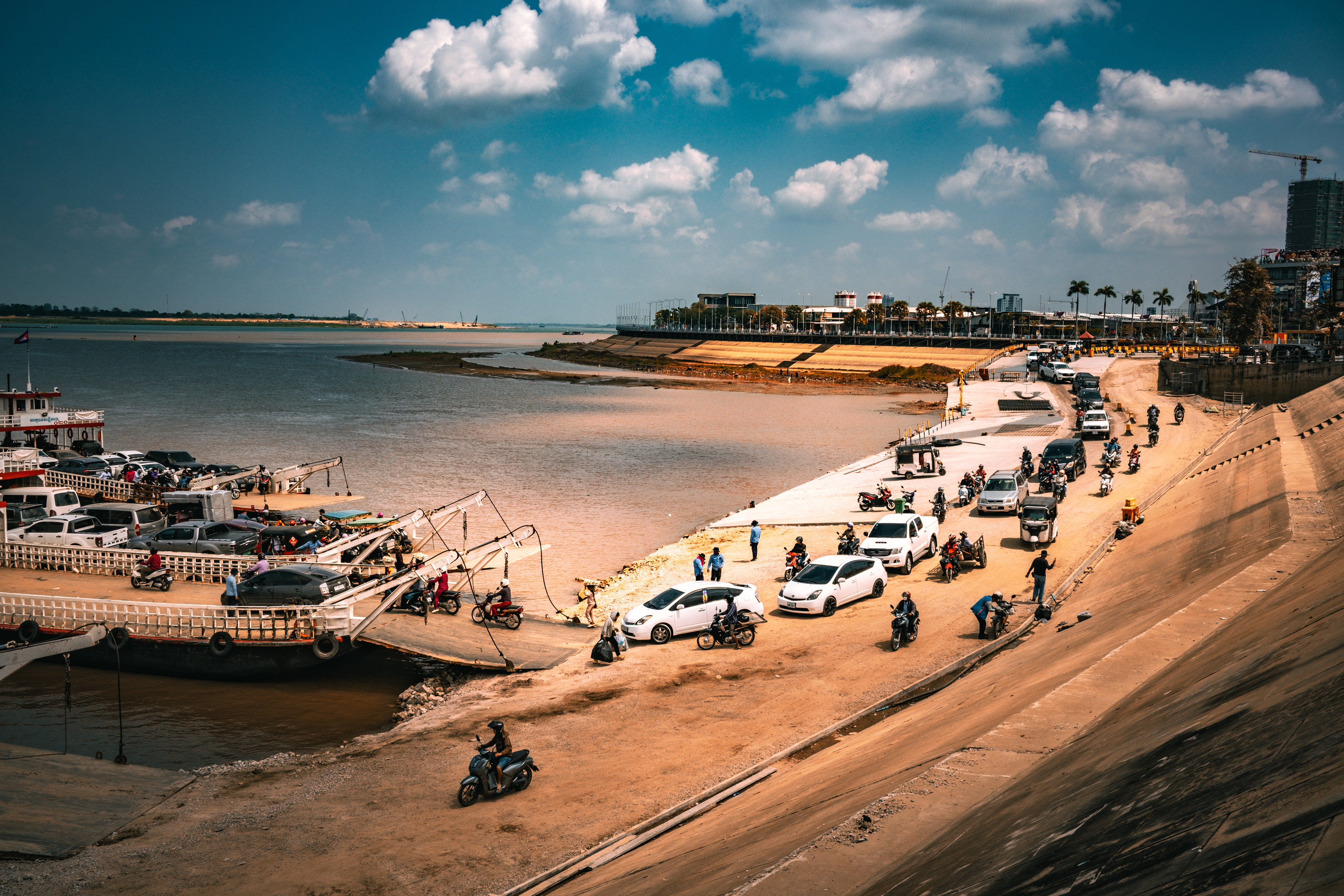
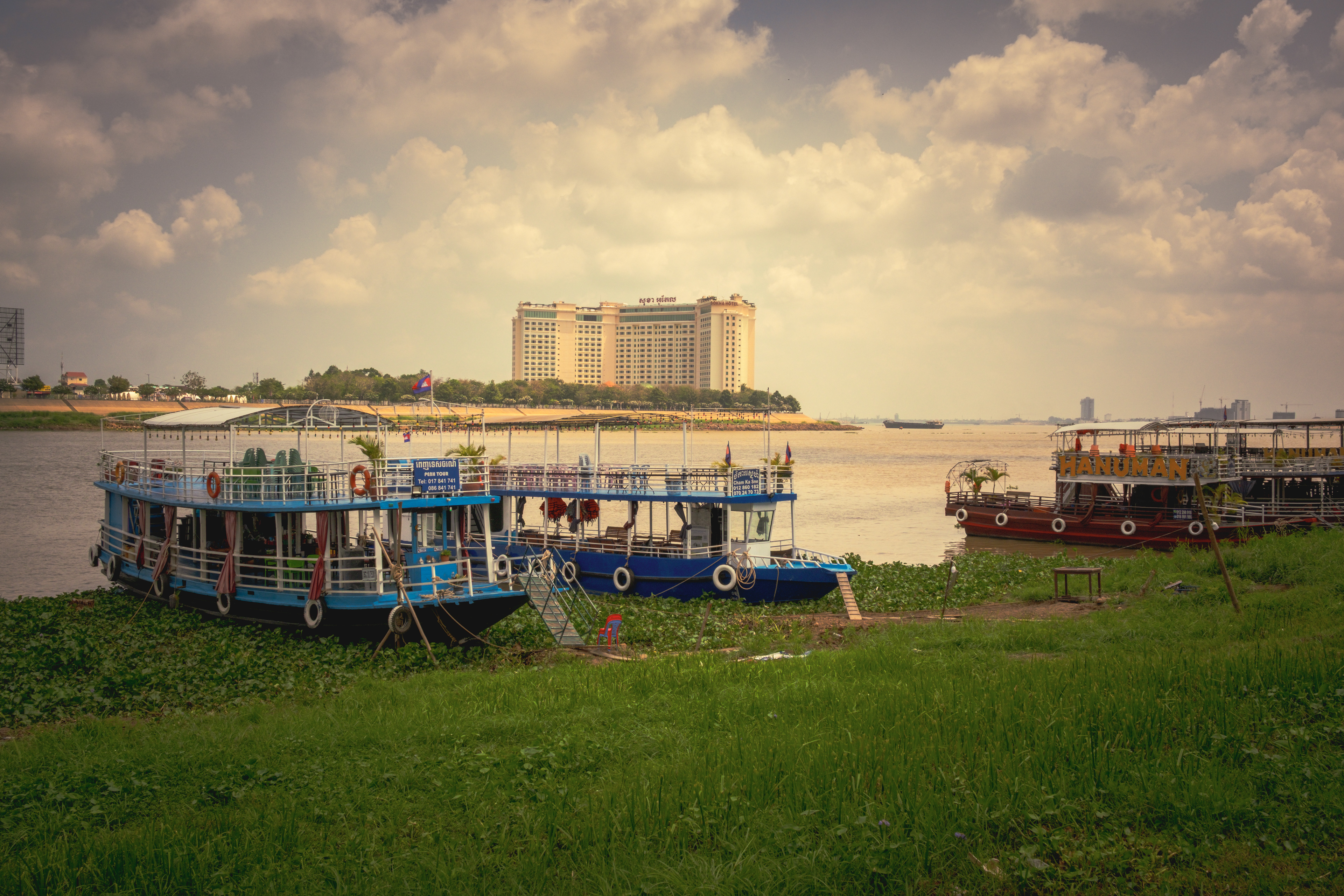
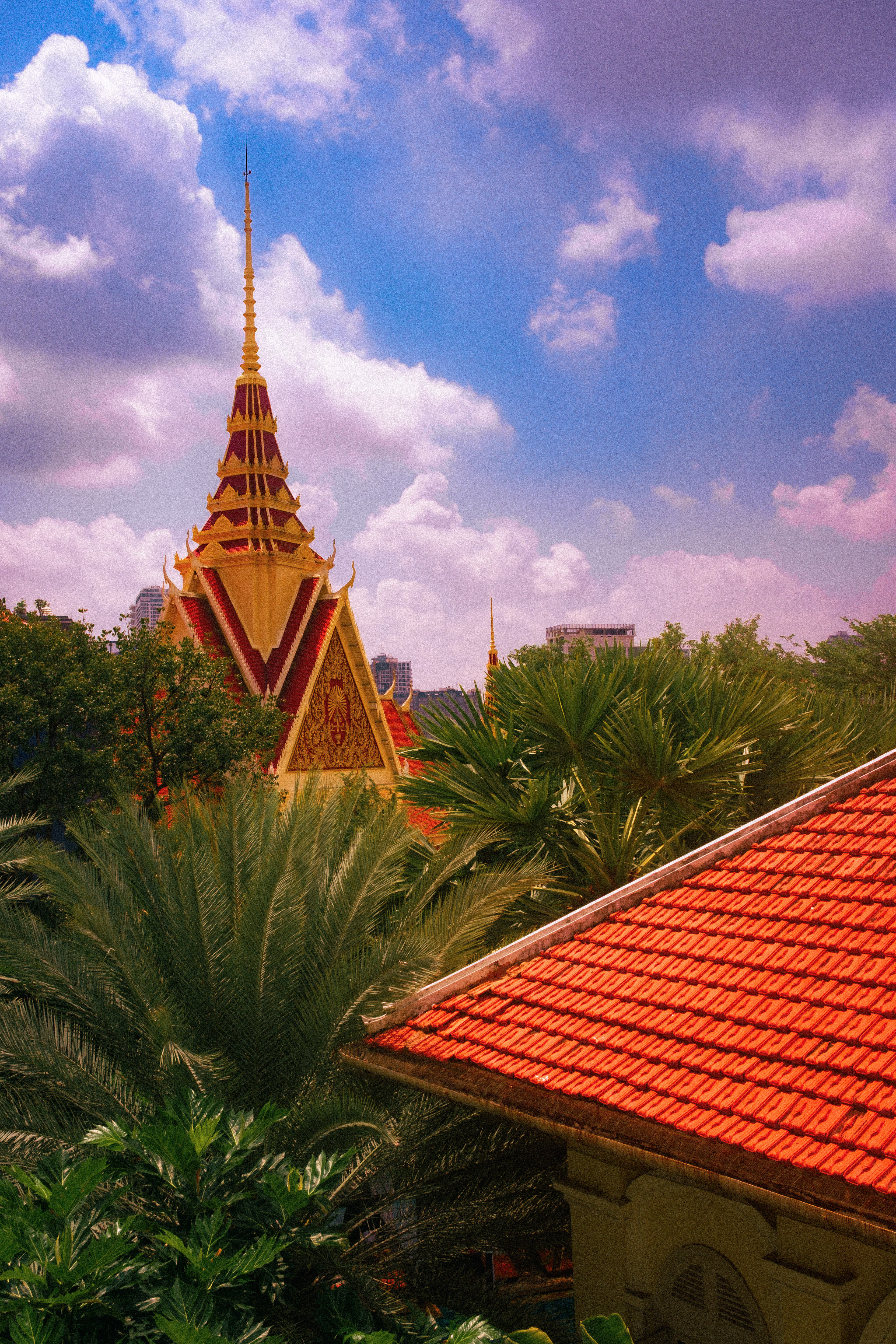
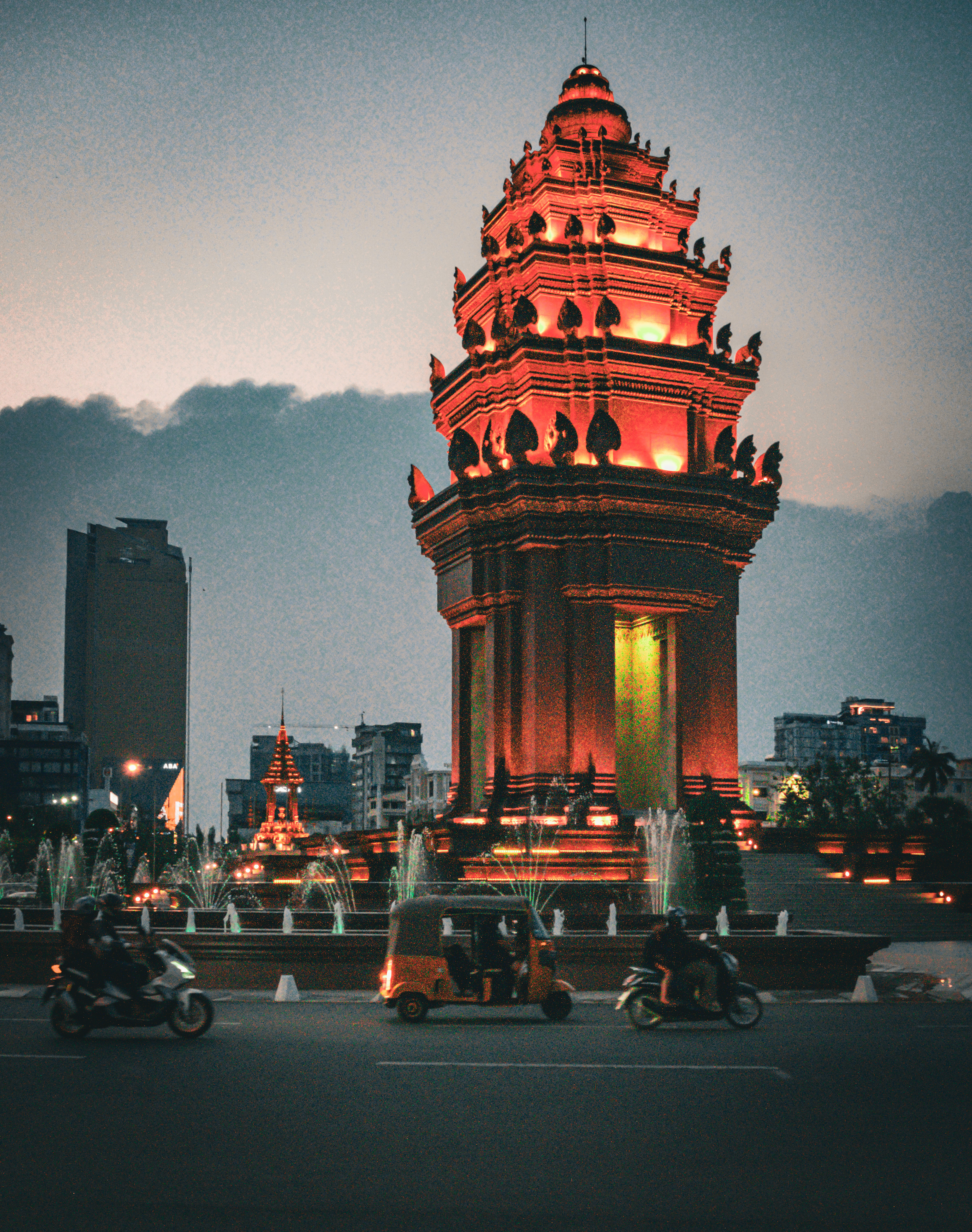
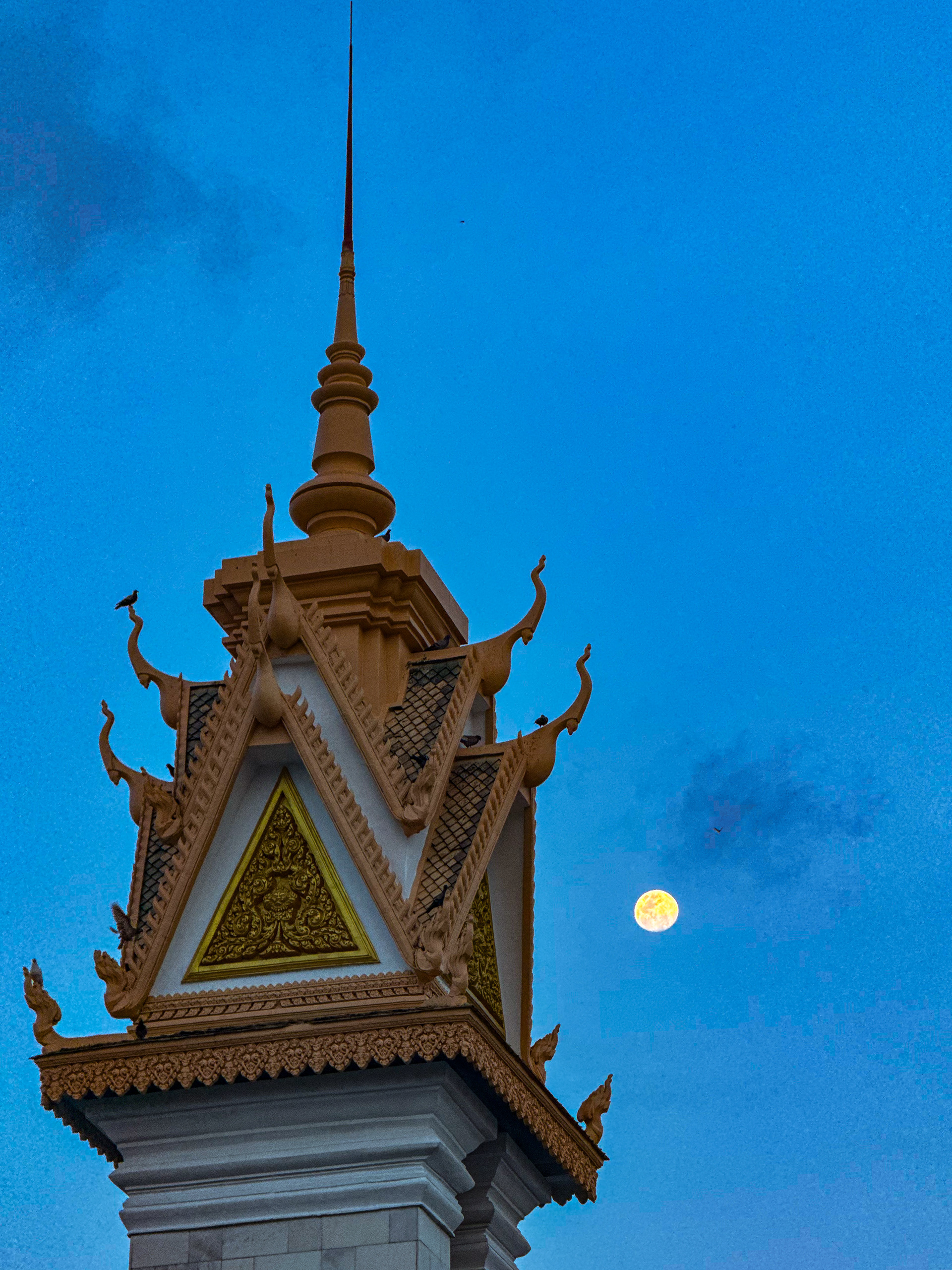
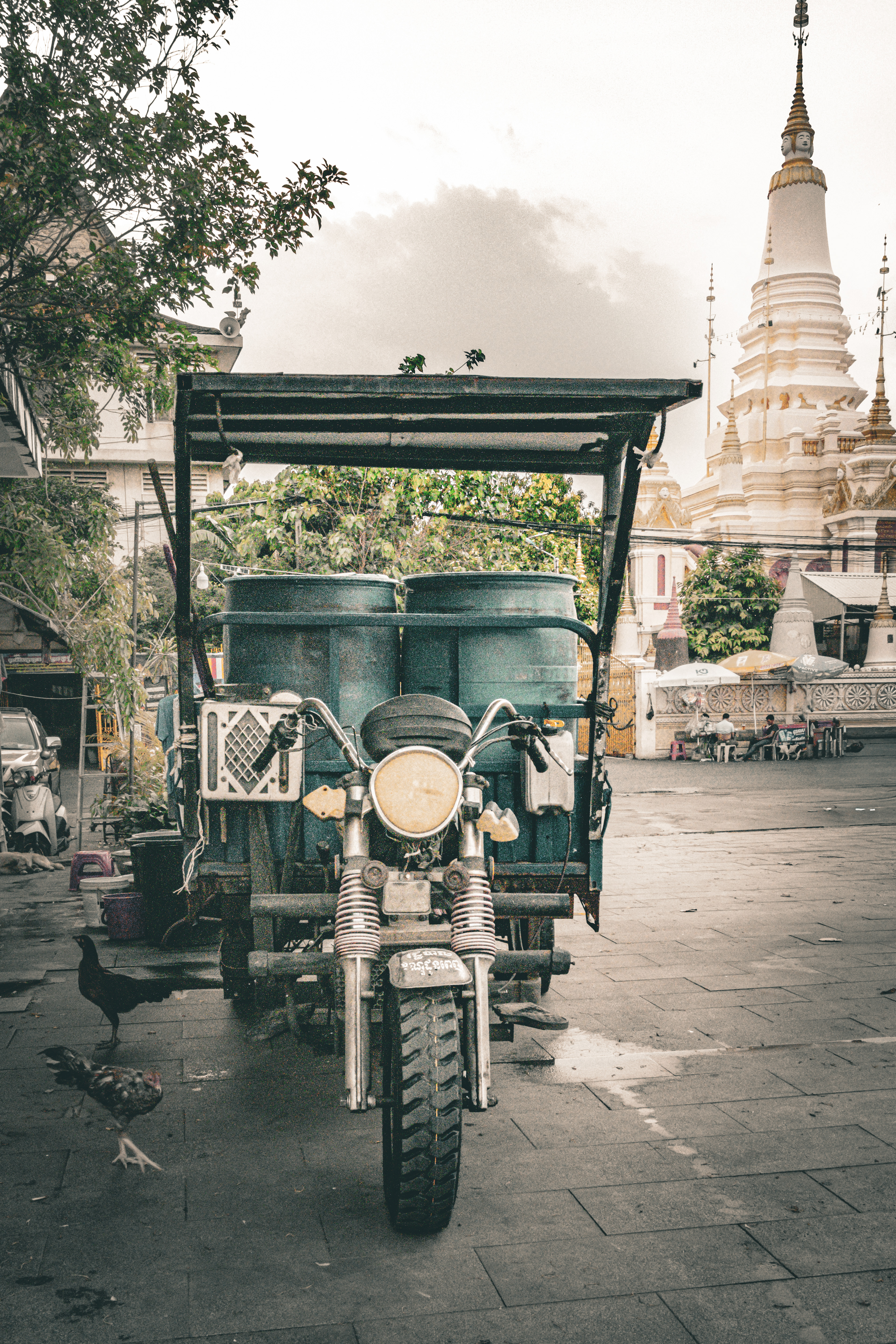
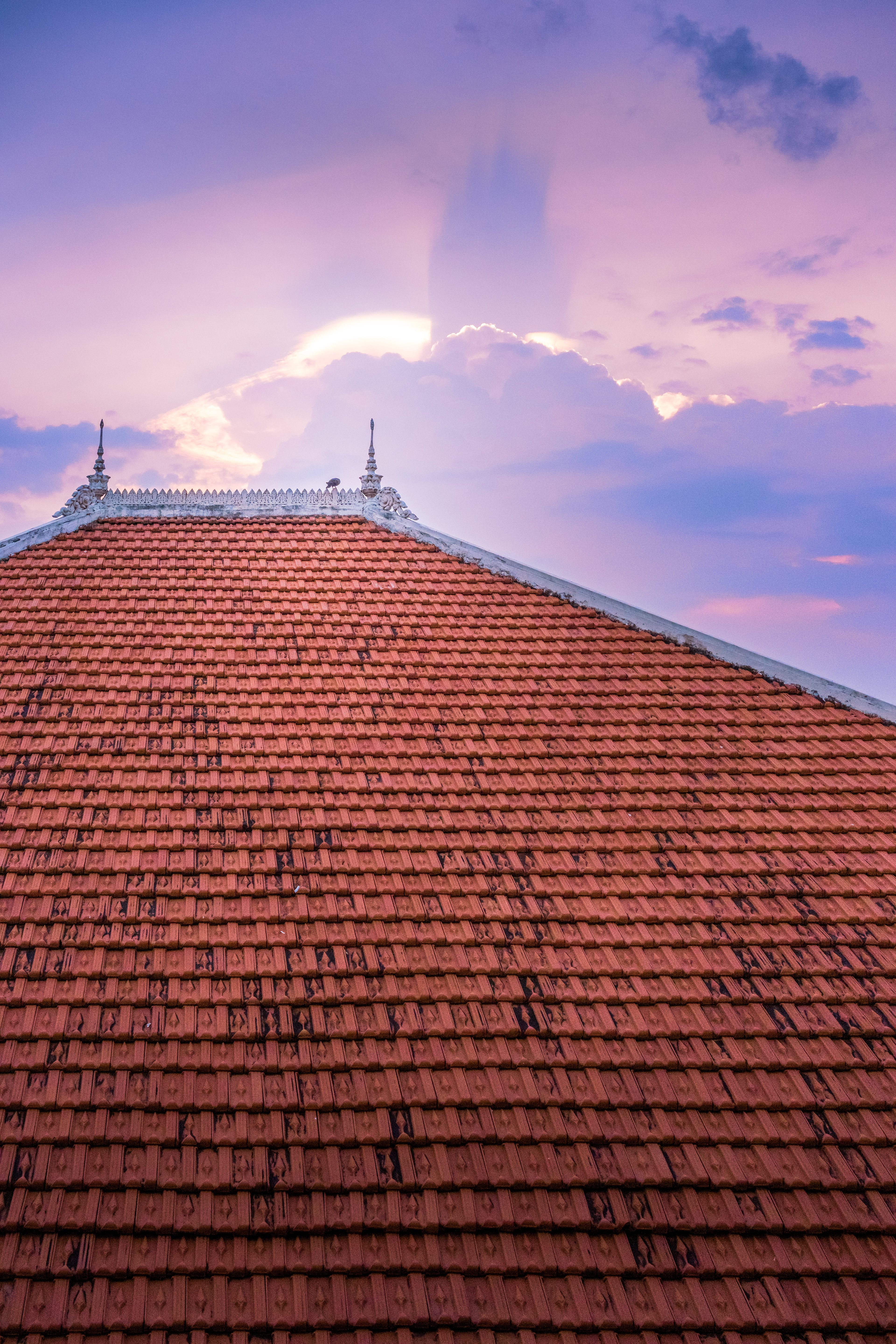
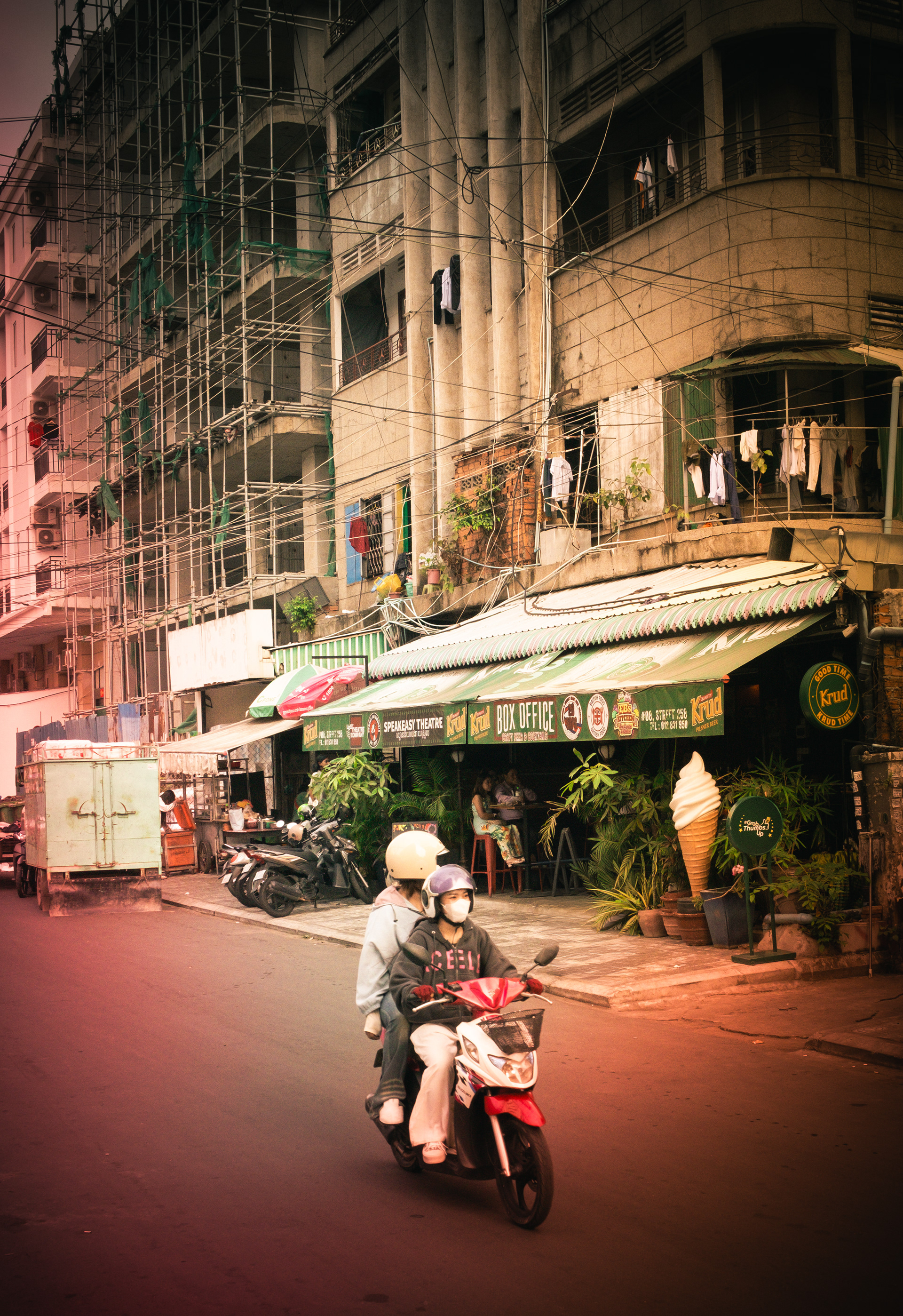
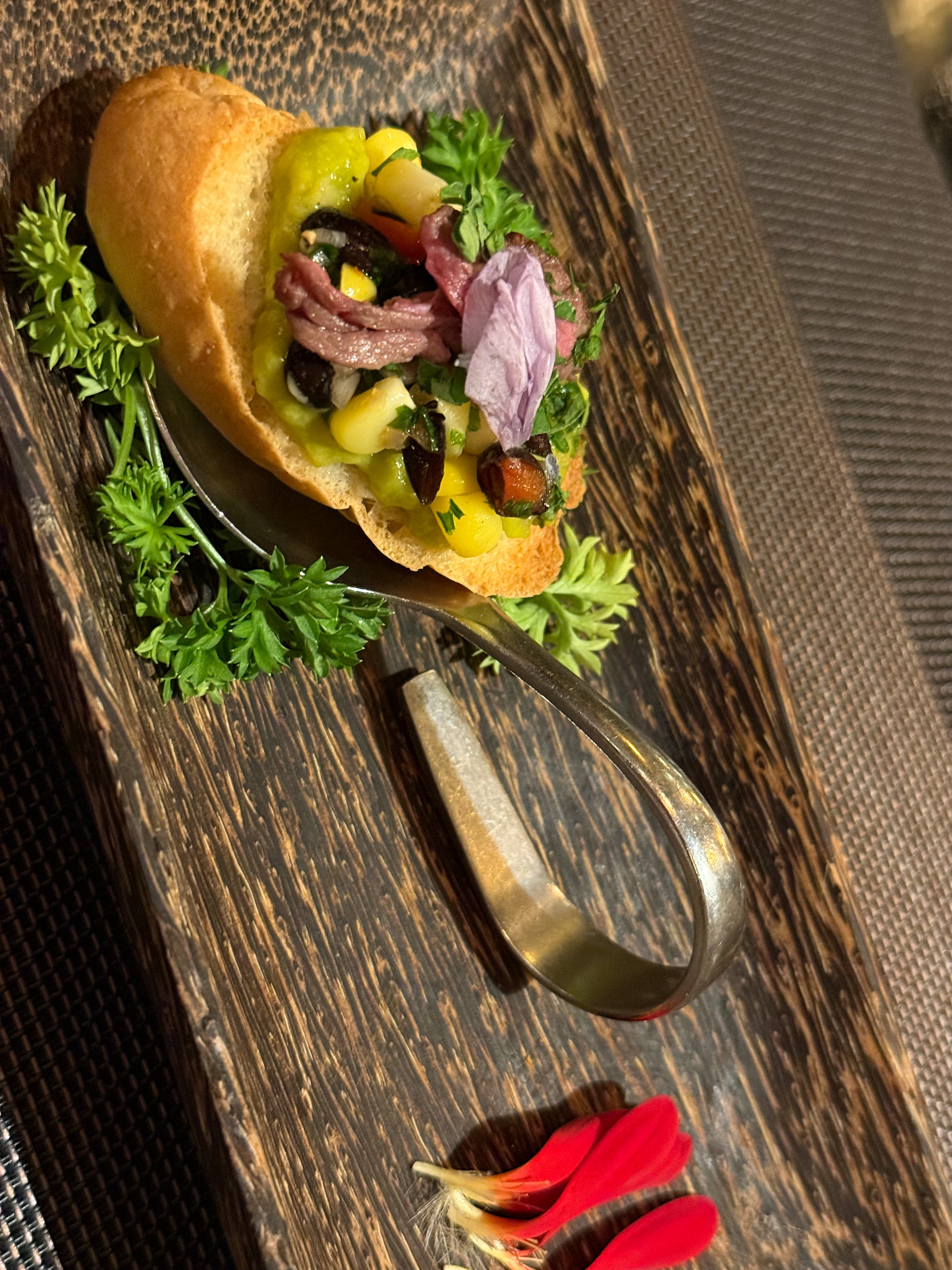
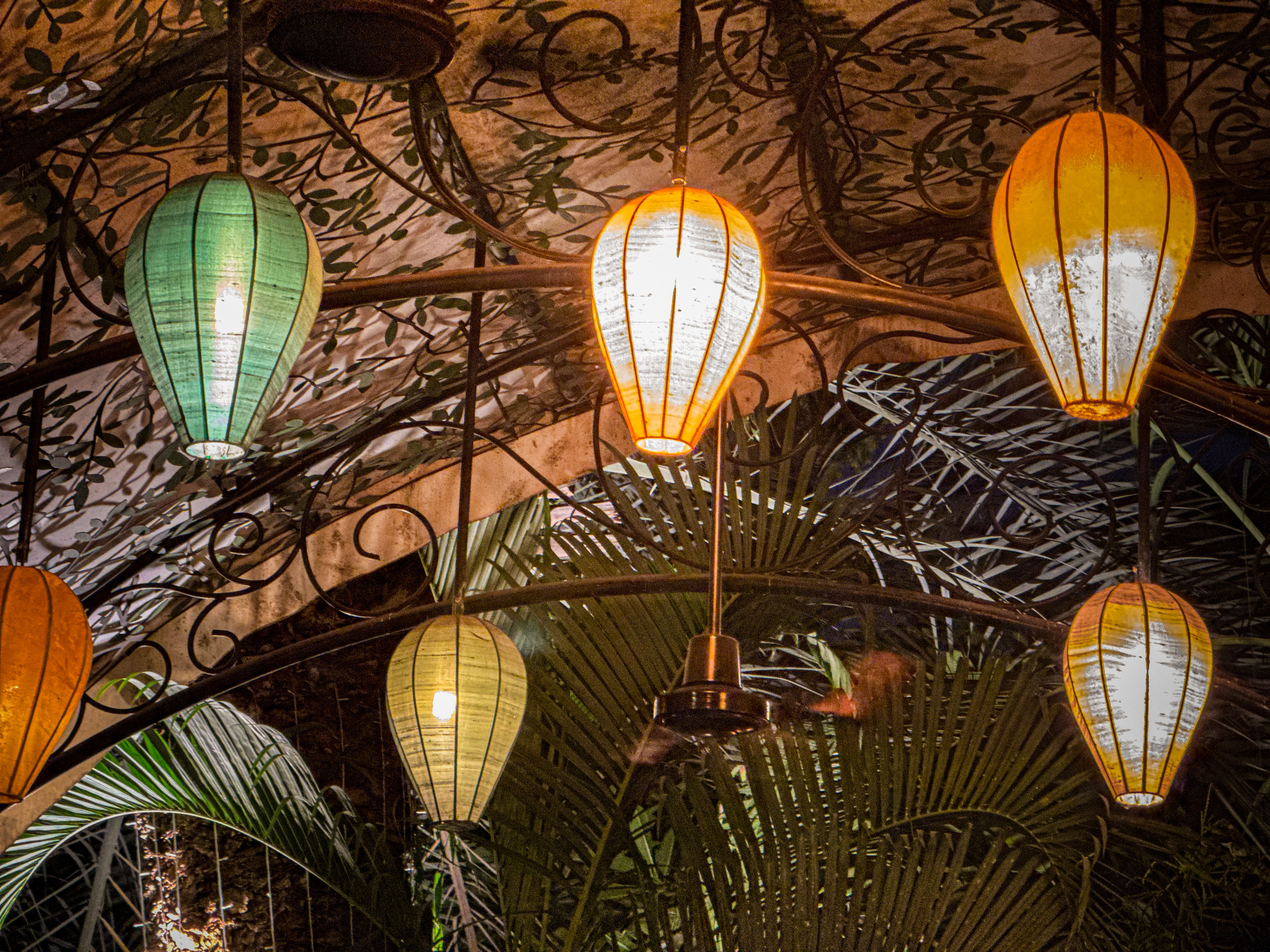
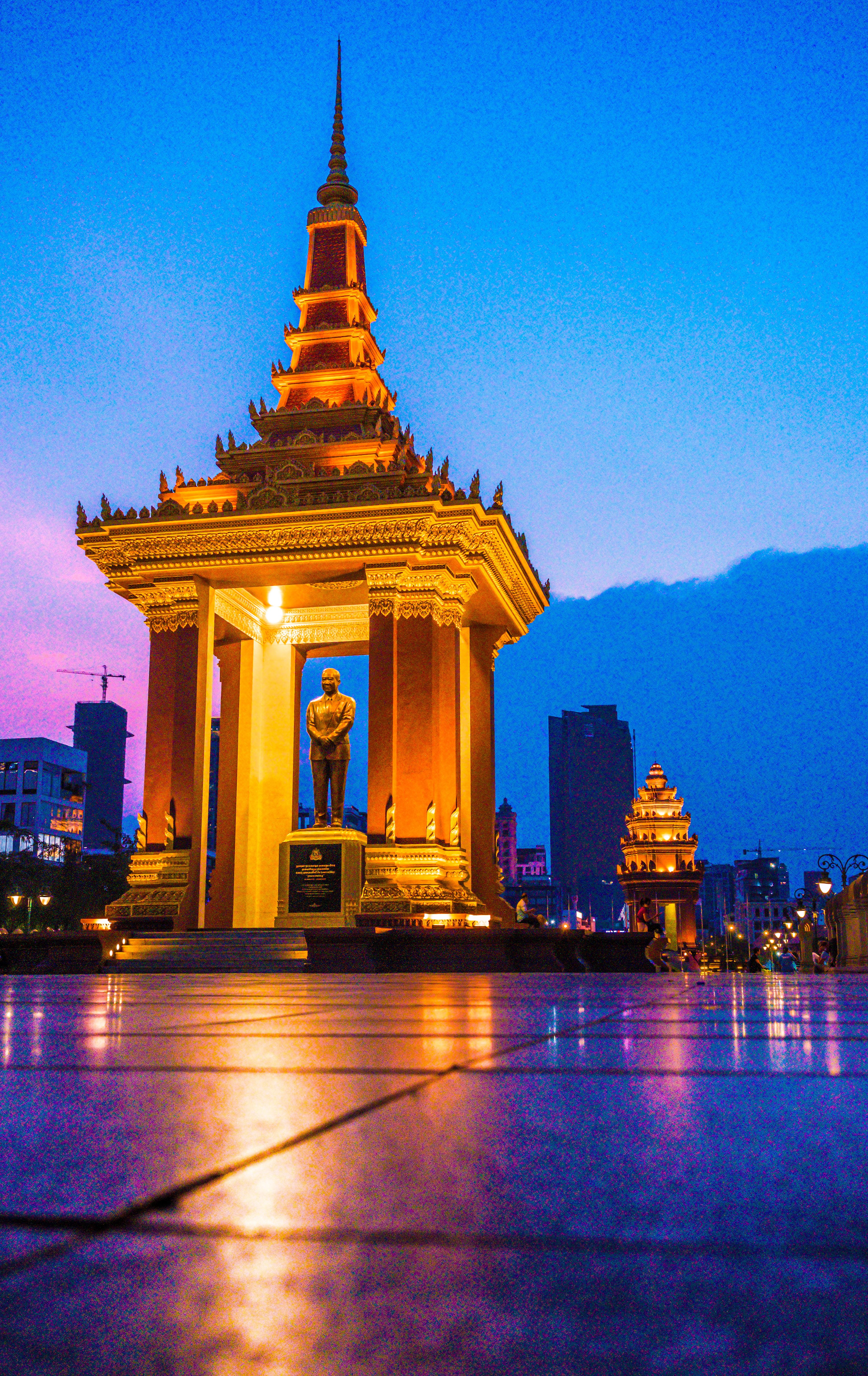
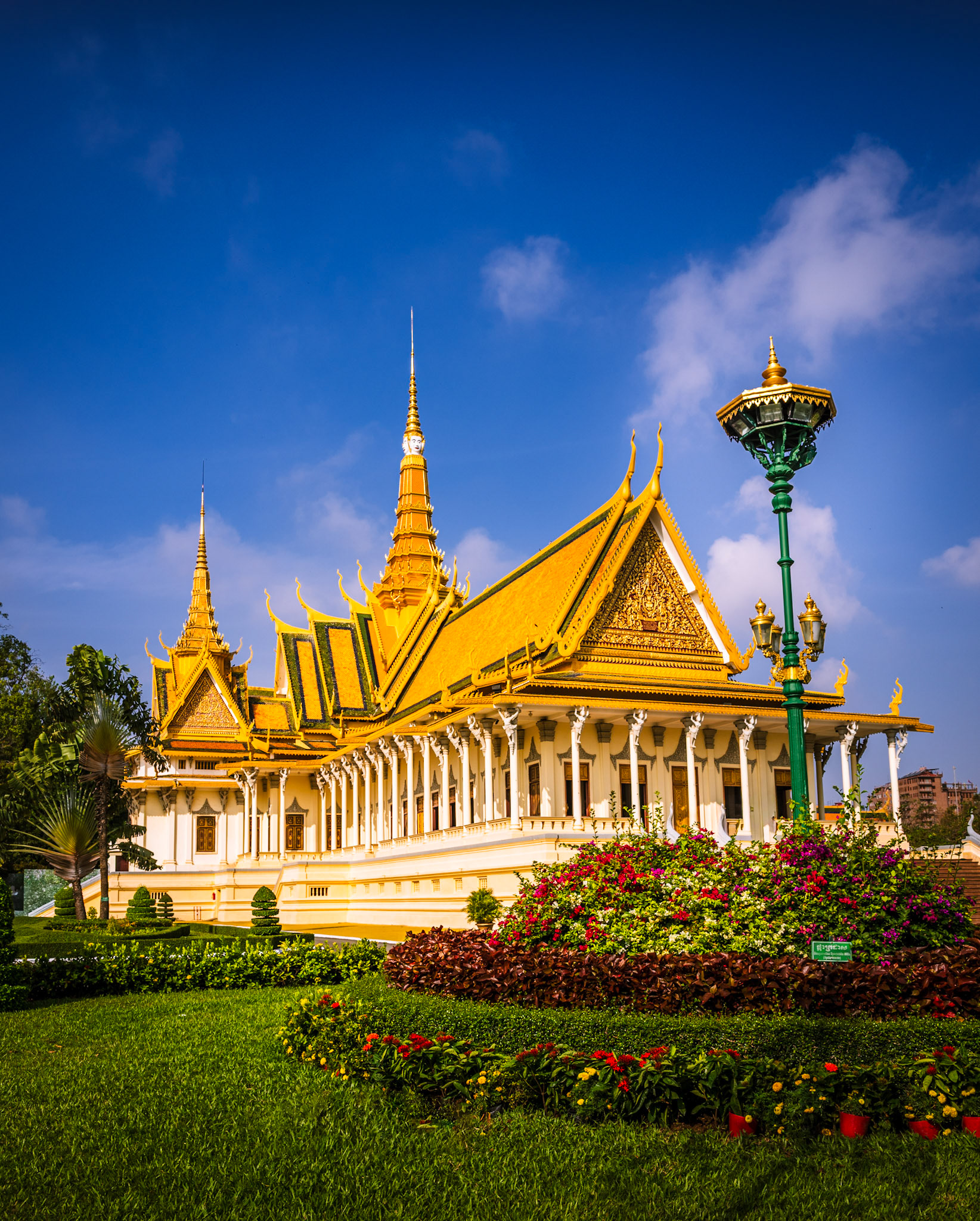
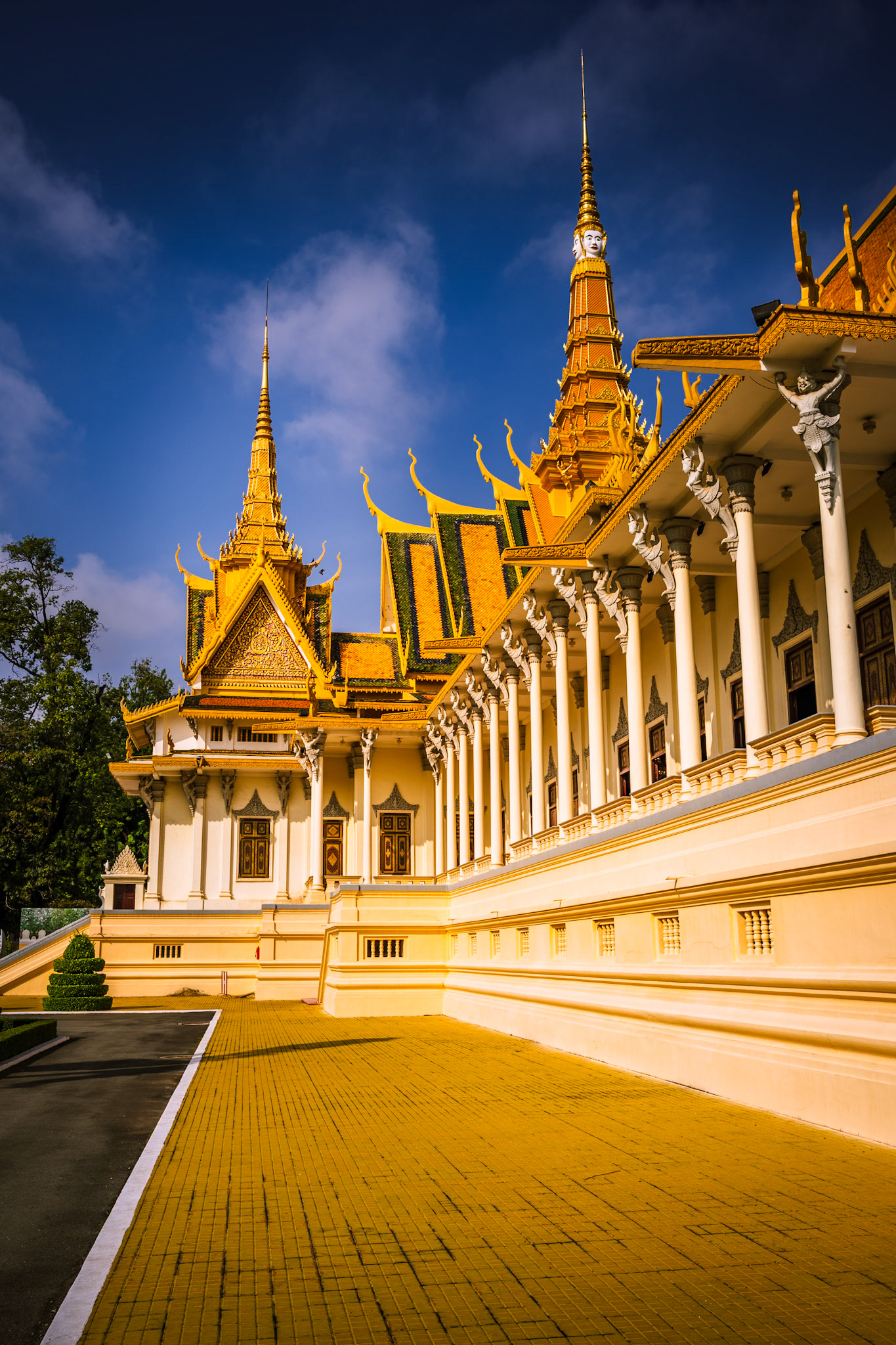
The second day in Cambodia - our first full day - was a full day. We began with a trip to the Royal Palace complex. The king was not there for our visit - nipped off to China when he heard we were coming. The king has been on the throne for a bit over 20 years since his father abdicated. We were able to look inside the Throne Room that is used for crowning the king and for state visits,and went into the Silver Pagoda, which has a floor covered in thousands of silver tiles - guess that is where its name came from.
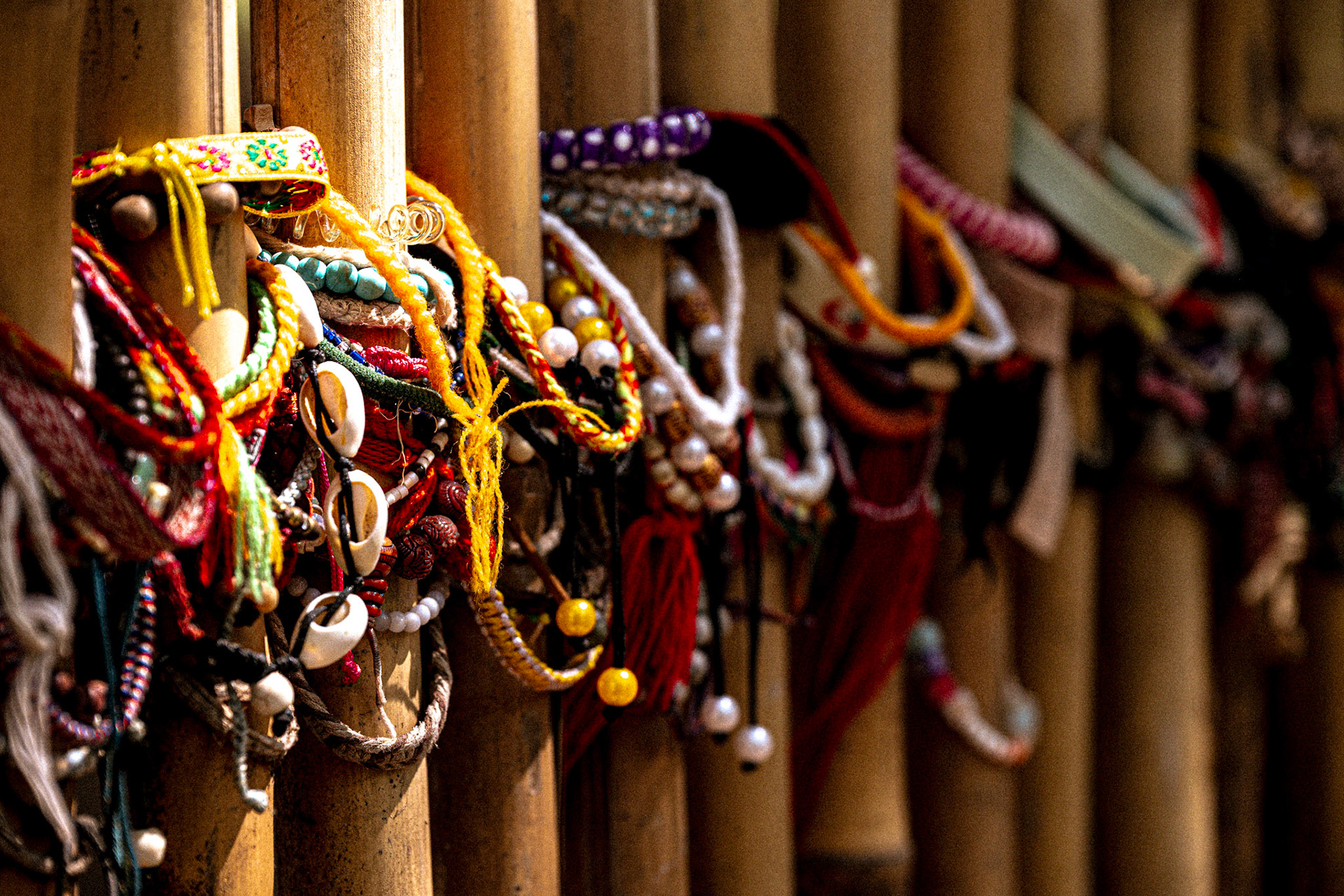
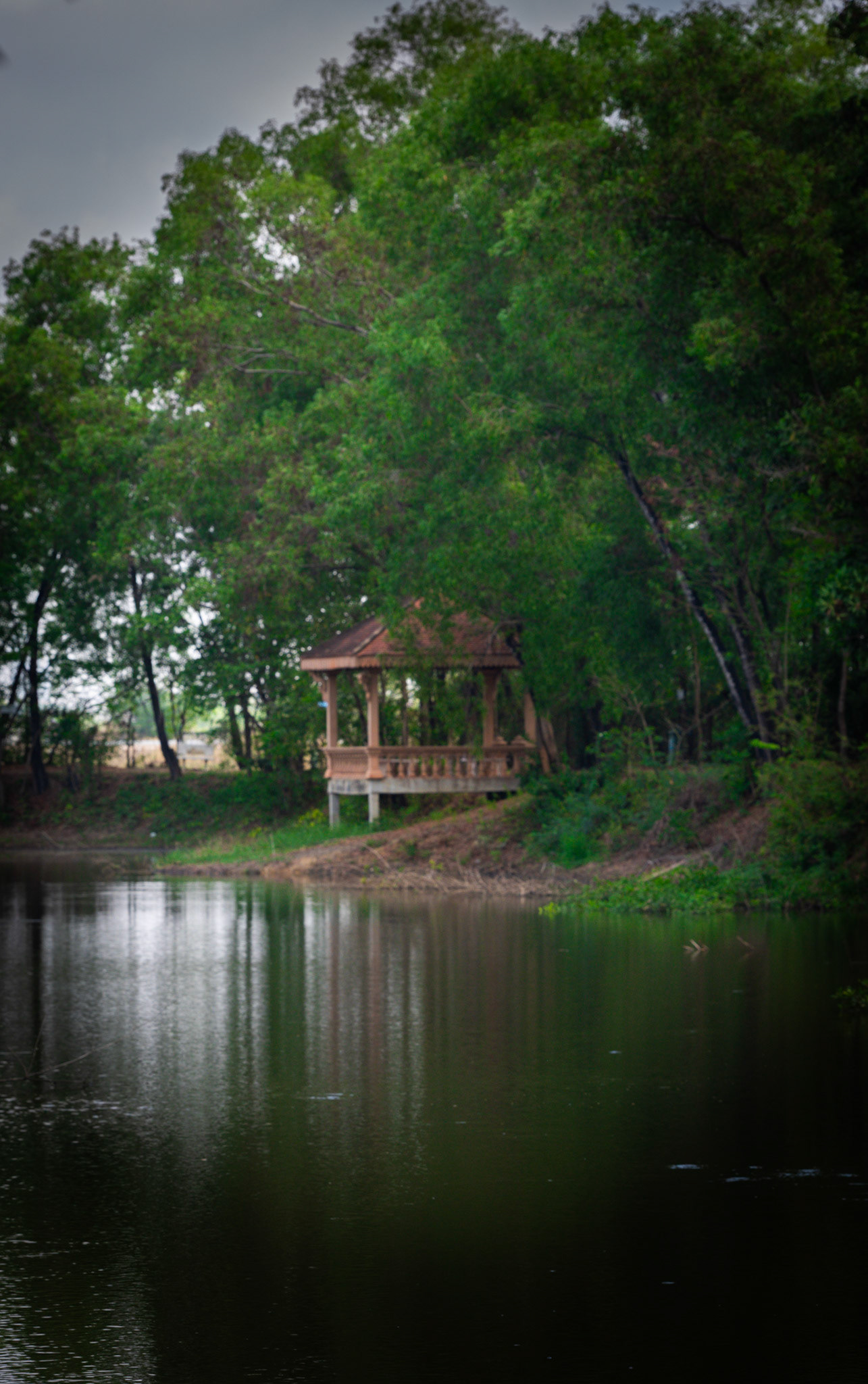
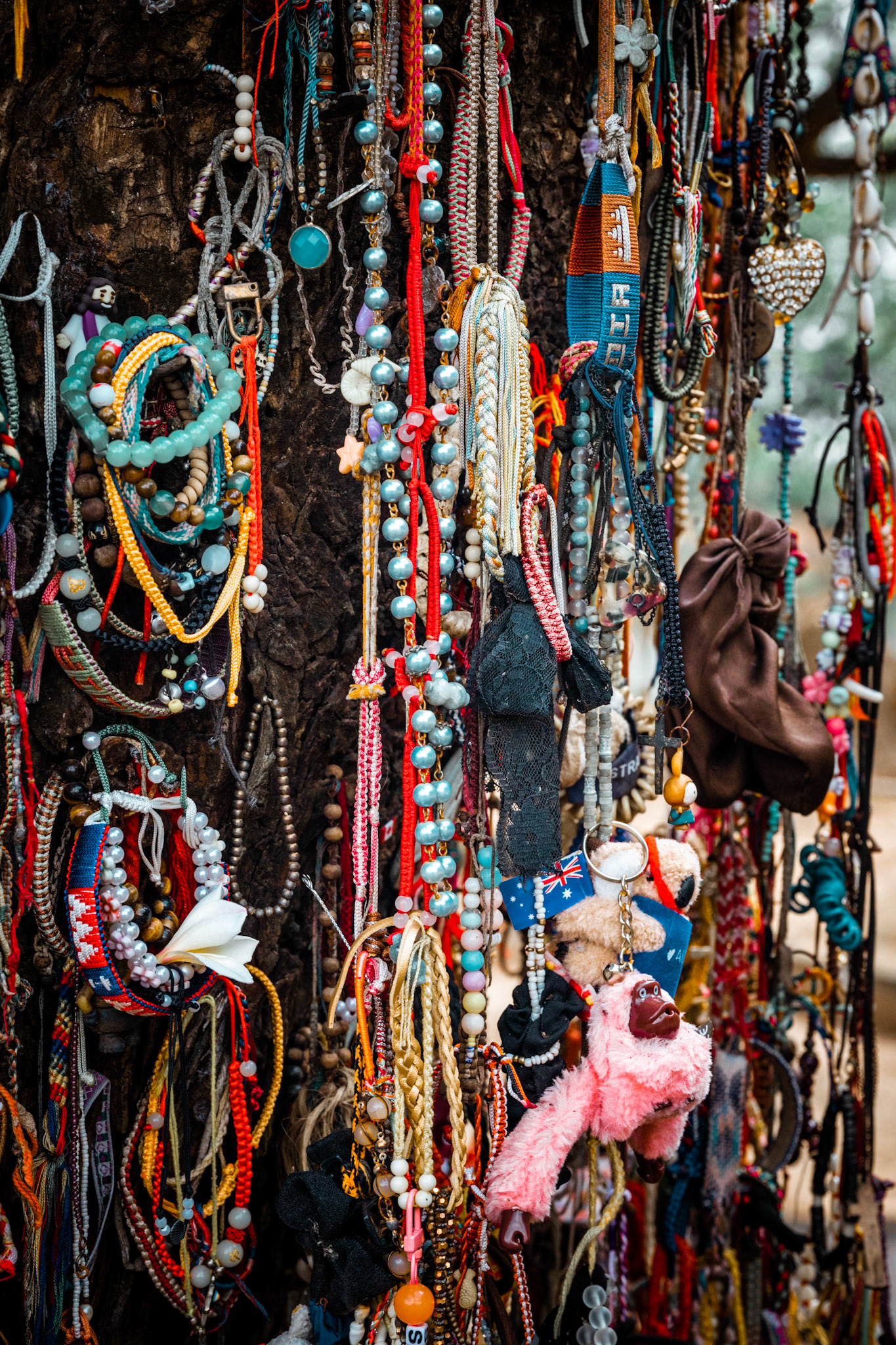
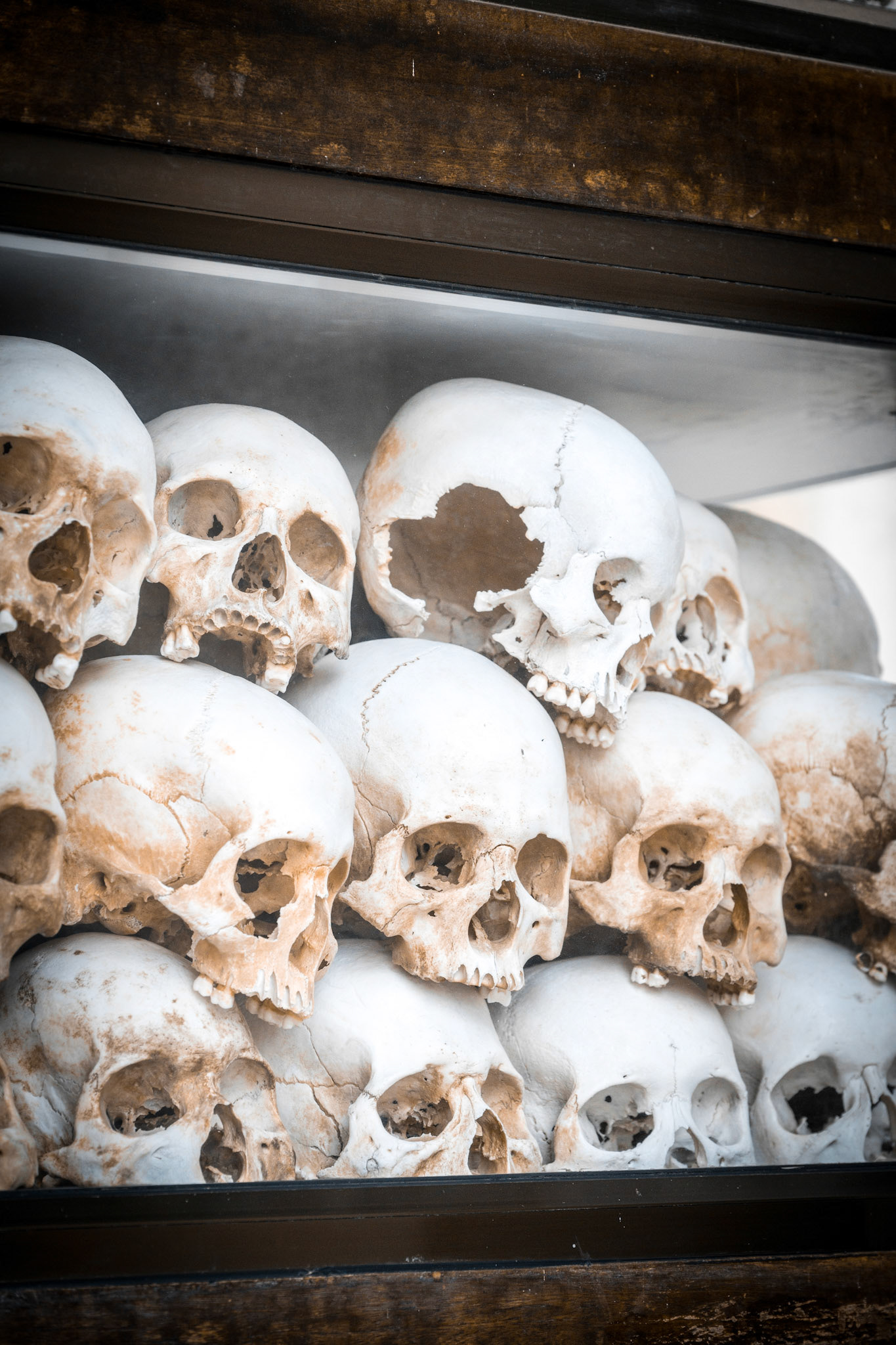
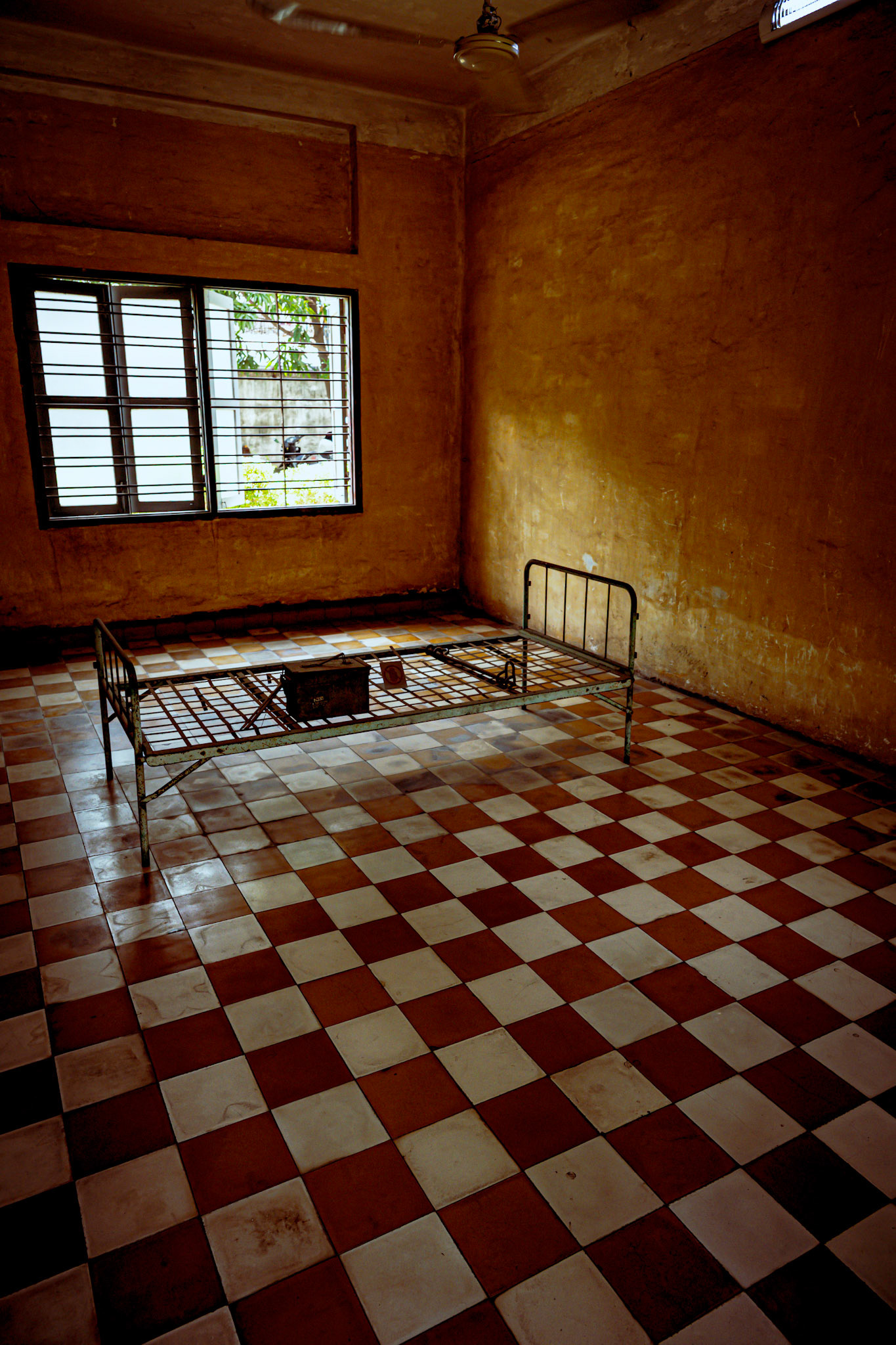
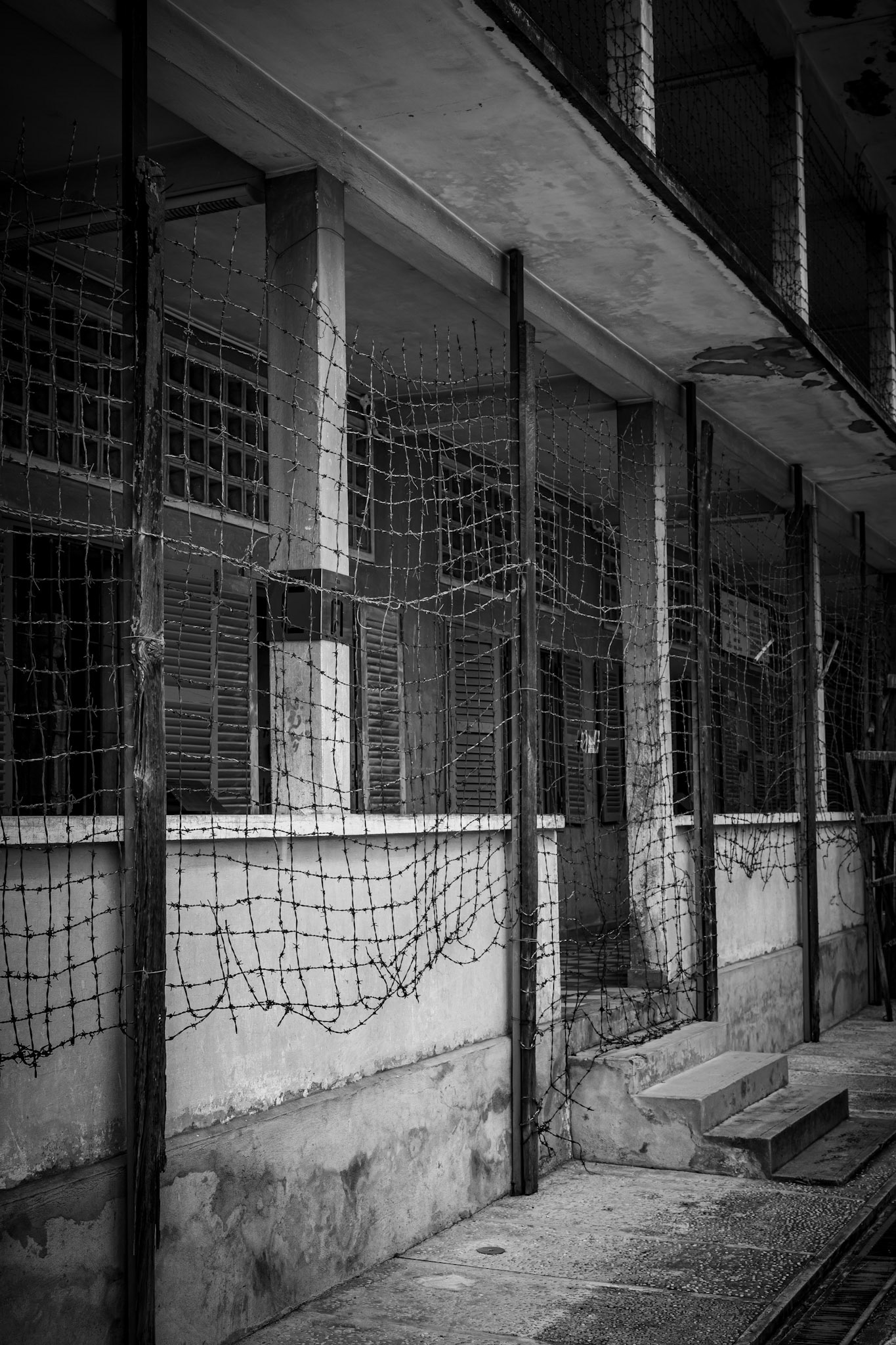
We then took the trip out of the city - towards the airport - to the Killing Fields. In 1975, after Pol Pot and the Khmer Rouge came to power following the Civil War, they made everyone leave the cities very suddenly to go and work in community farms. They banned a lot of things, including having property, money and religion. Those that they considered a threat, which included a lot of intelligent and gifted people were captured, imprisoned in prisons such as the converted school that became known as S21 that we visited, and killed many of them - over 2 million of the population at the time of under 8 million. Many of these were murdered at the site we visited - where they were brought by truck from the prison, blindfolded with their hands tied and killed - normally not by being shot as there were not enough bullets, but beaten with axes, hoes and other equipment before being buried in mass graves.
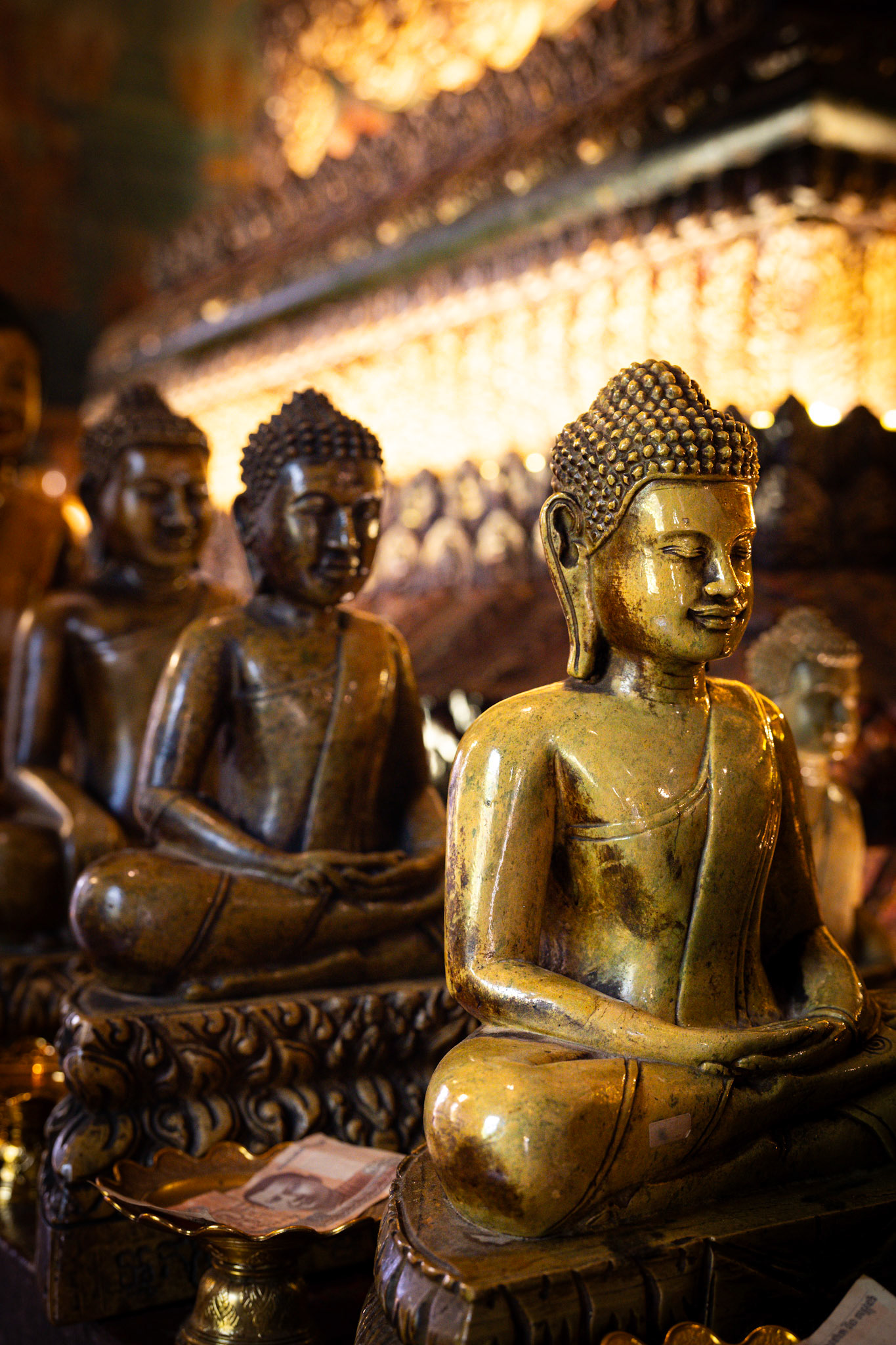
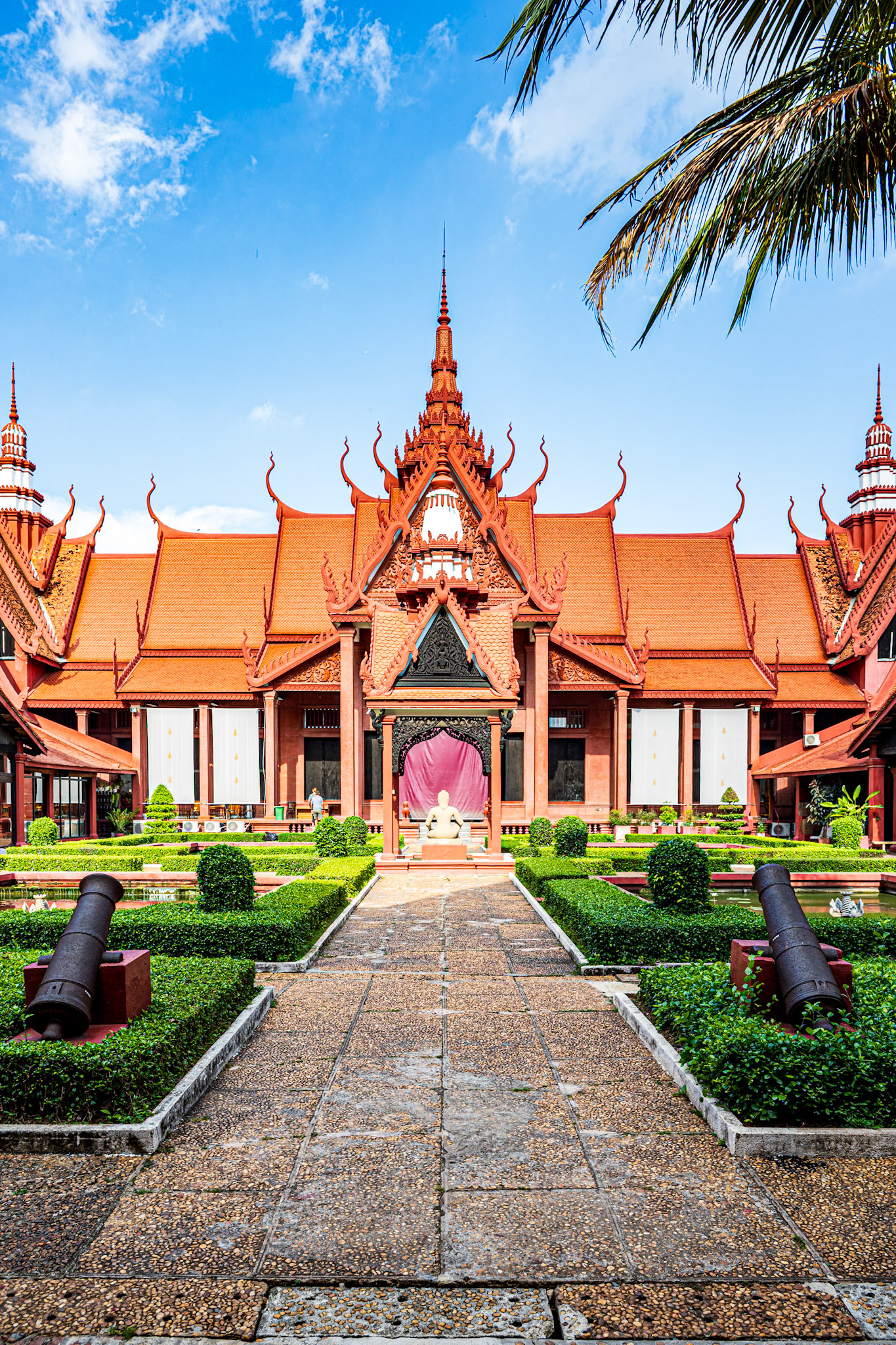
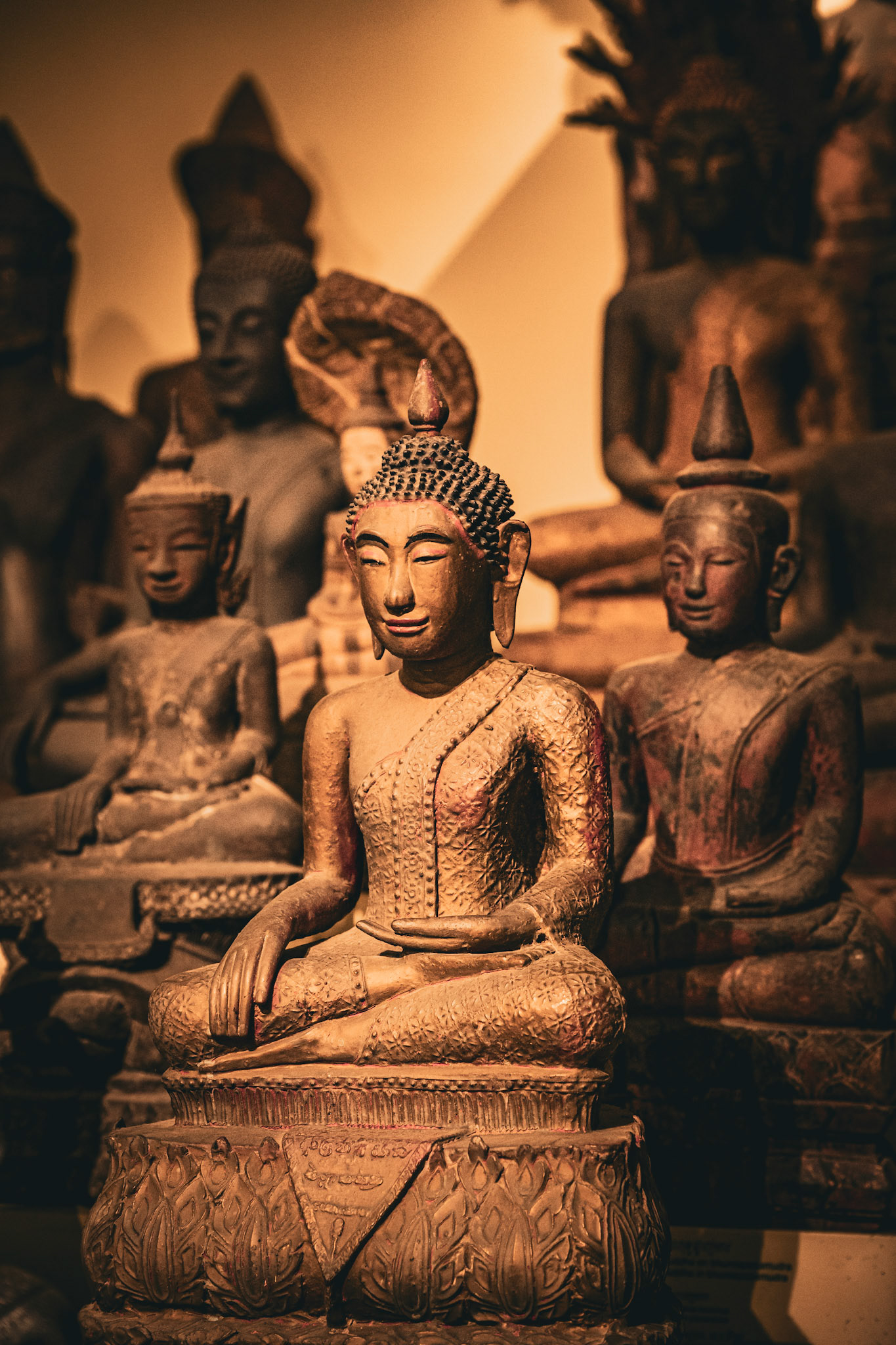
The afternoon was a bit more joyful - visiting the temple at Wat Phnom after a lunch of water buffalo and then a trip to the national museum for loads of Buddhas.
Phnom Penh to Siem Reap
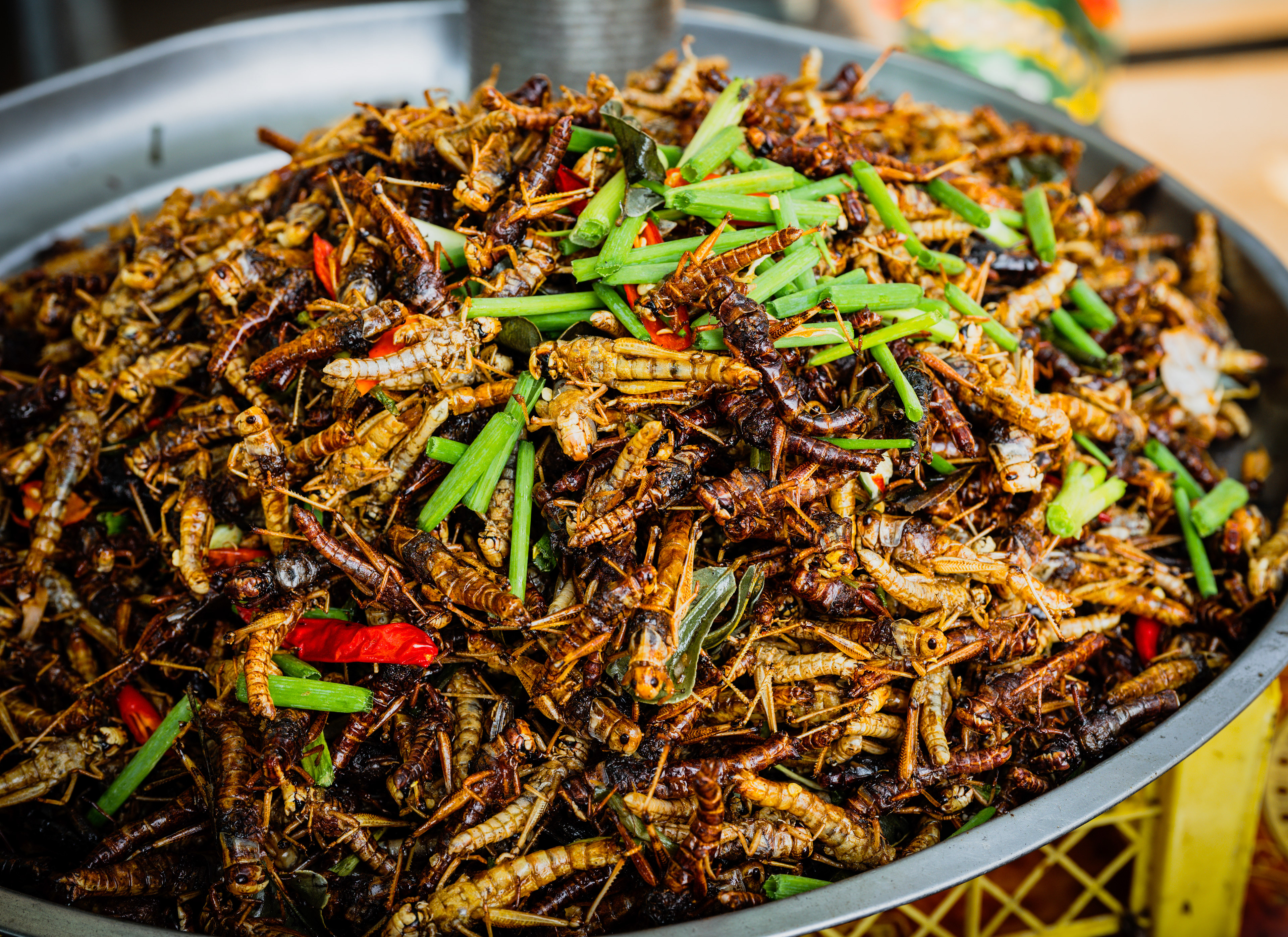
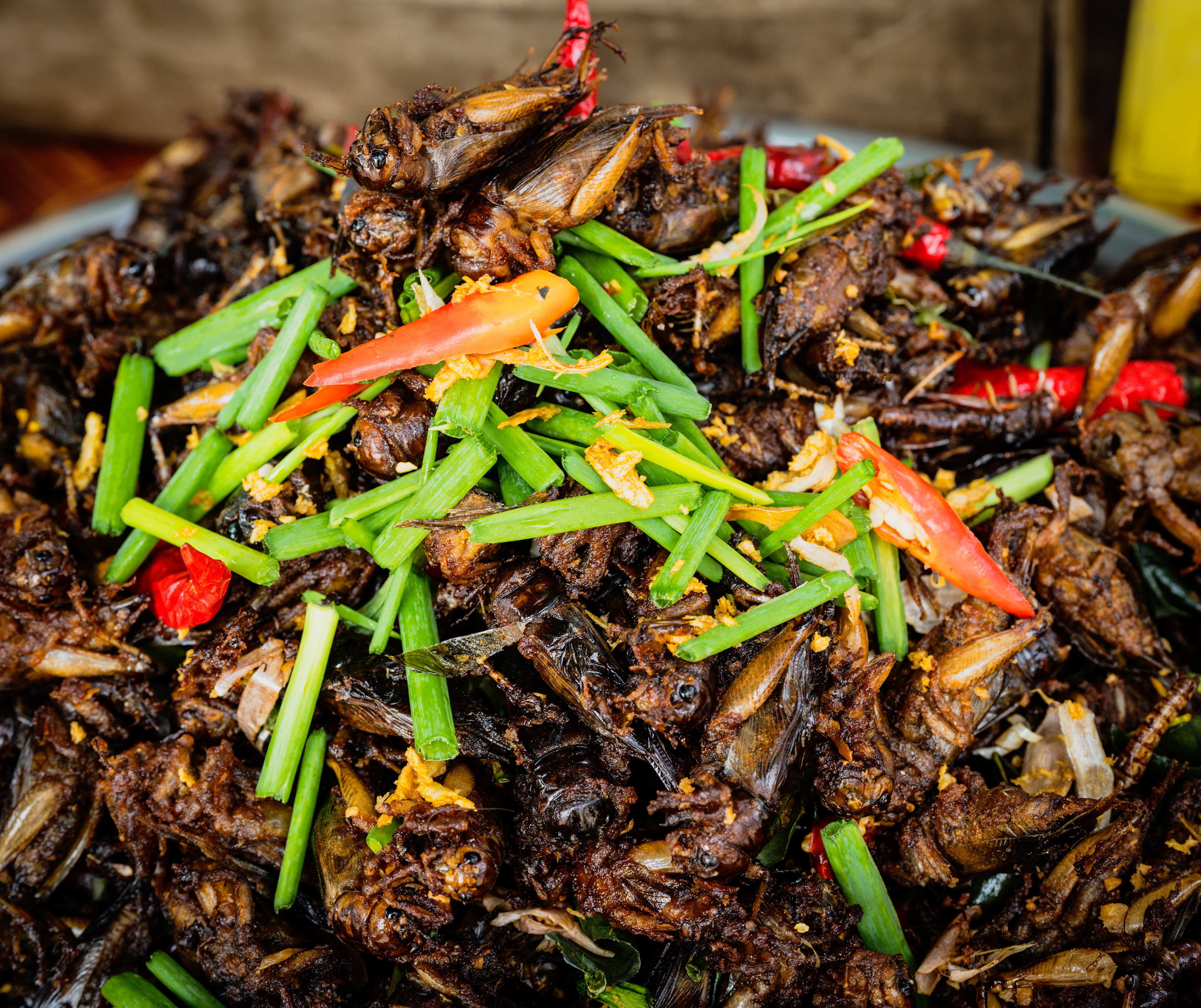
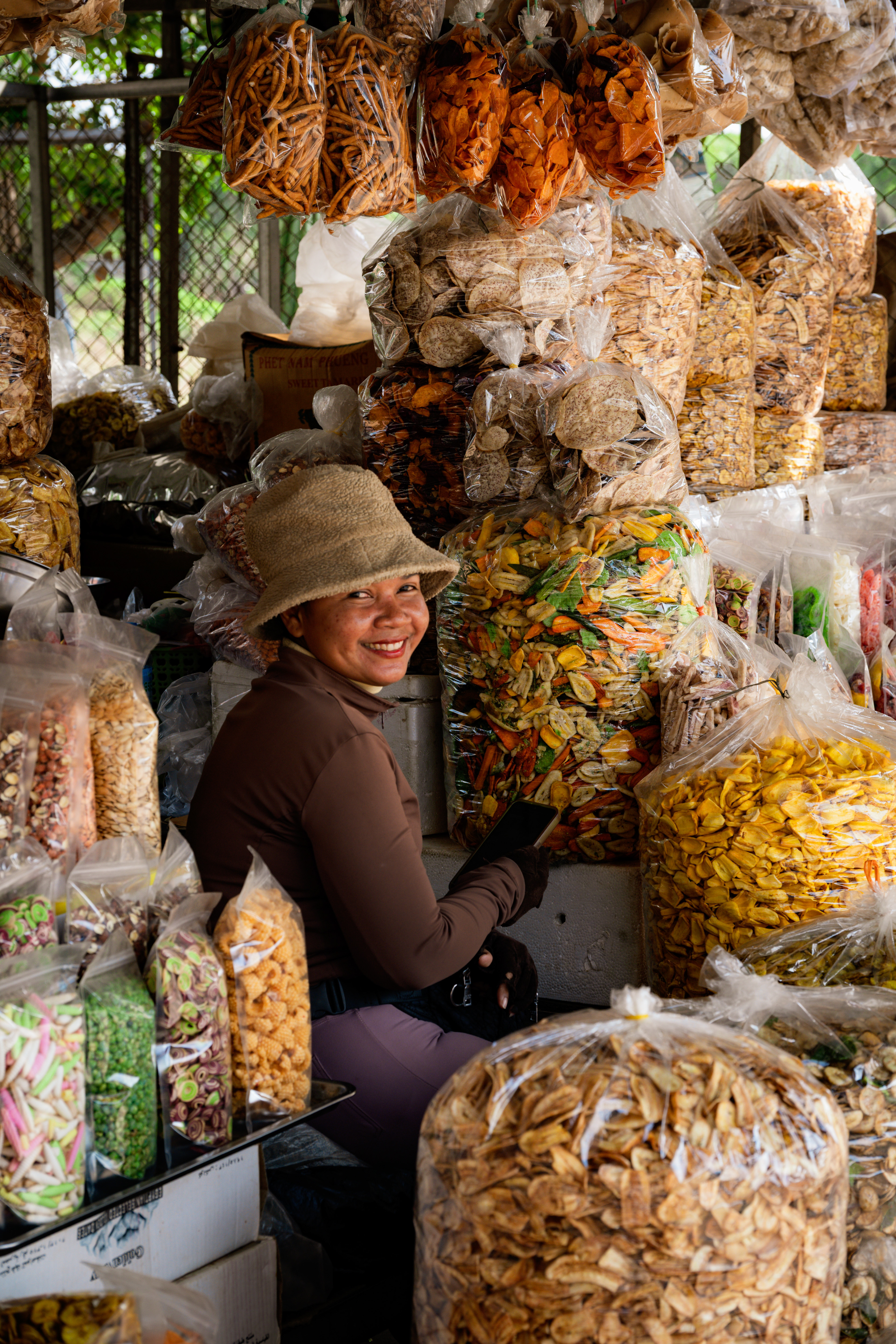
Today started early as we had a six hour drive from Phnom Penh to Siem Reap. Our first stop, after about an hour and a half, was at the “Spider Café“ where we had the chance to eat cricket (quite crunchy and nice), grasshopper, which was extremely crunchy and needed to have the legs pulled up first, and tarantula (female taste nicer than male, but with a slightly powdery texture). Teresa also had some tarantula crawling over her, and we had to pay to get away. We also got a selection of very nice dried fruits.
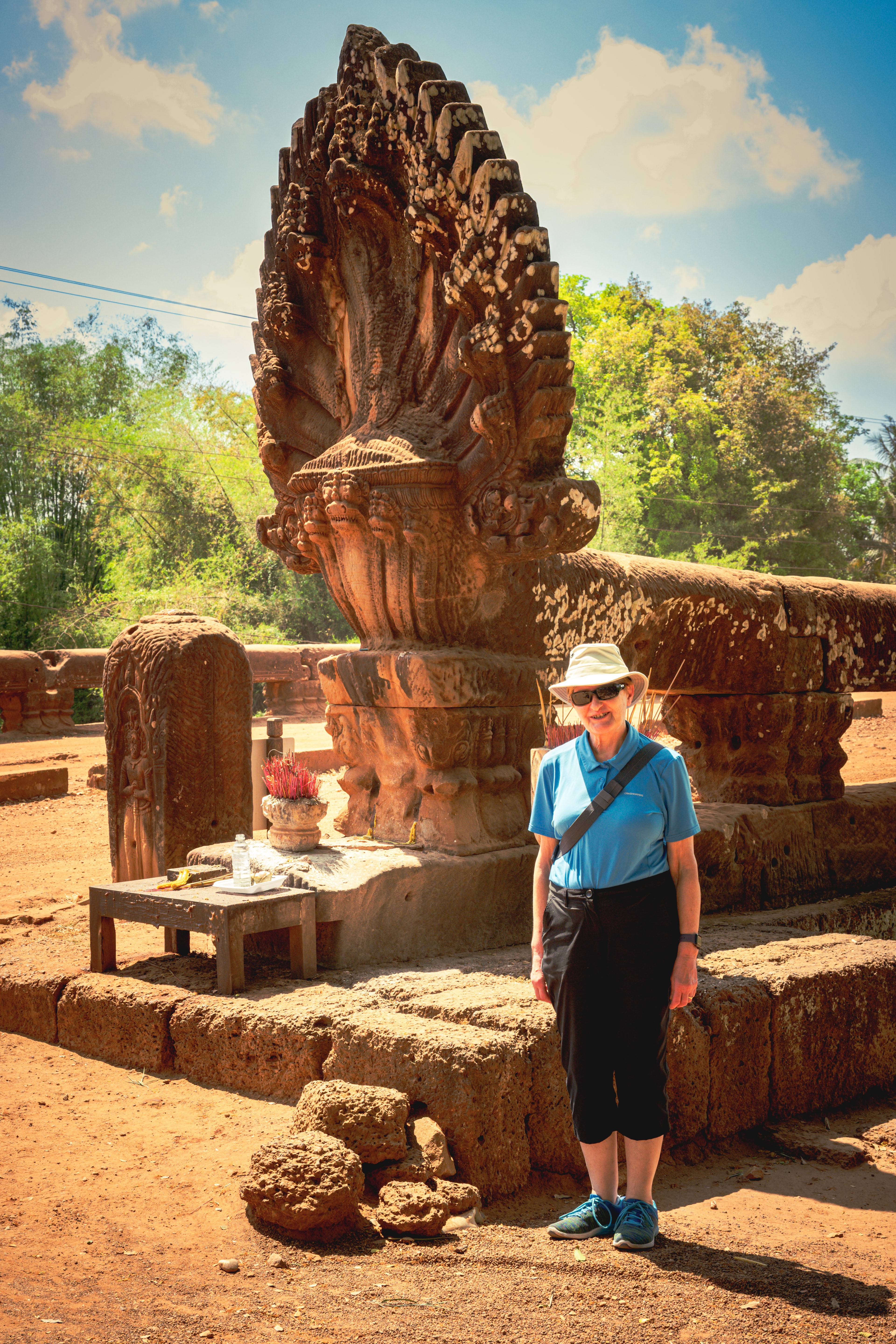
Another two hour drive to lunch, followed by some more driving to an old bridge, and then some more driving to get to the hotel where we made a quick move for the pool.
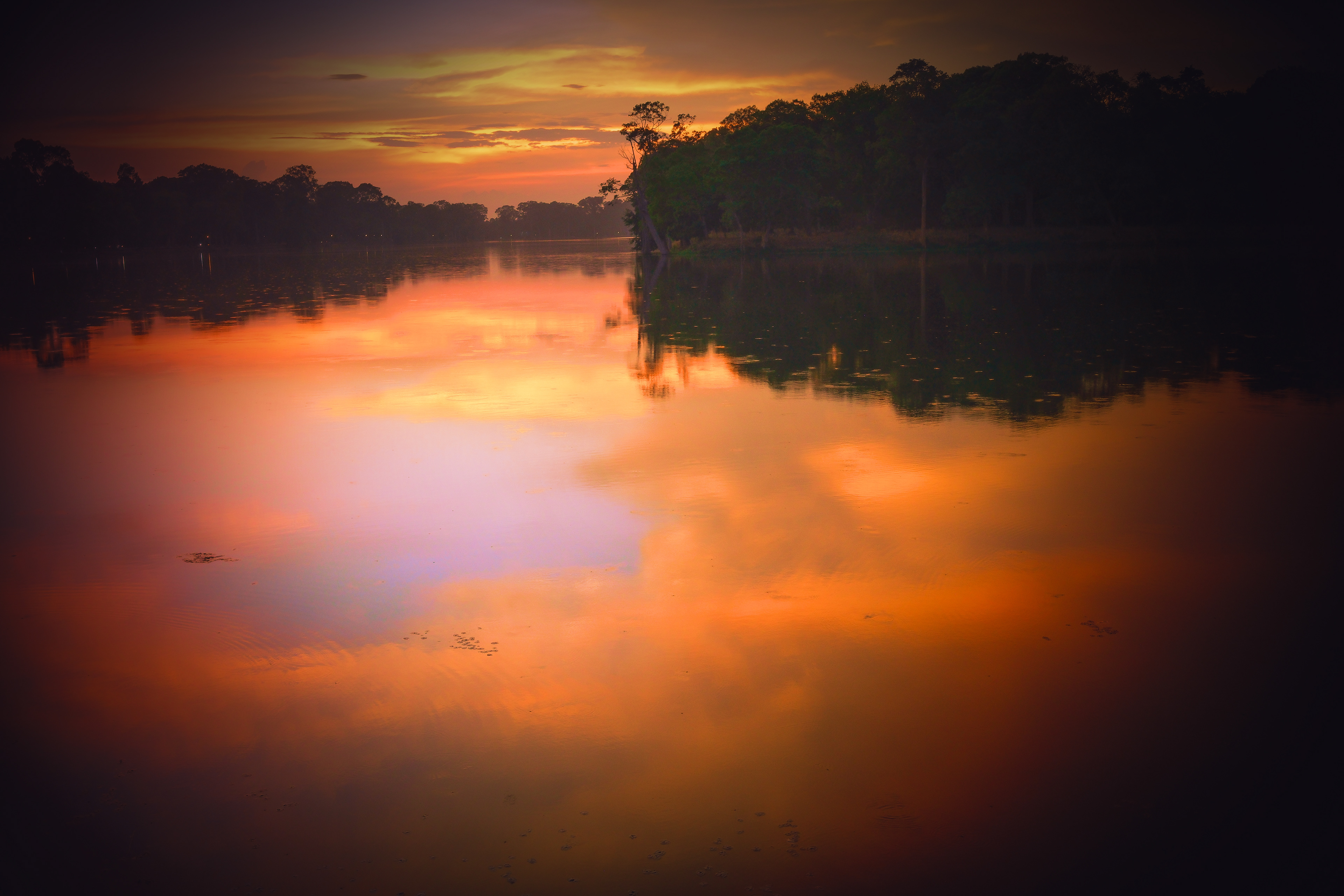
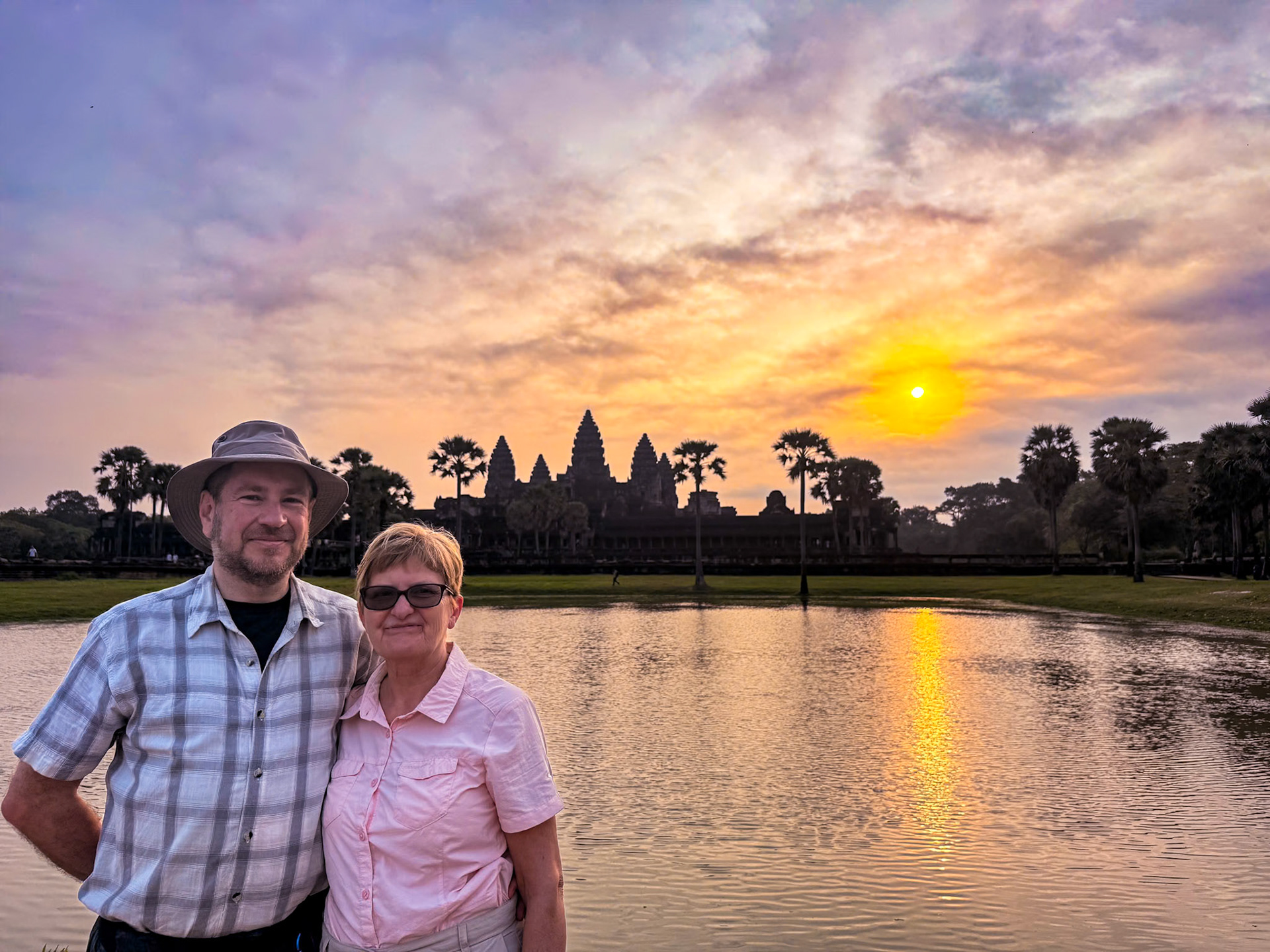
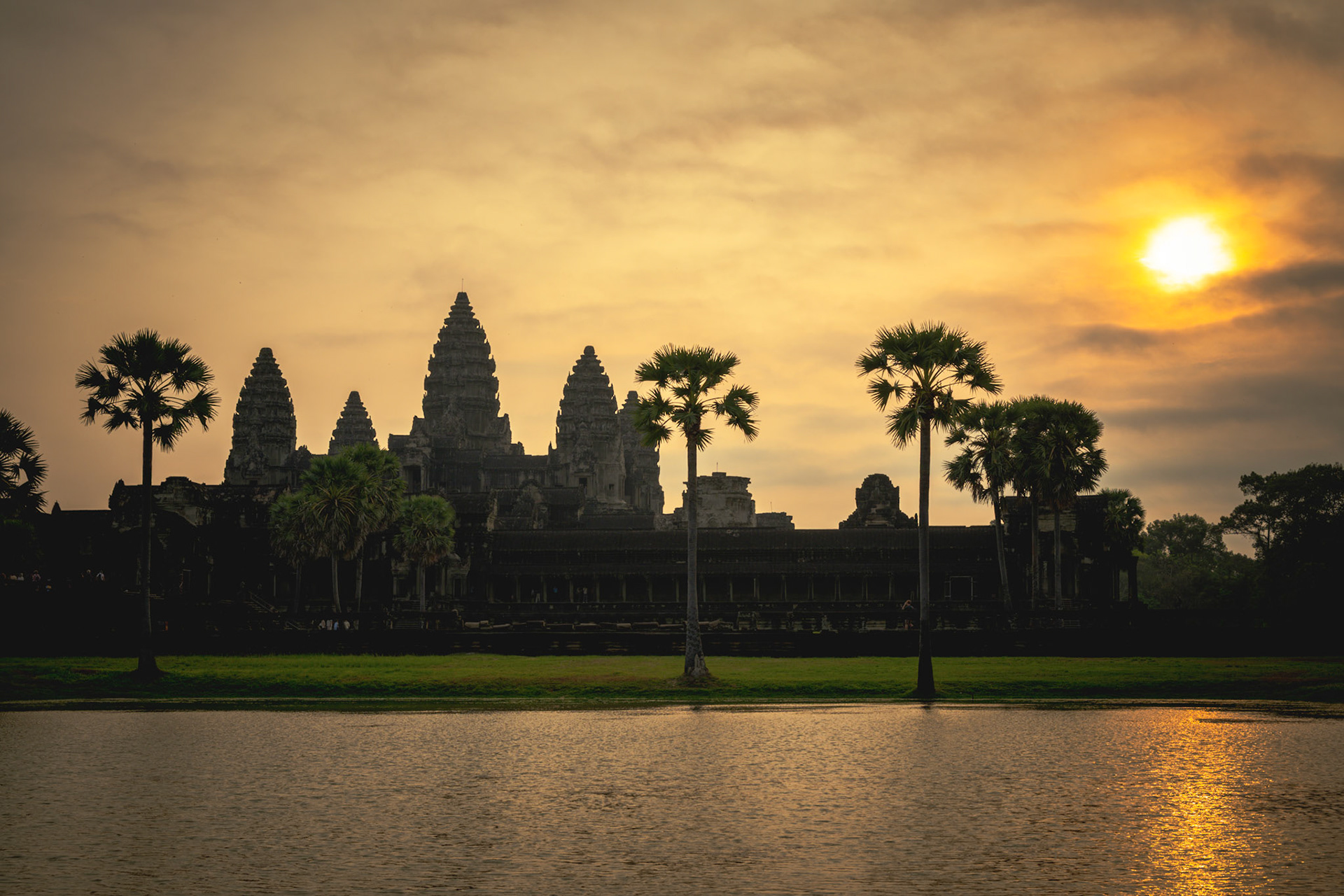
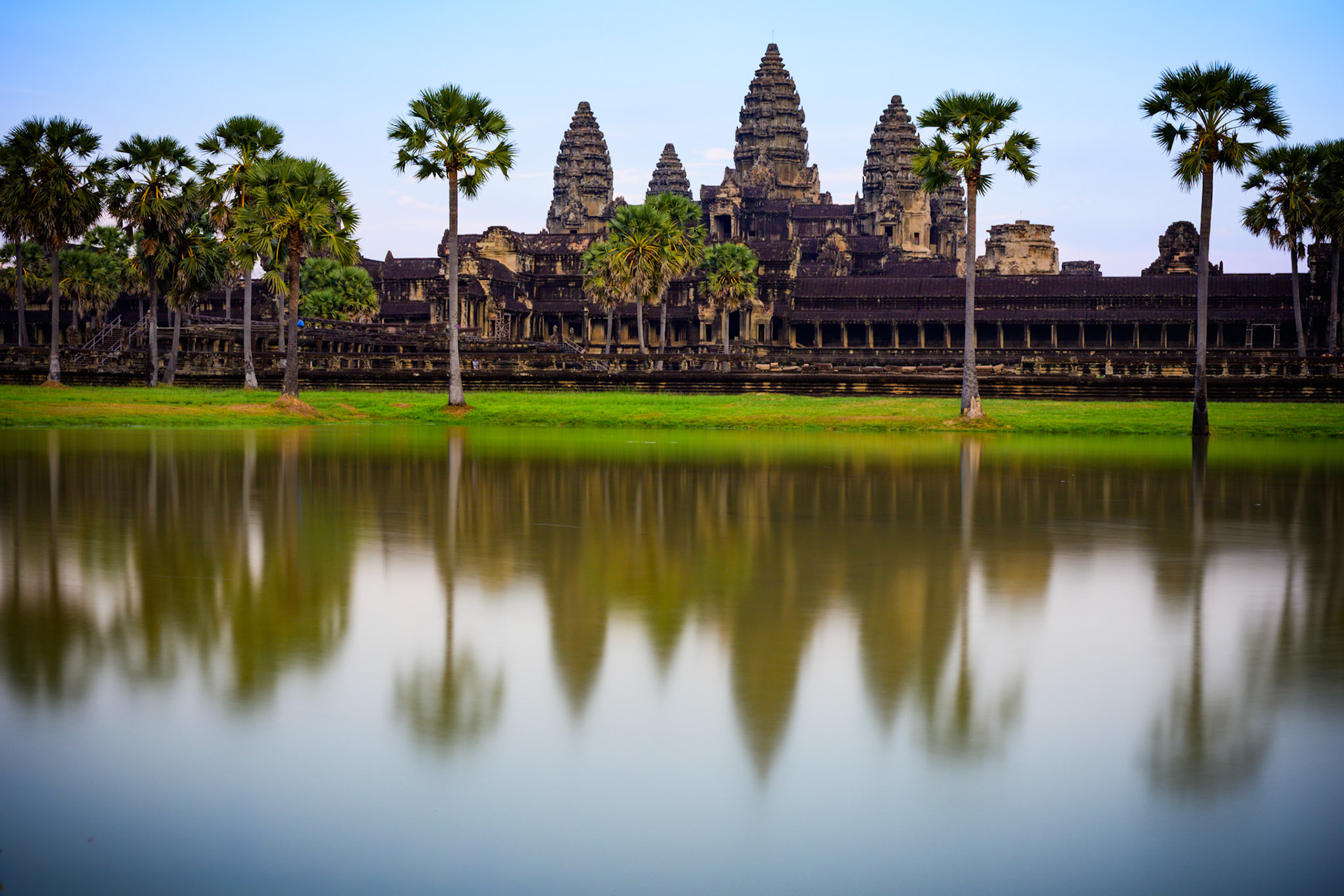
Before heading off to see a film about the temples, we got a Grab (like Uber) tuktuk about 3 miles north of the hotel to the Angkor Wat temple complex to watch the sun going down over the moat, before getting another Grab tuktuk back to the hotel.
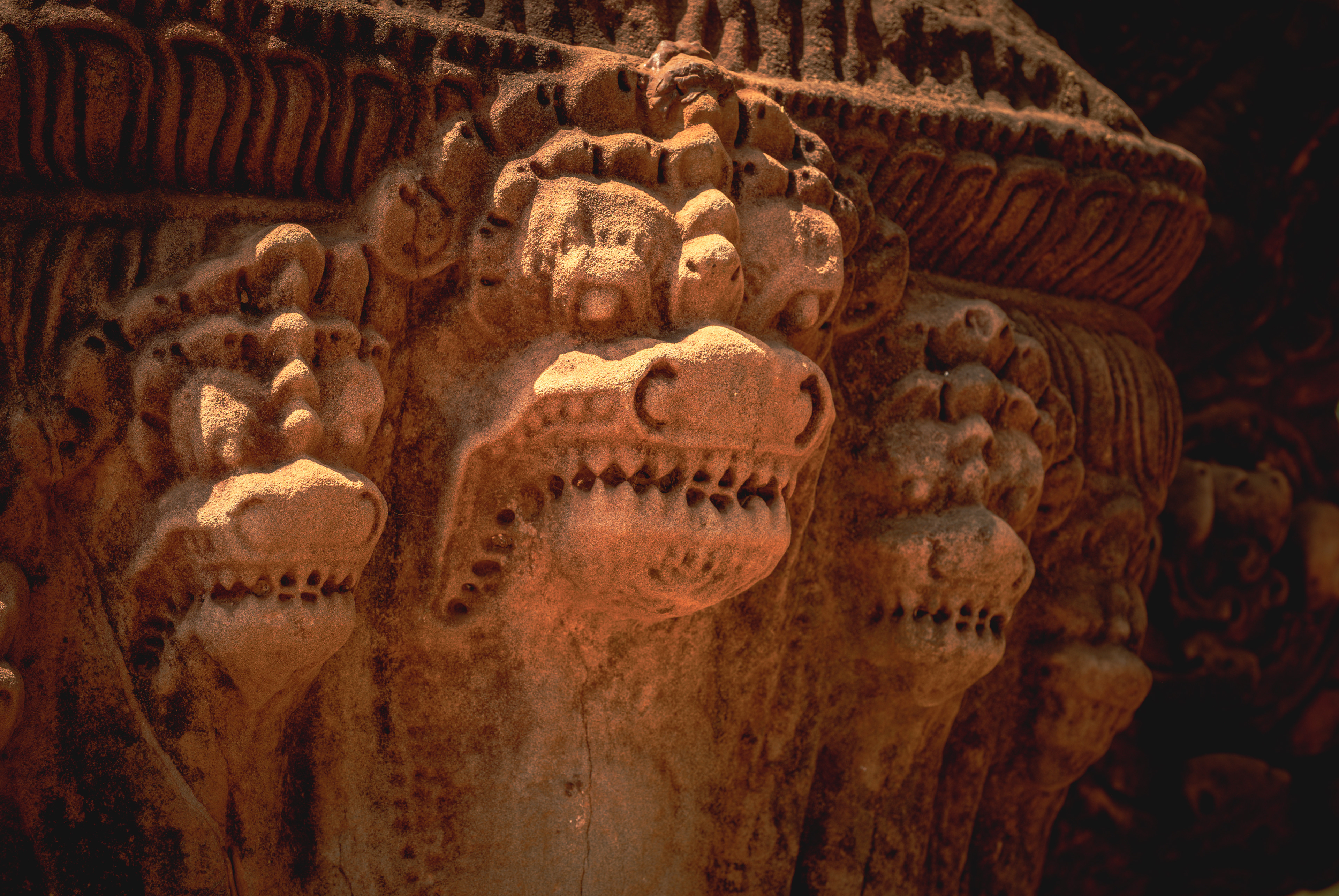
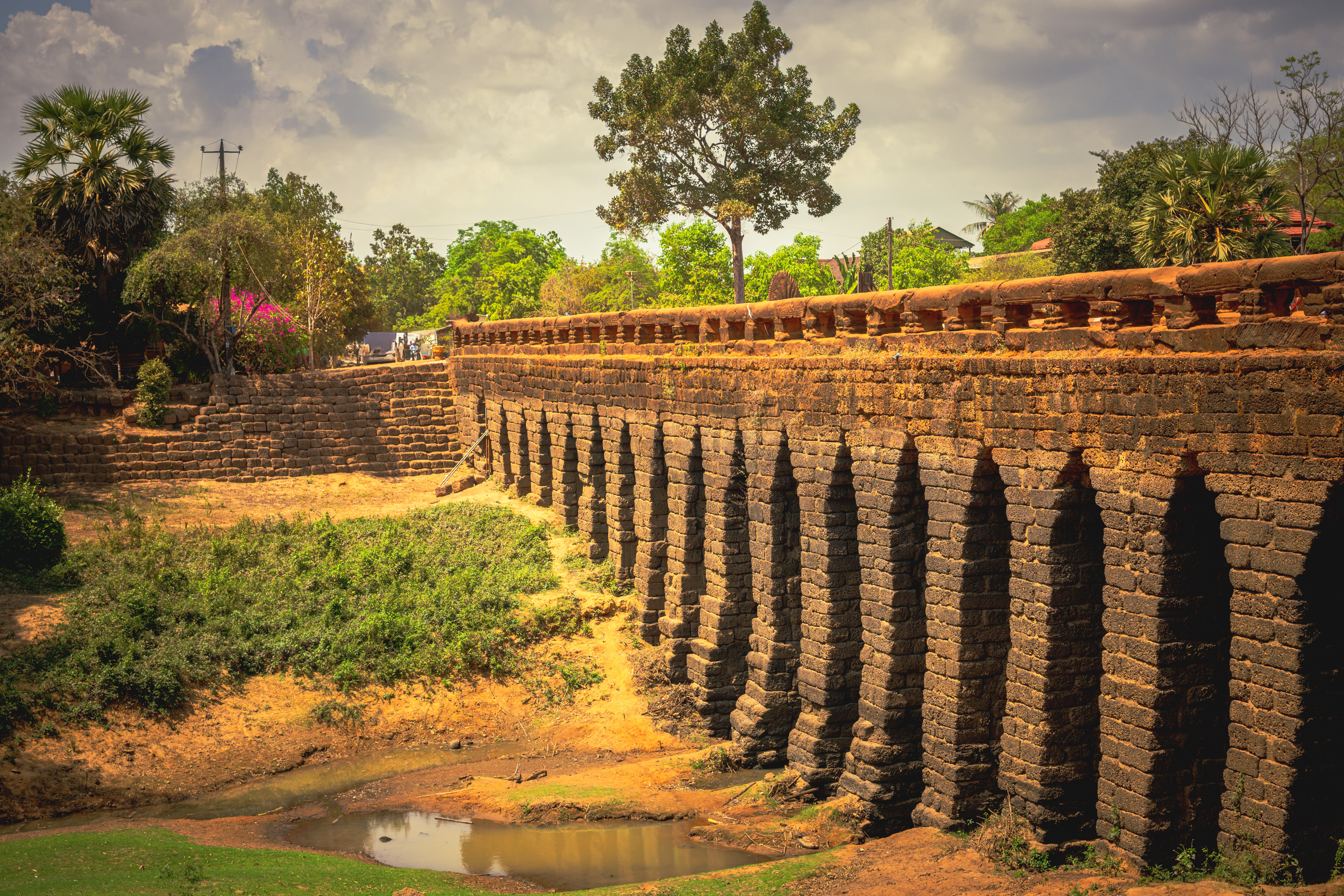
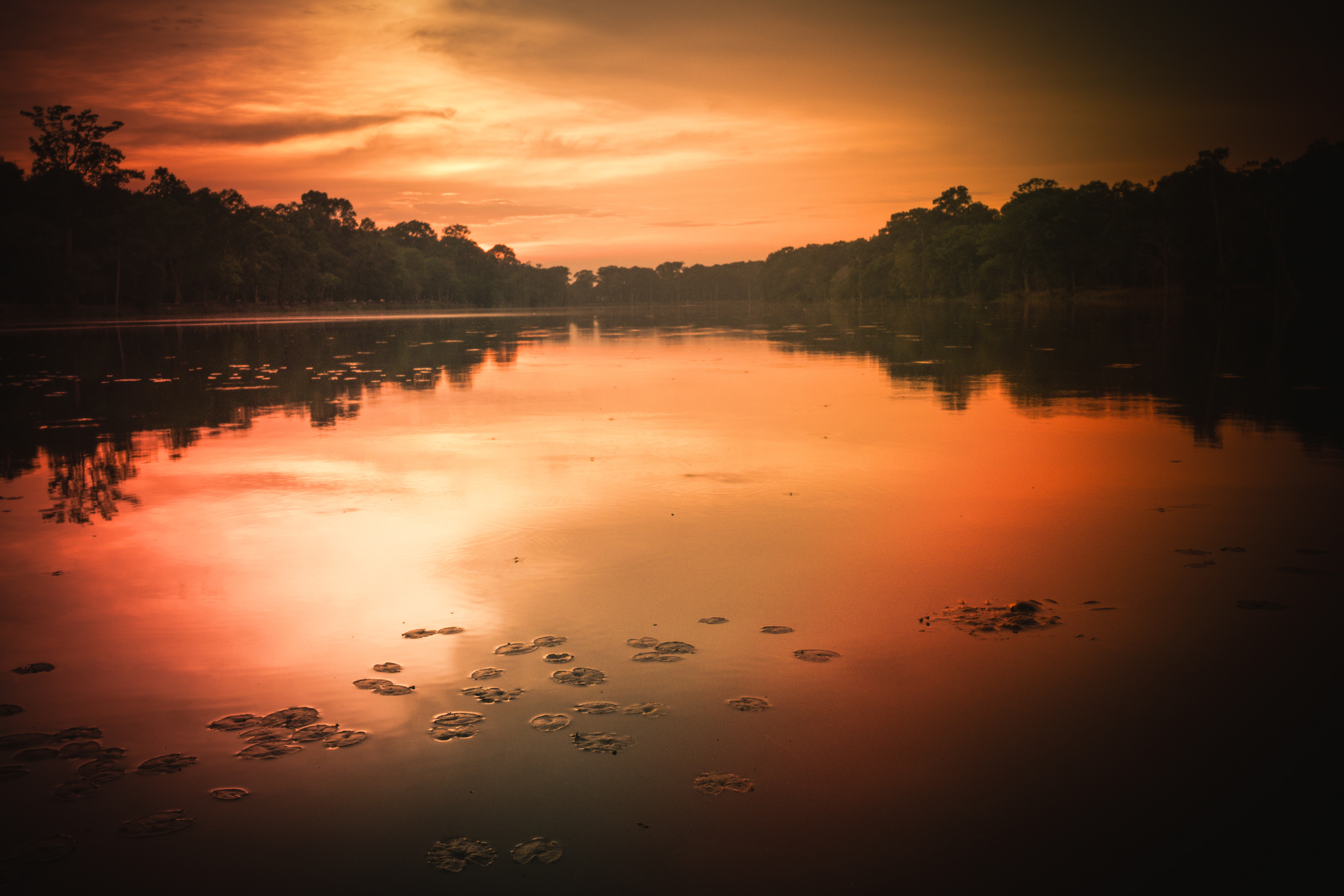
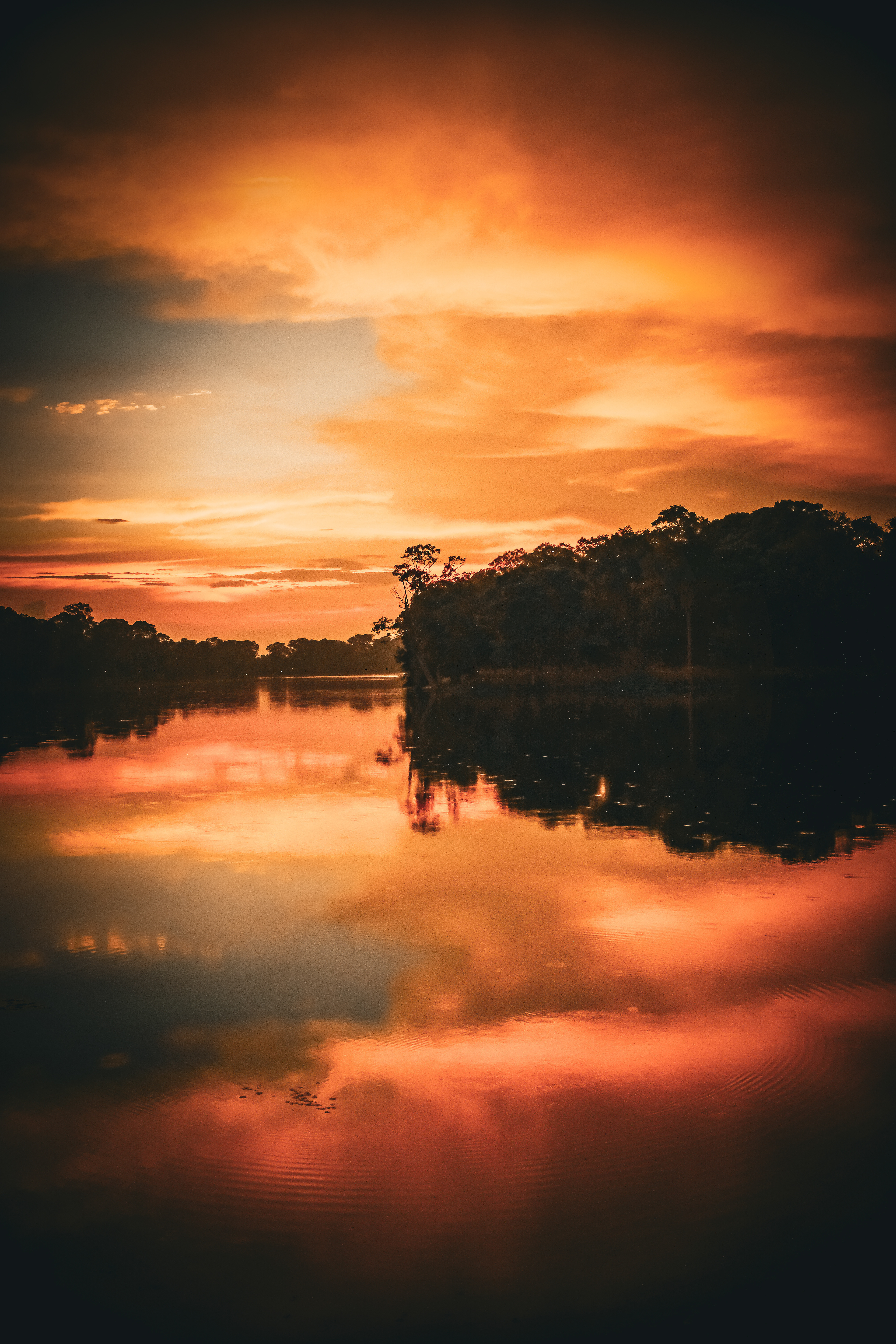
Today we had a reasonably early start to go and visit some temples by bike.
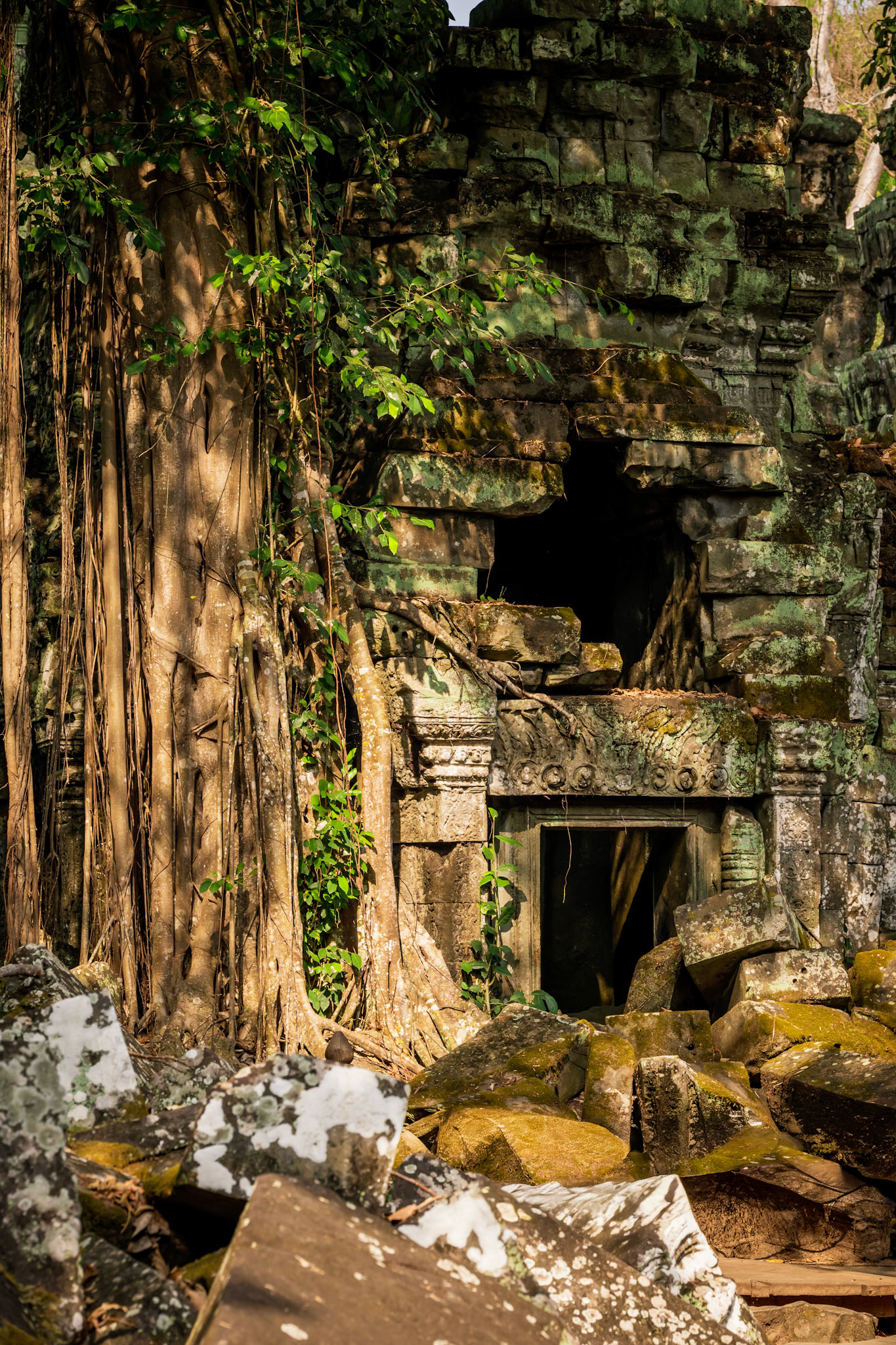
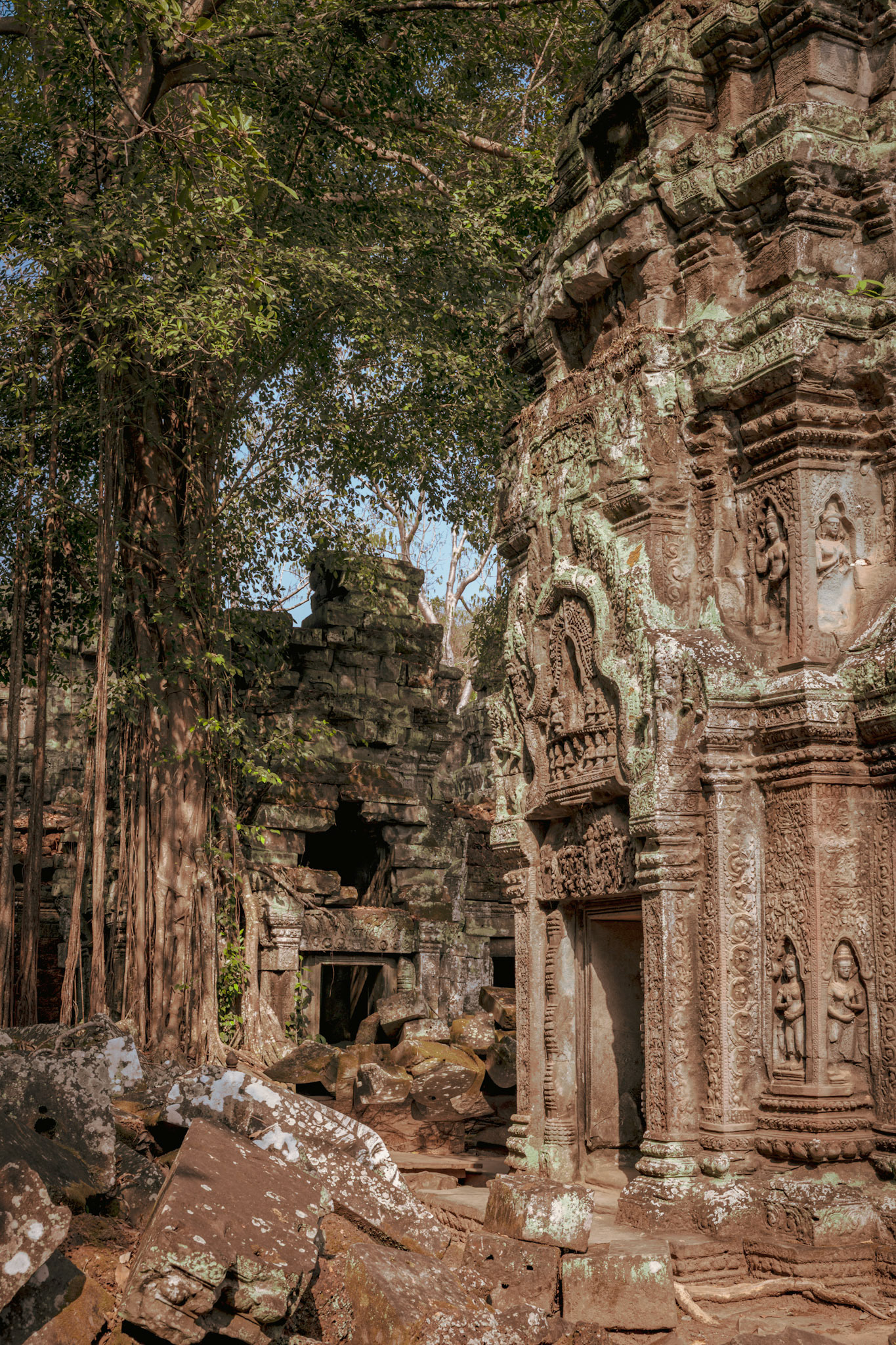
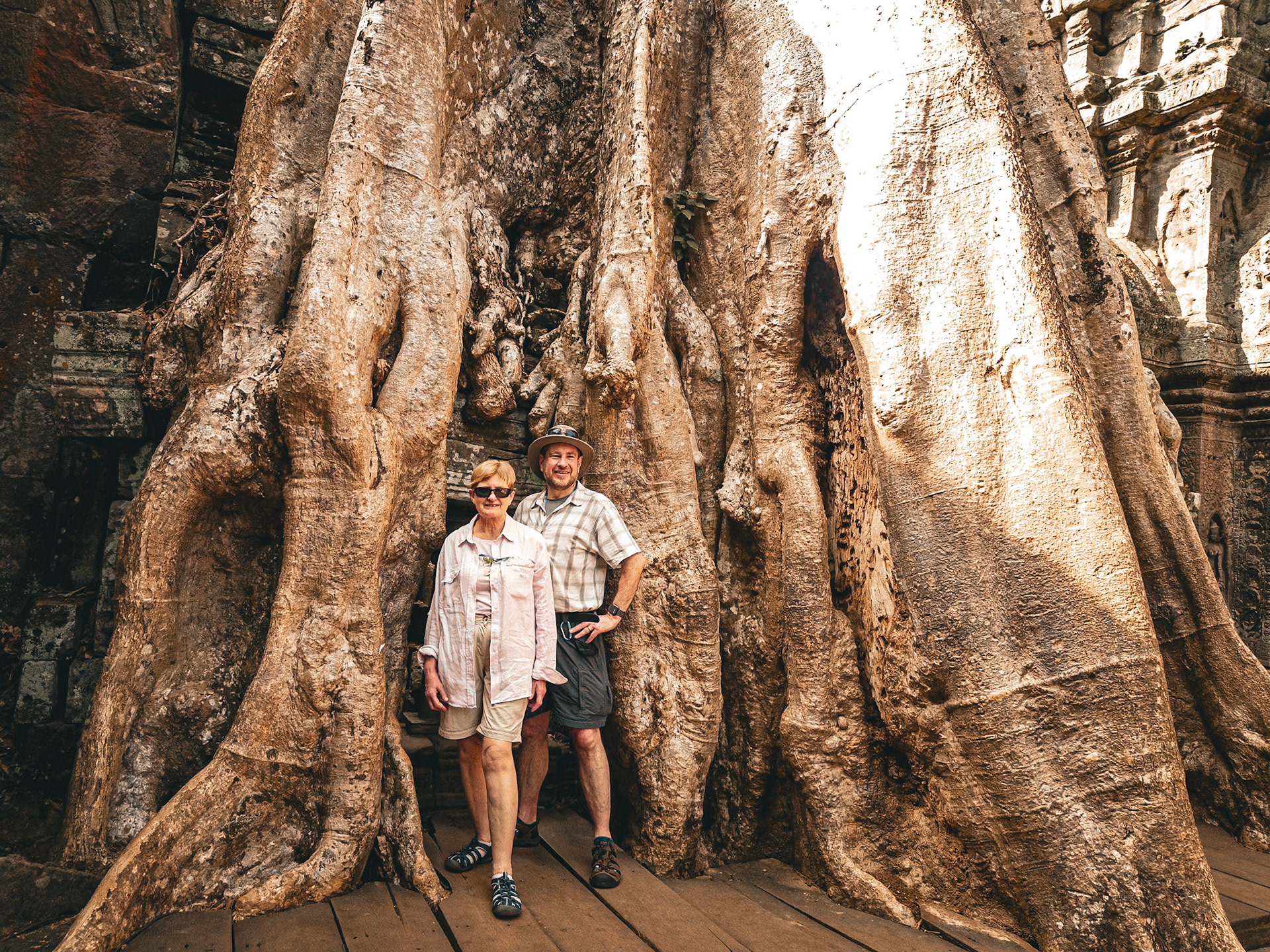
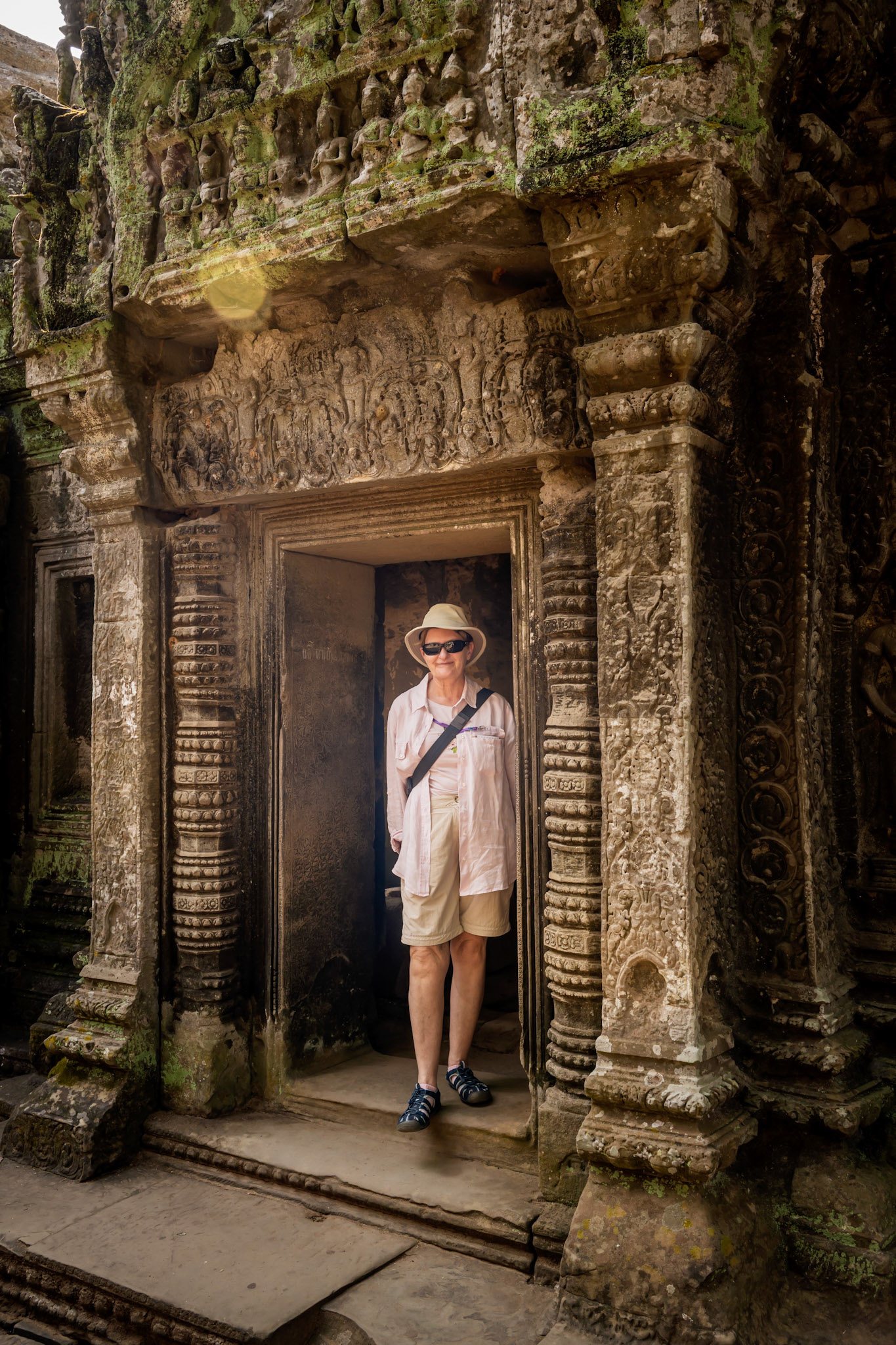
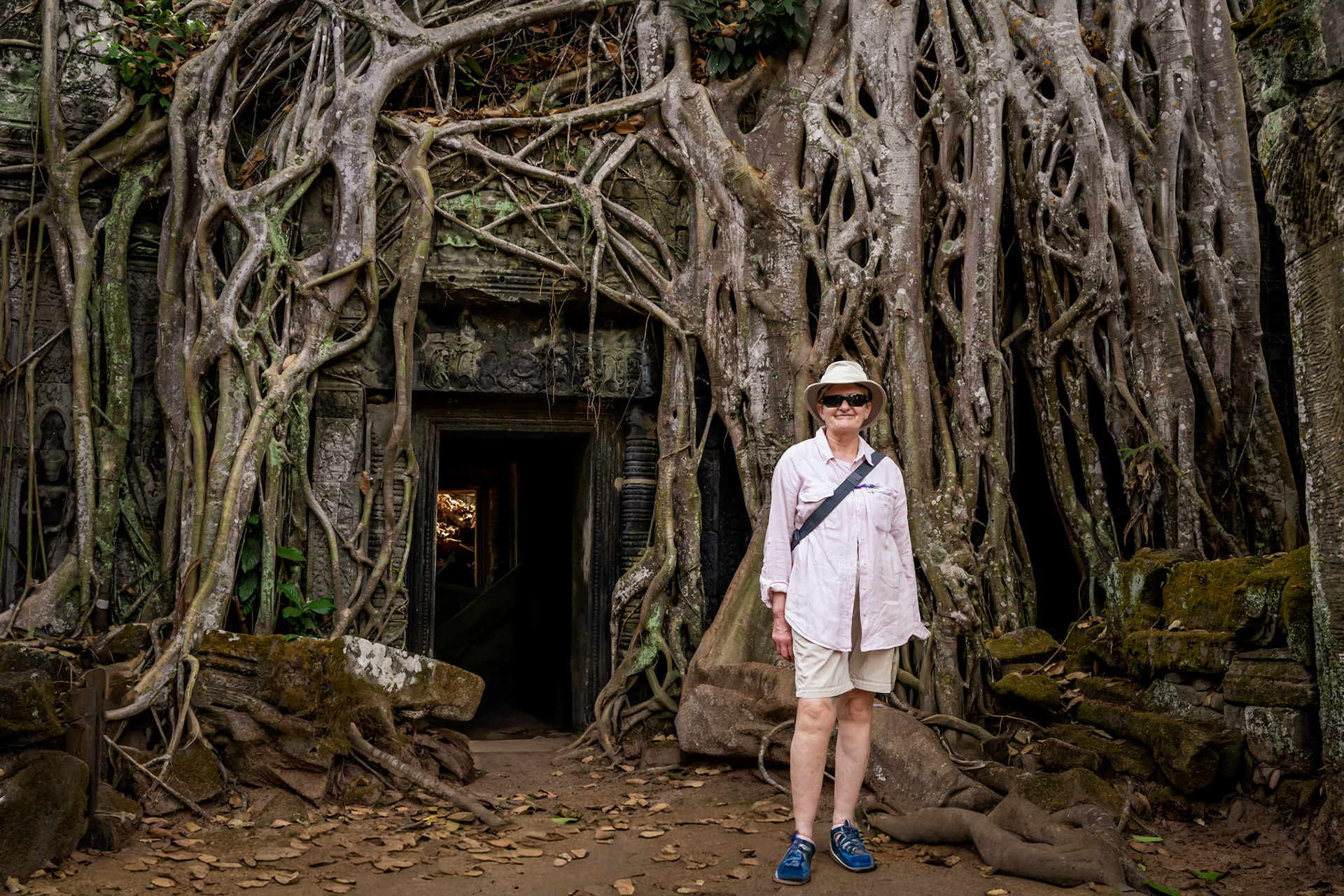
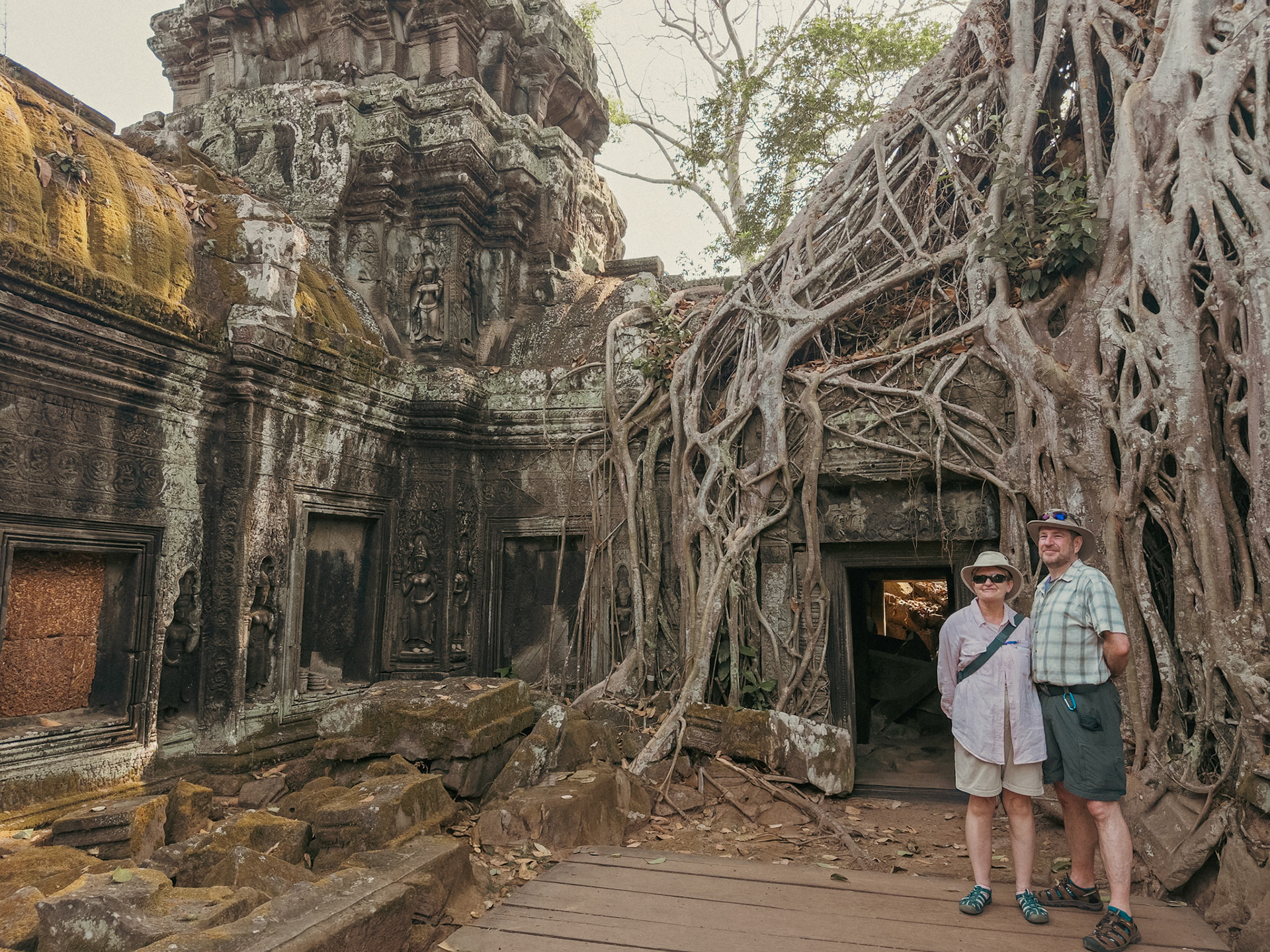
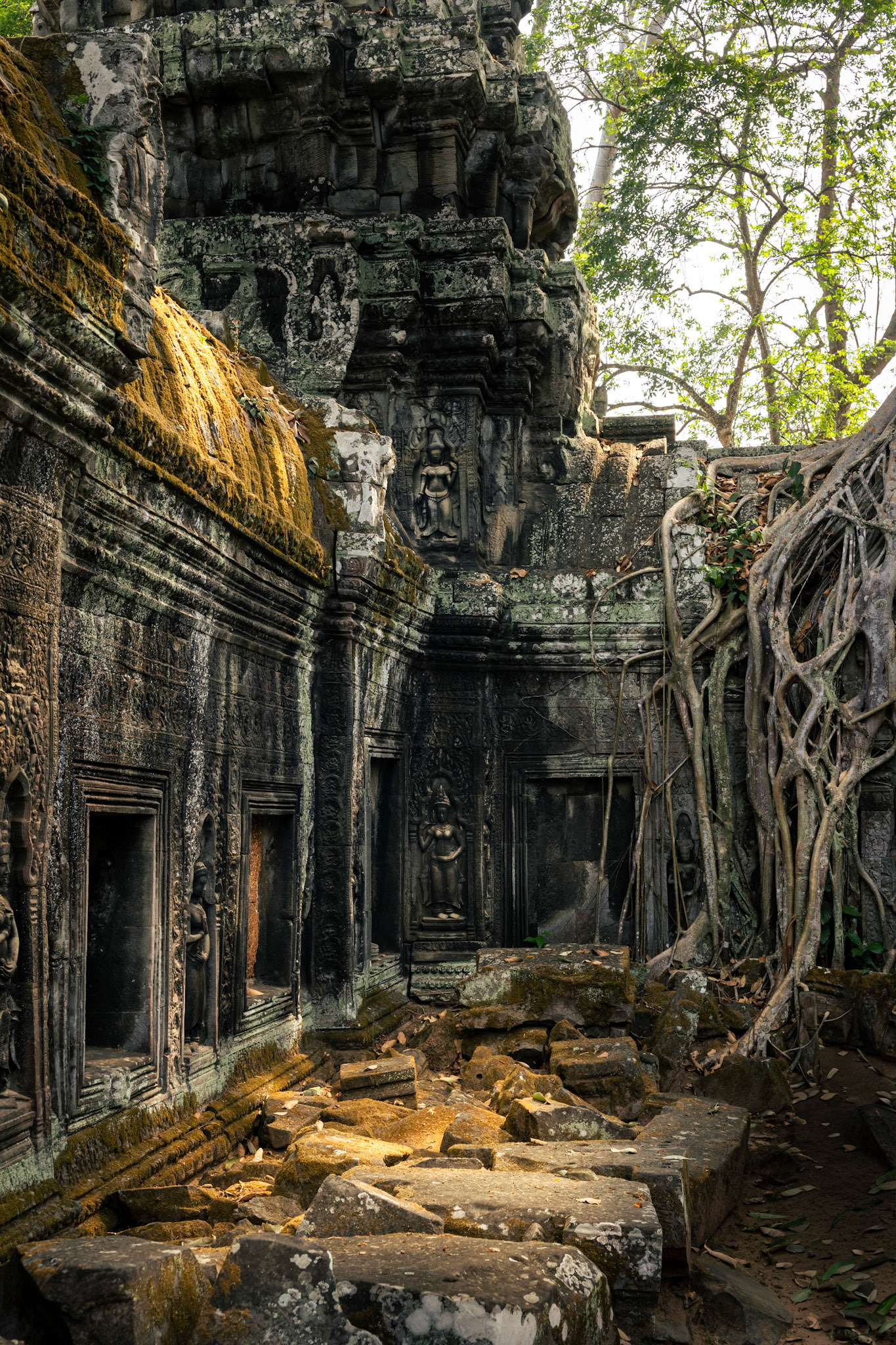
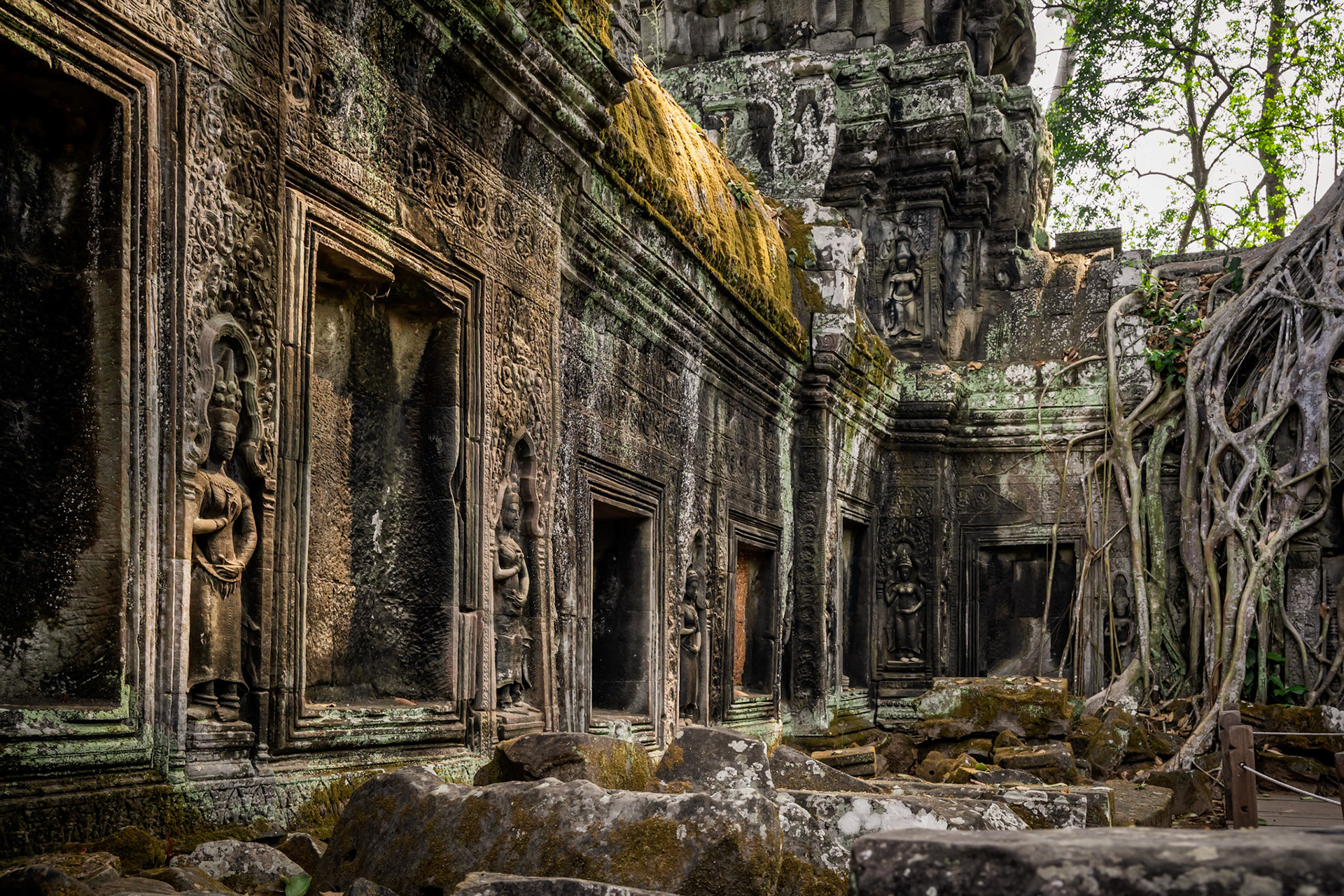
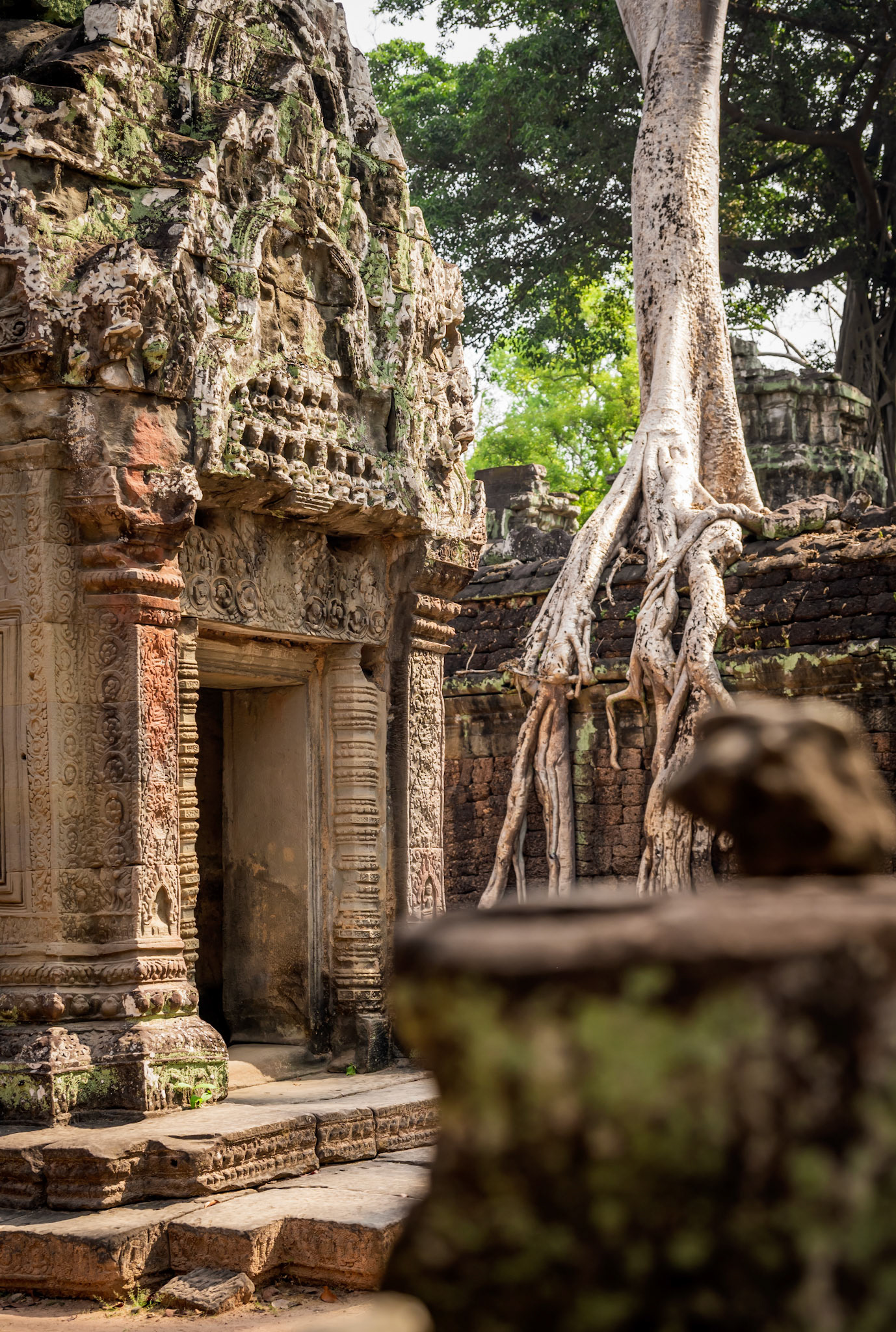
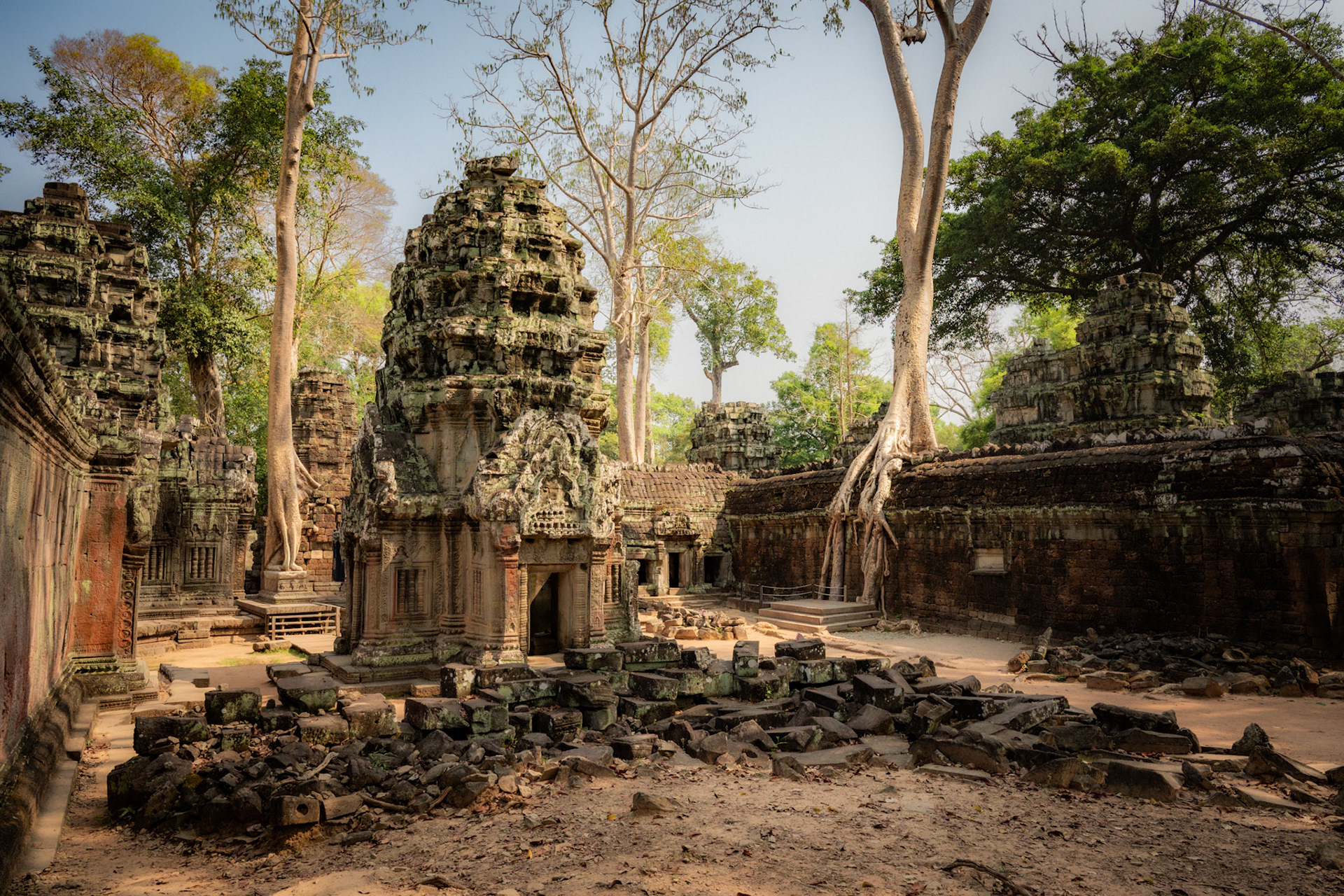
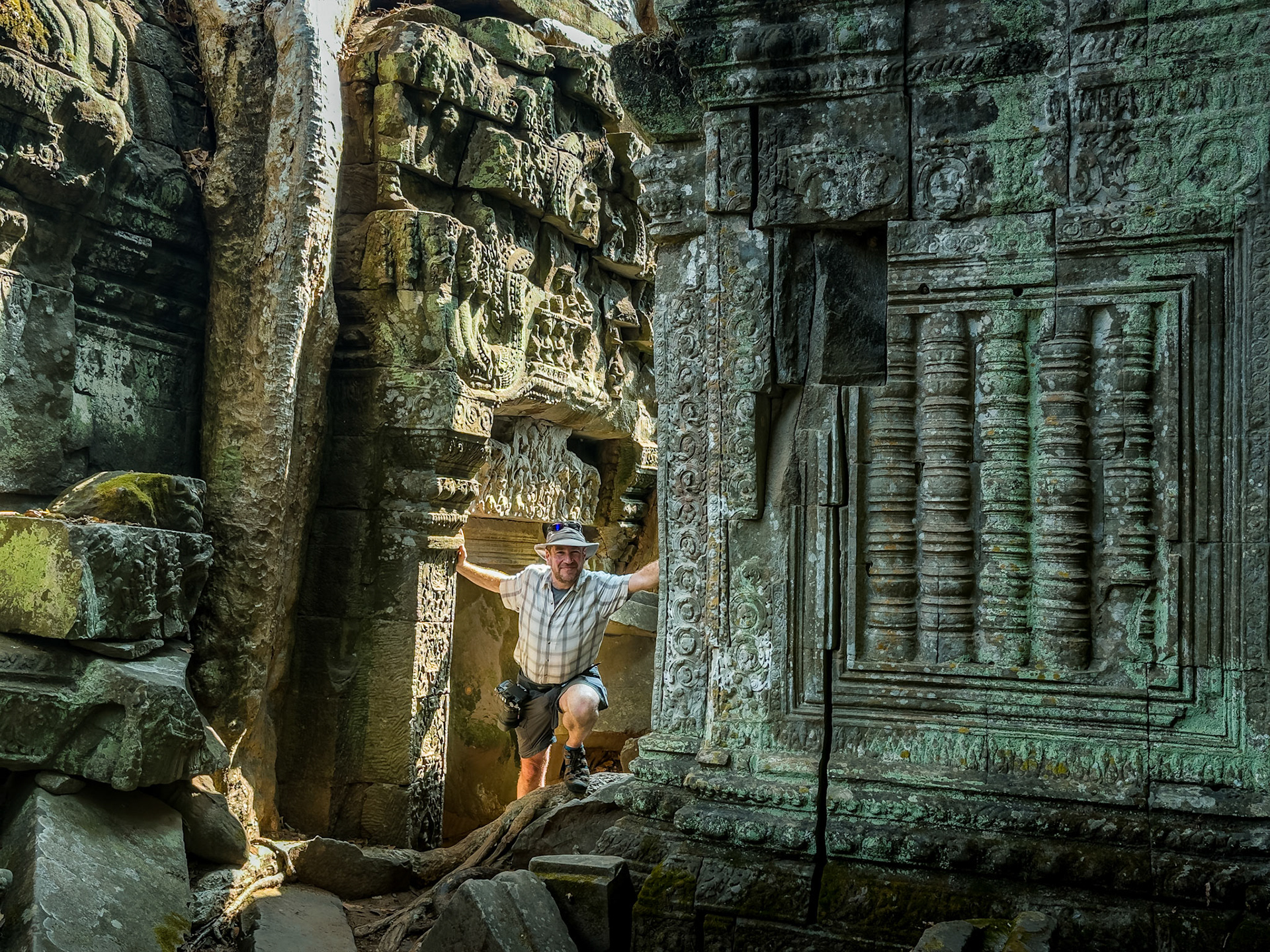
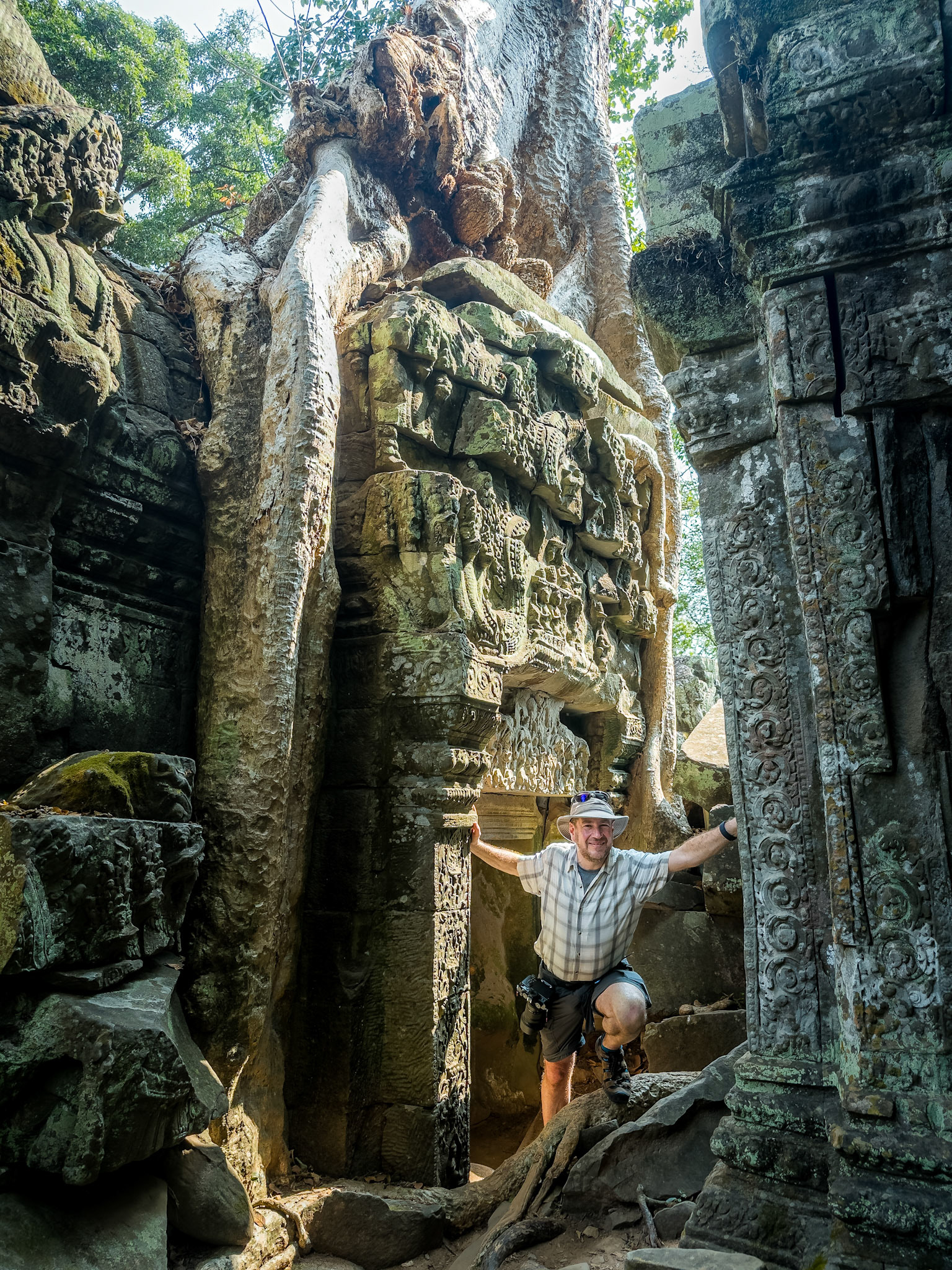
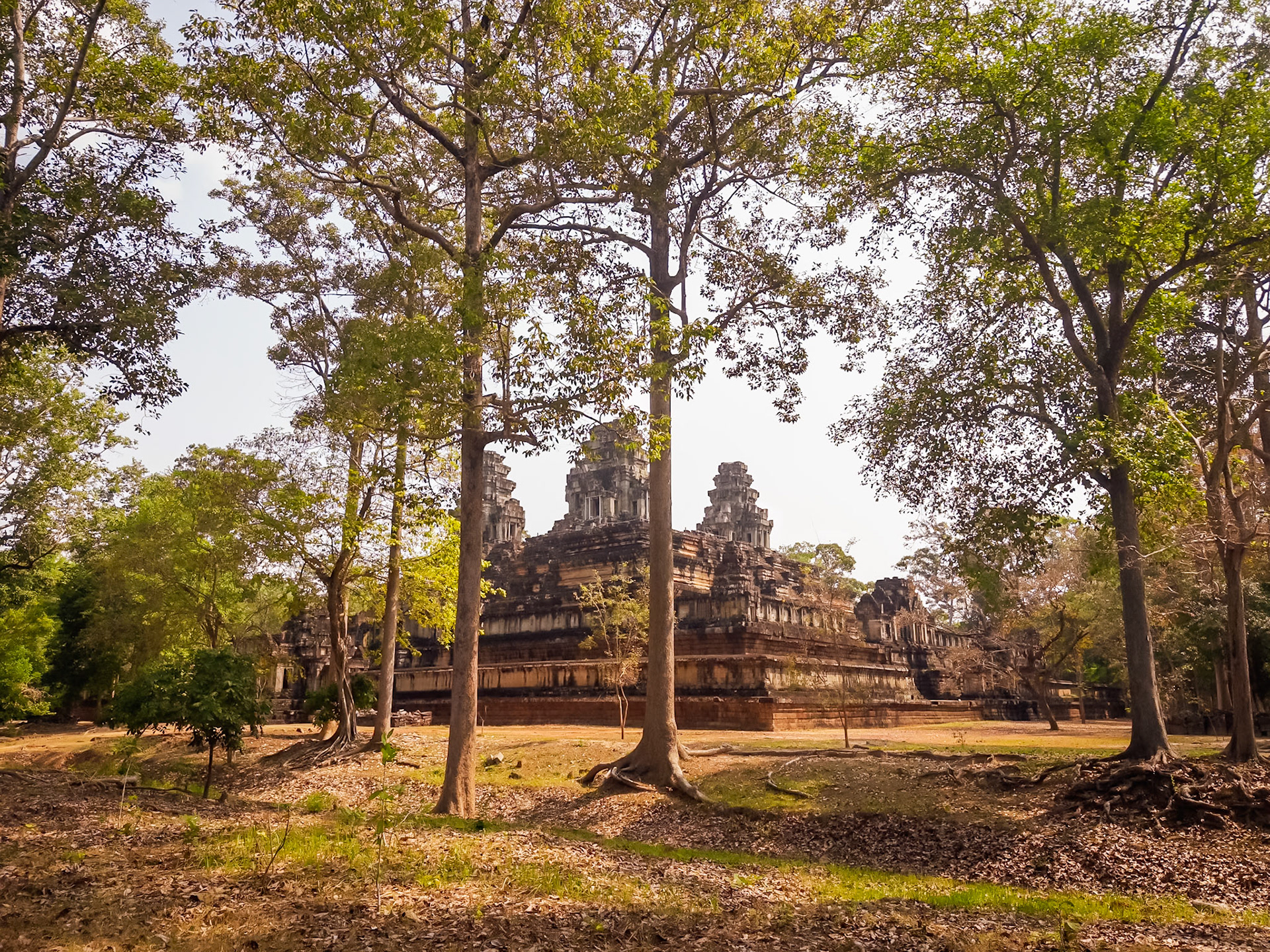
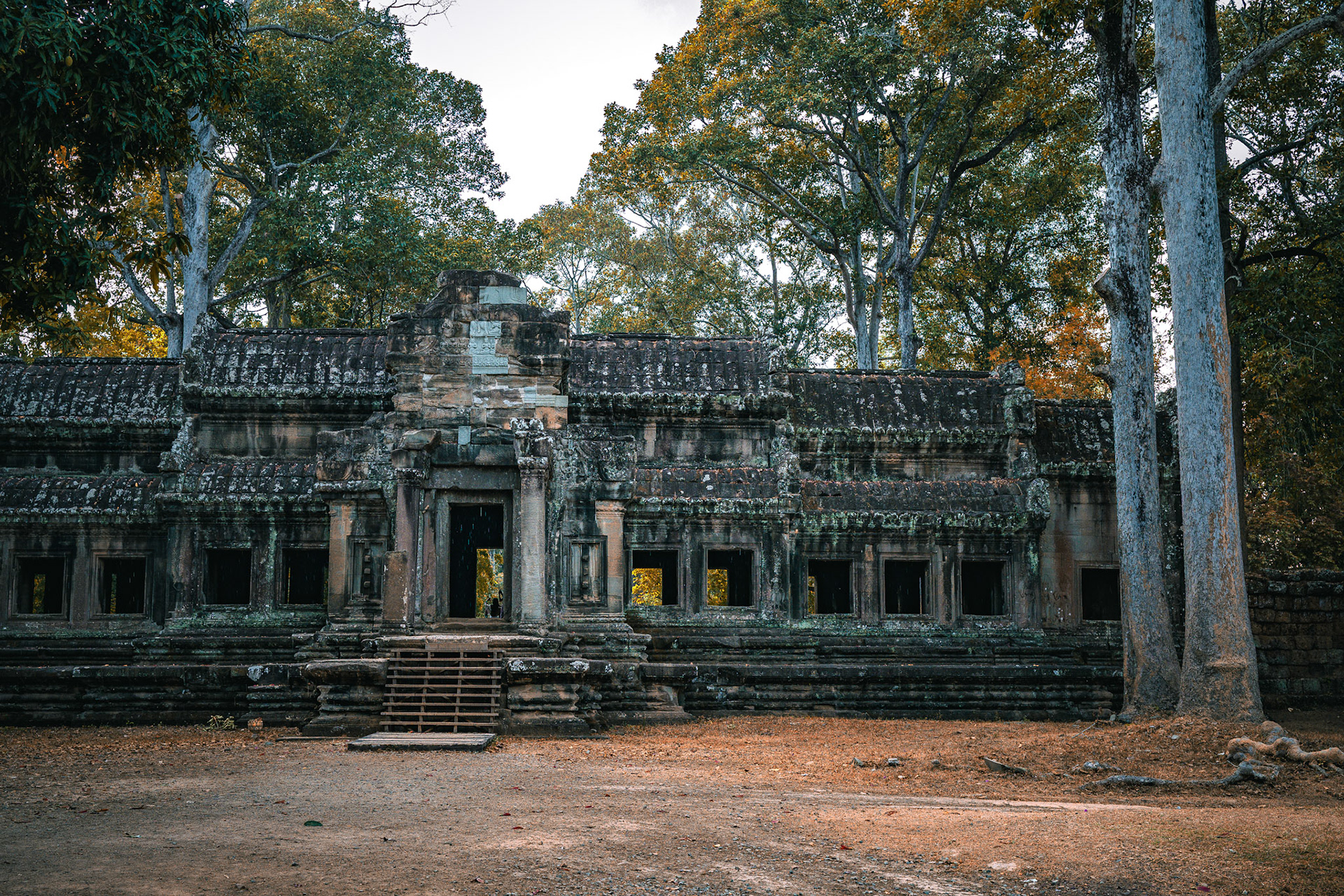
After driving to pick up the bikes, we drove through the forest to stop at Ta Prohm temple, best known from Tomb Raider with massive silk-cotton trees that have seeded on top of the temple, and whose roots grow down over the walls and into the structure. The temple was built towards the end of the 12th century.
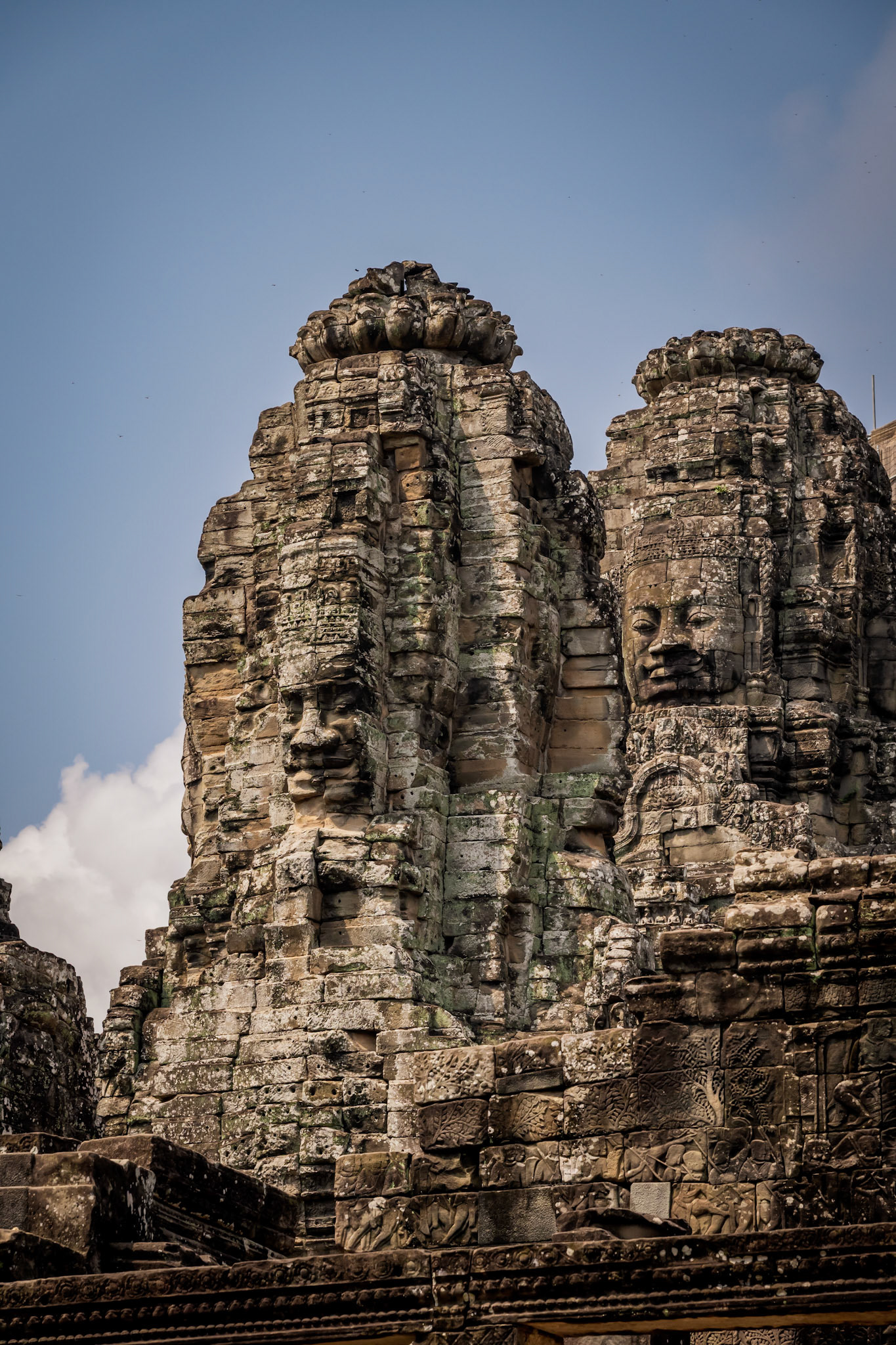
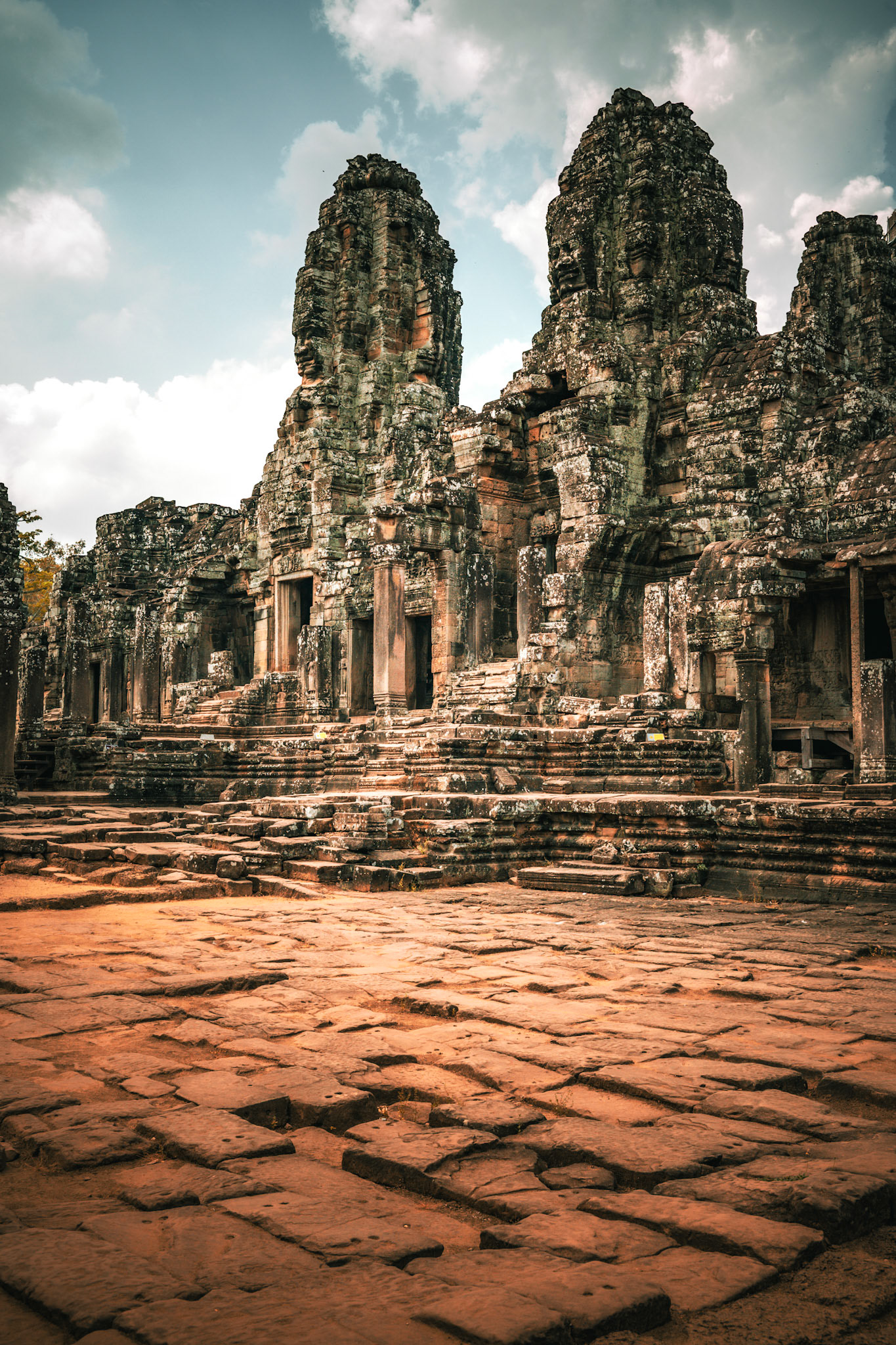
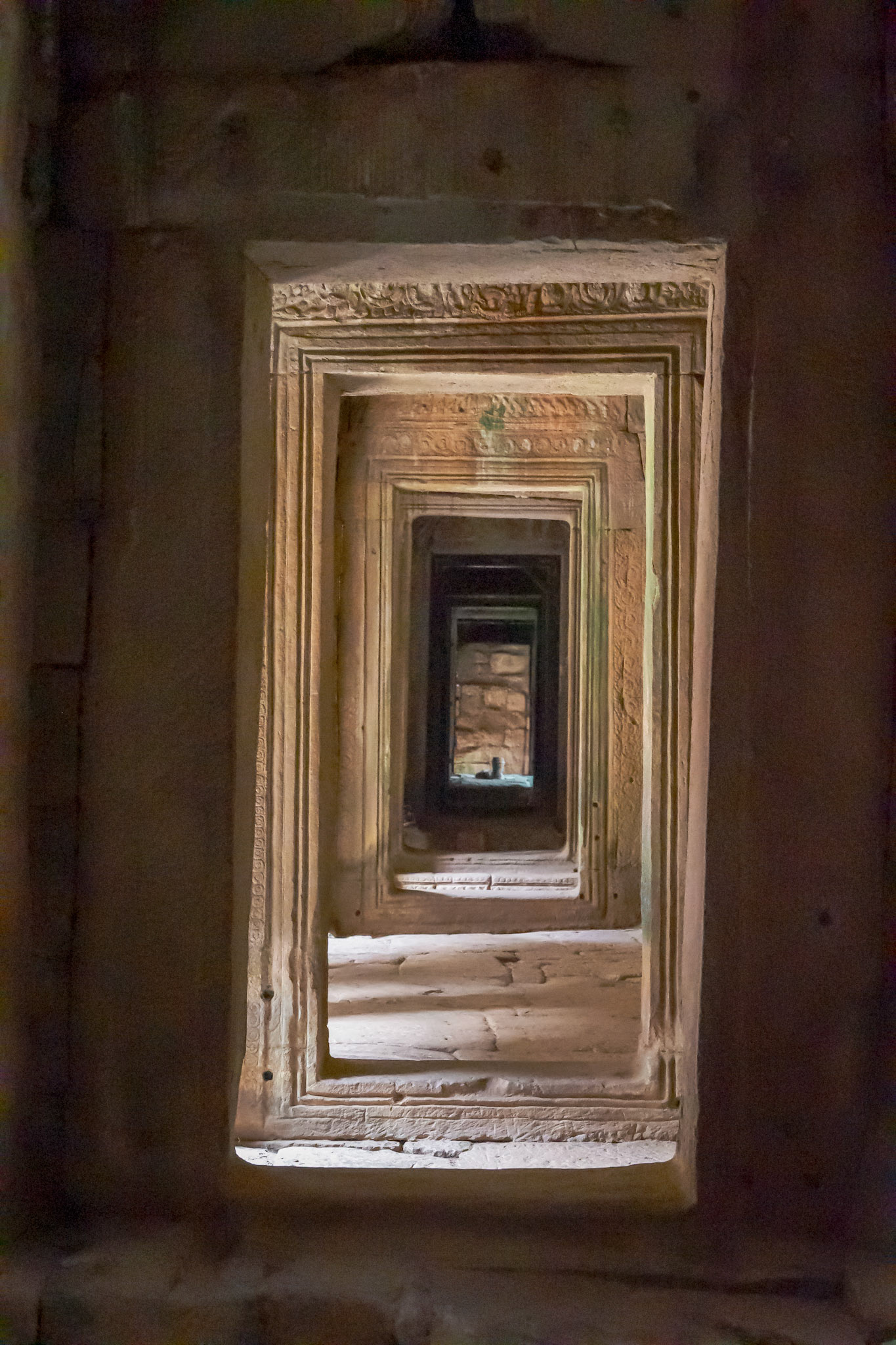
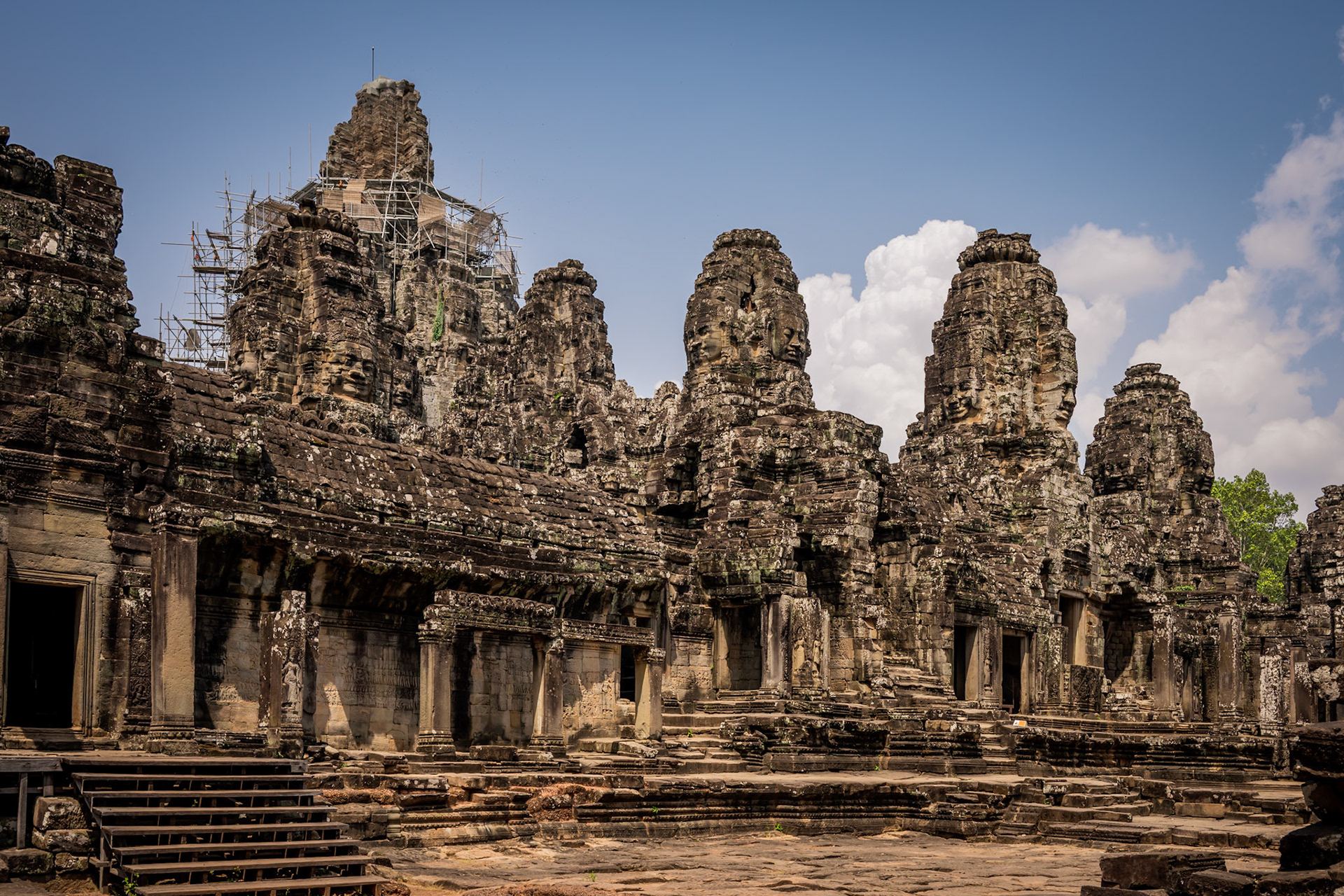
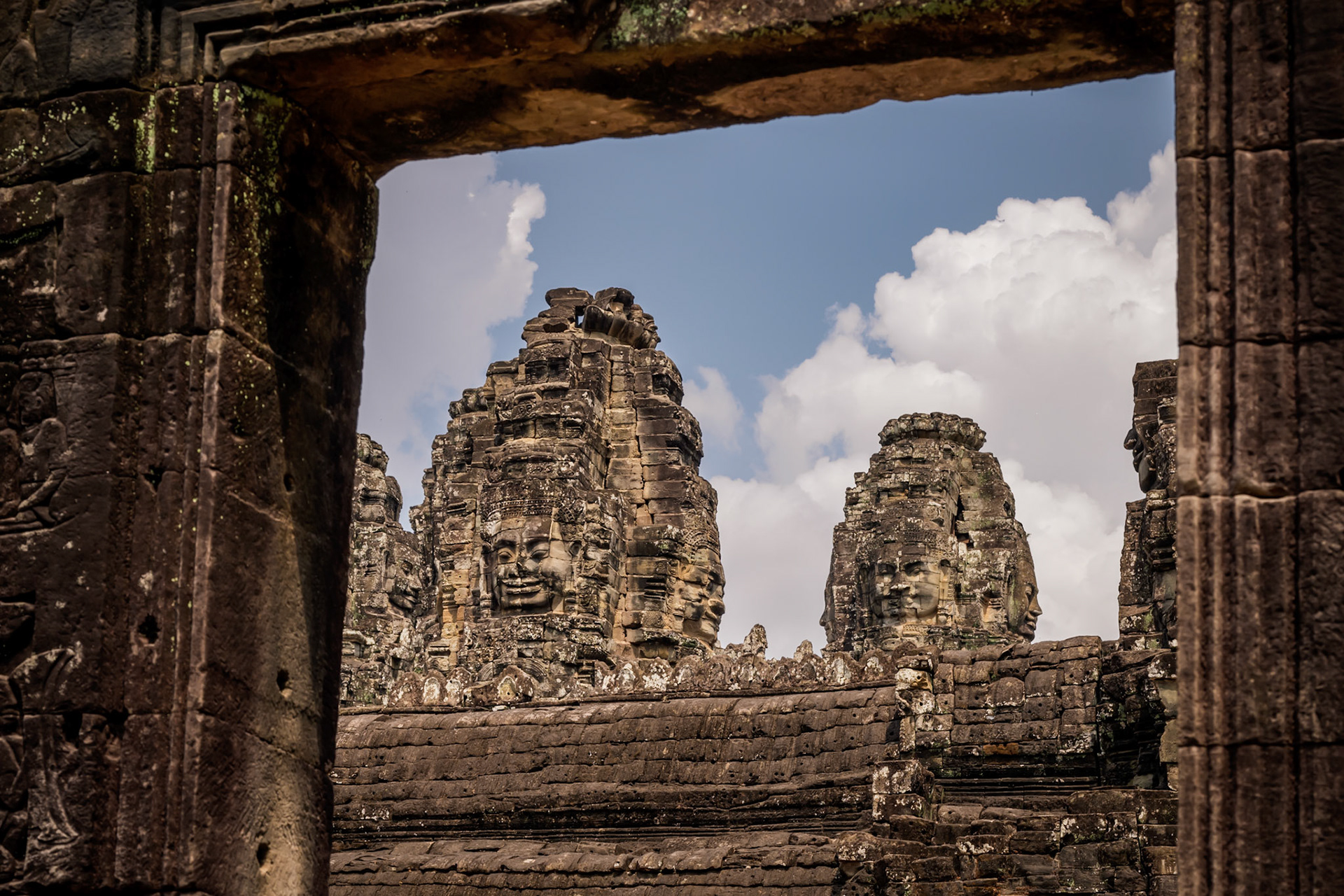
We continued riding our E-bikes to a number of other temples, including the Bayon temple which is in the centre of the old capital city of Amgkor Thom, and also rode our bikes along the 10 m high wall of the city built from mud excavated to form the surrounding moat, and blocks of stone each weighing around 600 kg.
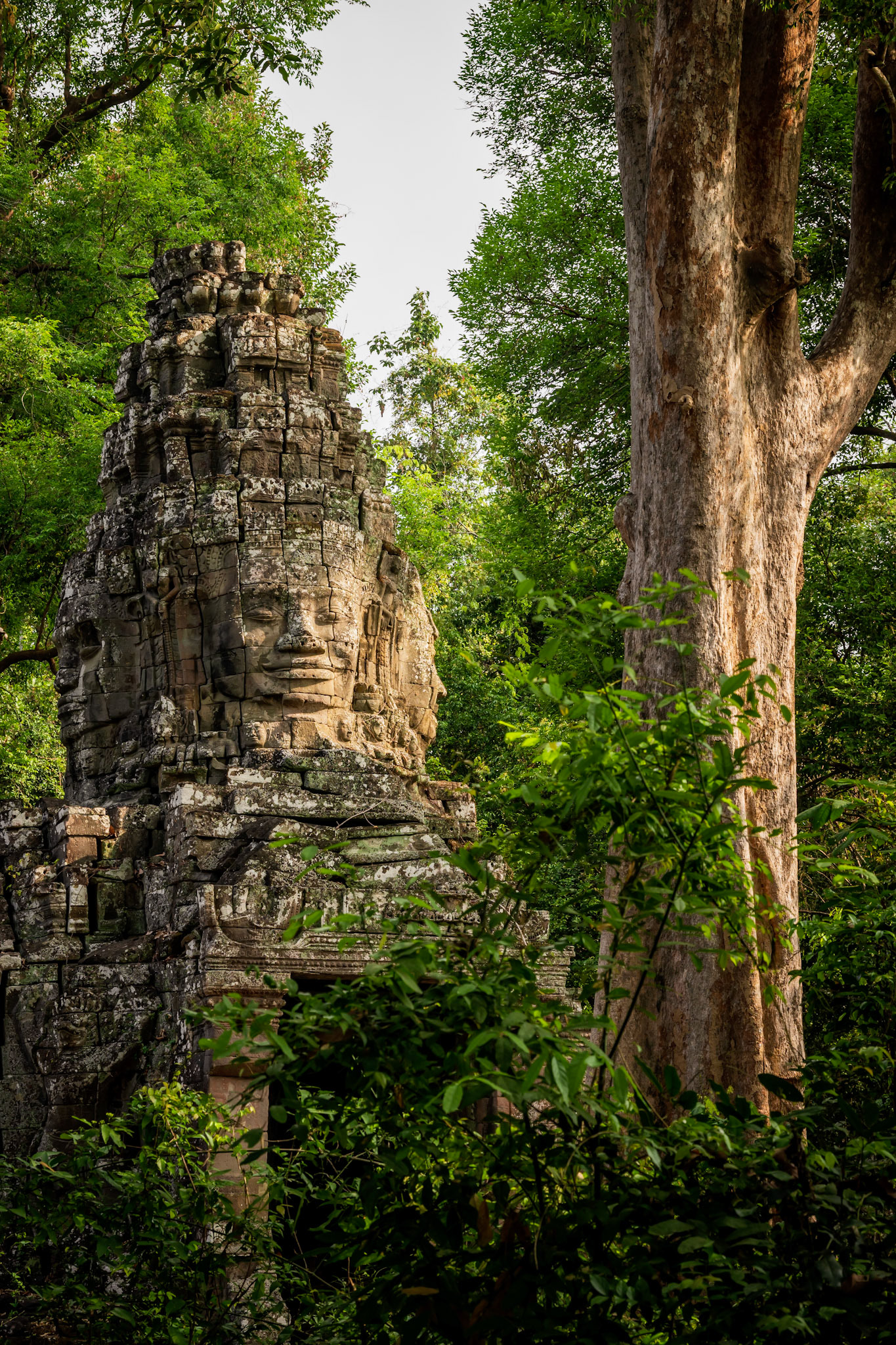
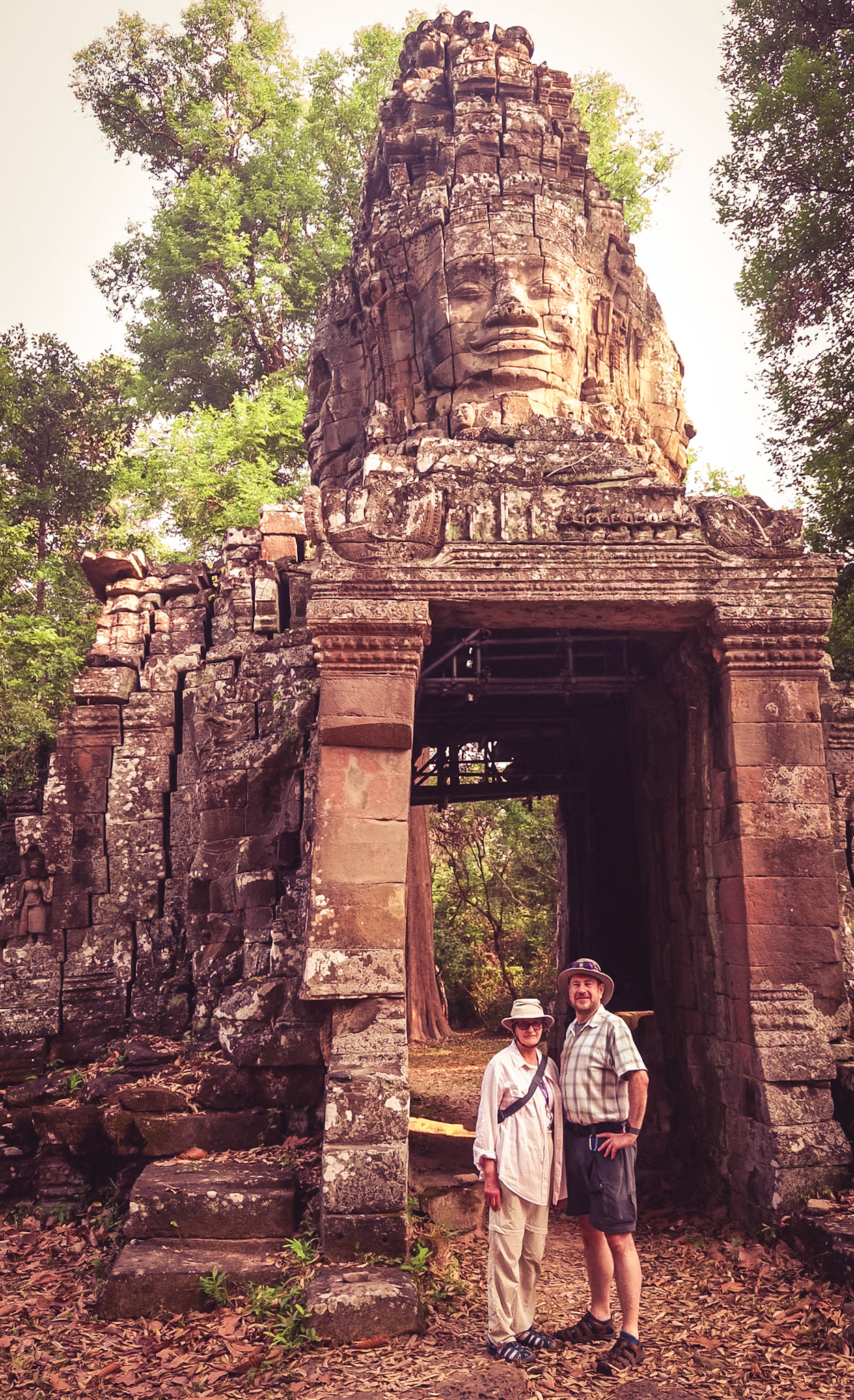
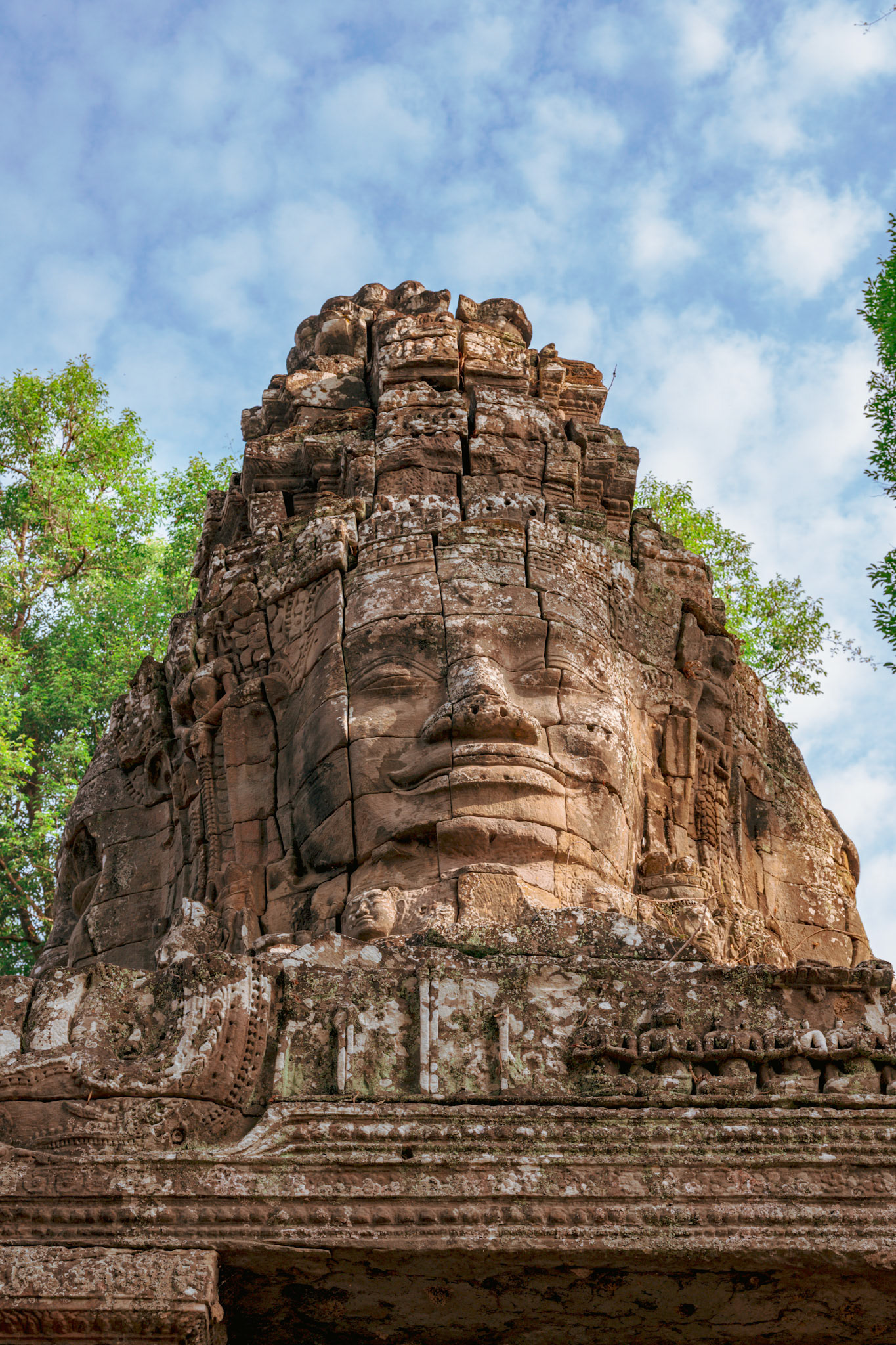
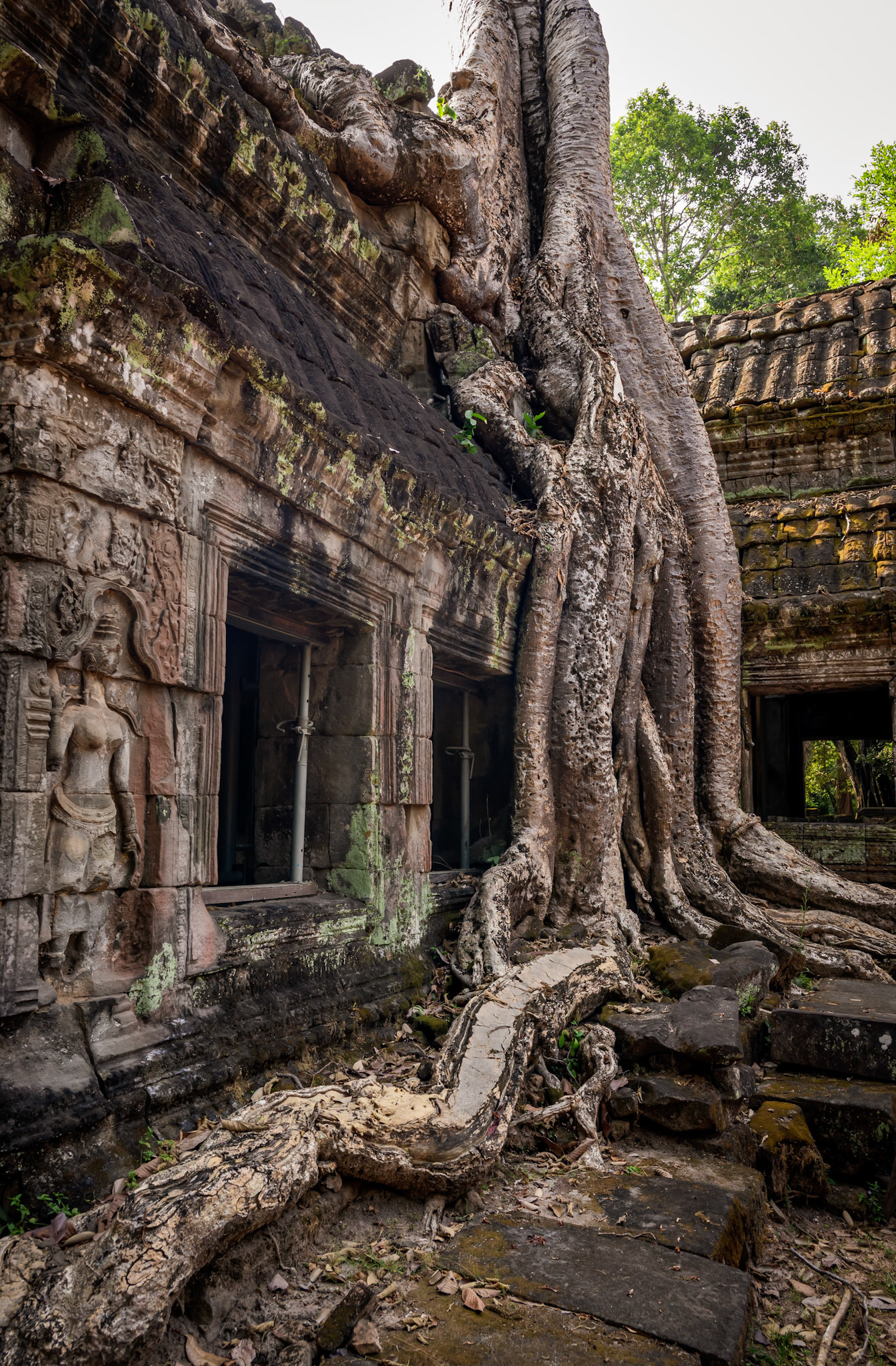
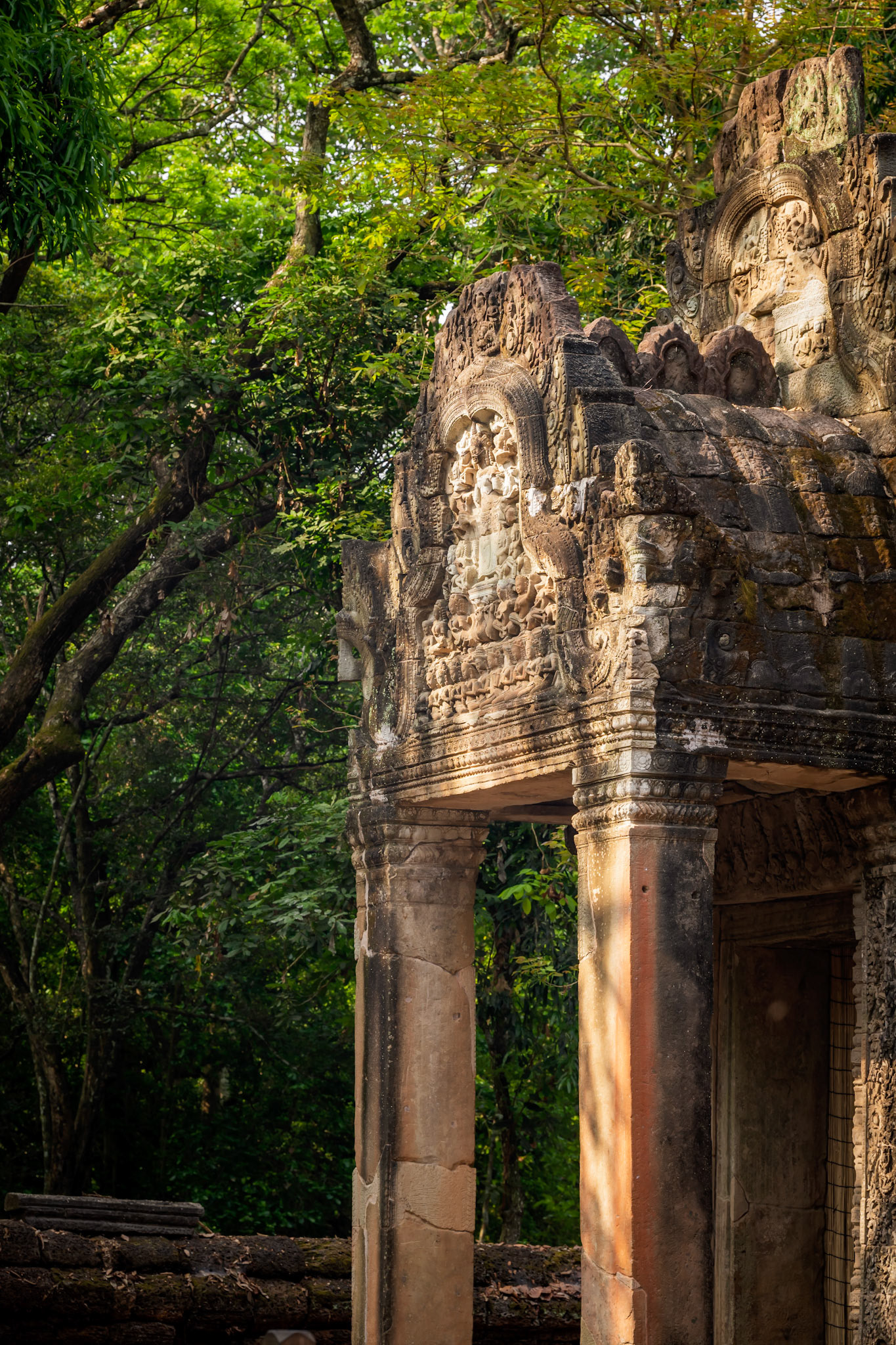
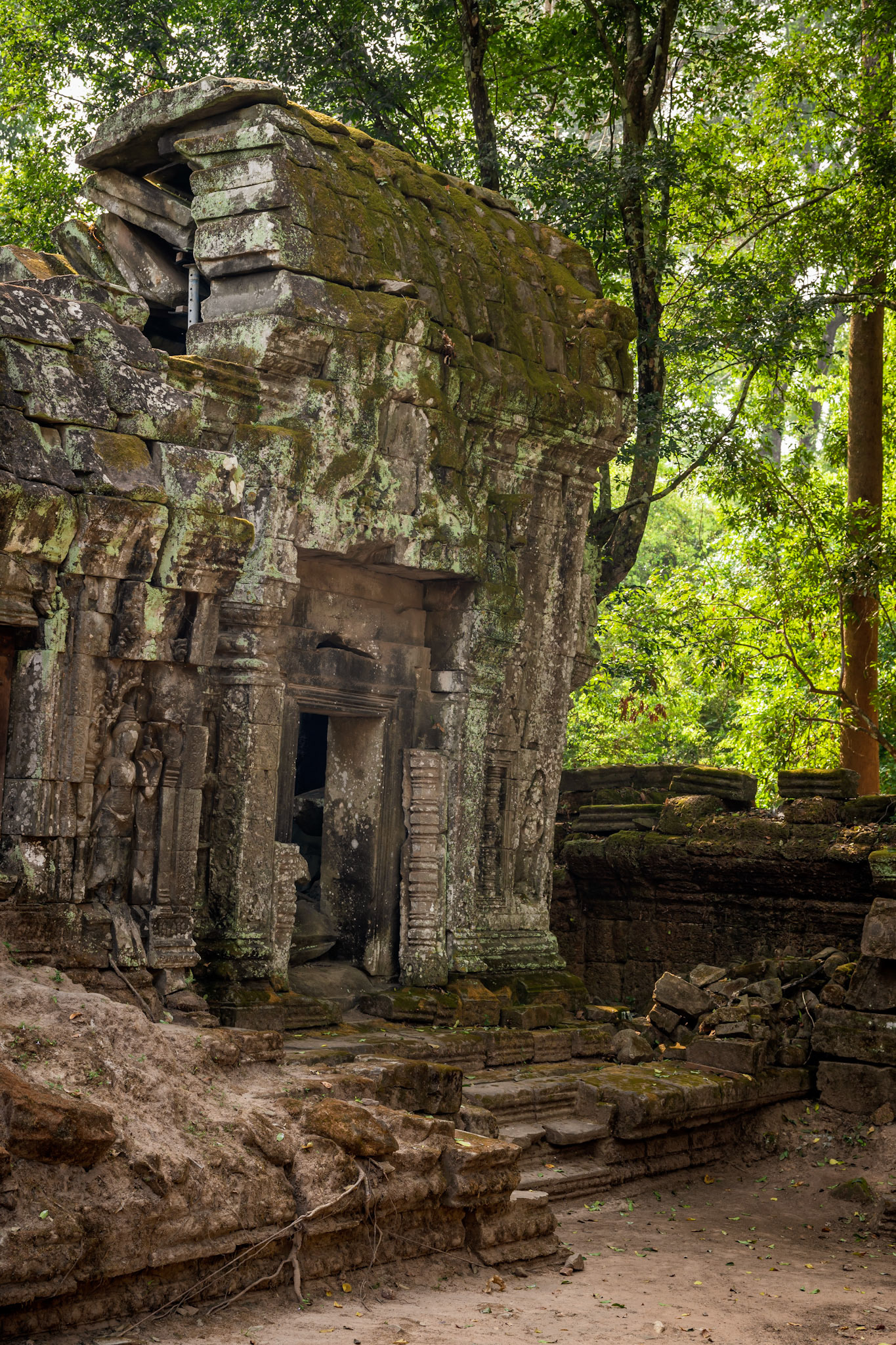
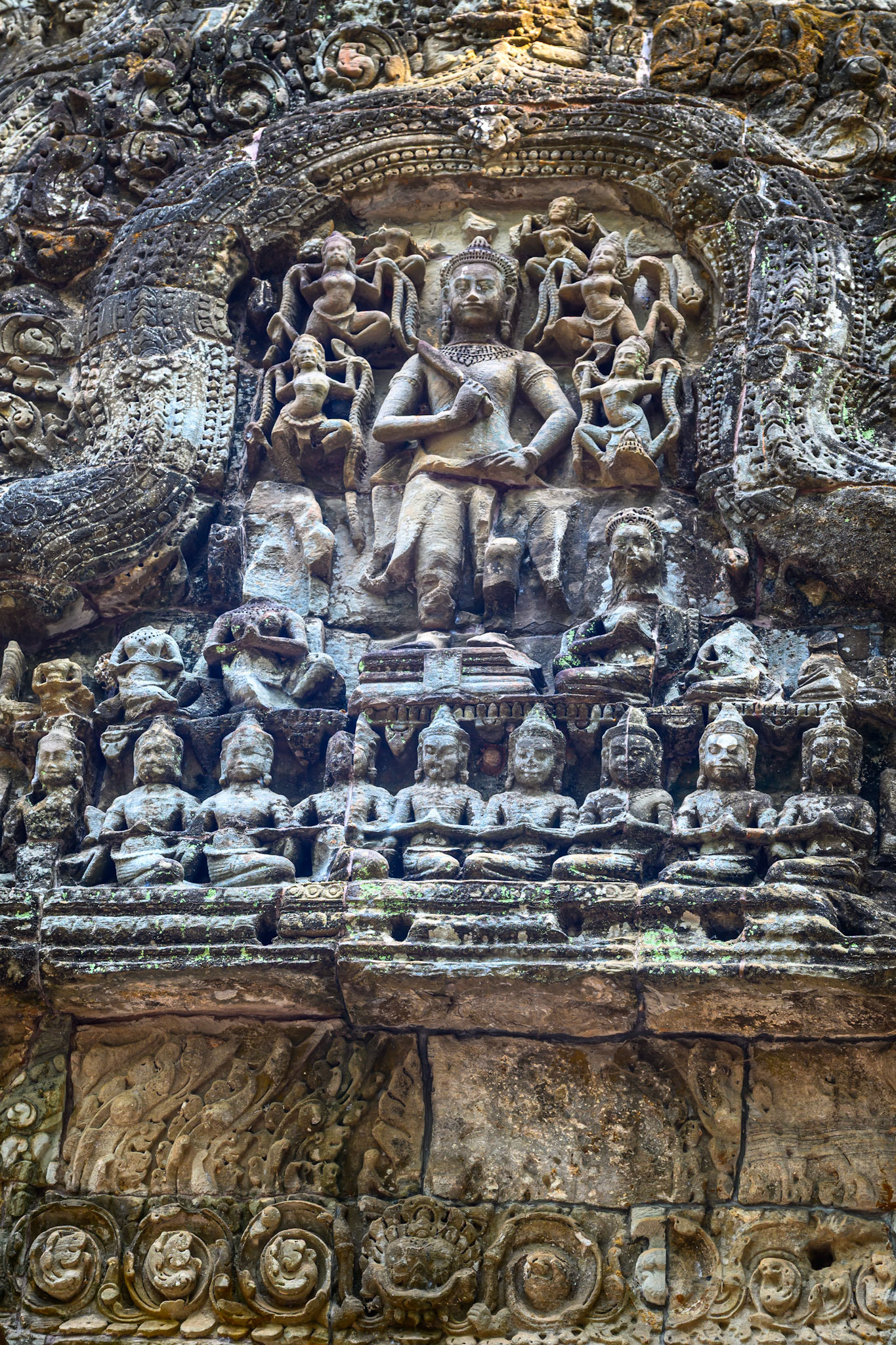
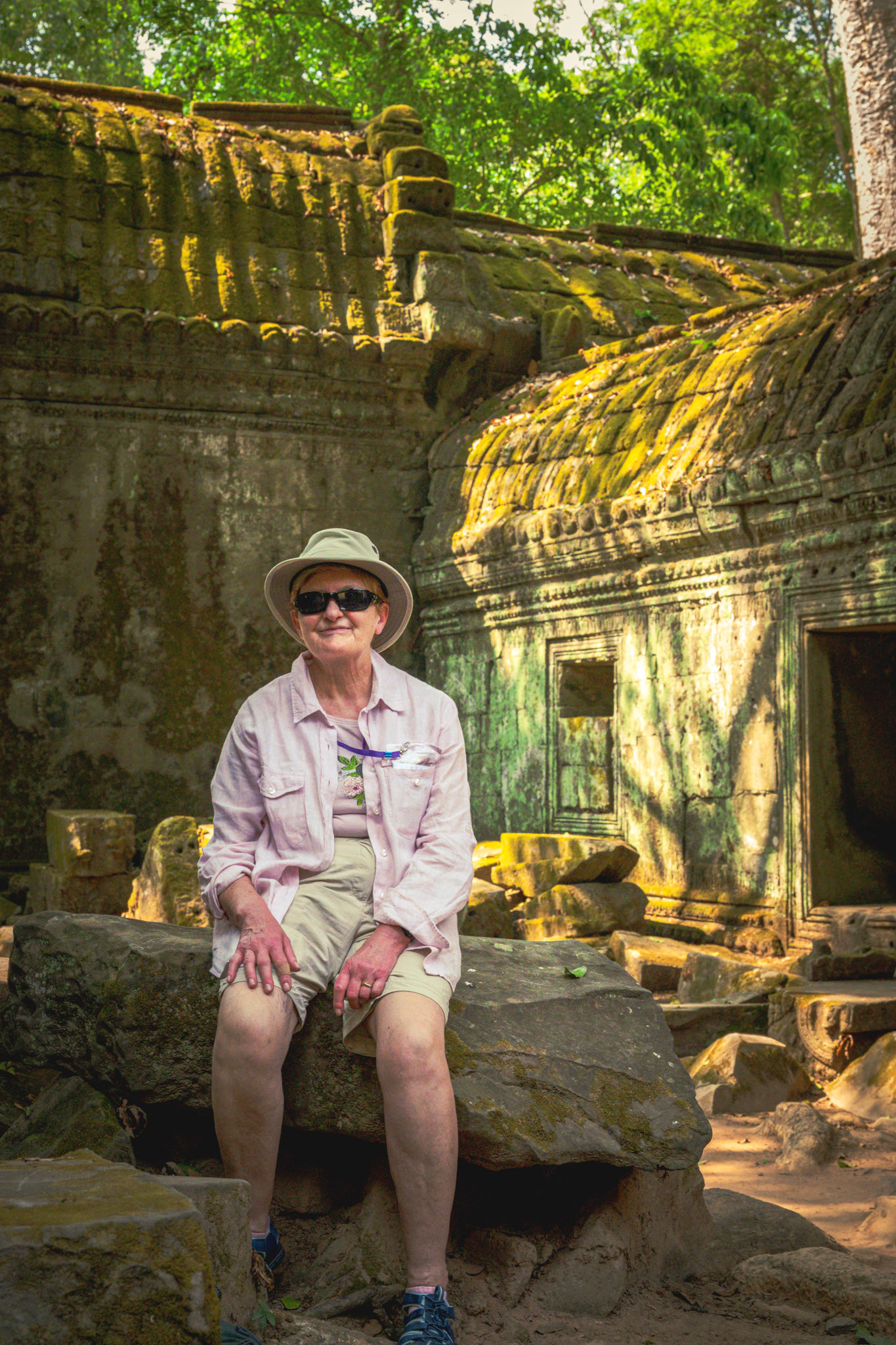
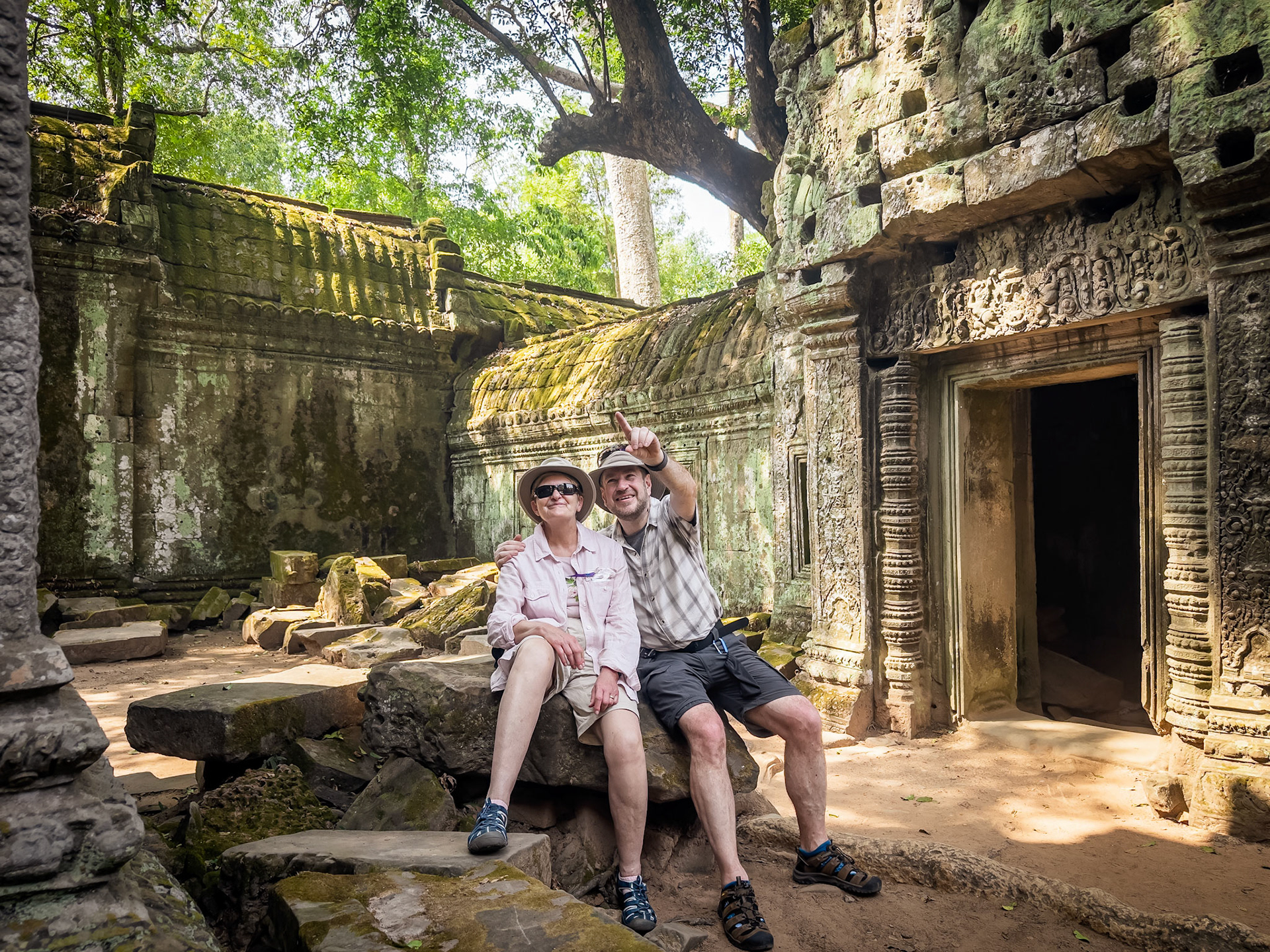
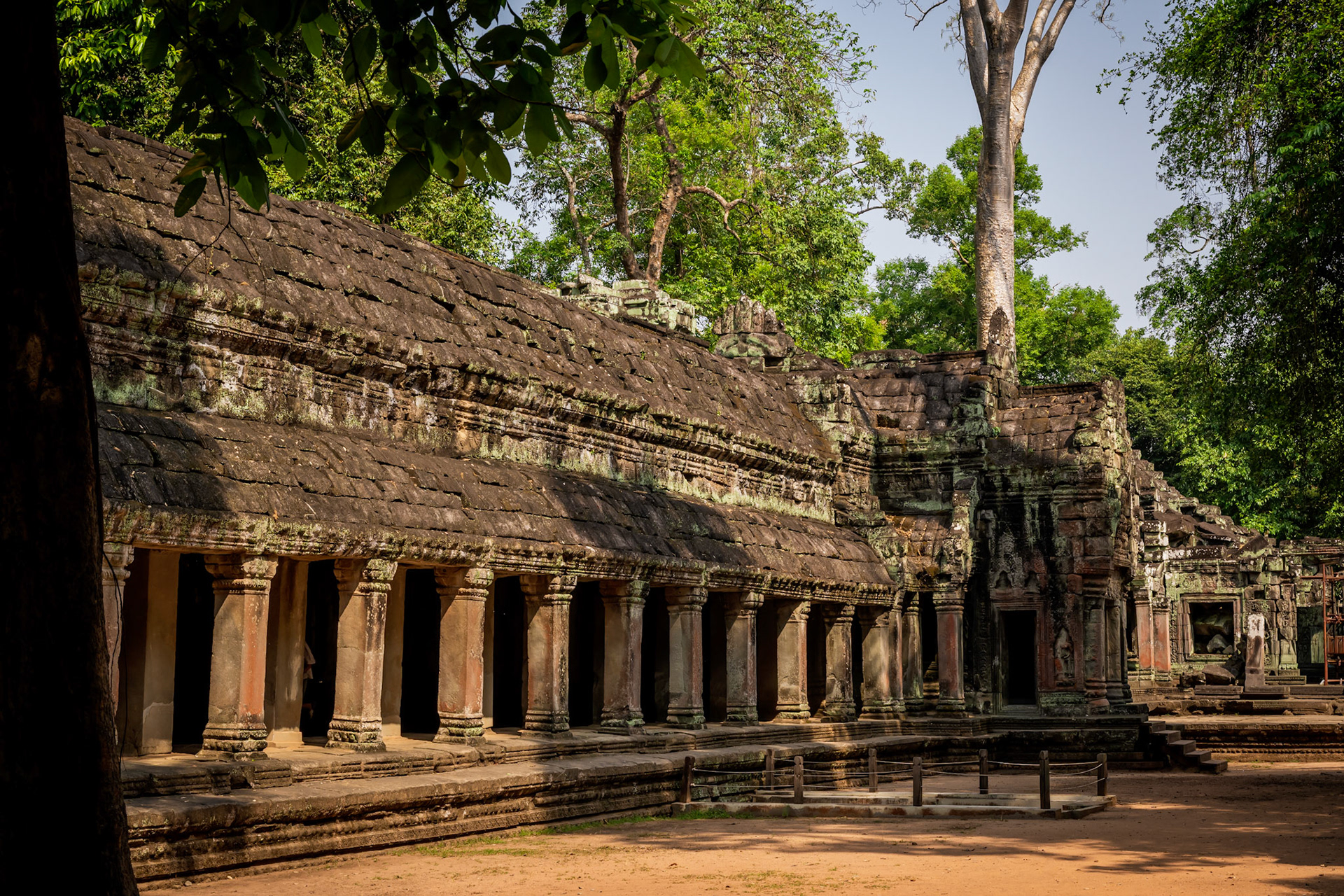
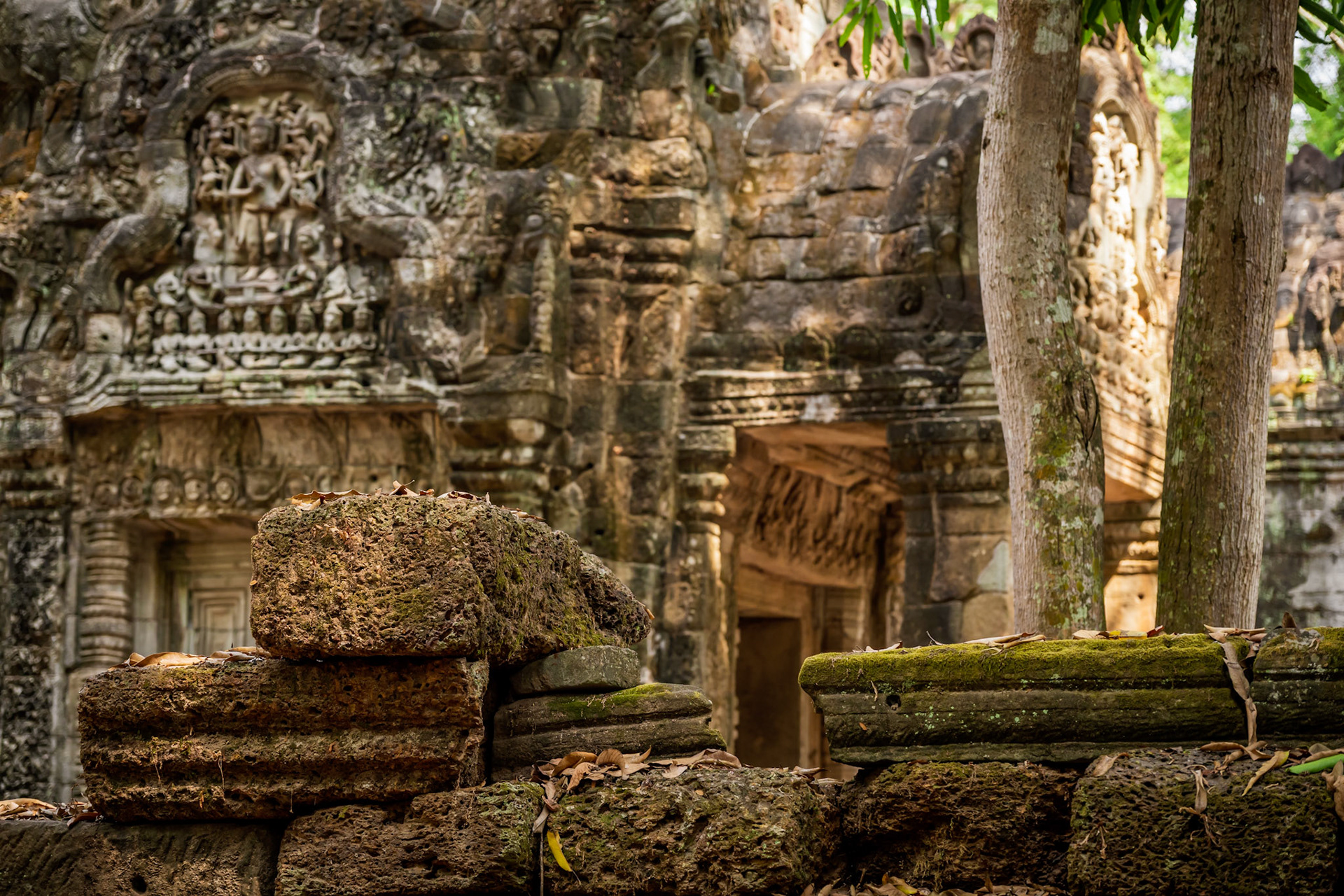
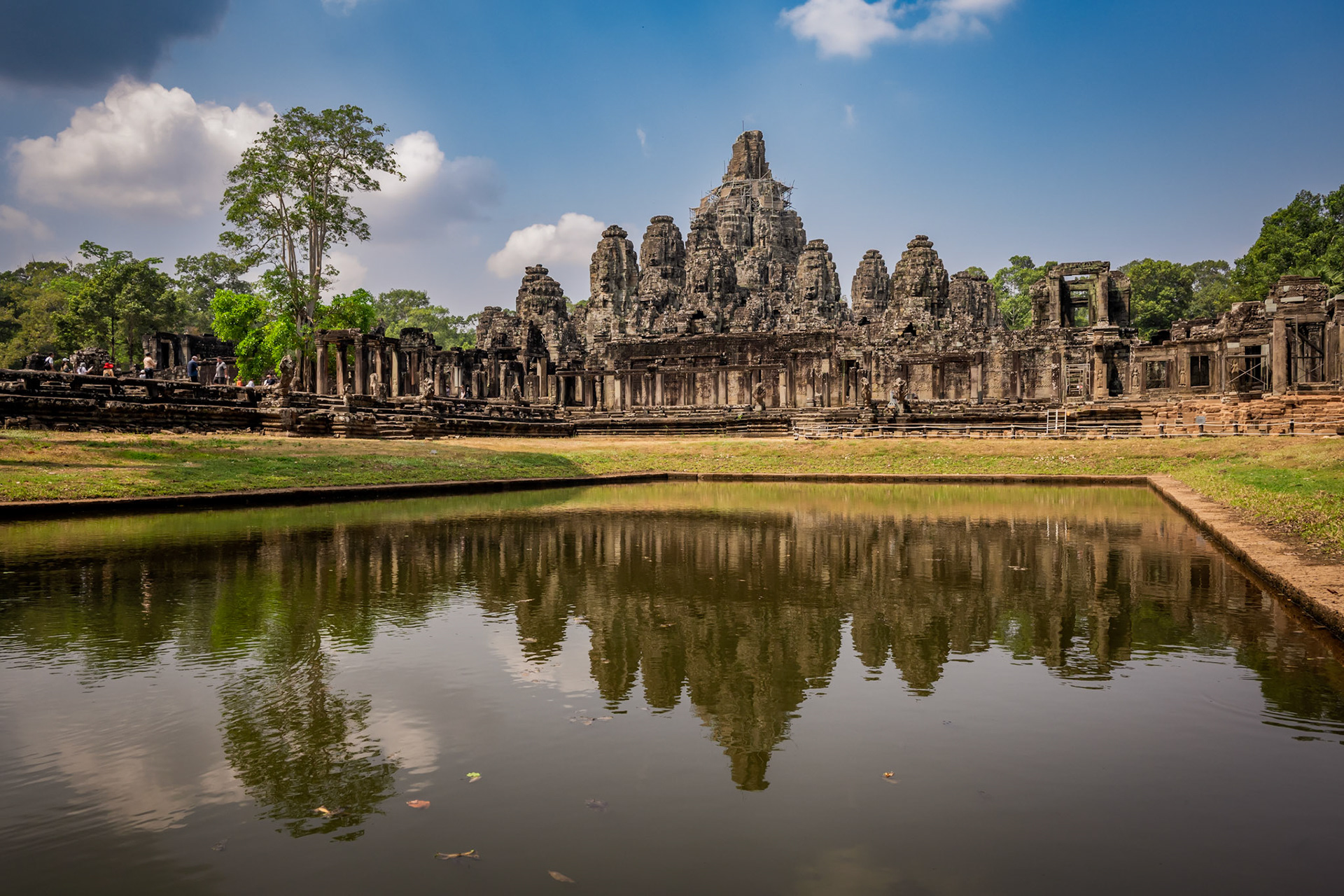
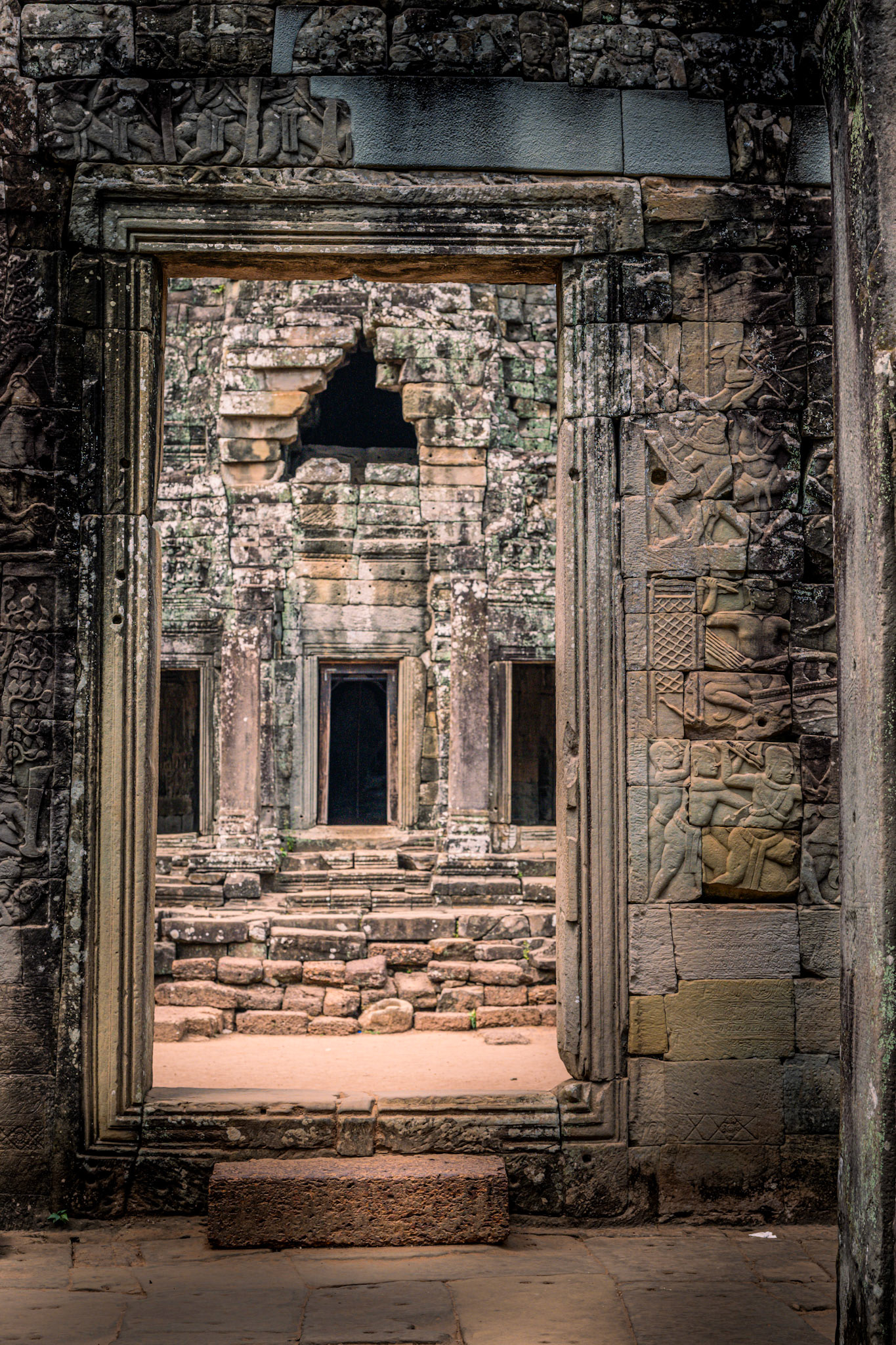
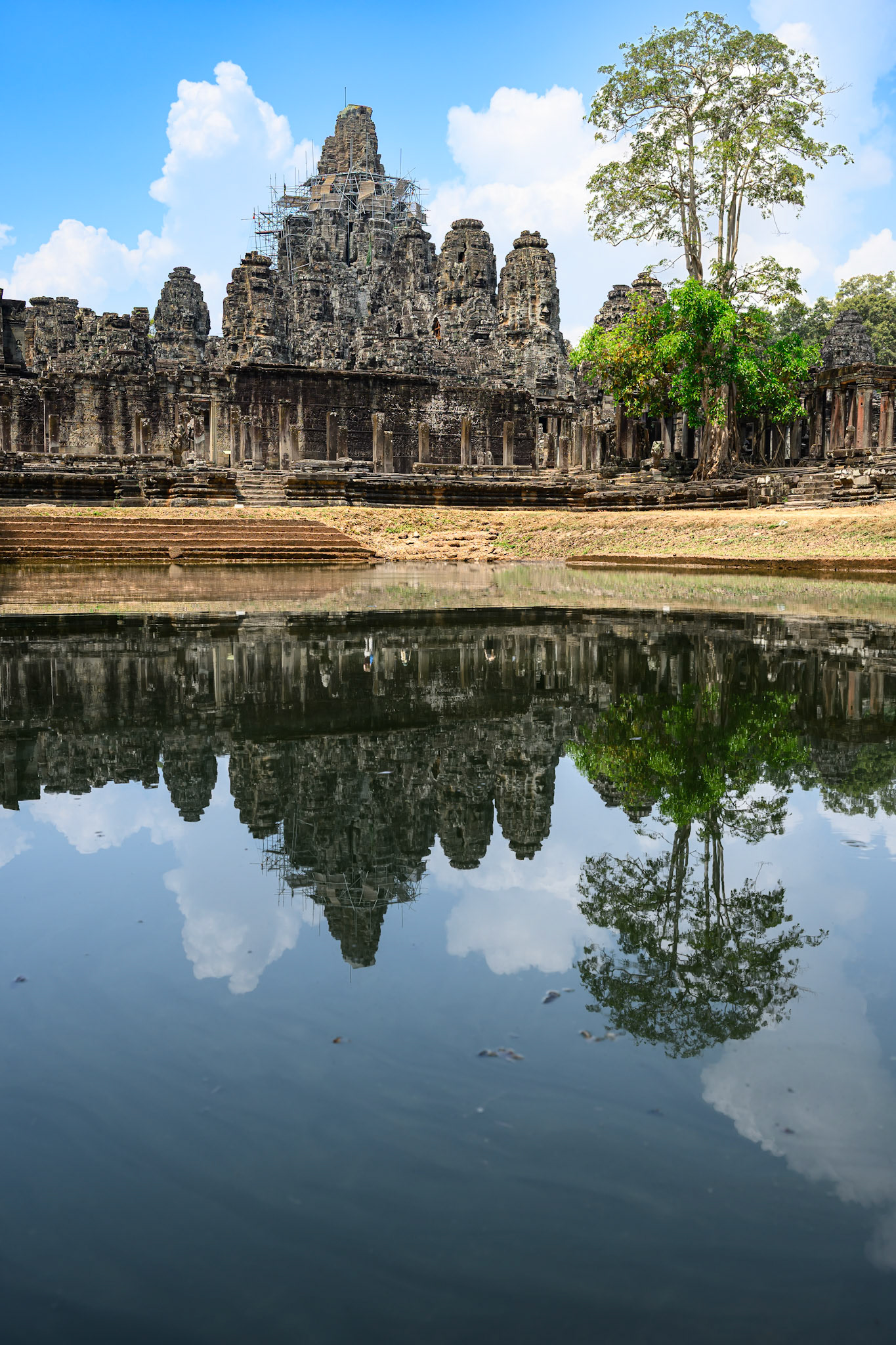
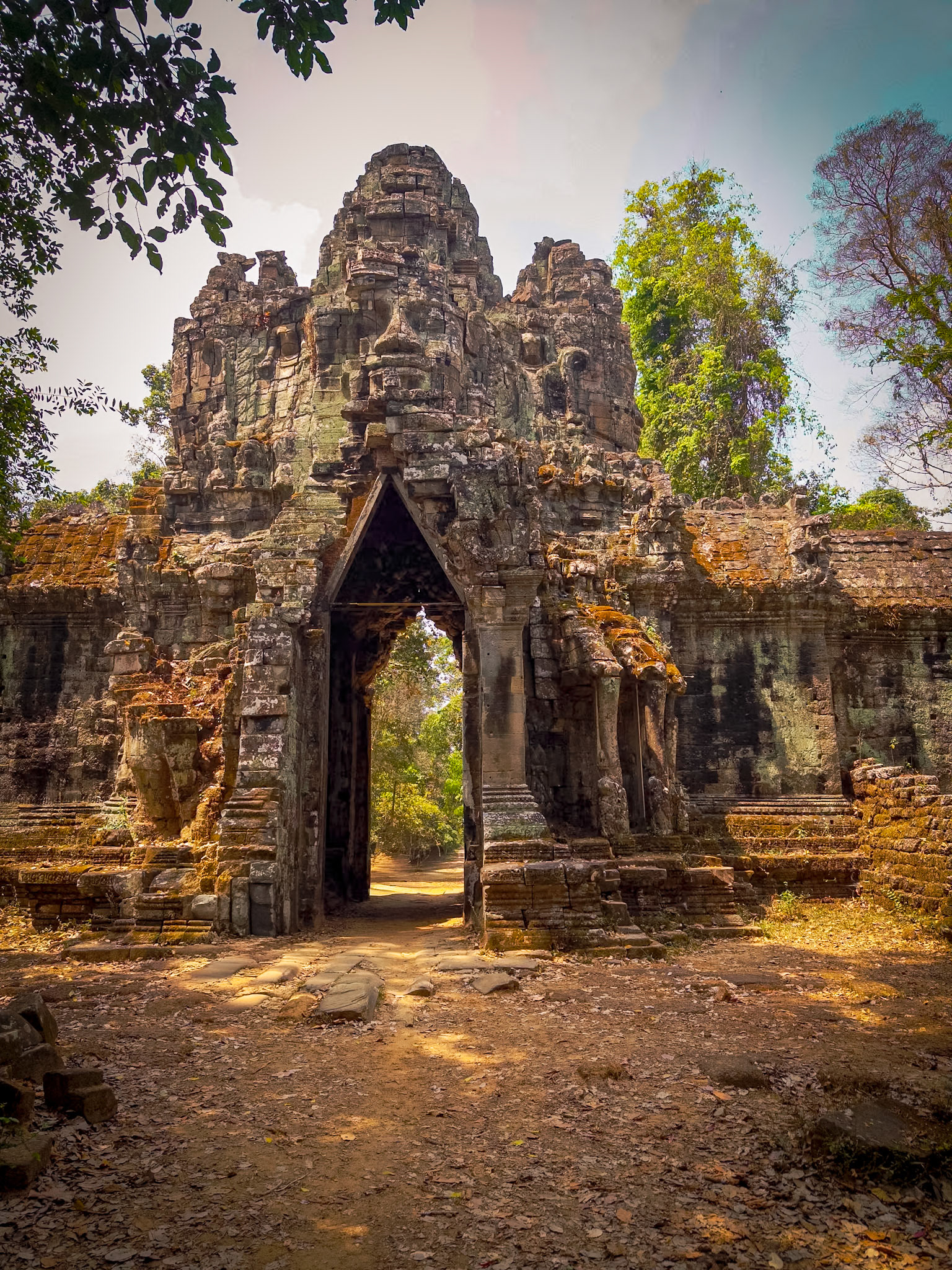
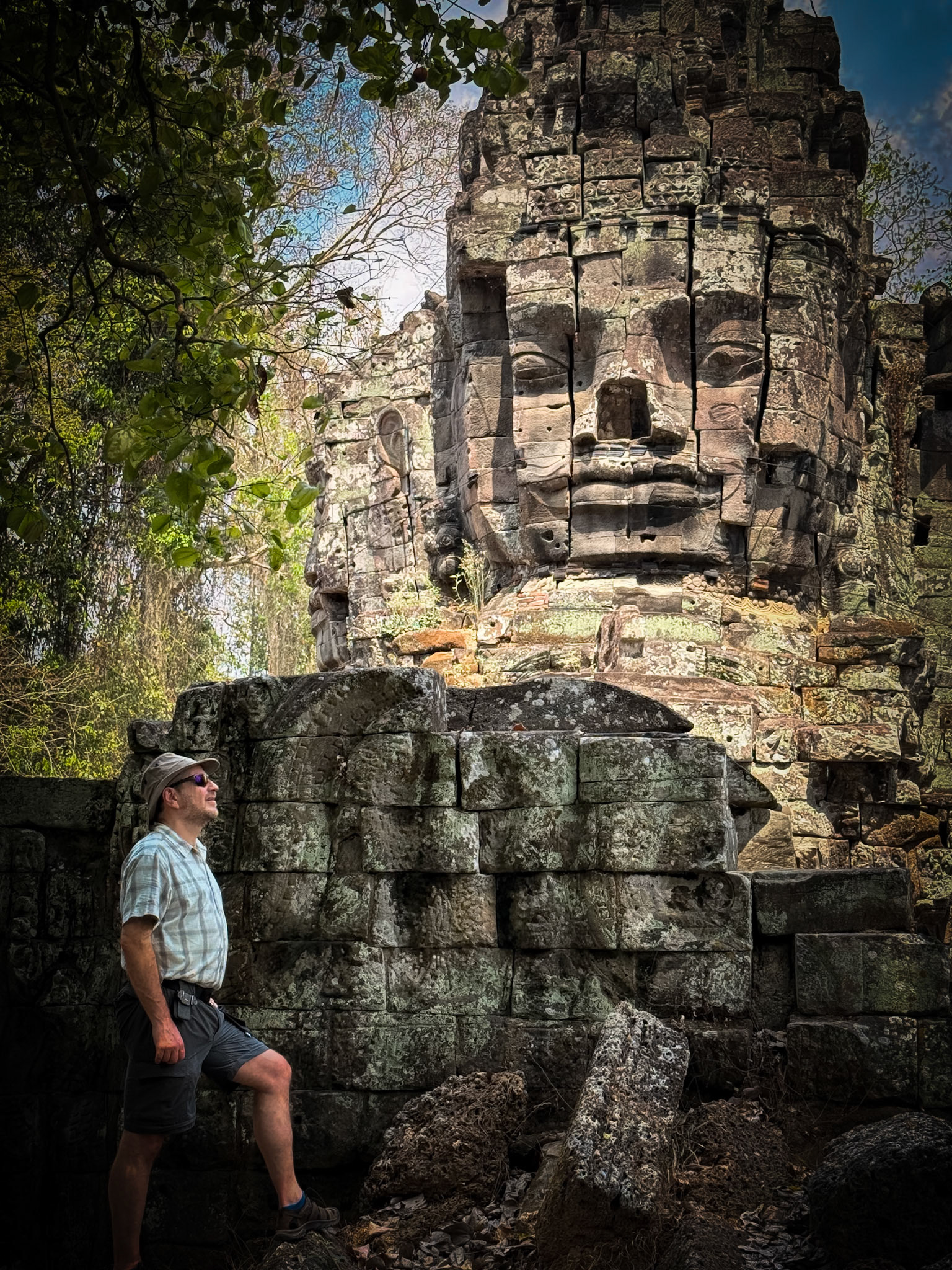
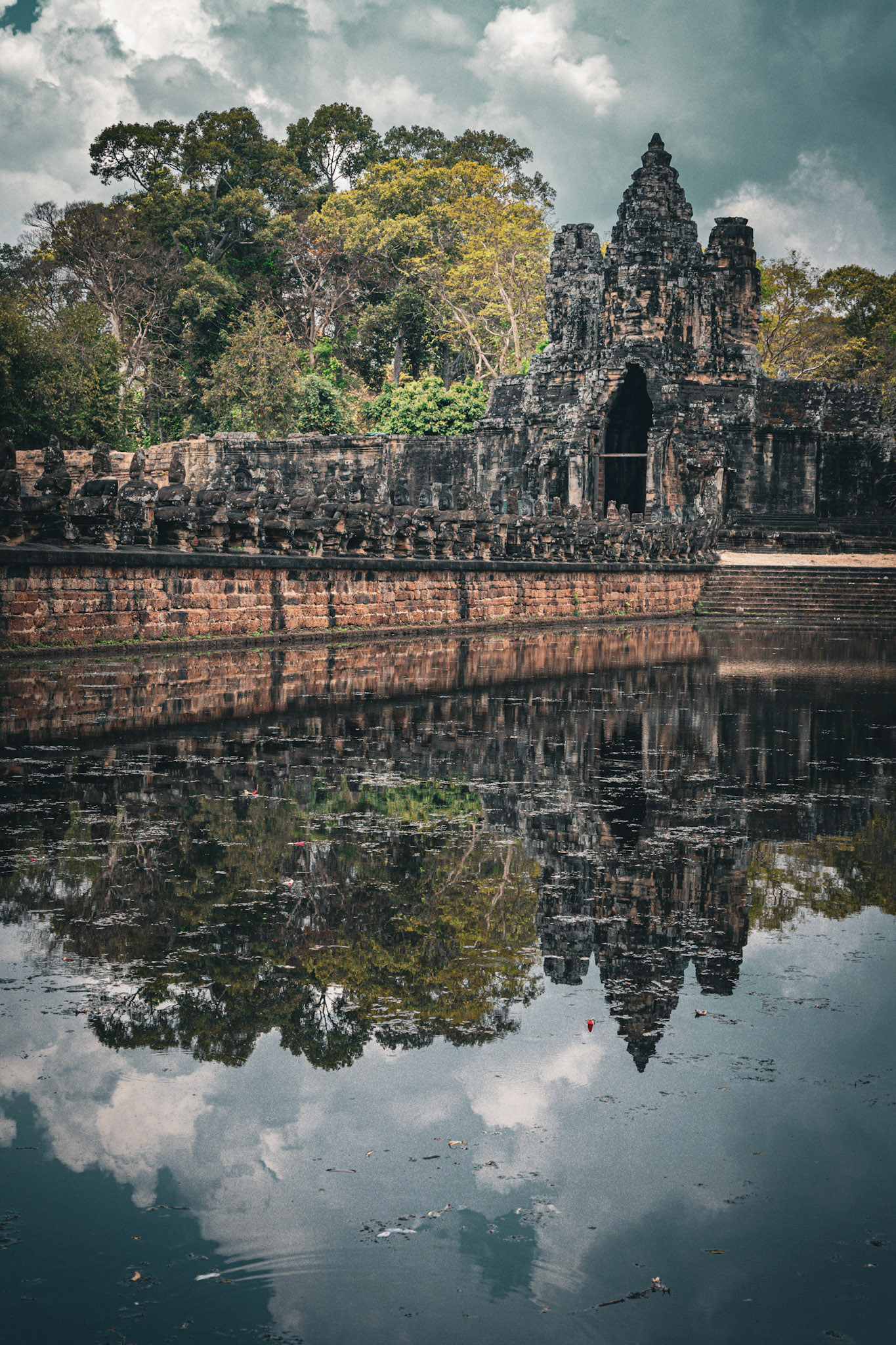
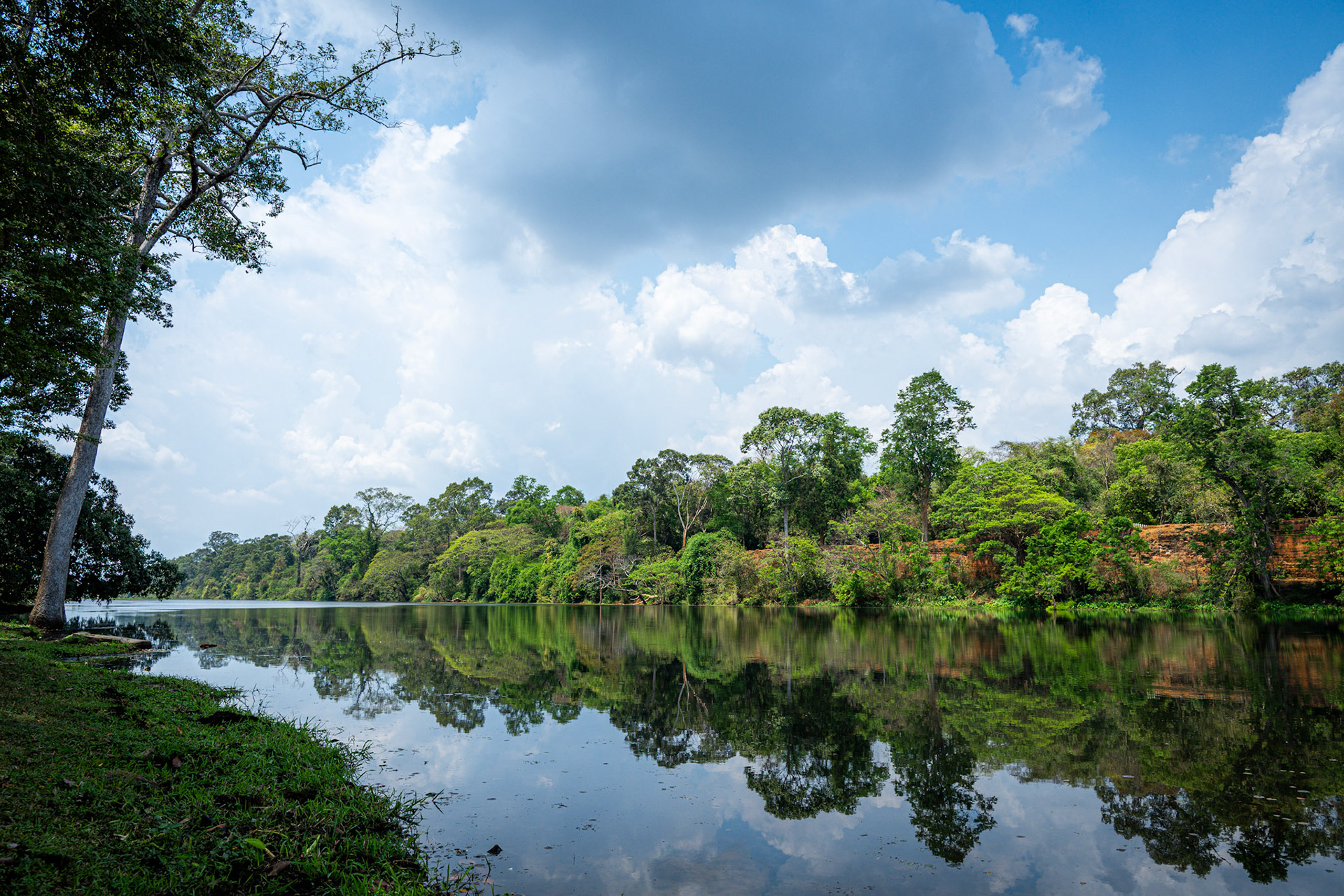
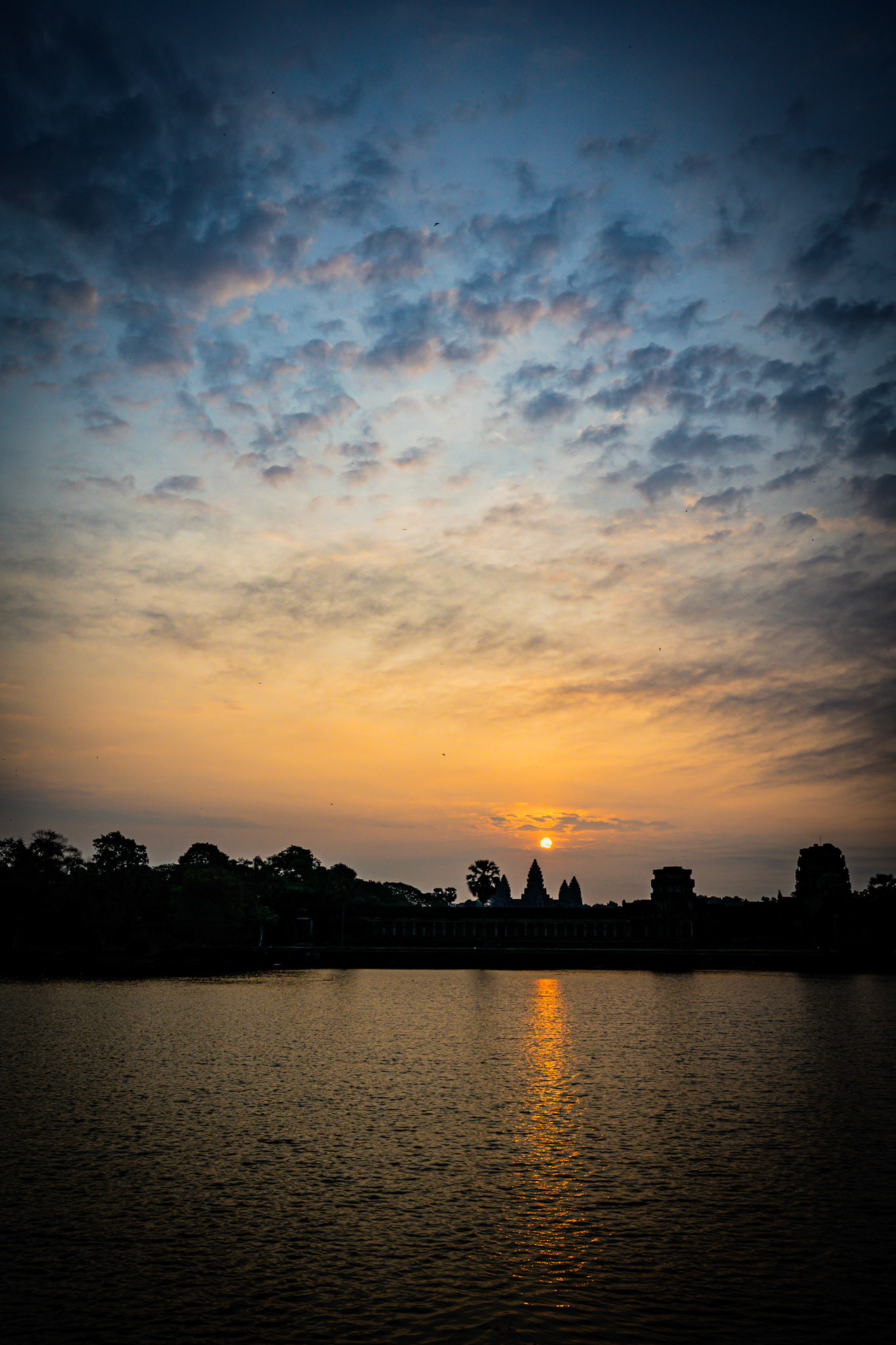
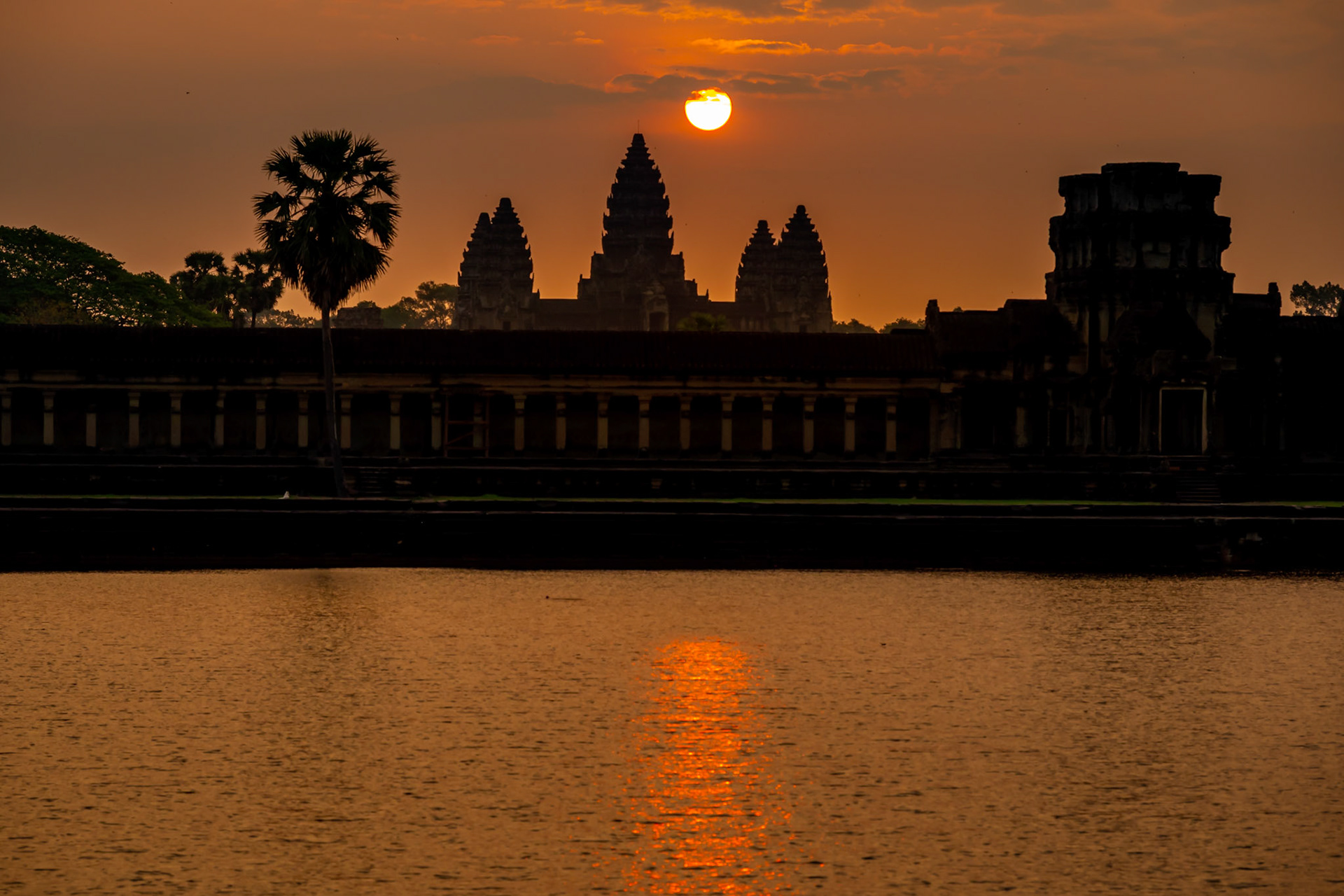
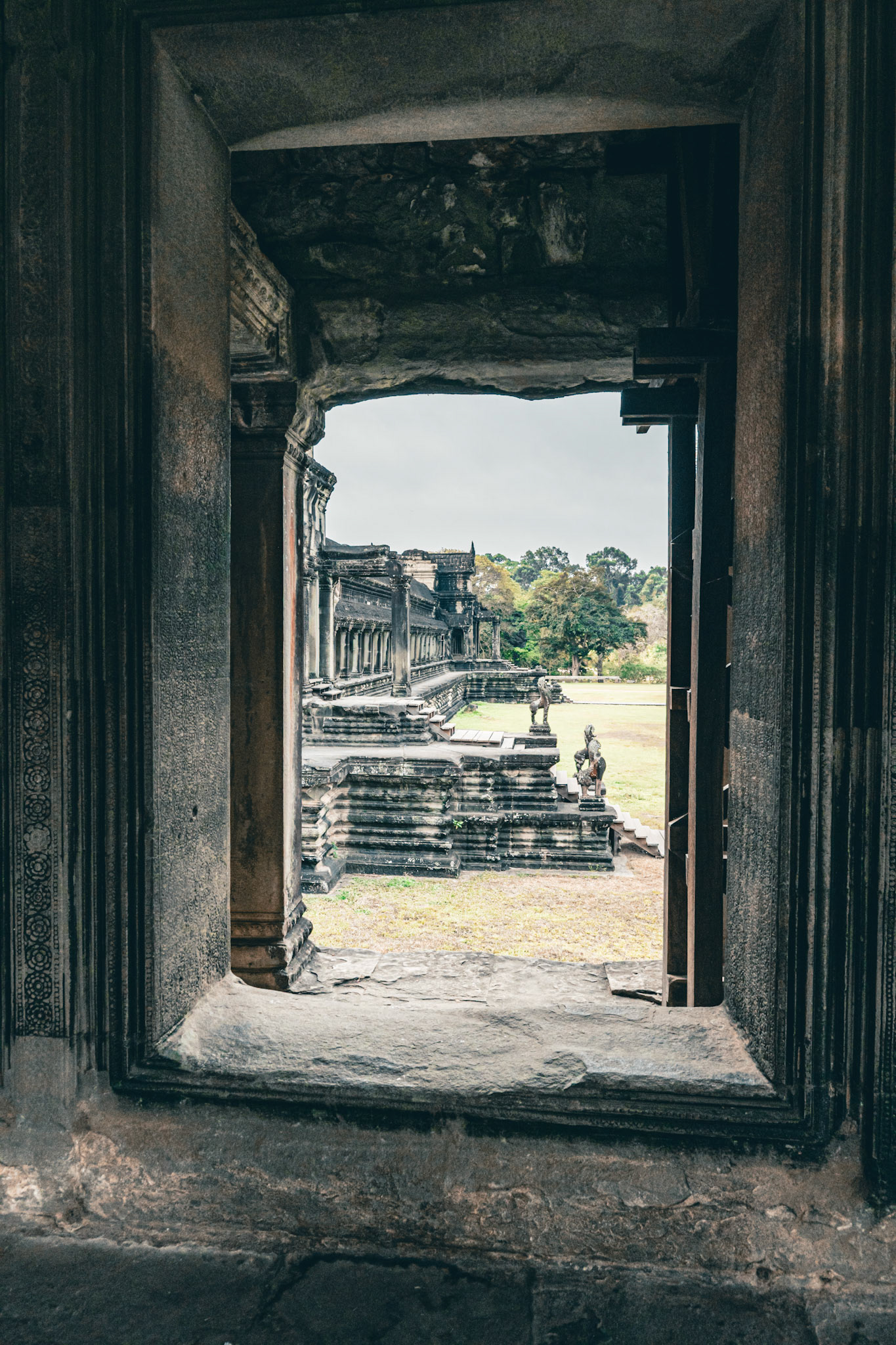
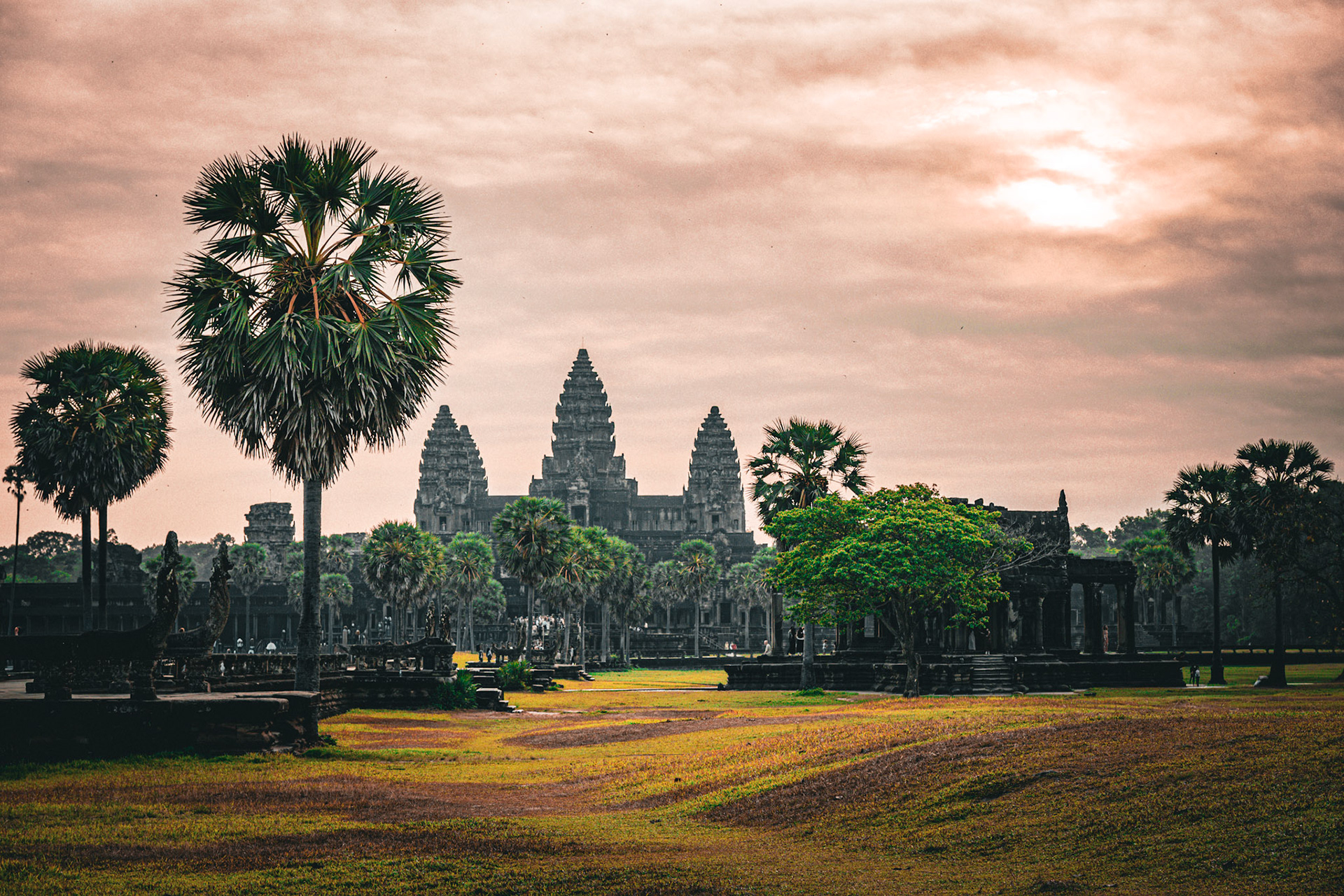
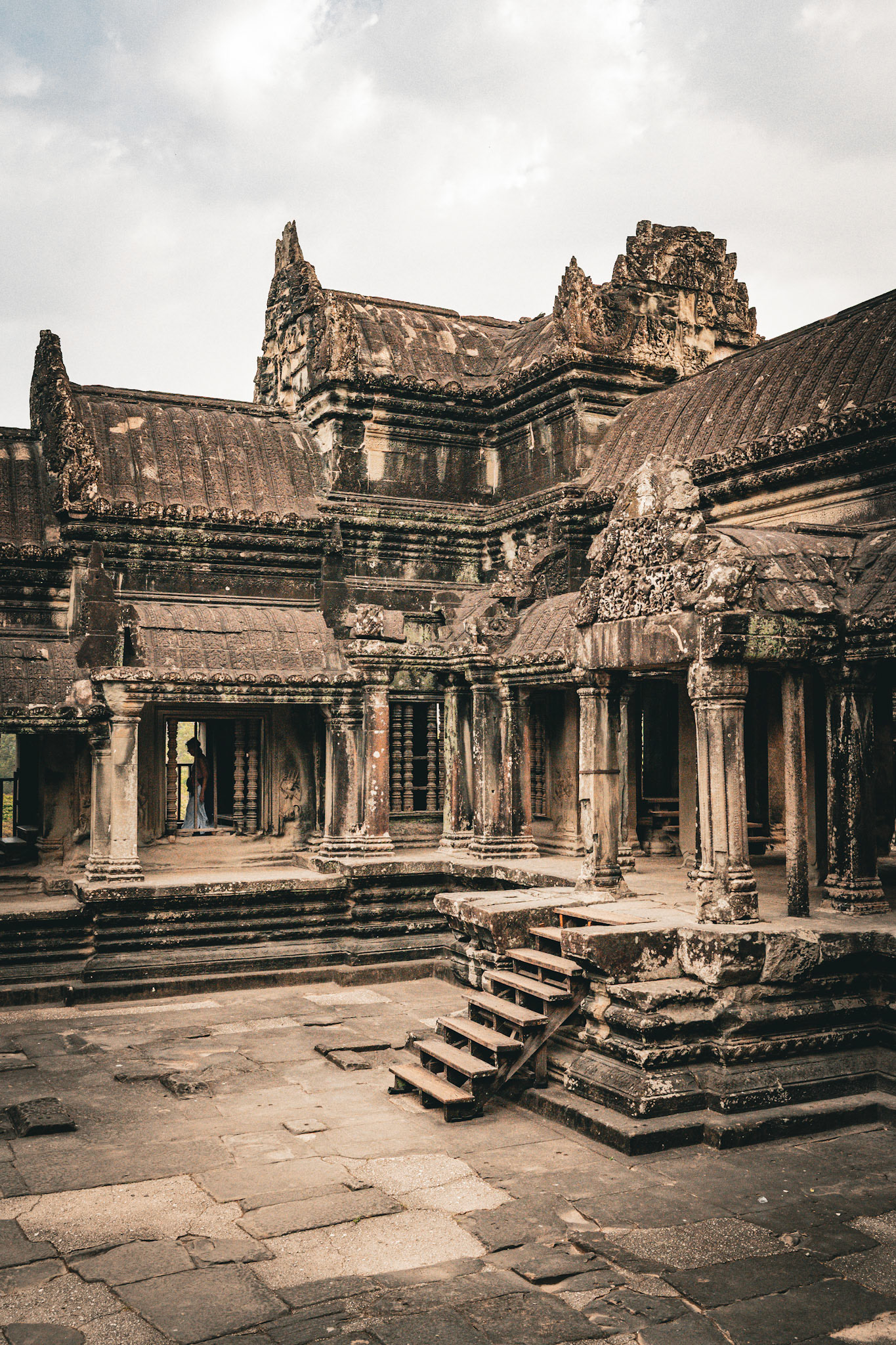
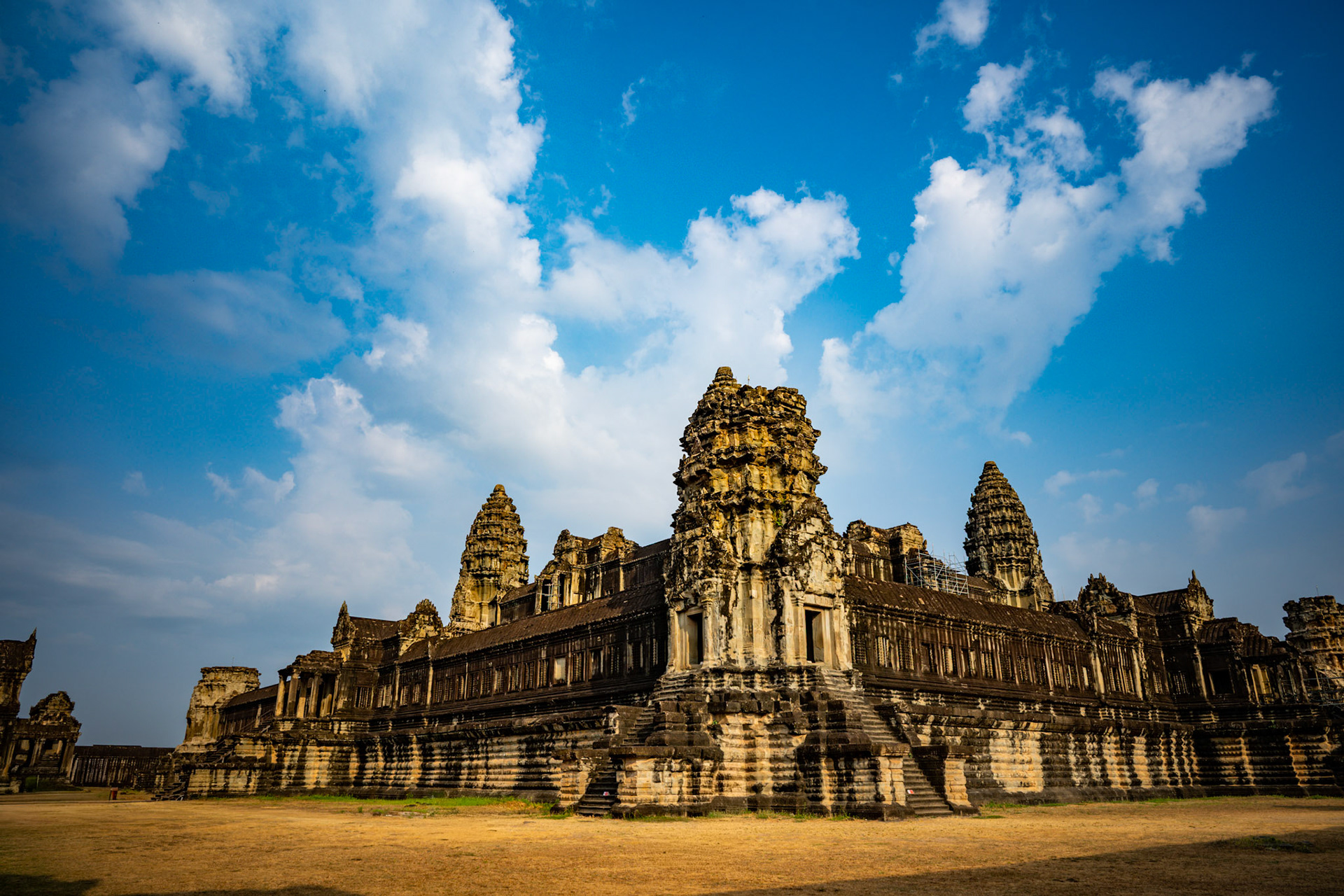
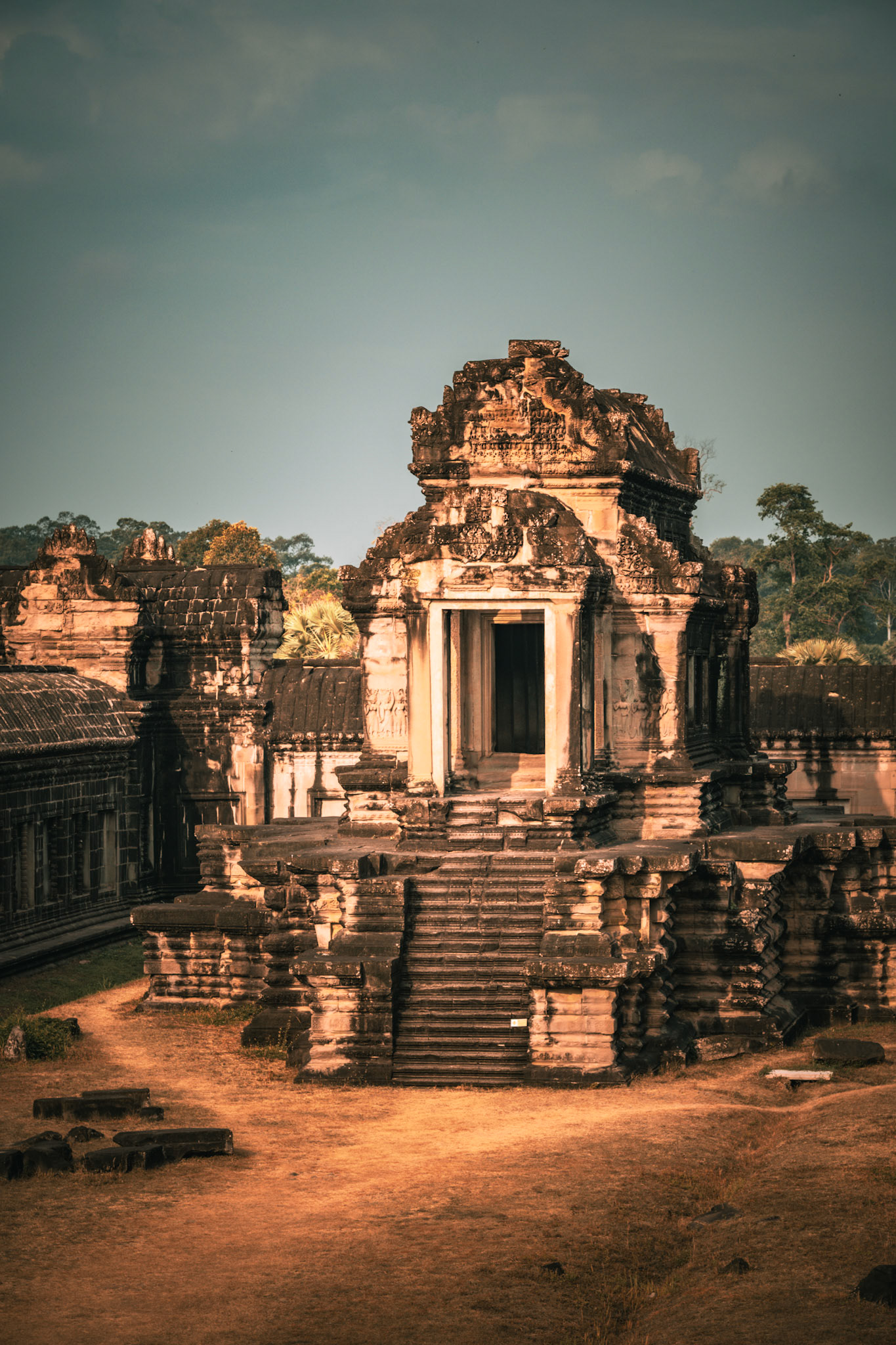
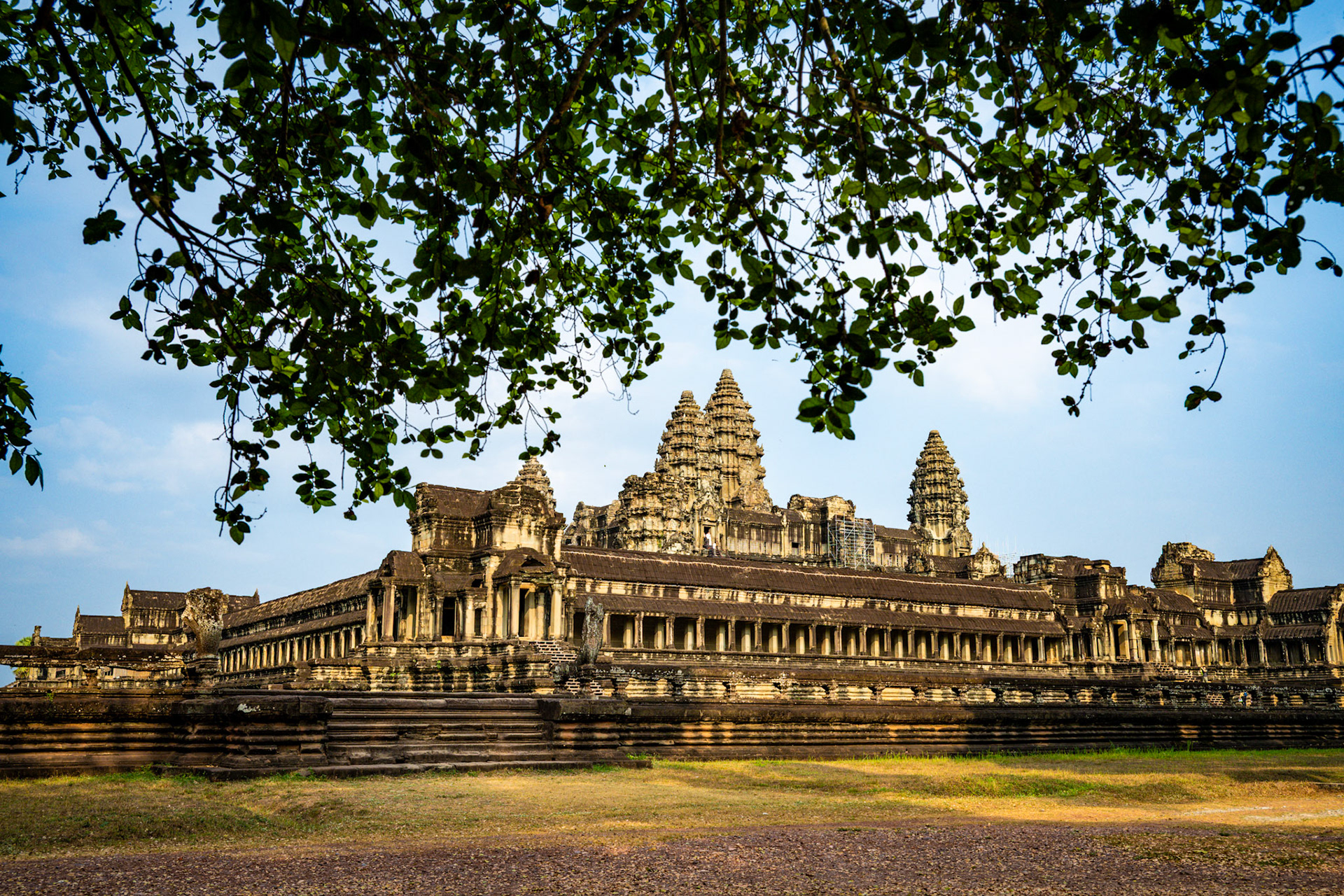
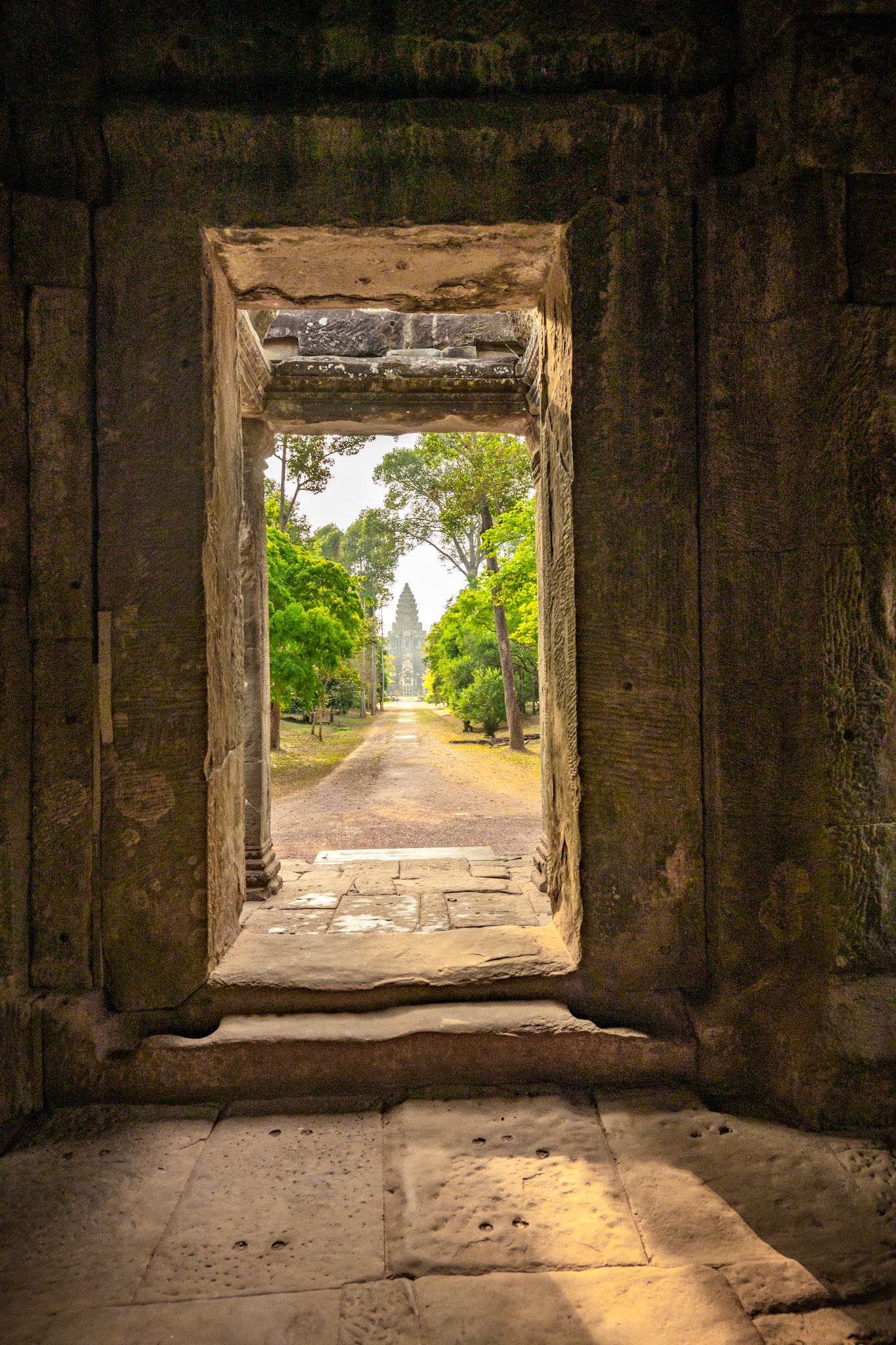
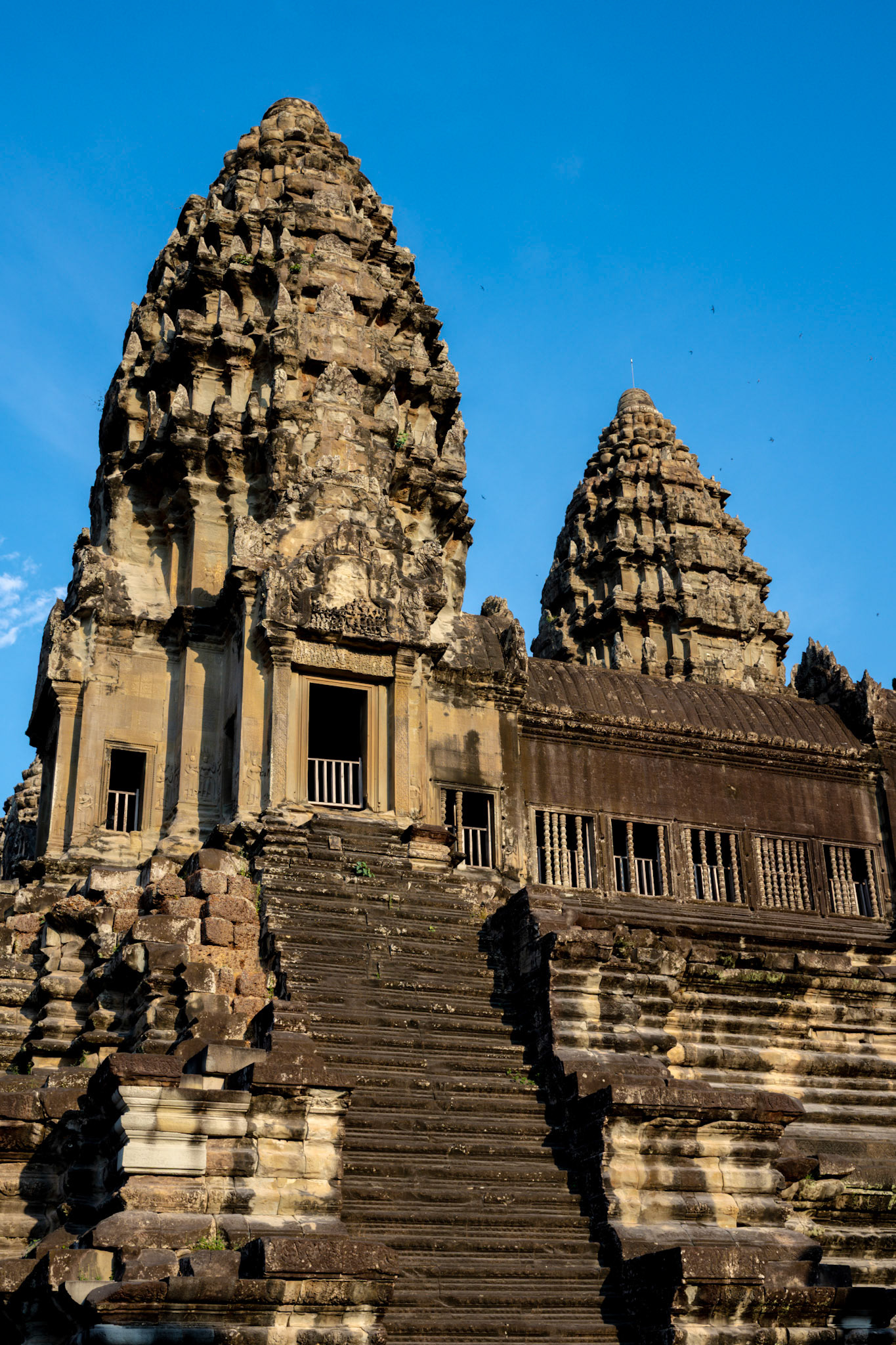
Today began very early, to try and get to Angkor Wat temple as soon as we could after the sunrise. Whilst the sun had risen by the time we got there, it was only just over the main temple buildings and it did look spectacular.
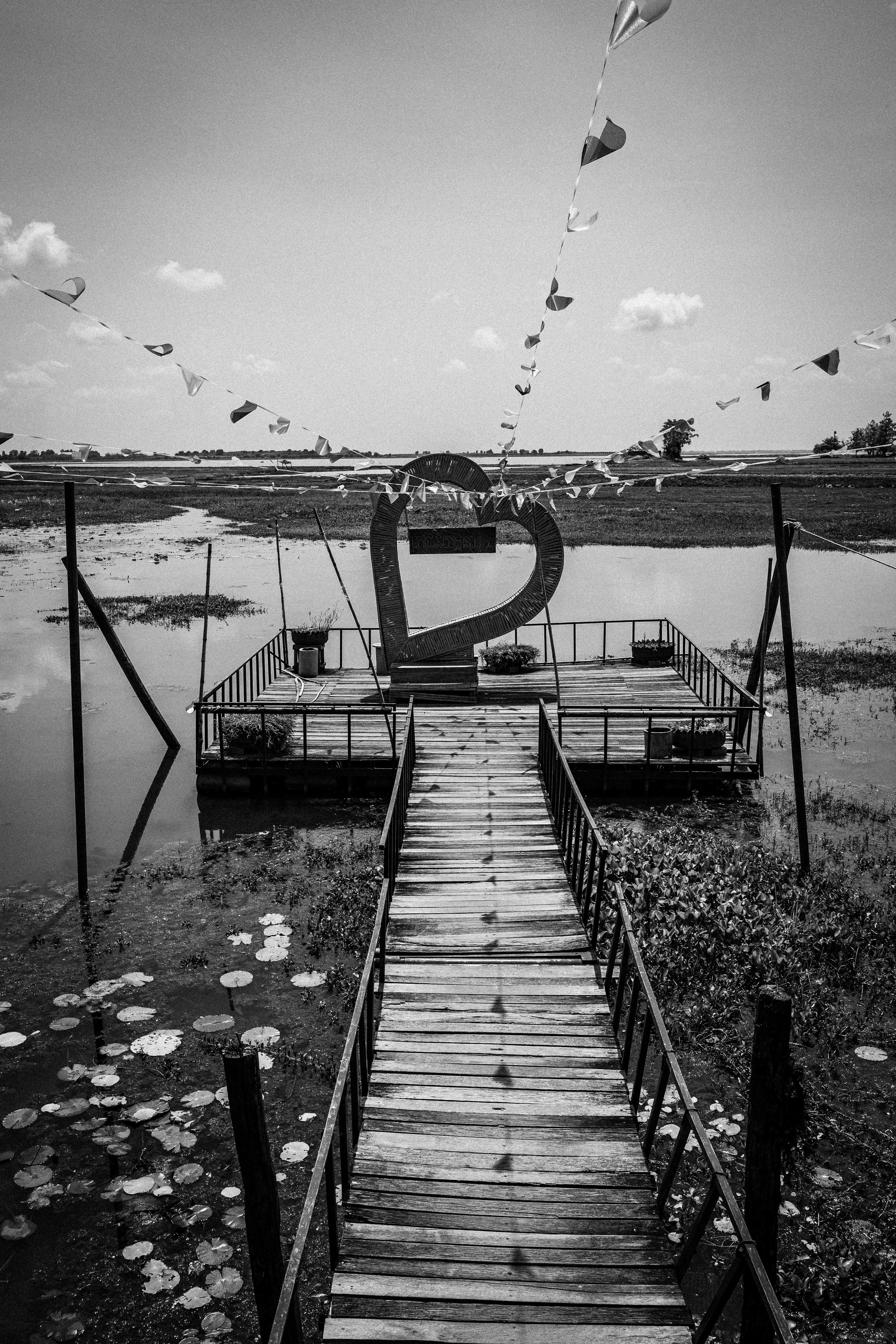
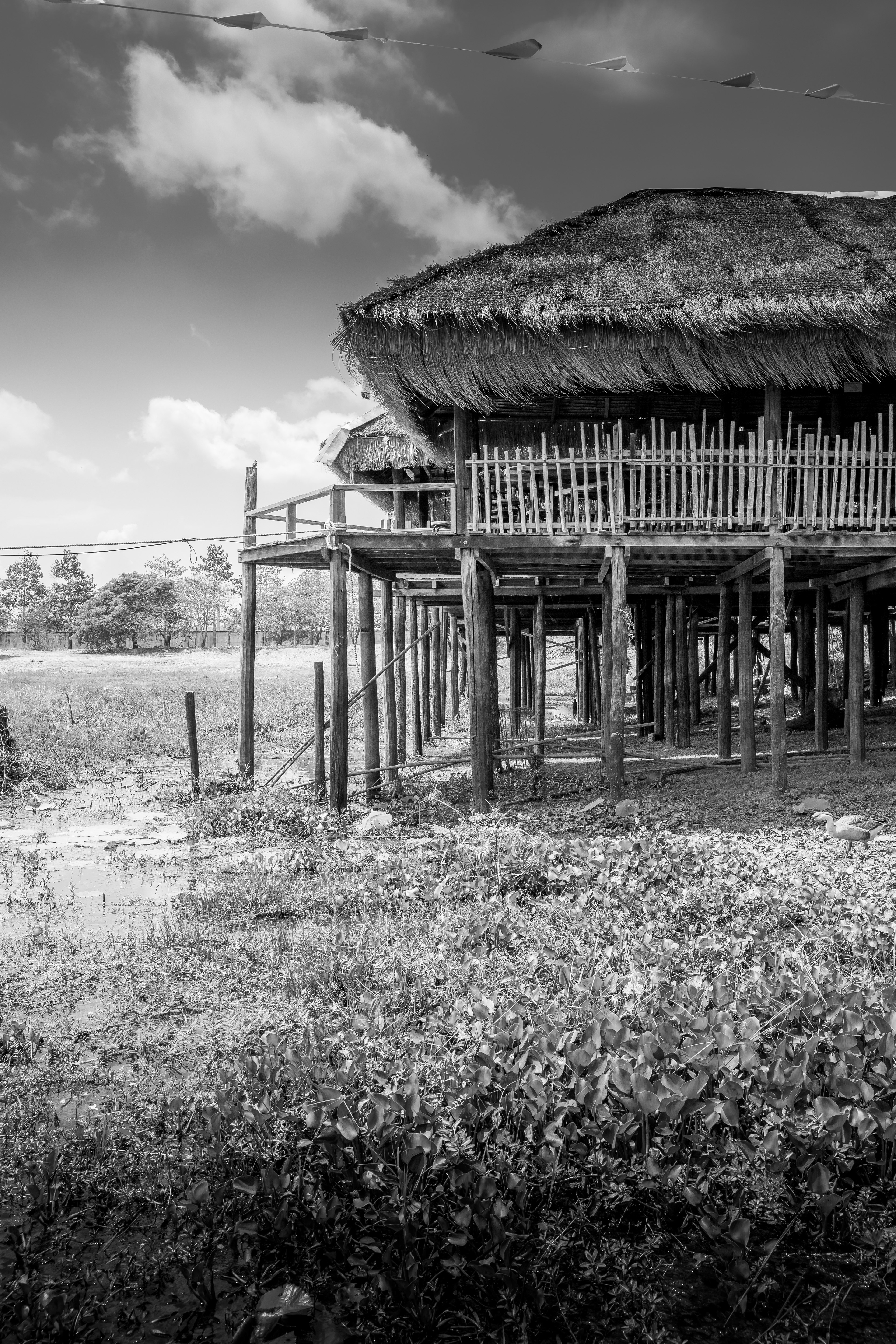
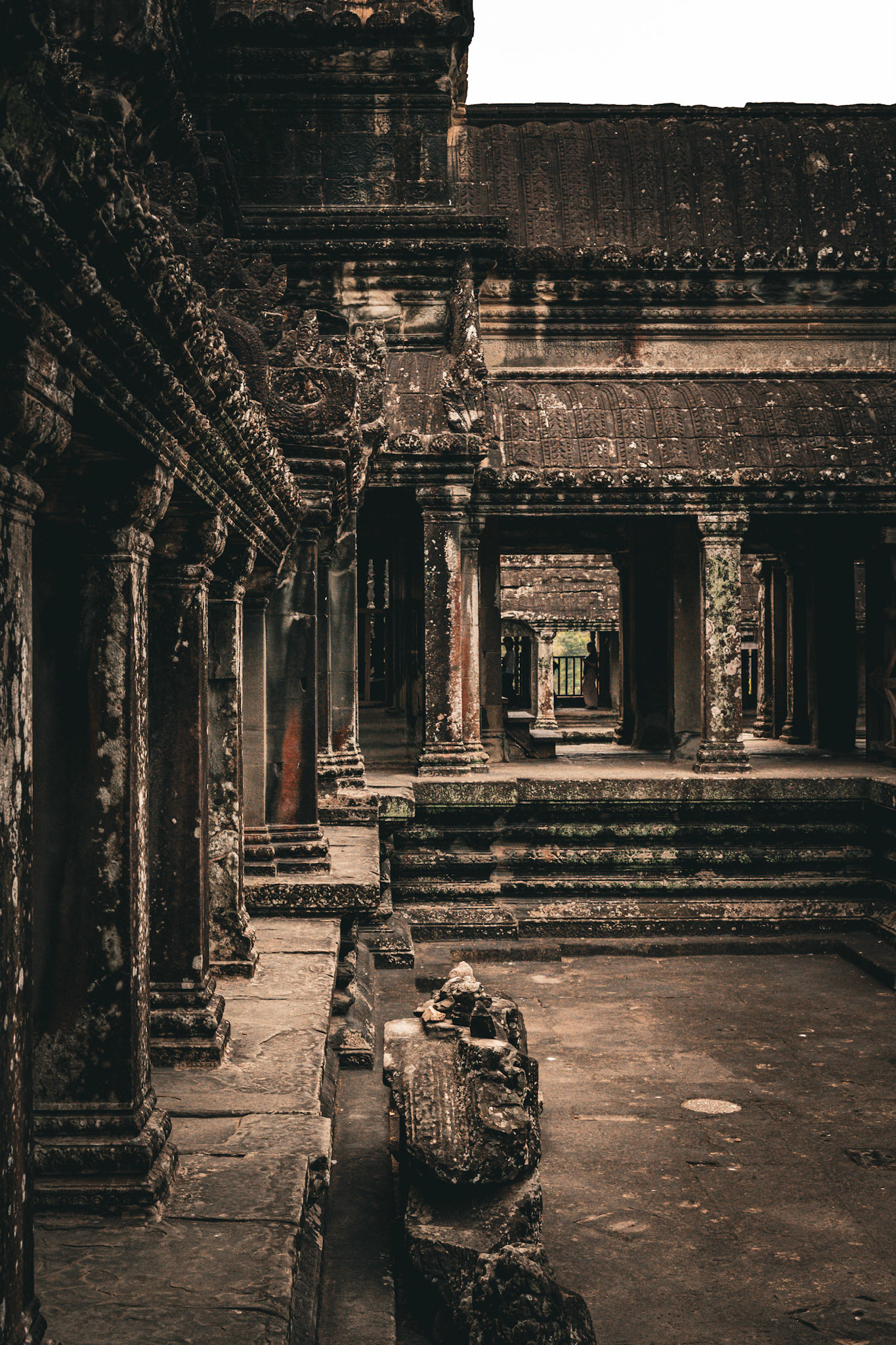
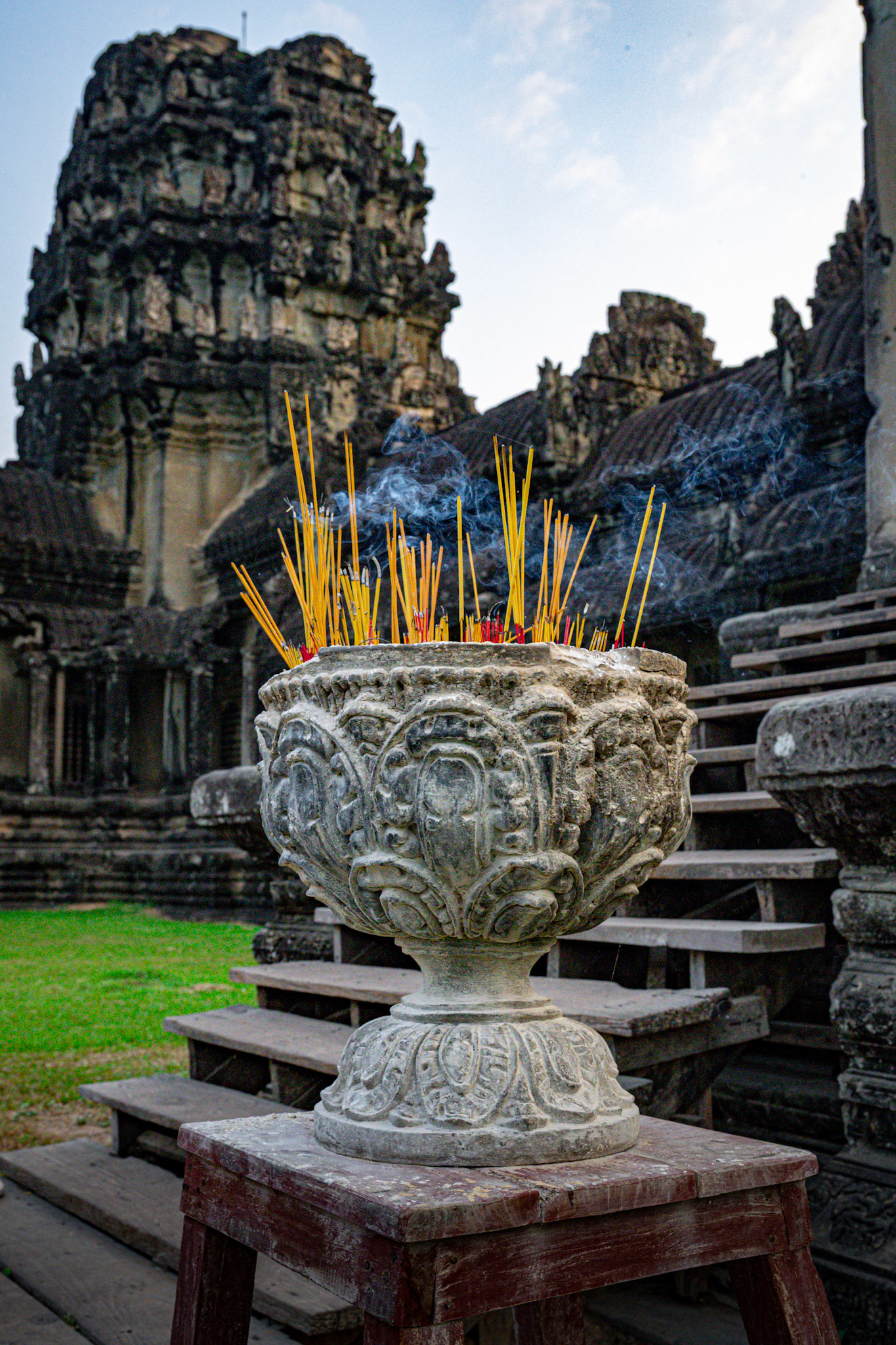
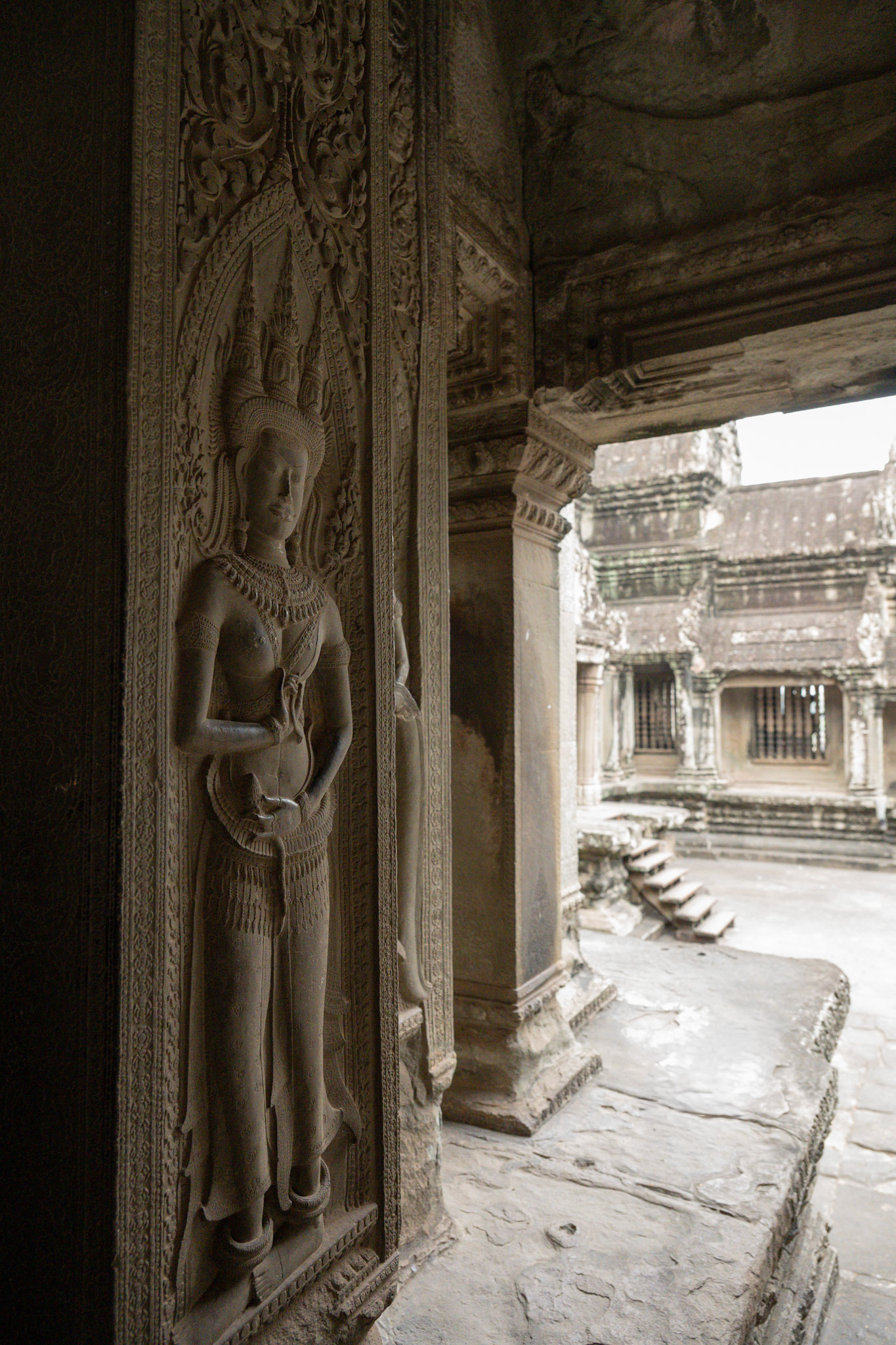
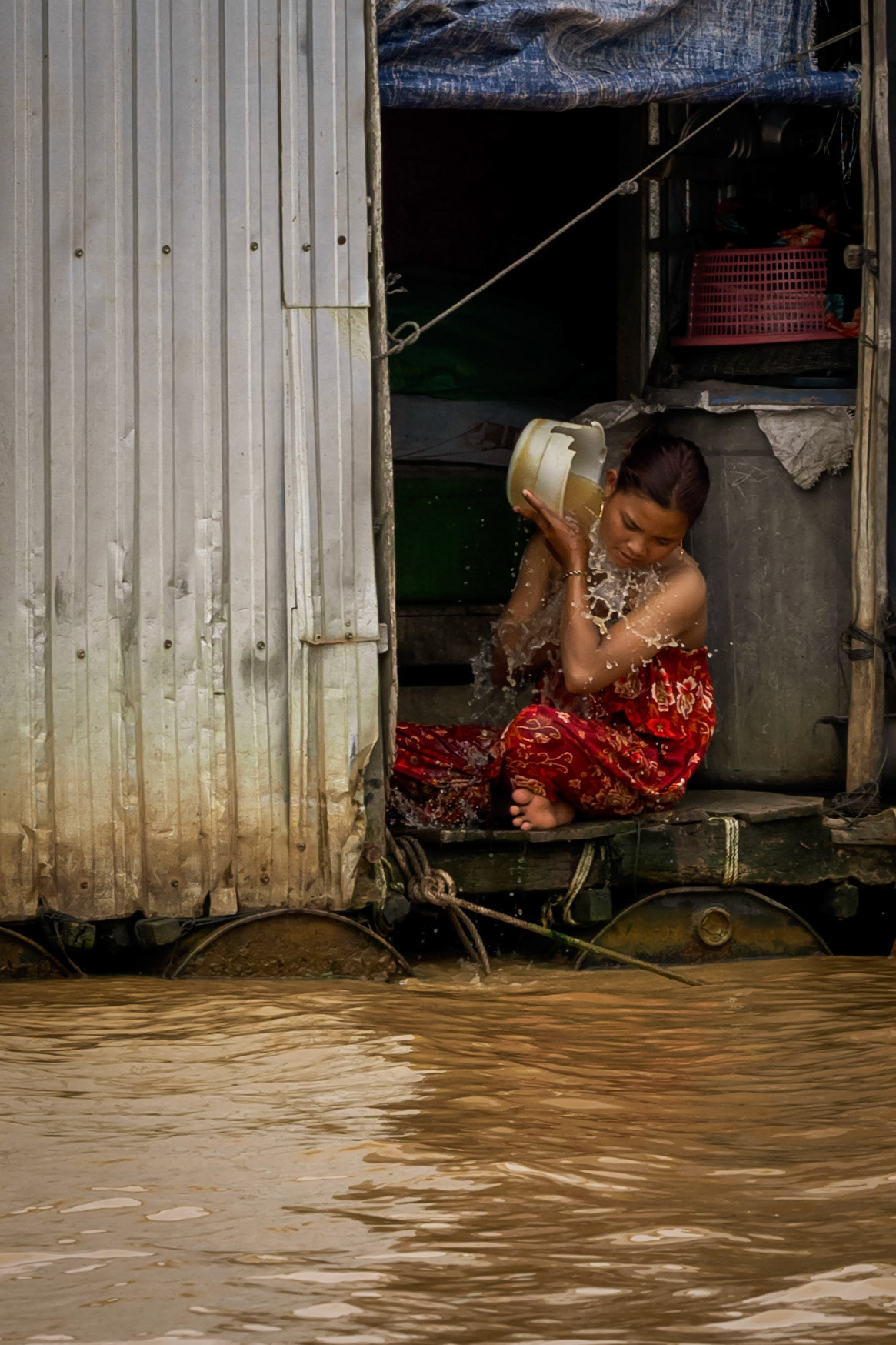
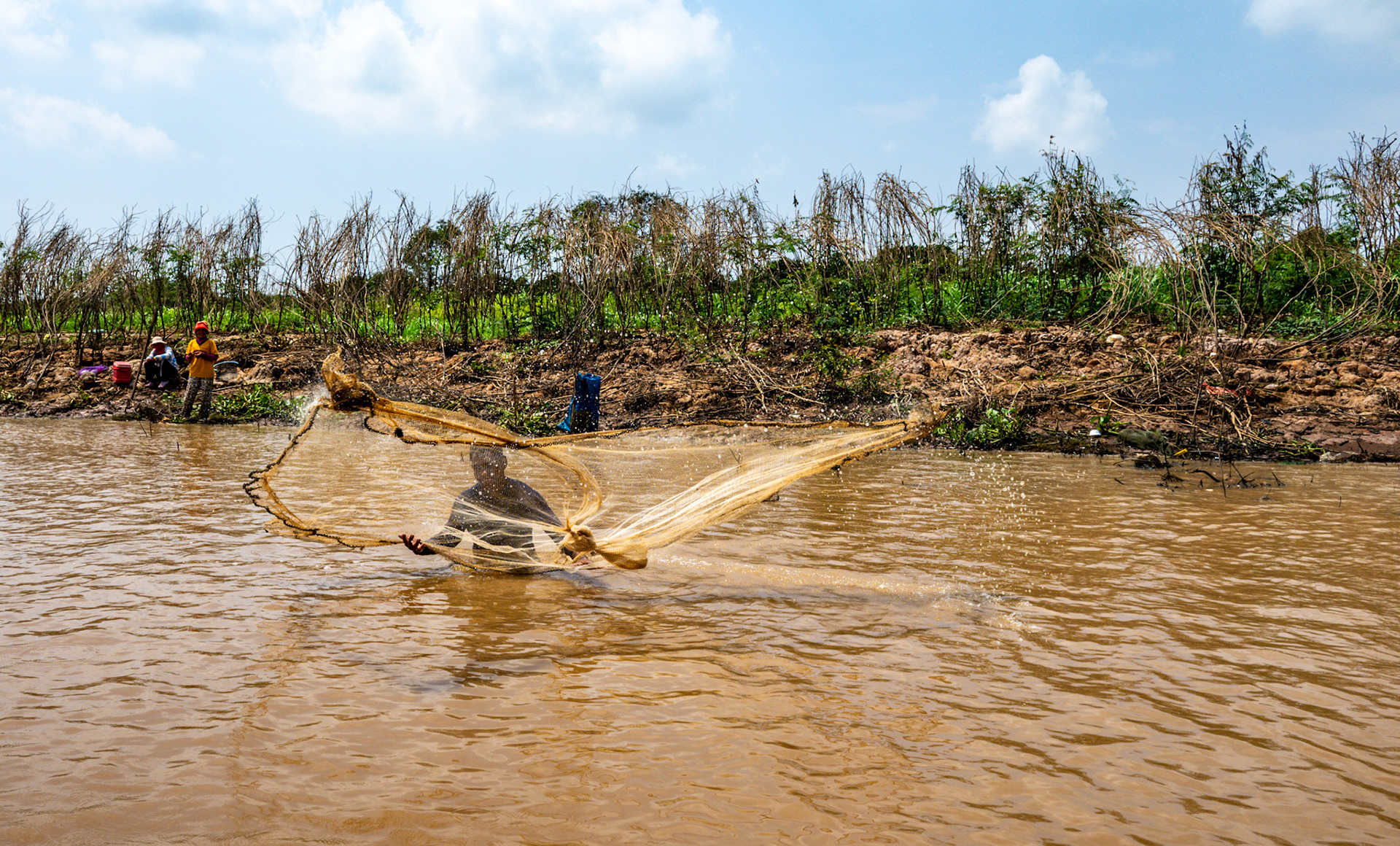
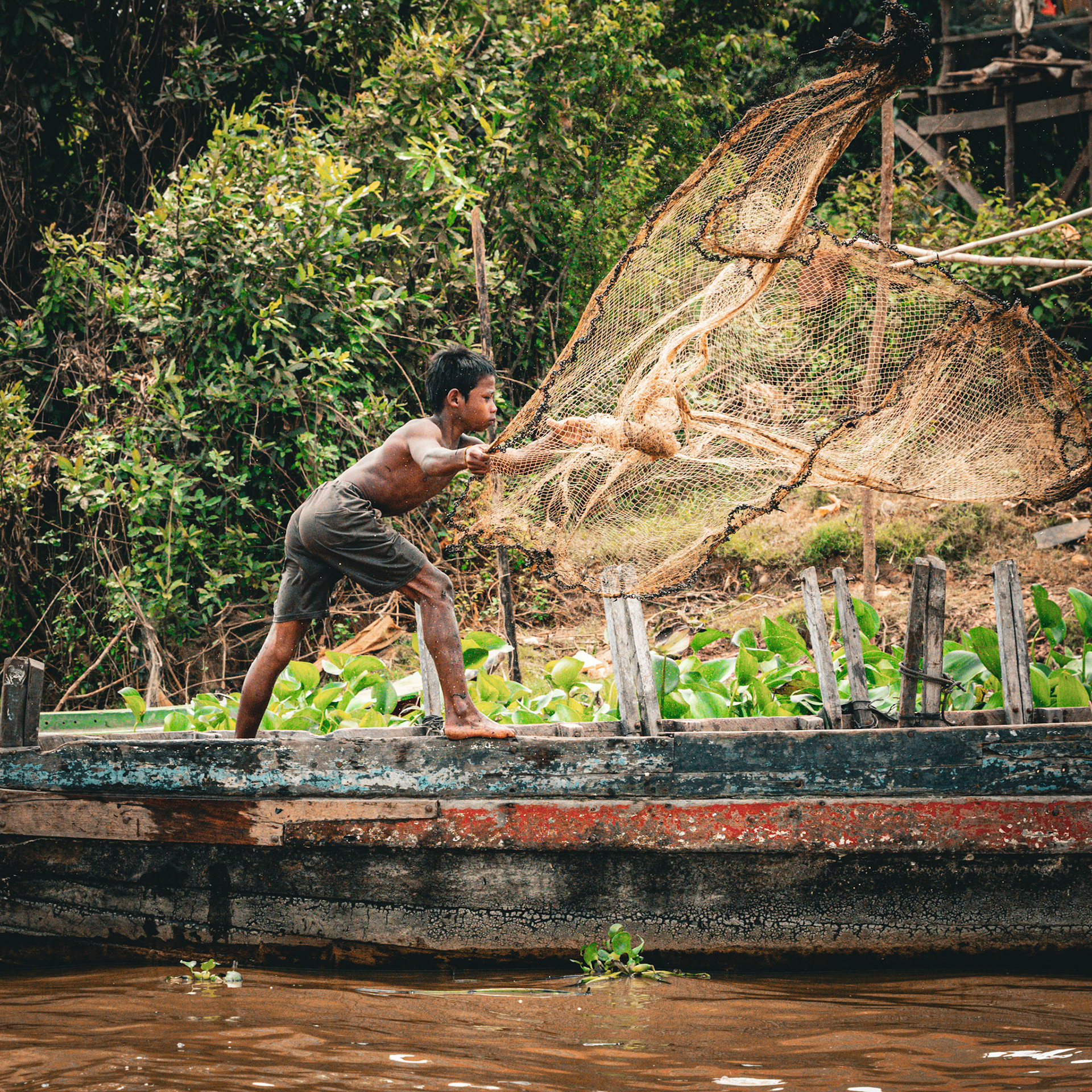
After we crossed the moat we were in the temple complex itself, reported to be the largest religious site in the world, but still with quite a few people in even early in the morning. Our guide showed us around for about two hours, but we could easily have stayed longer if it wasn’t for the need to get back to have breakfast. As it turned out, as we had the afternoon and evening free, we returned at the other end of the day, as the sun was about to set, Anne and had another good look round. In between times, we went to Tonle Sap lake for a ride on a boat to see the fisherman and the floating village. As we are getting towards the end of the dry season in March, the water was quite low and so we saw all of the houses sitting on stilts. After the rain has come, and grown the lake to more than four times its size, many of these houses that appear to be floating, with a water level rising the height of the stilts.
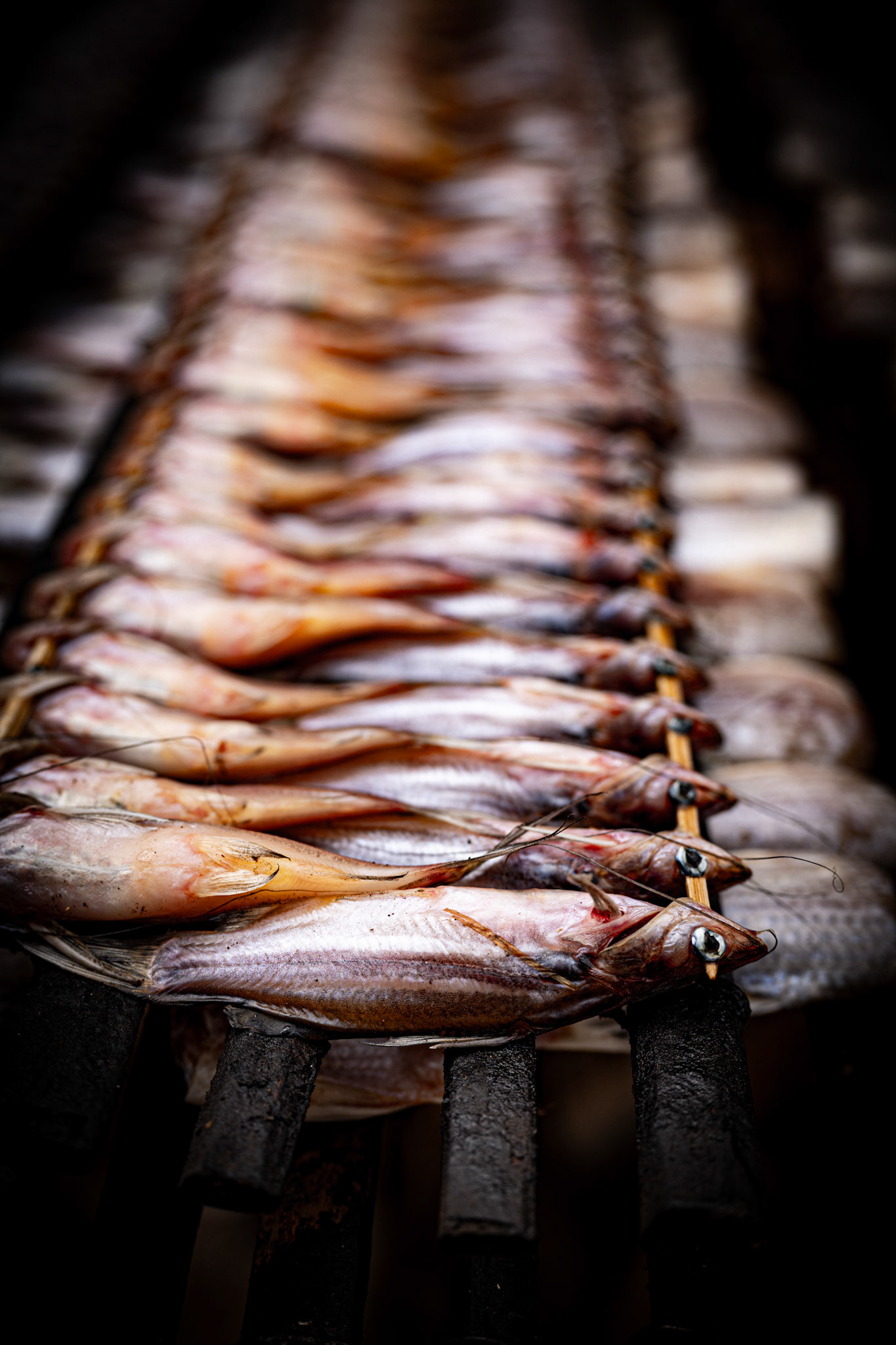
The lake was about an hours drive from the hotel, so by the time we got back, having stopped to see The smoked fish caught from the lake, meant to buy a snack in the form of rice and beans cooked in a bamboo cane, we just had time for a swim before returning to Angkor Wat and then back into town to Pub Street for dinner.
Hoi An
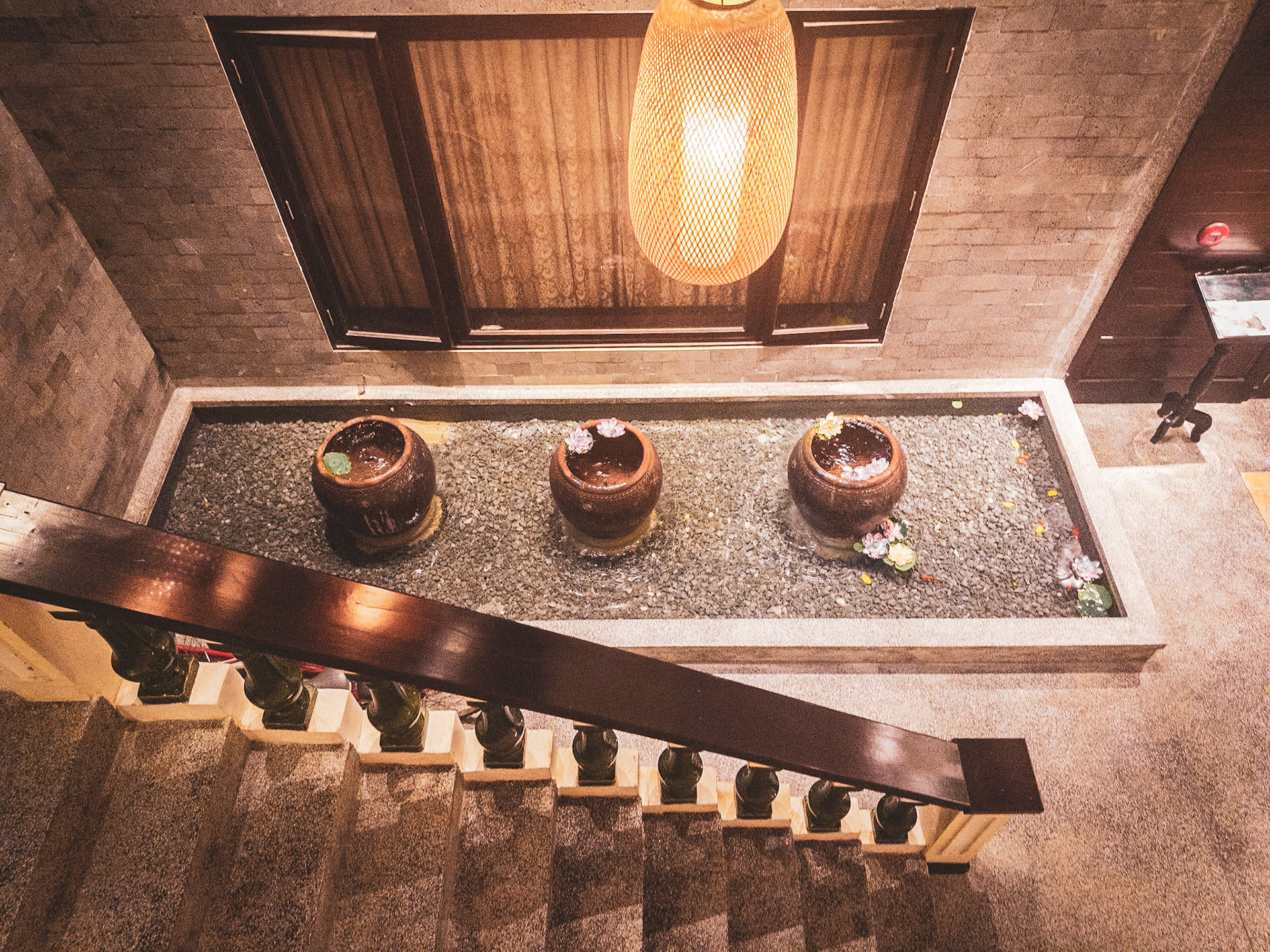
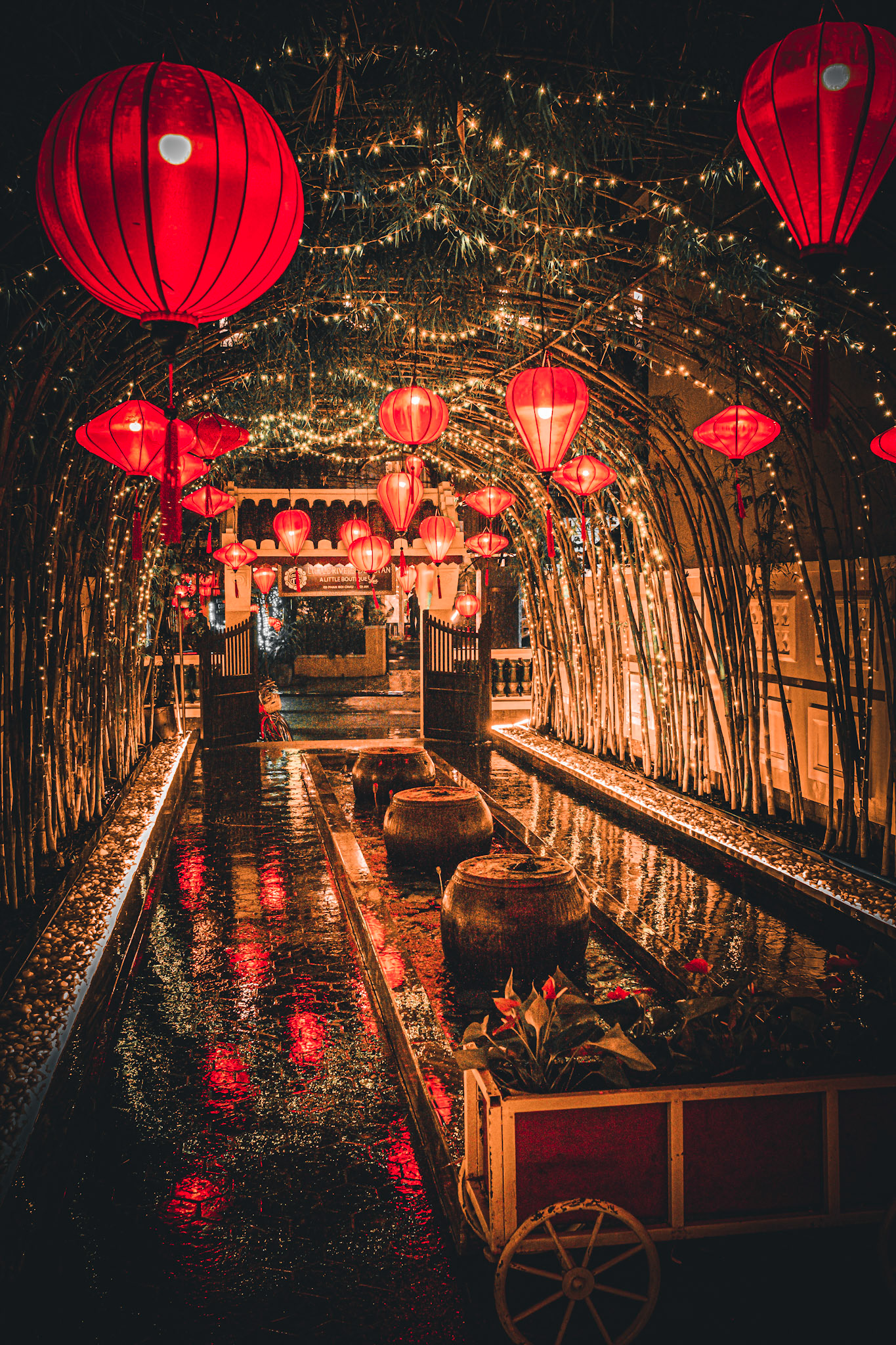
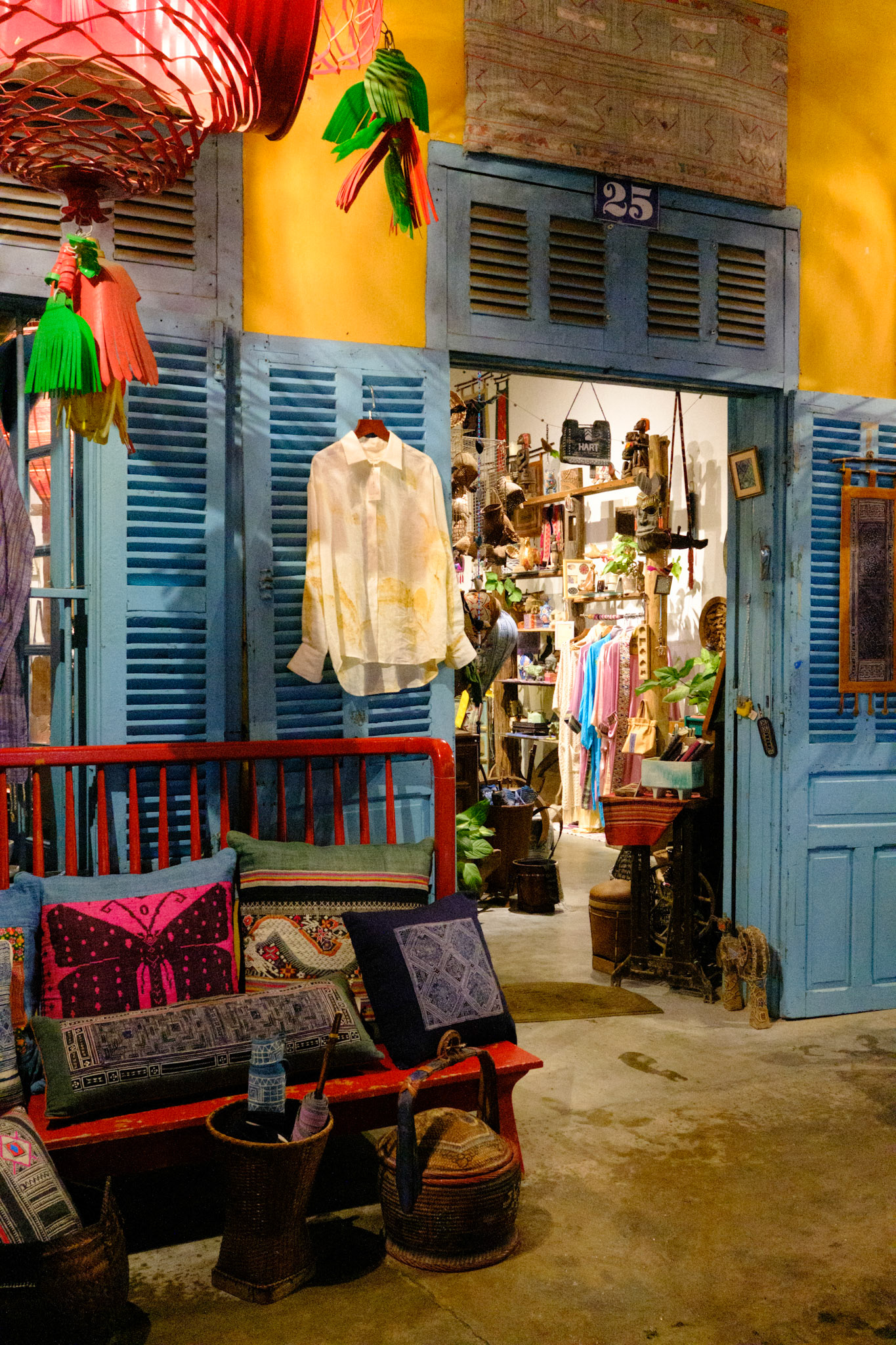
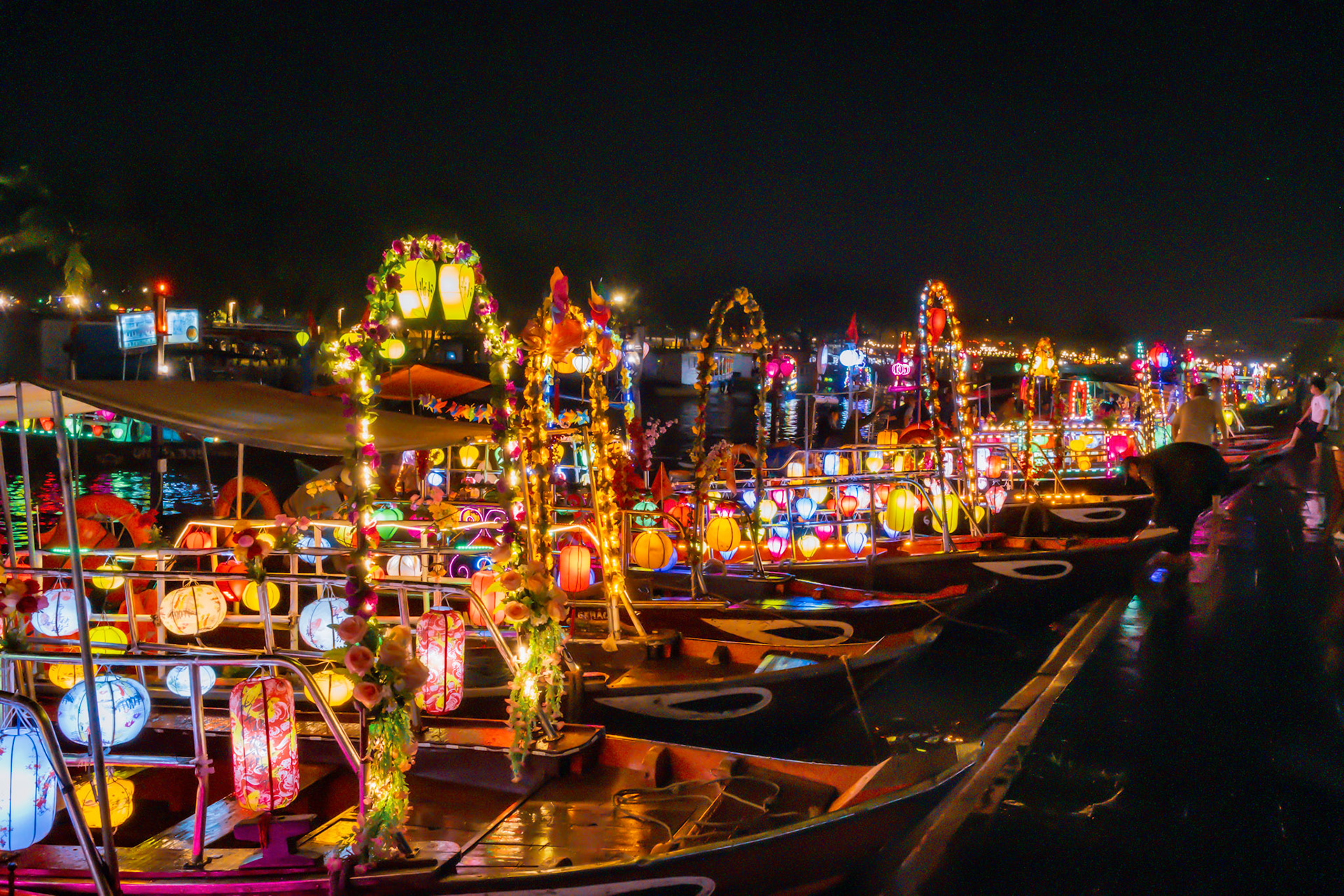
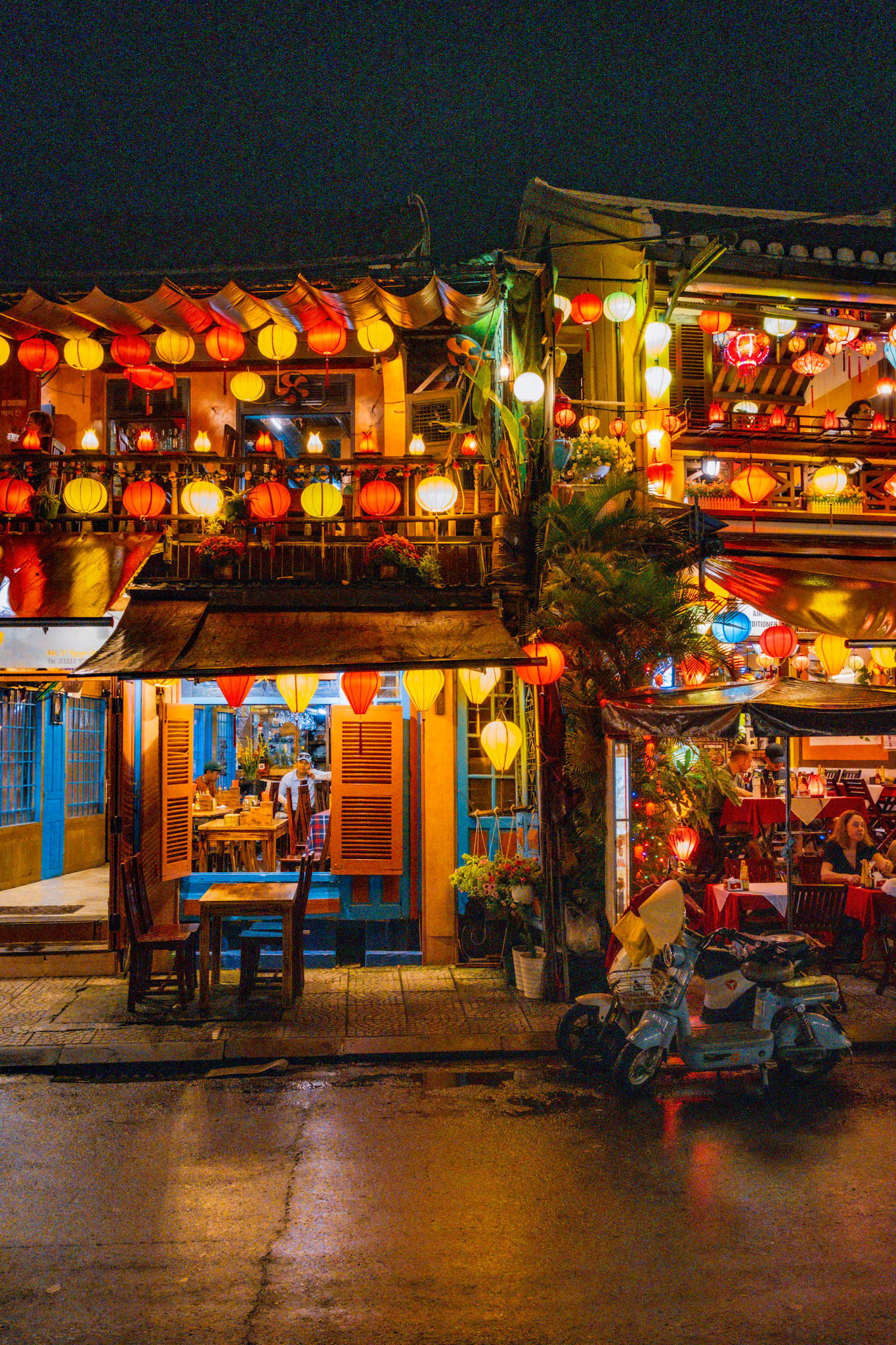
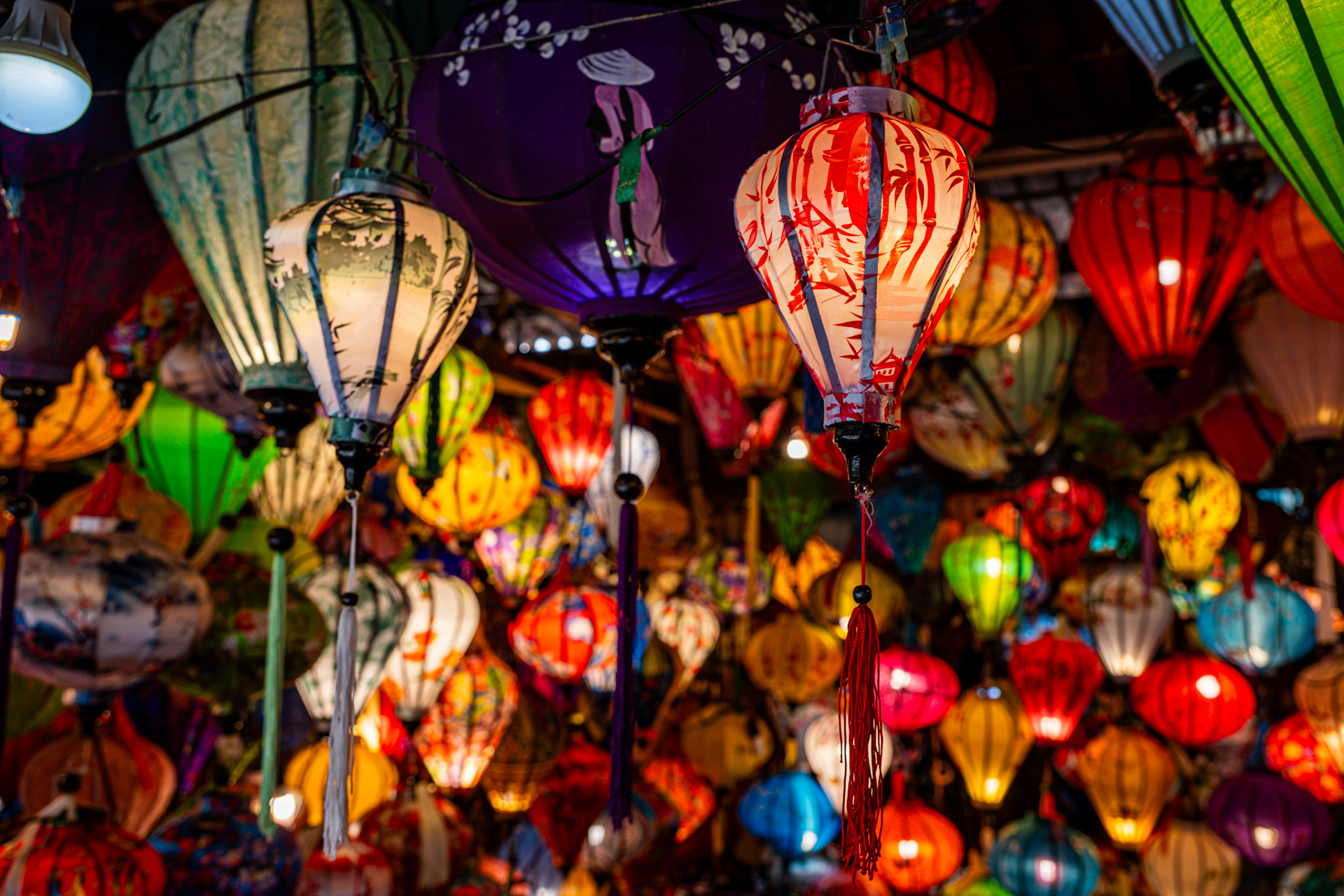
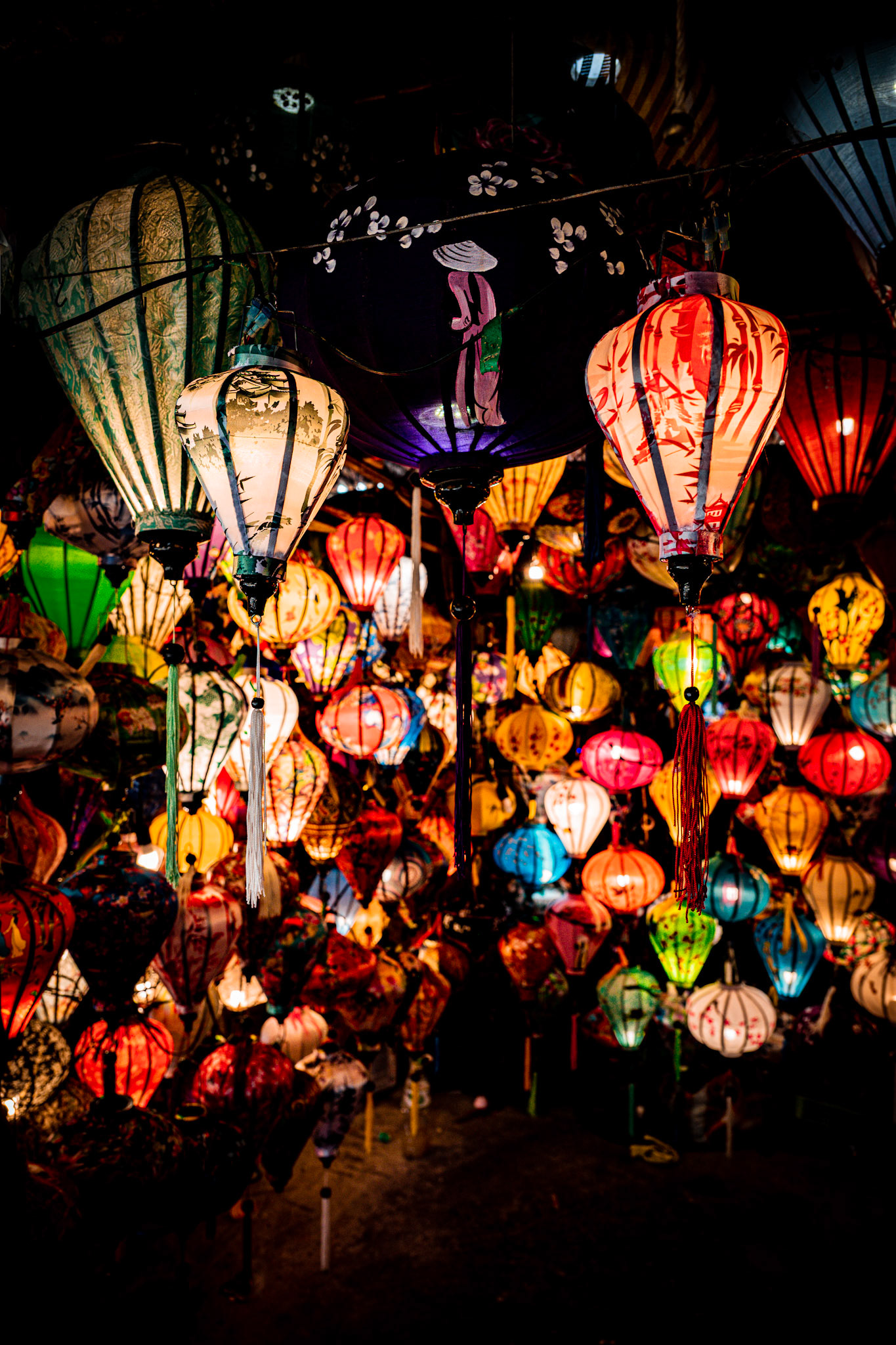
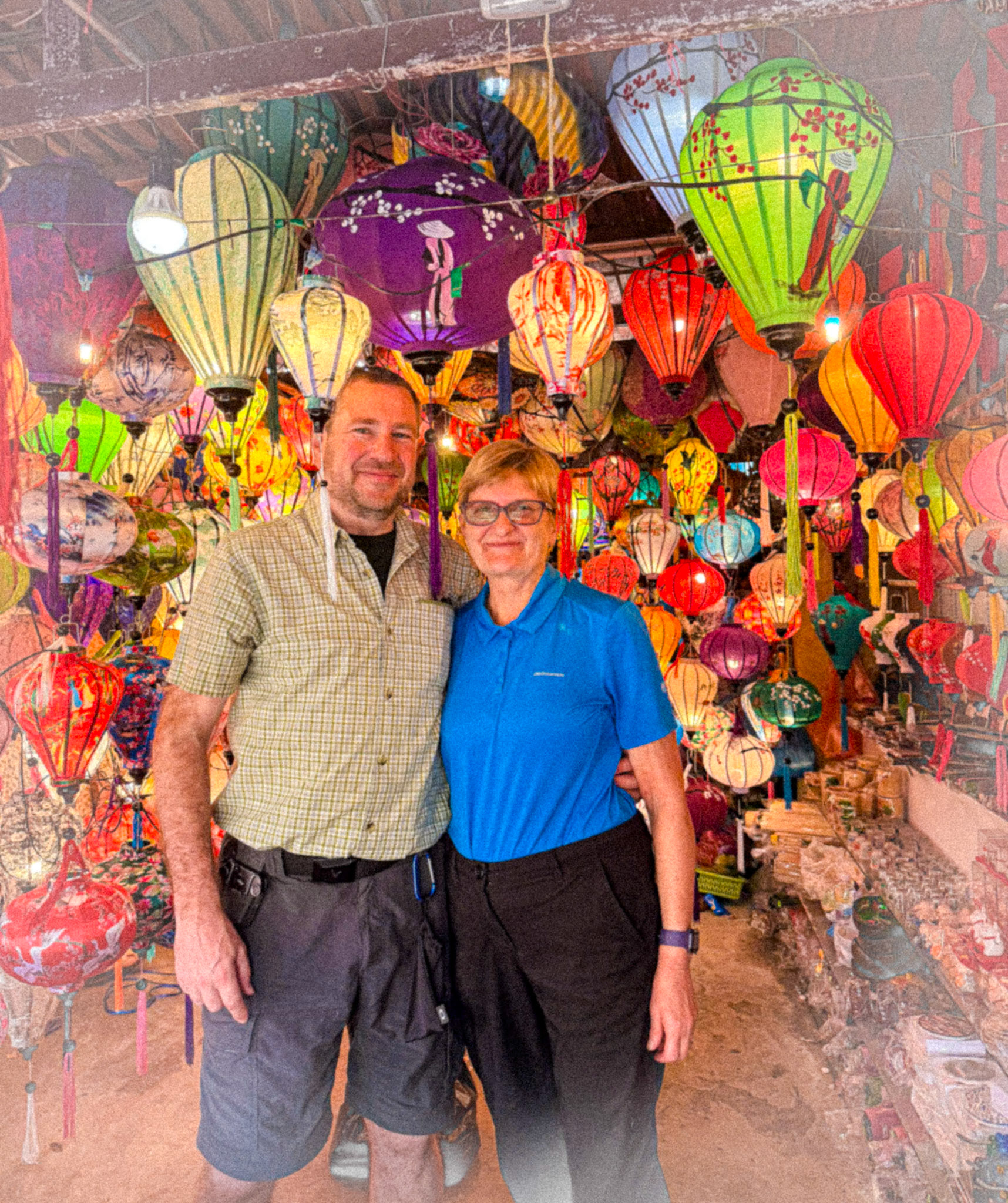
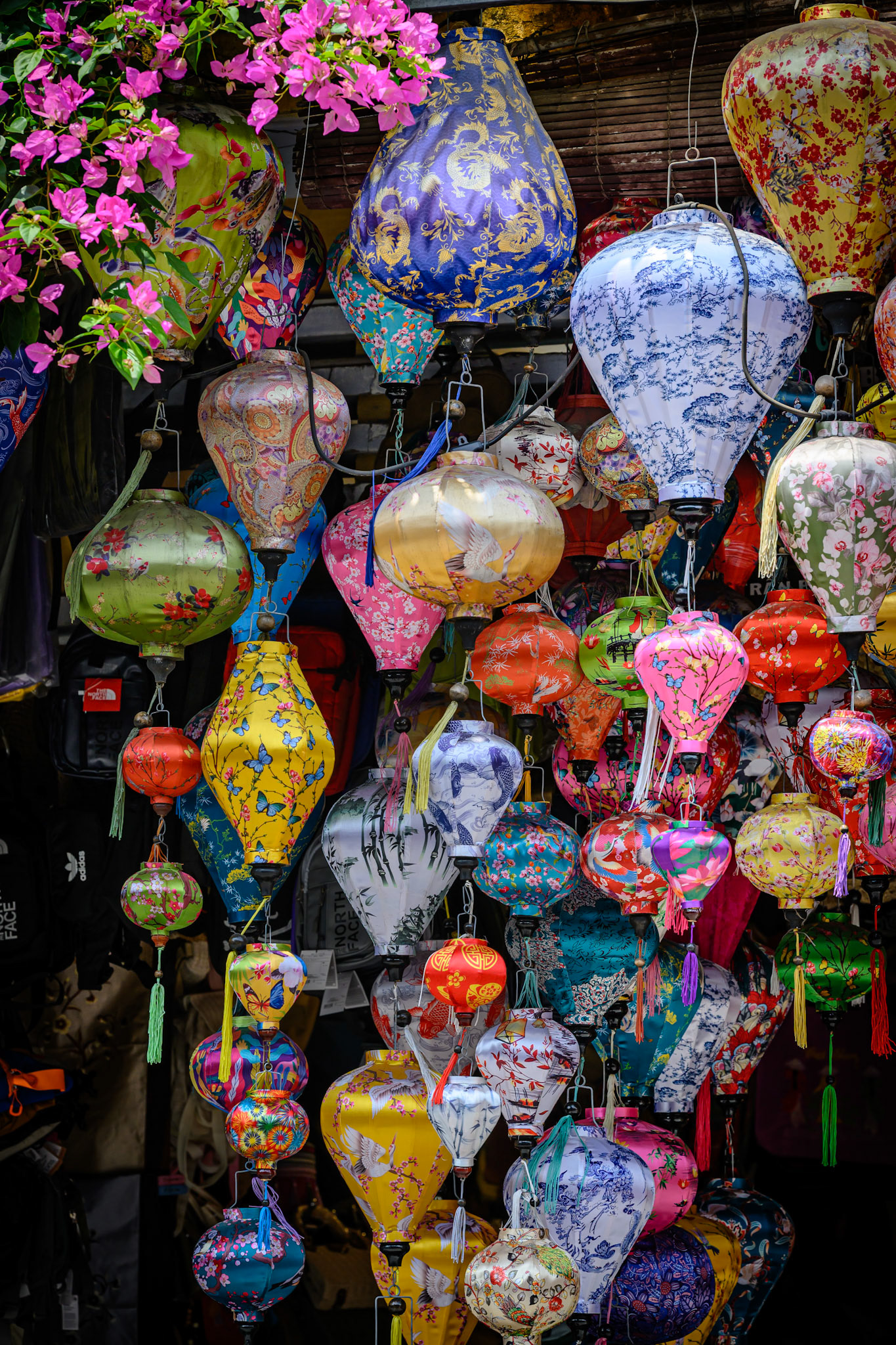
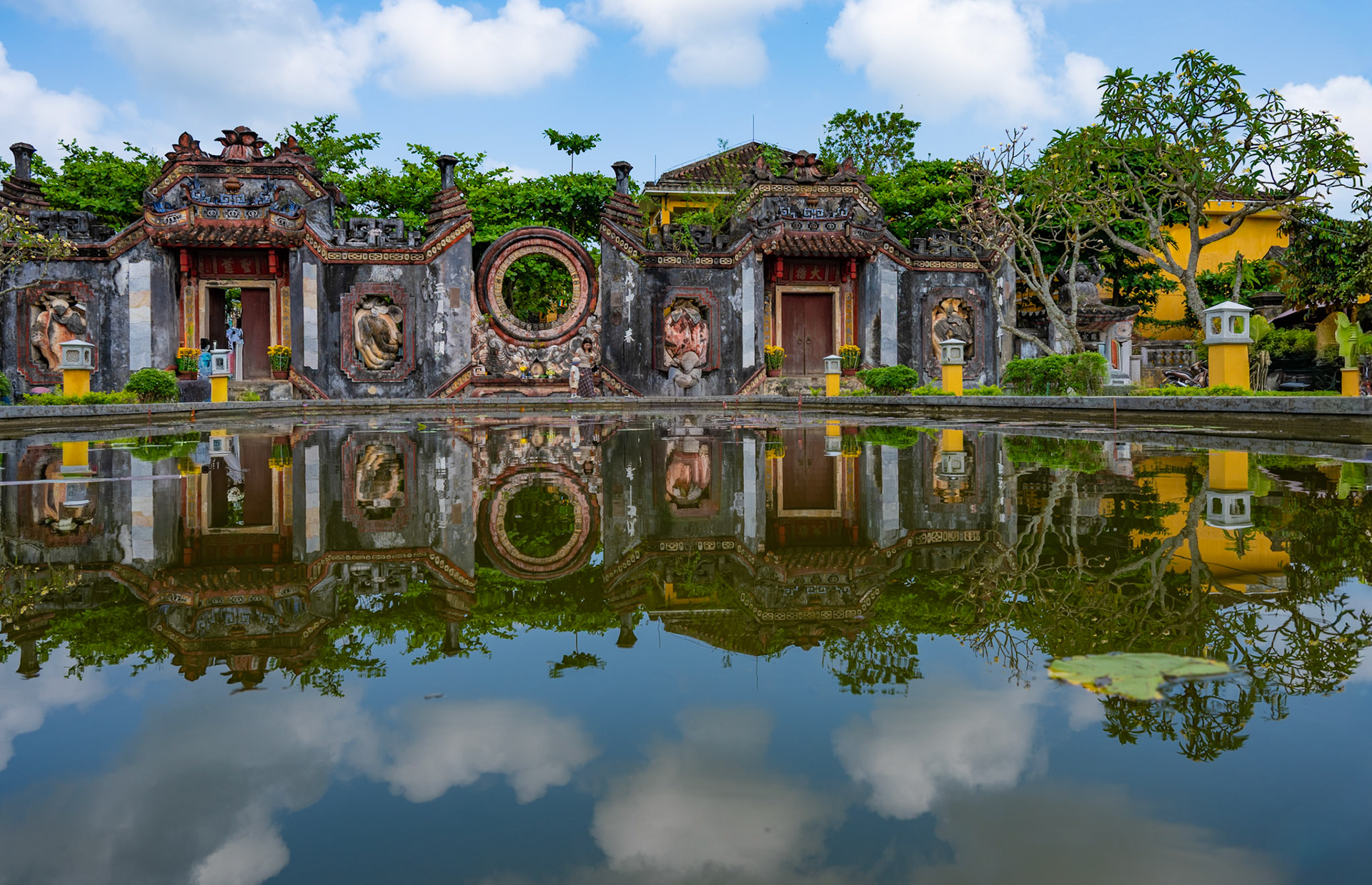
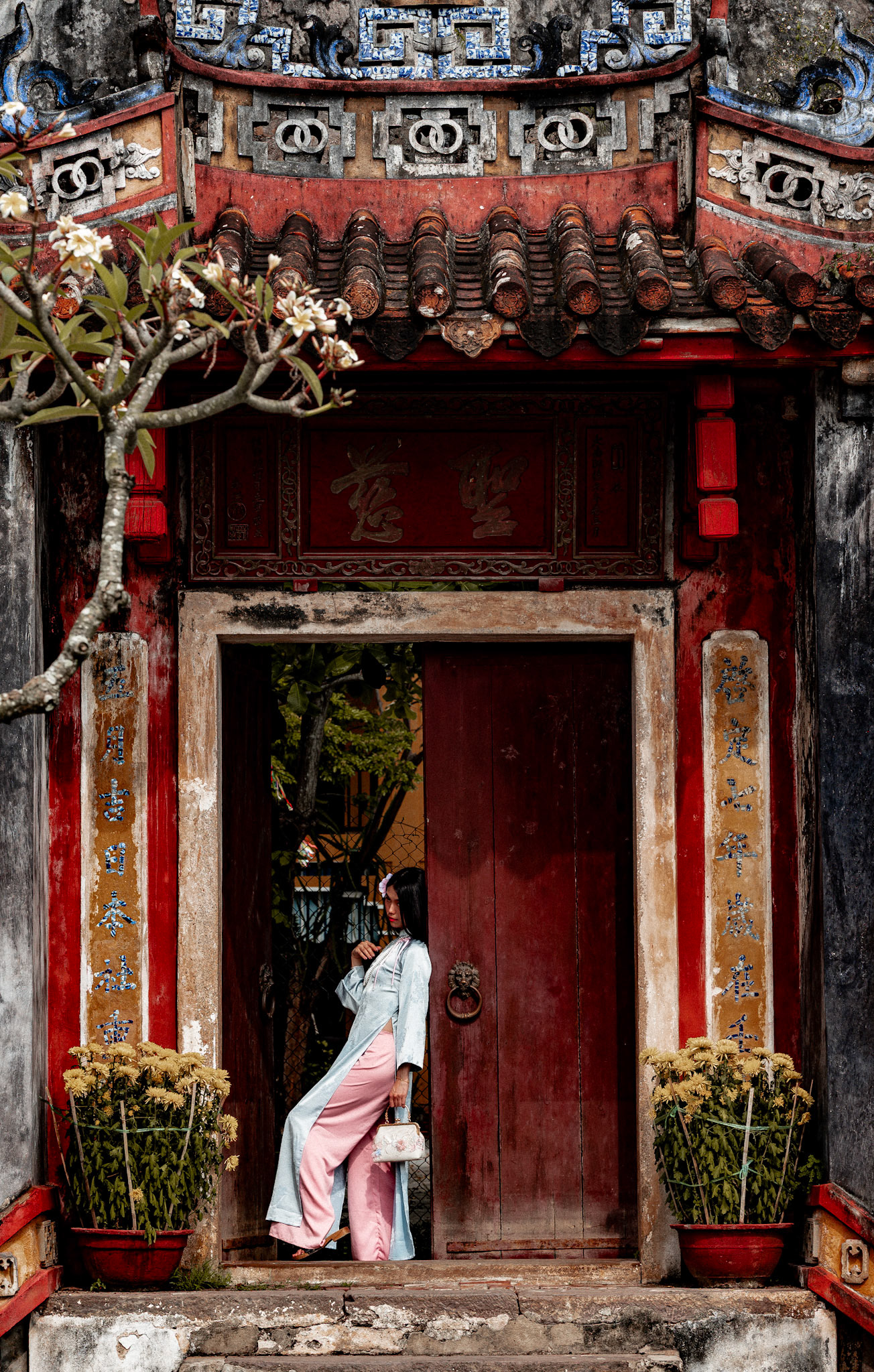
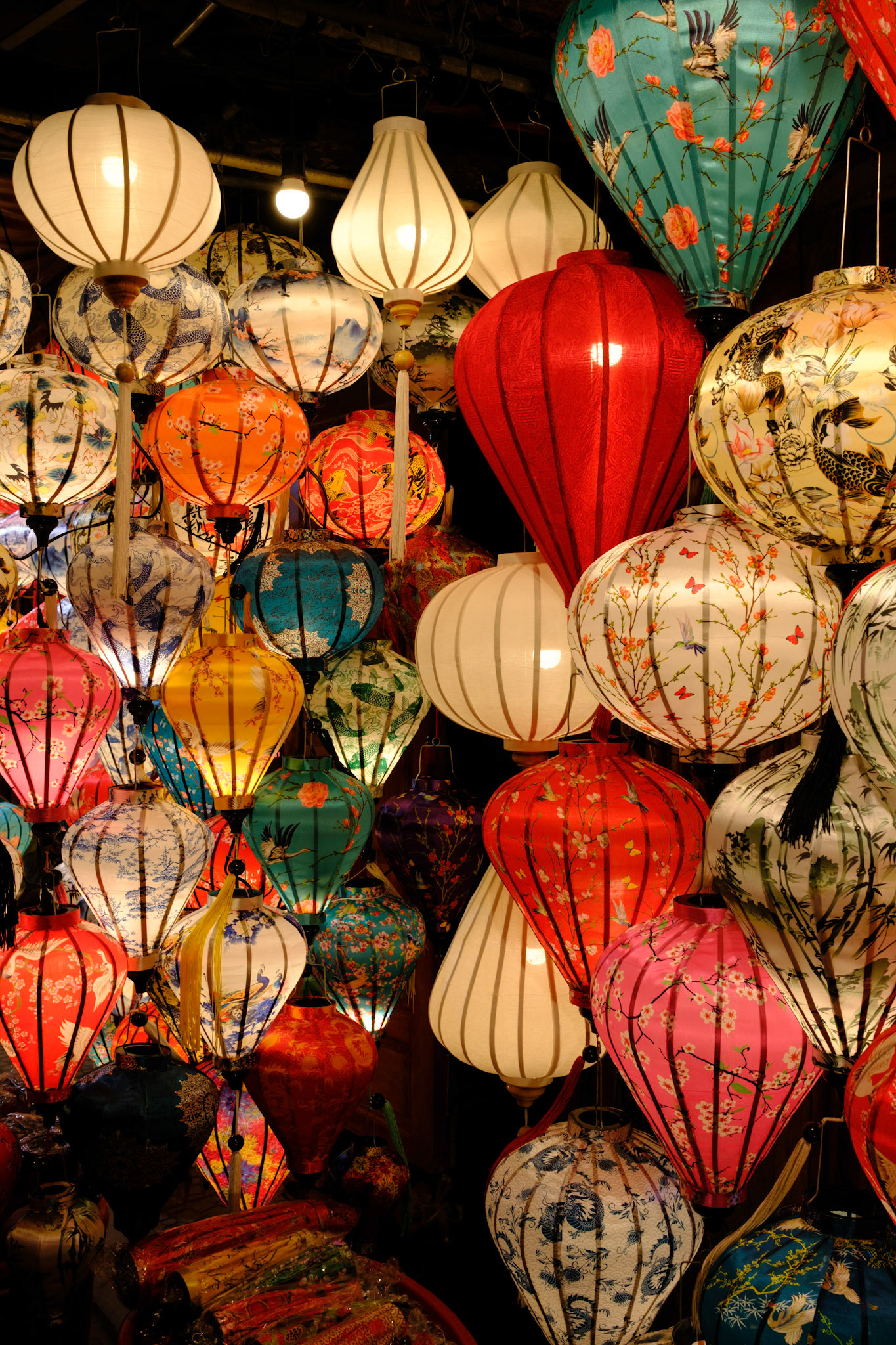
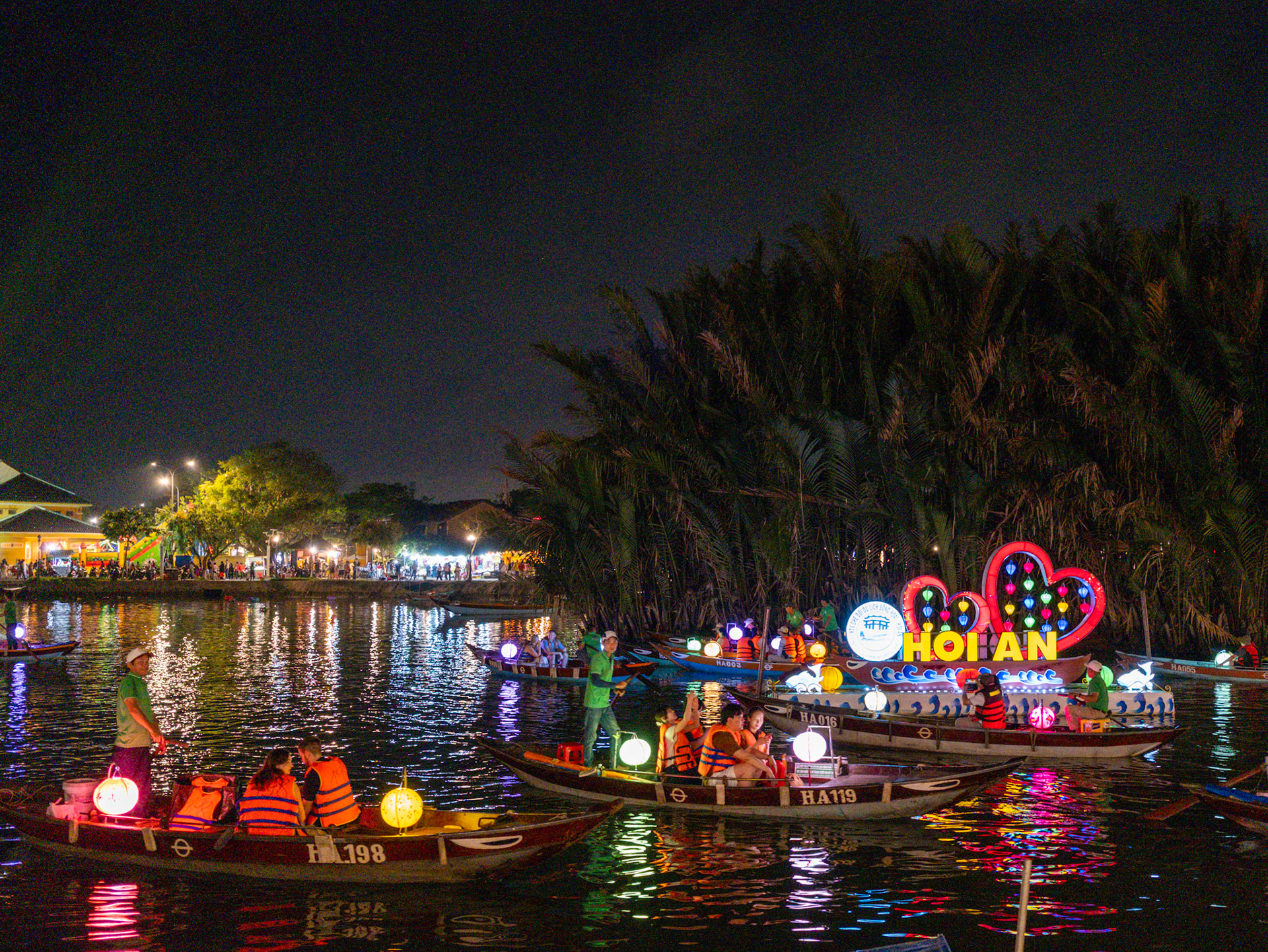
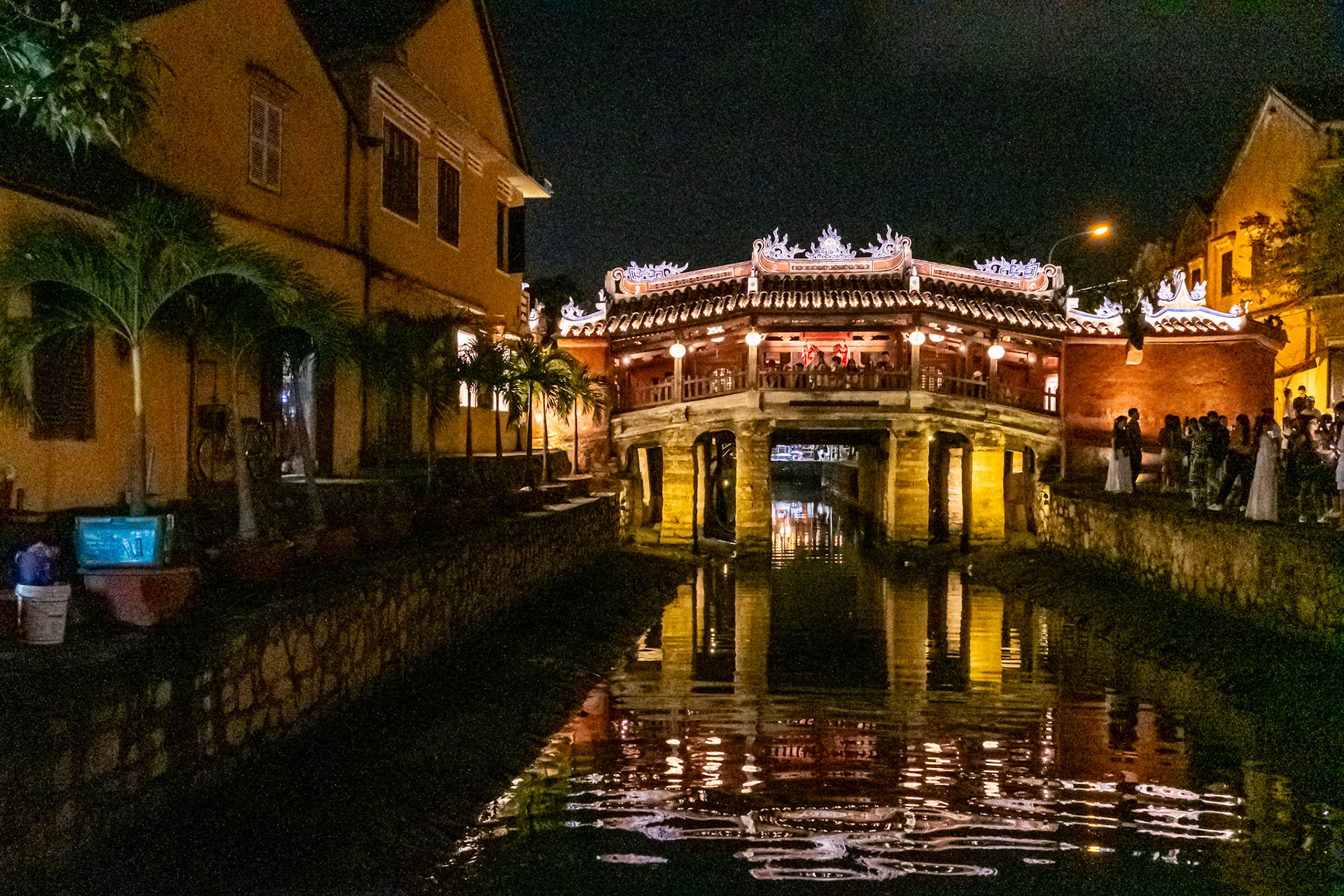
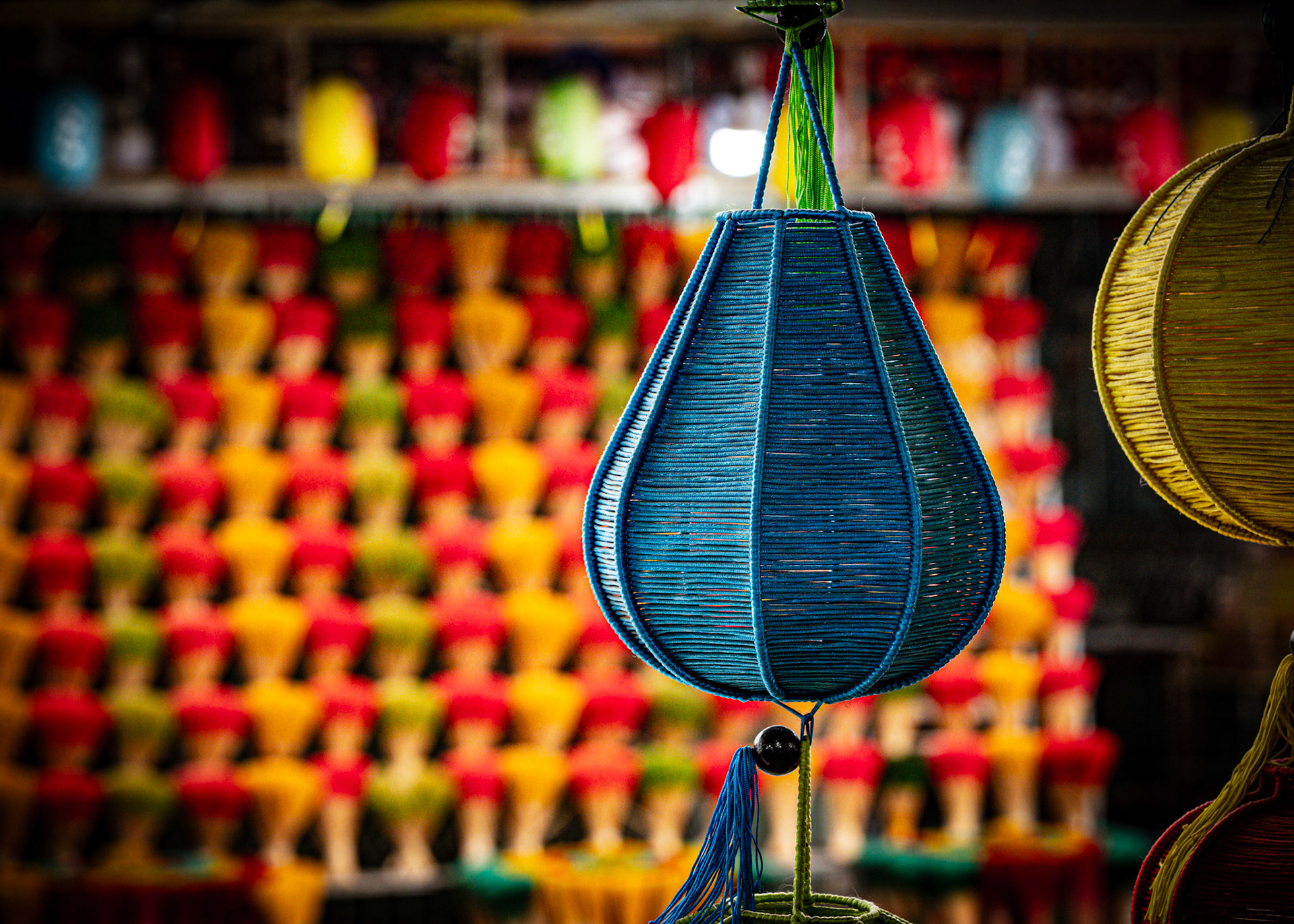
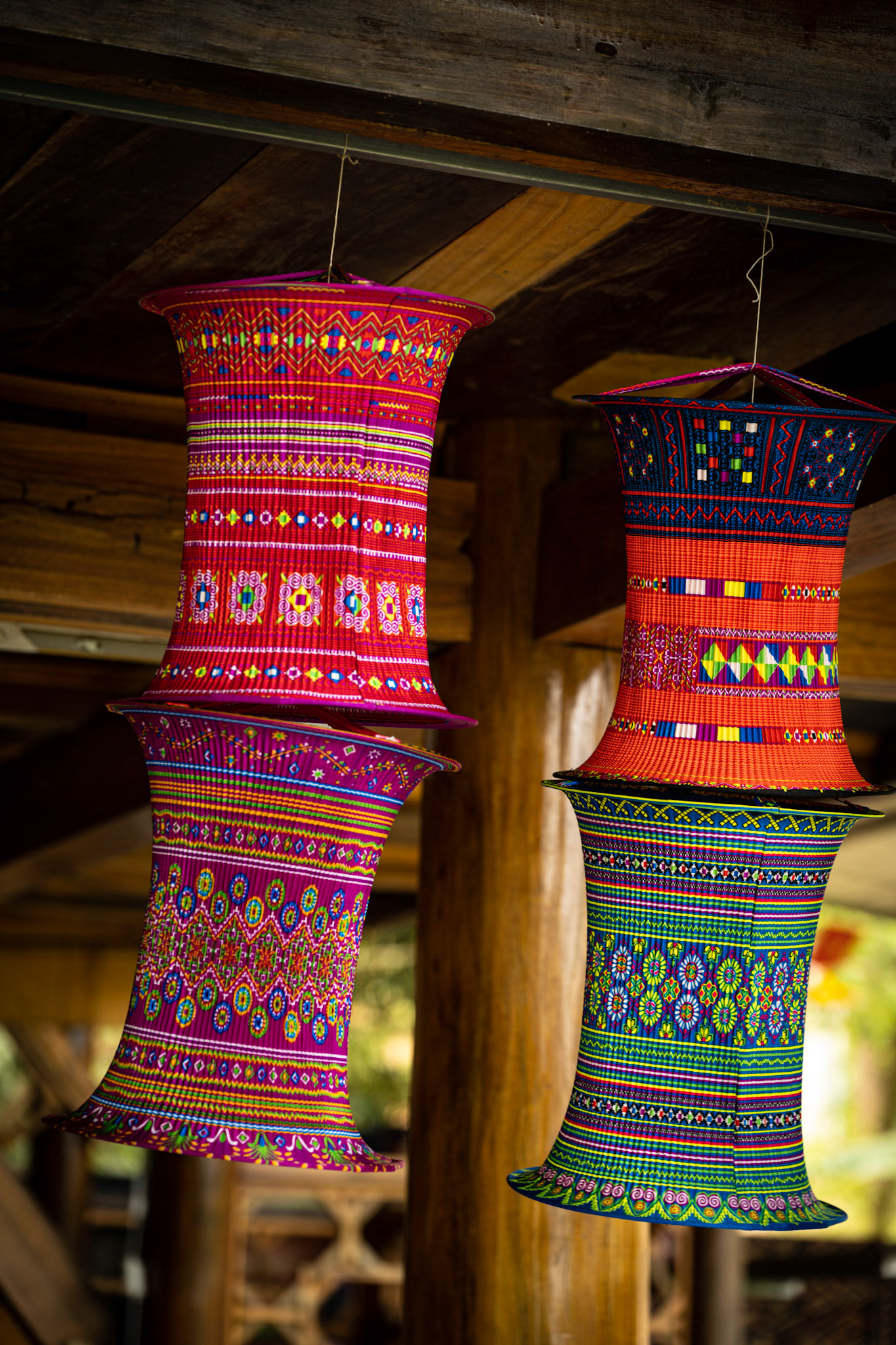
After flying from Cambodia to Vietnam, we had a drive for about an hour from the airport to Hoi An - a sixteenth century trading port that fell into hard times when the river silted up. The hard times were to become a bit of a blessing in disguise as it meant there was no money to modernise the town at all, and therefore many of the original buildings, included merchant houses, remained largely untouched. A number of these buildings remain, and have been converted into museums or show houses over the last 30 years making it a Mecca for tourists. The town is also known for it lanterns, with shops being required, by law, to hang lanterns outside, making the place very bright and colourful. At night, small boats on the river also have lanterns, making a colourful spectacle on the river overnight. There are lots of tourists, and lots of shops for the tourists, largely selling leather goods, clothes or souvenirs.
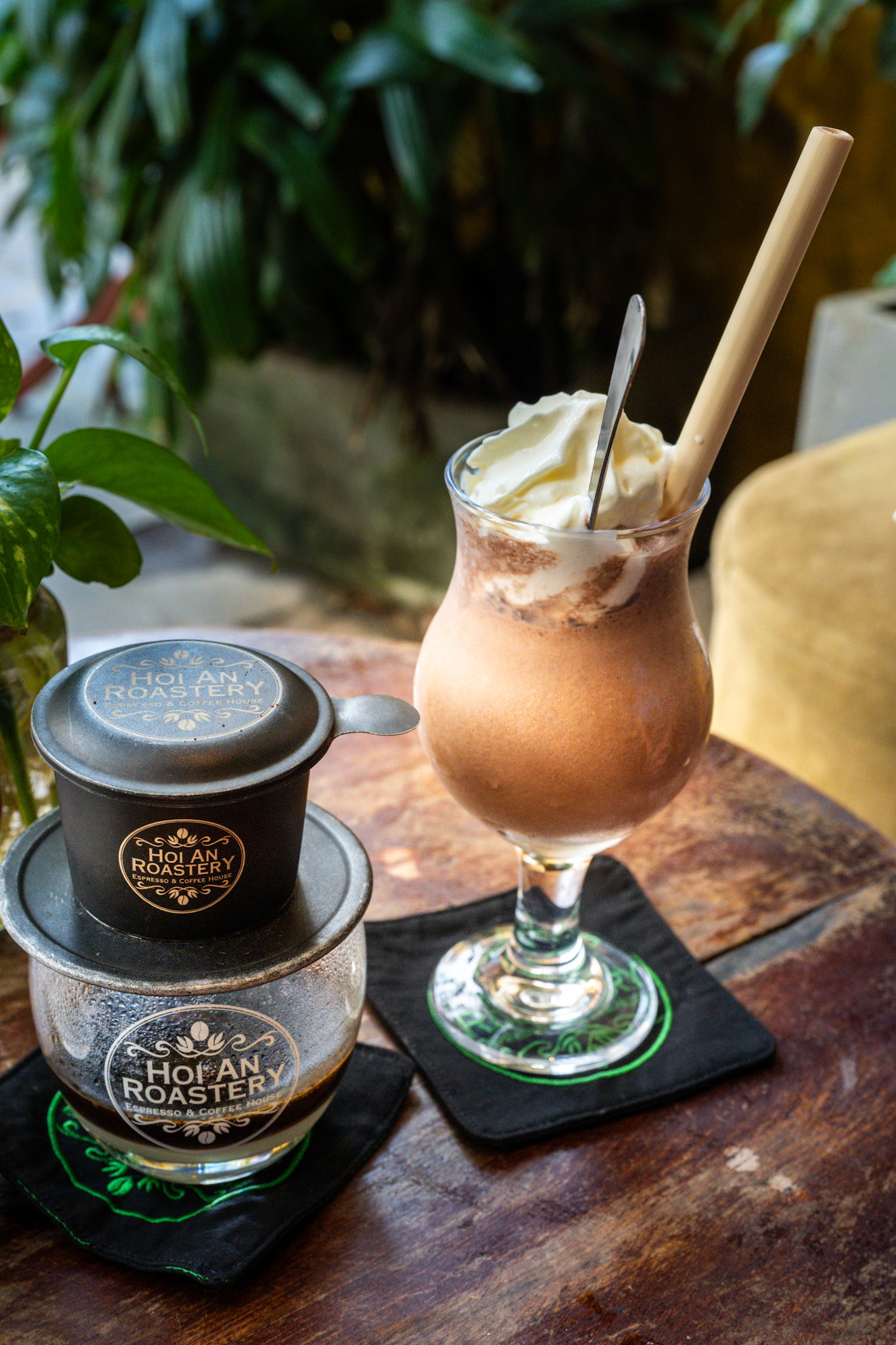
We had a guide for our first full morning, who took us around the town and showed us some of the historic buildings, and we had a pleasant time sitting in a Vietnamese coffee shop with him learning about his family history in the Vietnam war, where both his dad and uncle were taken prisoner, and his dad imprisoned for eight years before returning to the family, whilst his uncle was never seen again. I had a salt coffee, which was very much salted caramel flavour, with a strong shot of coffee. I followed it up later with a Vietnamese coffee which is allowed to filter through a small filter for about five minutes into condensed milk, and then mixed with ice to make a very nice iced coffee. I did buy a filter so hopefully we’ll be able to make some at home.
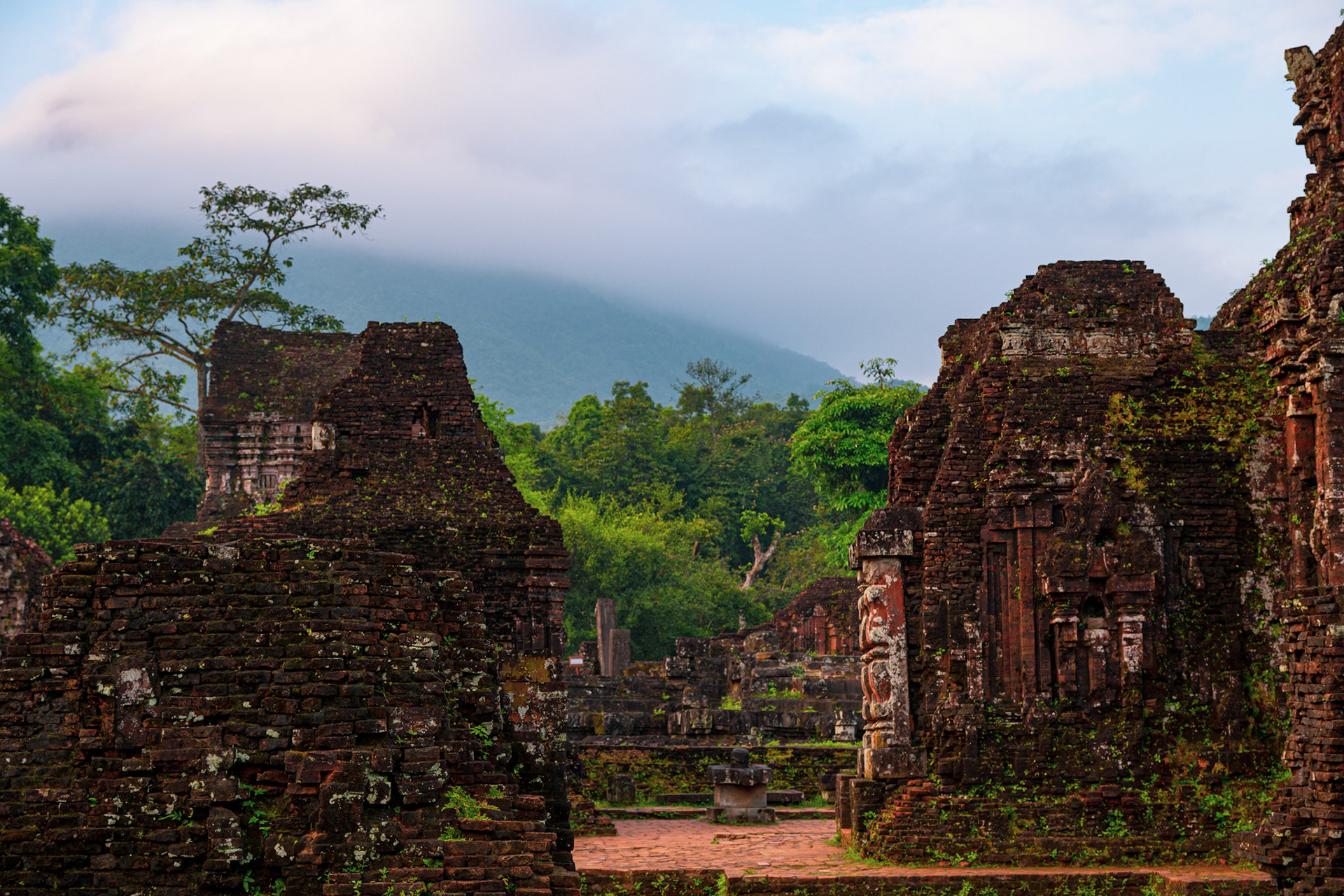
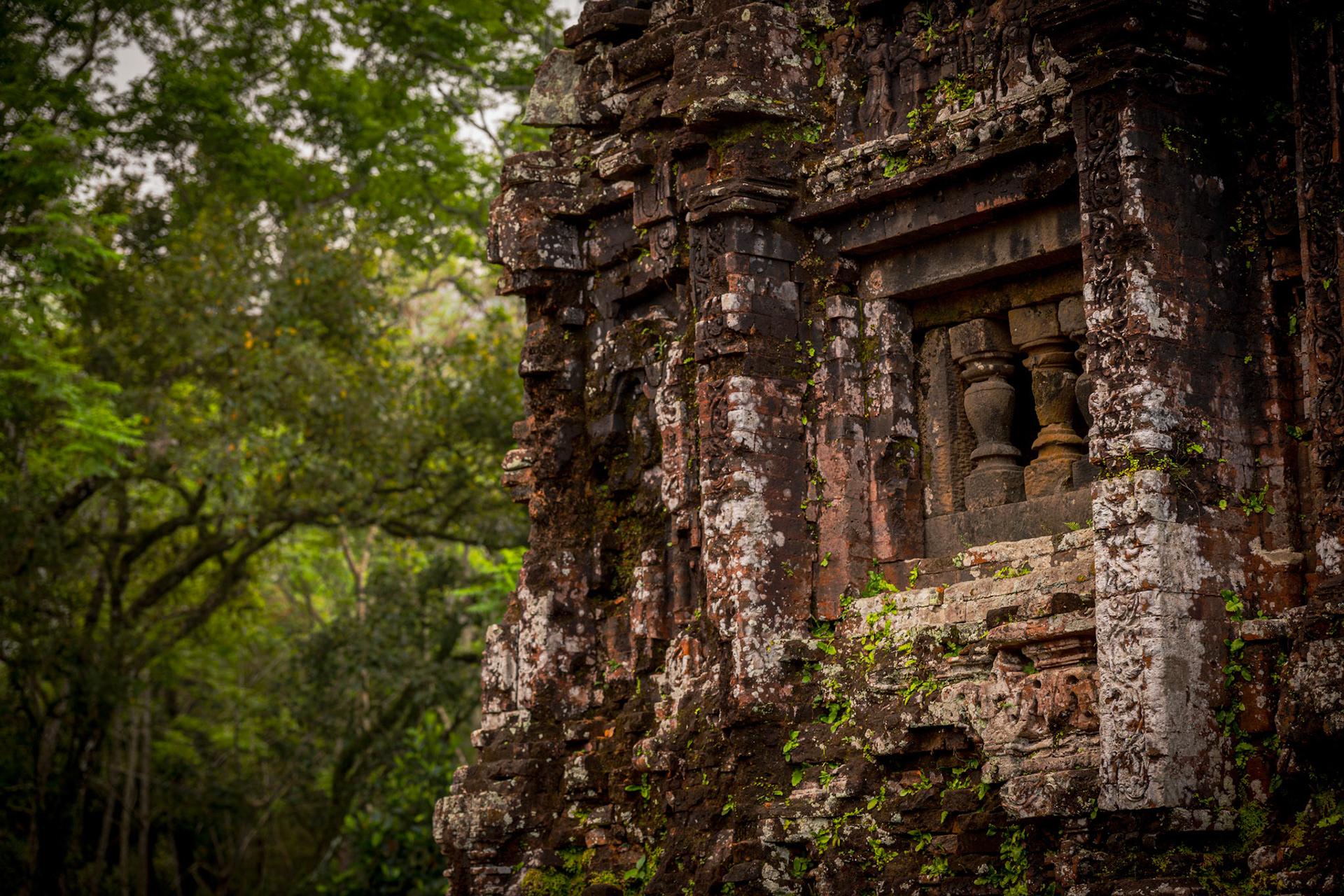
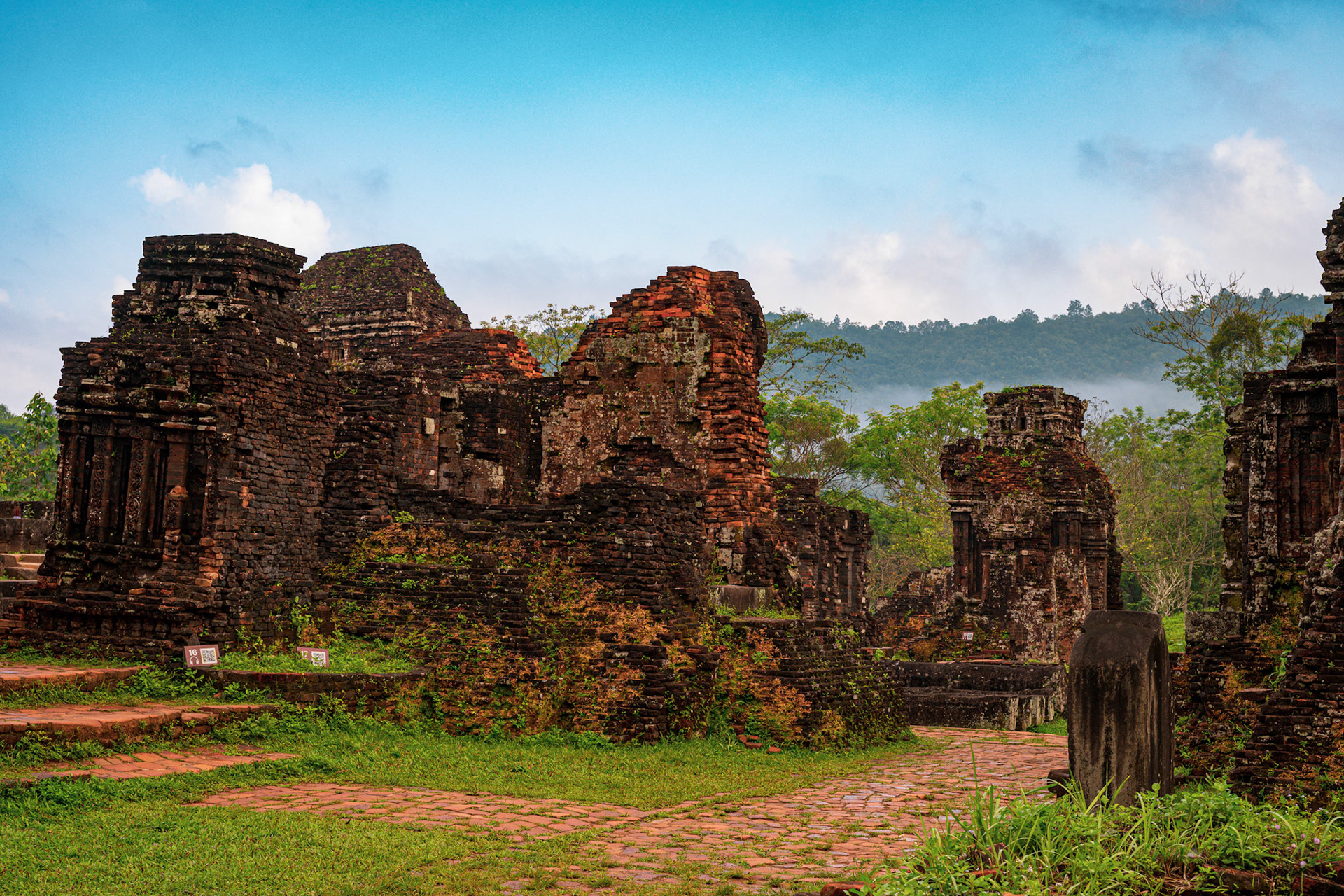
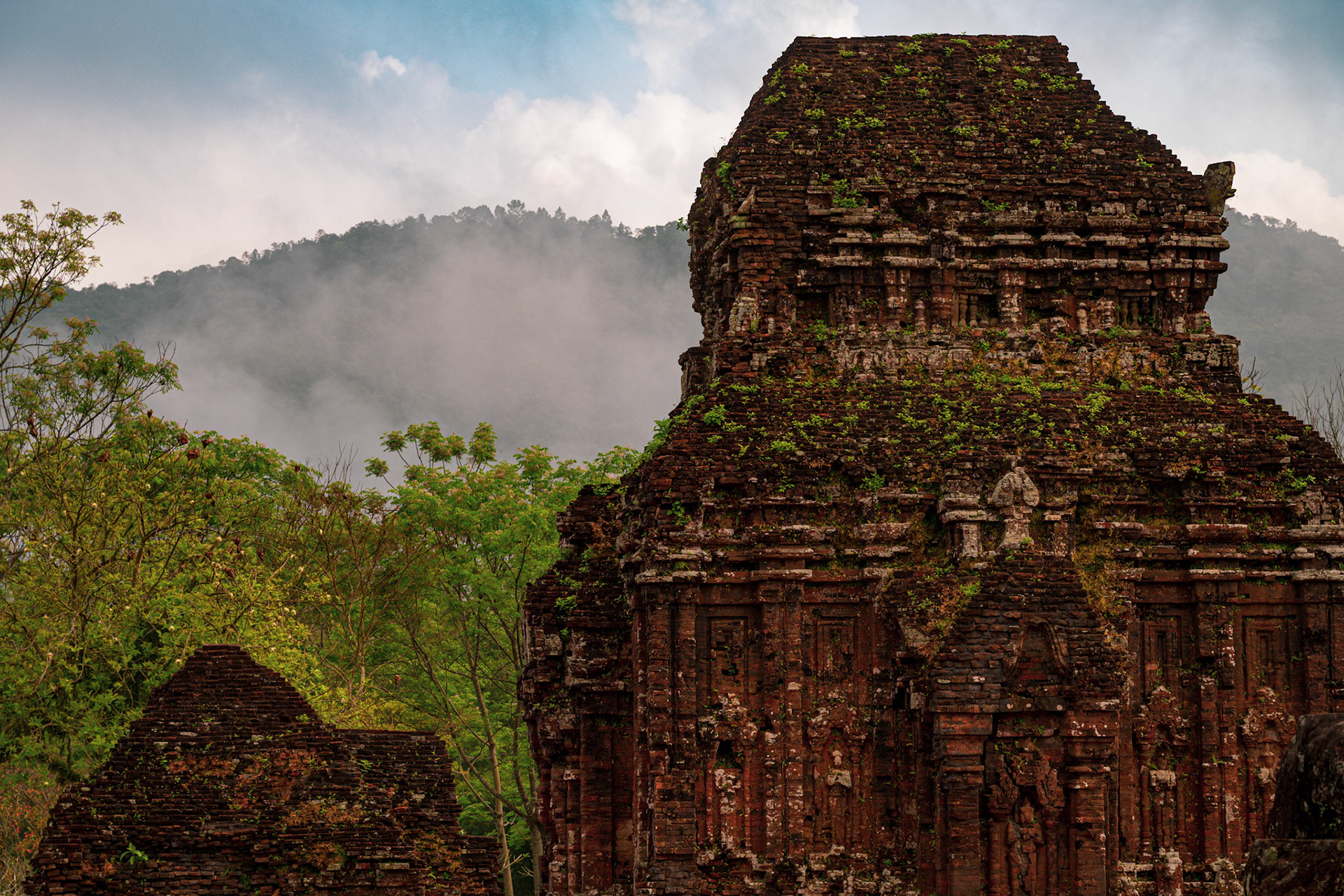
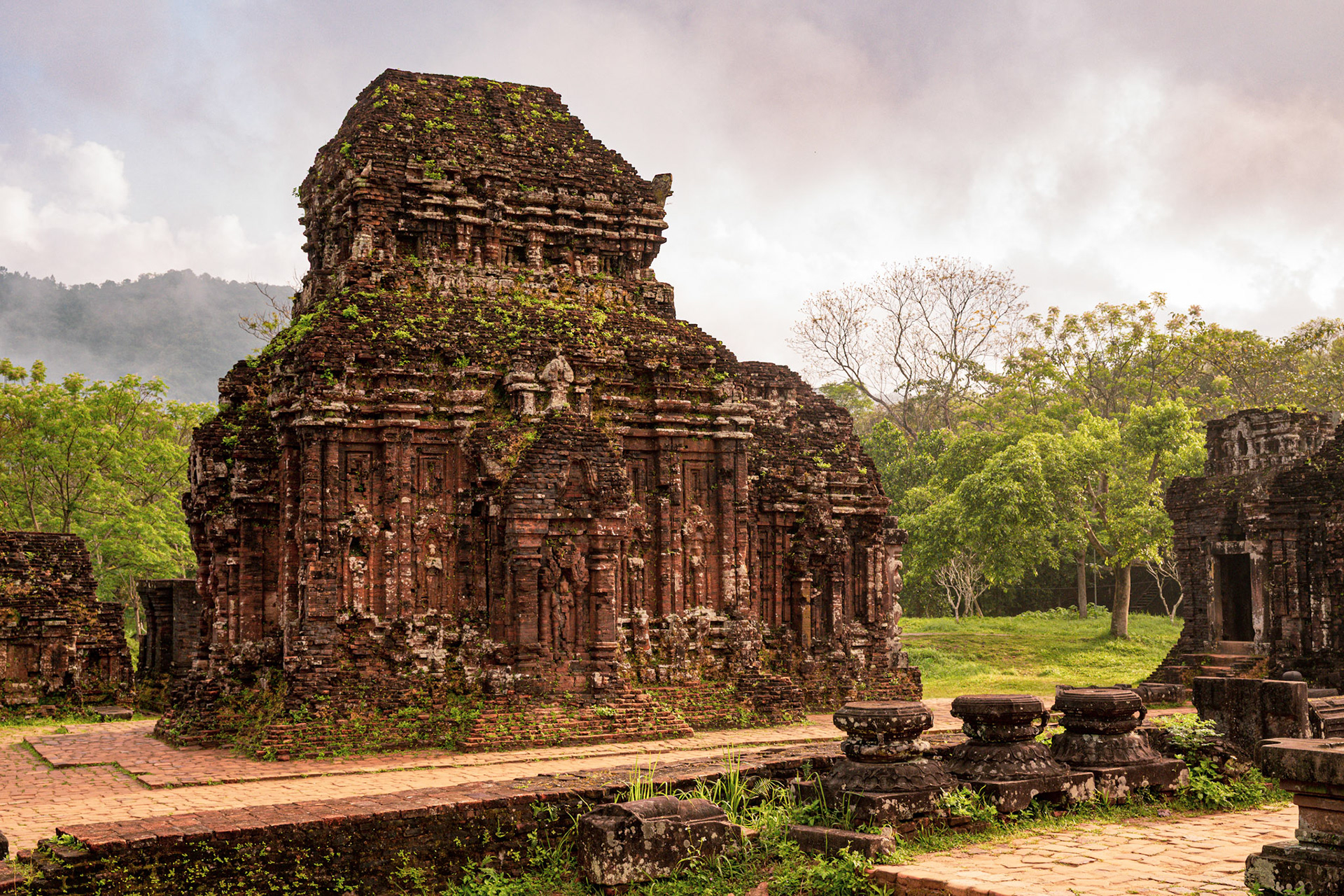
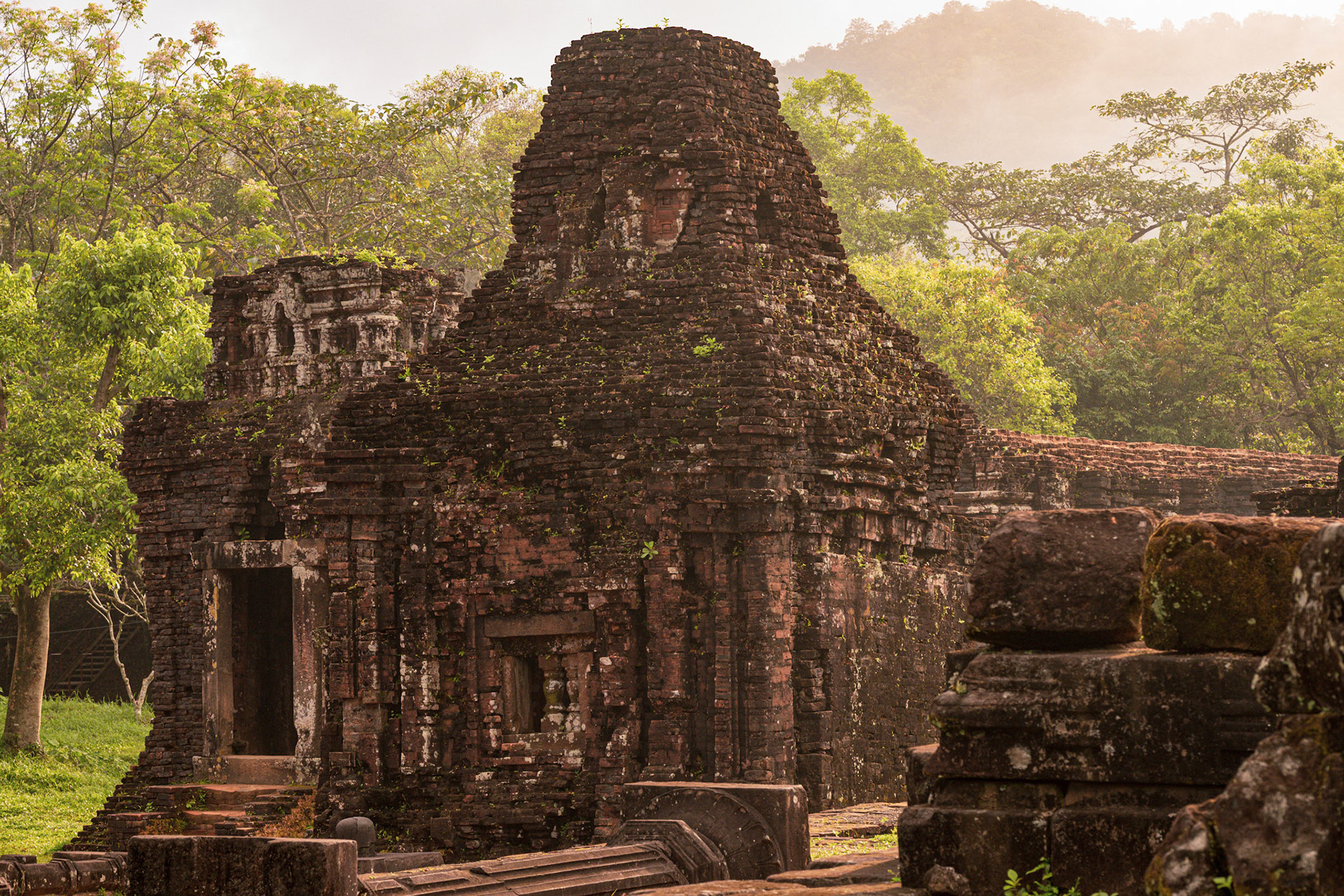
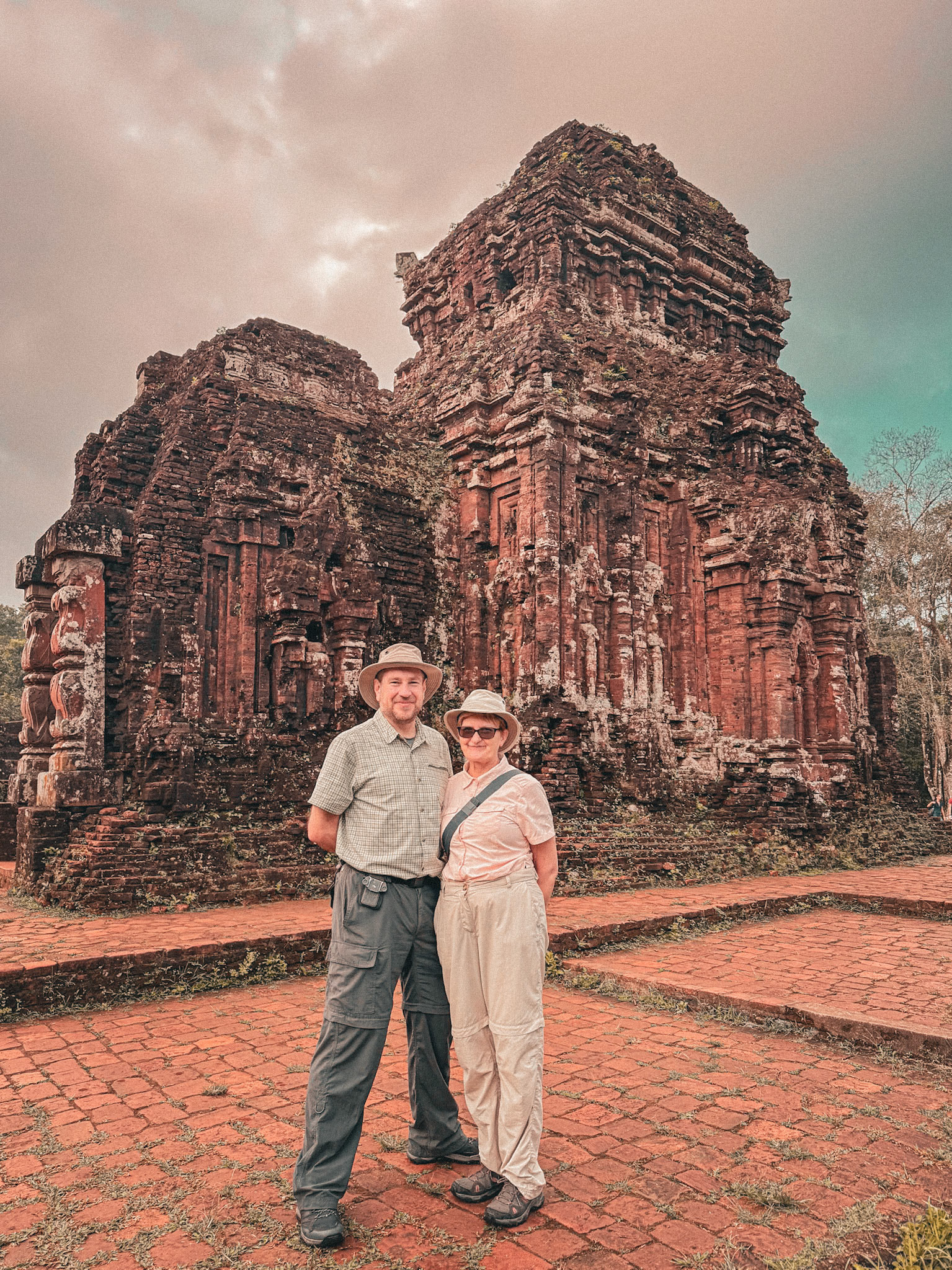
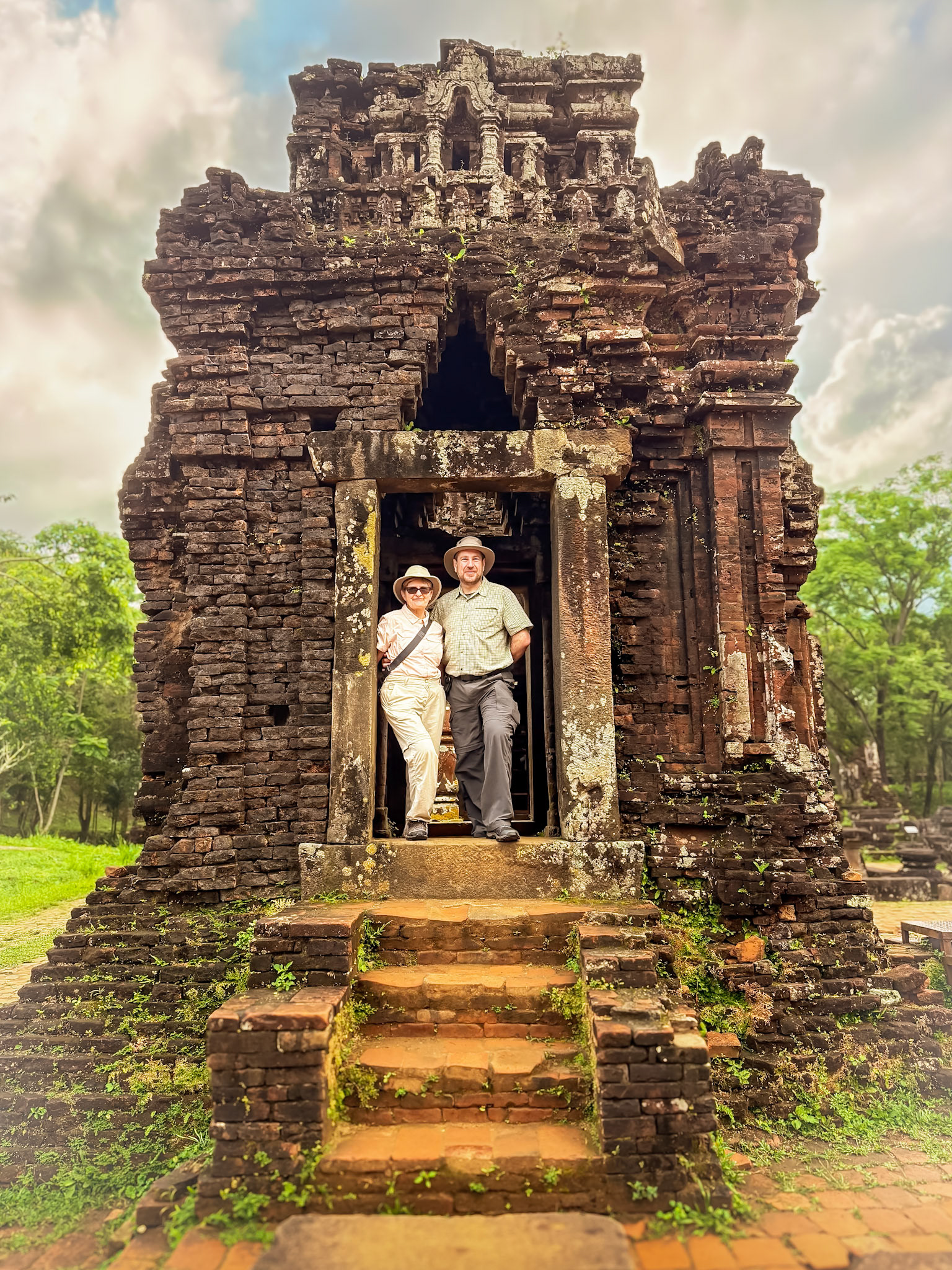
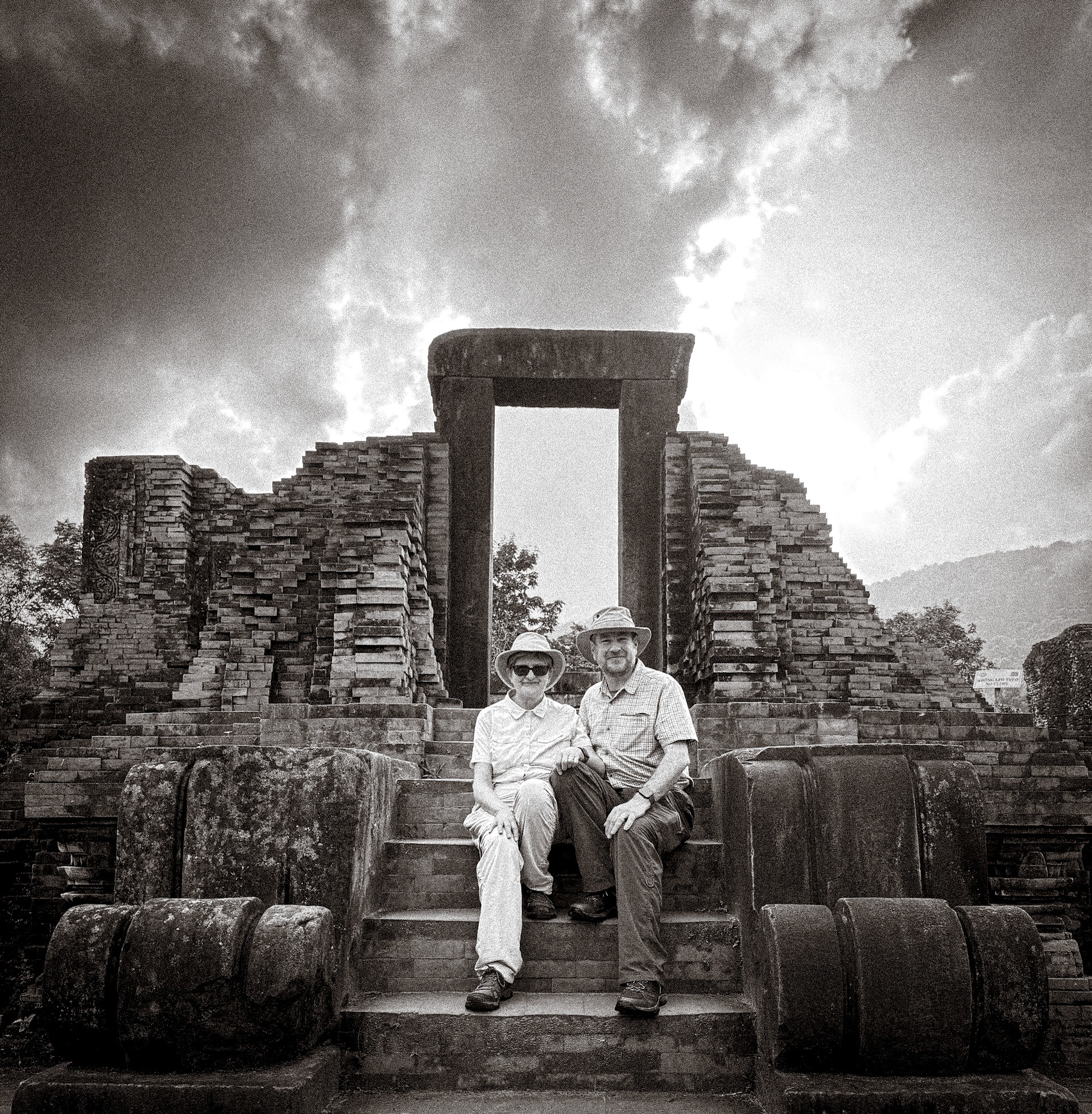
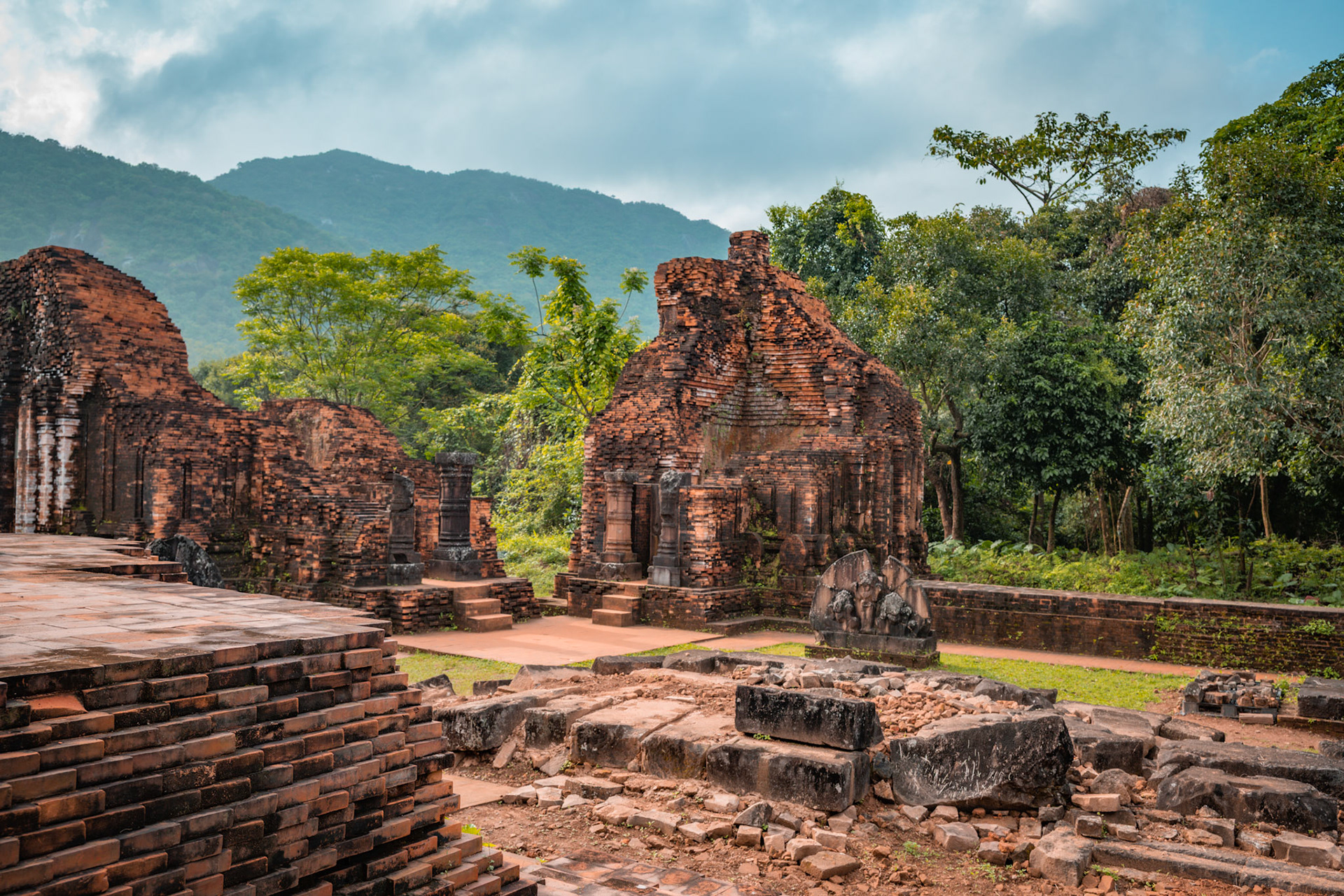
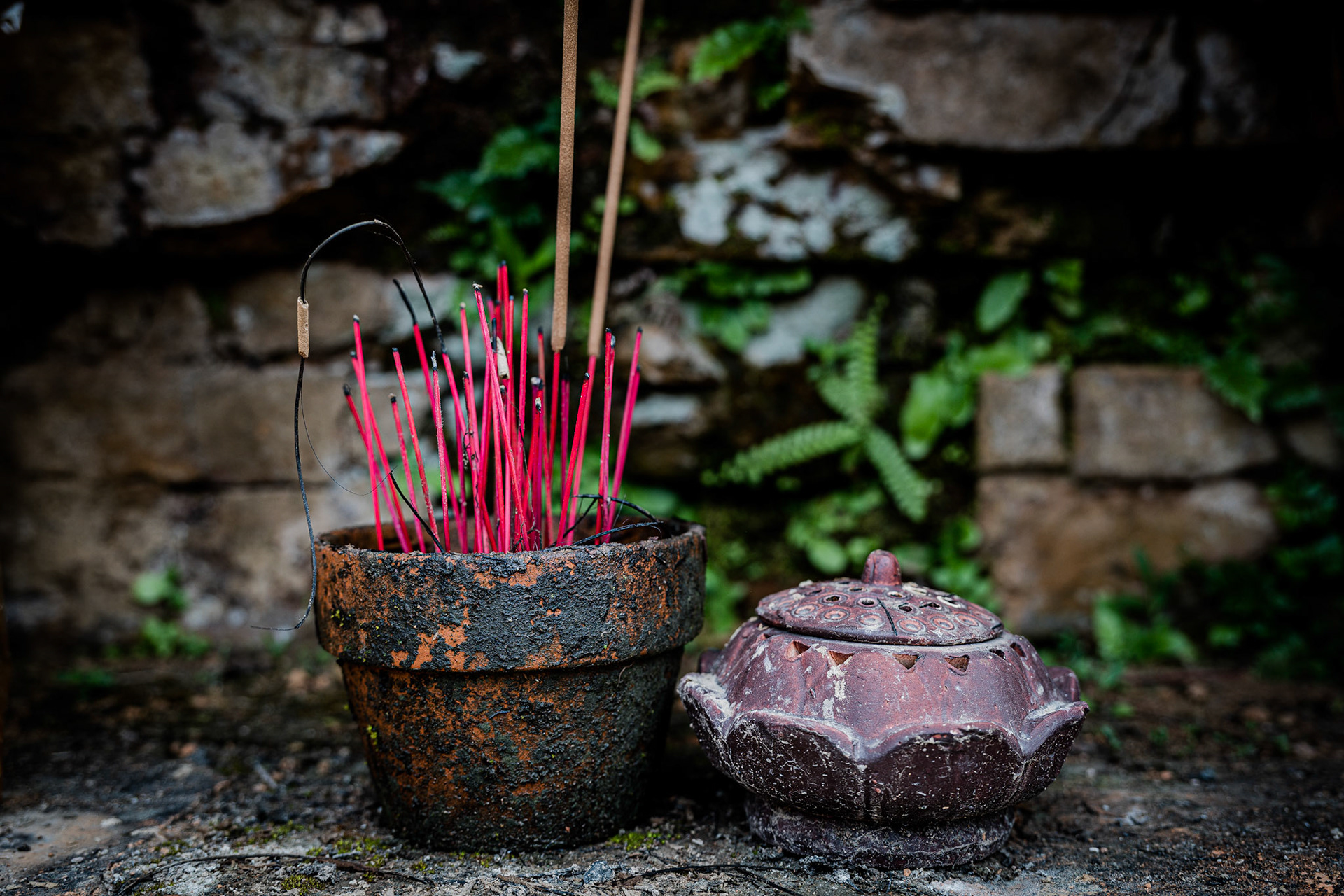
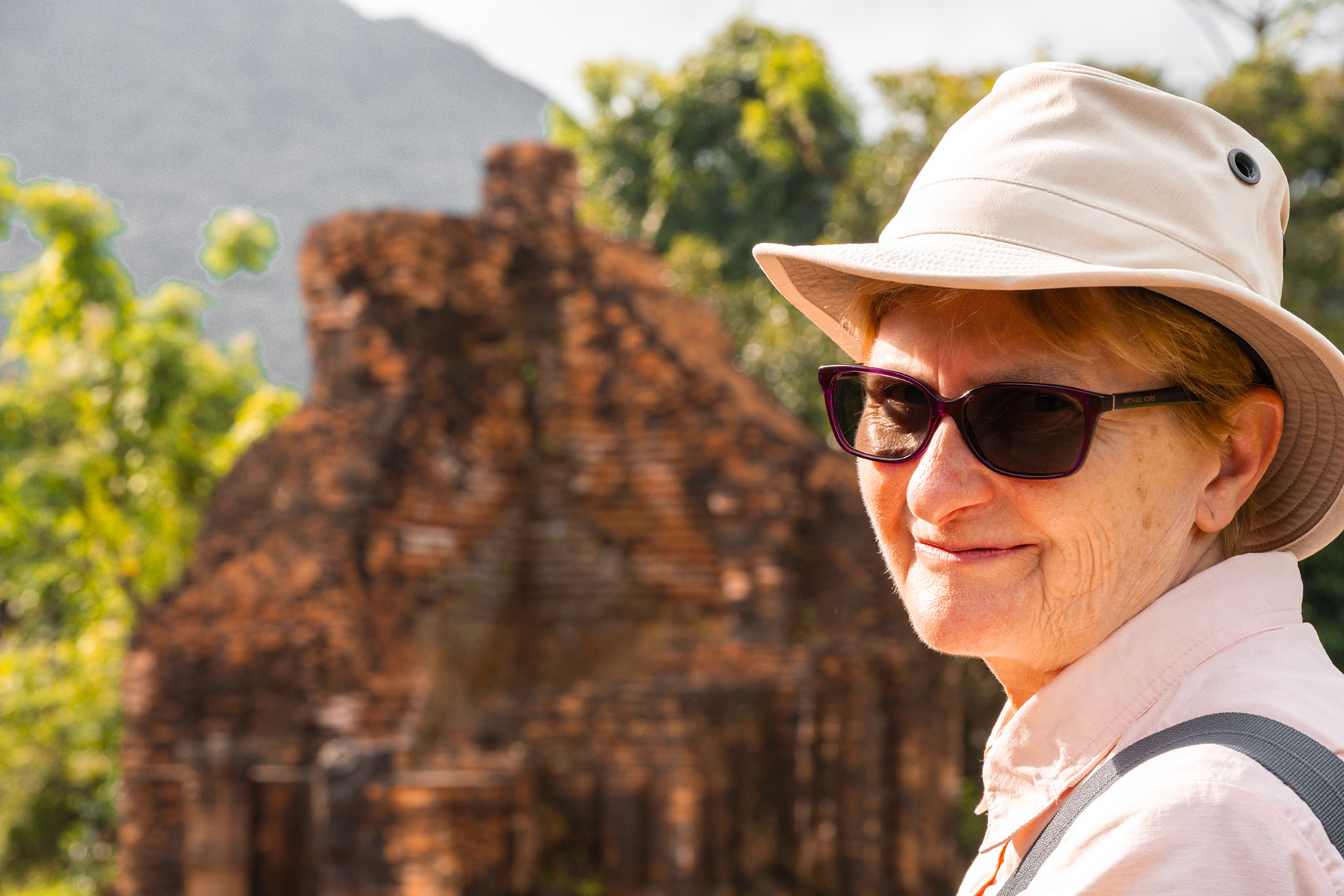
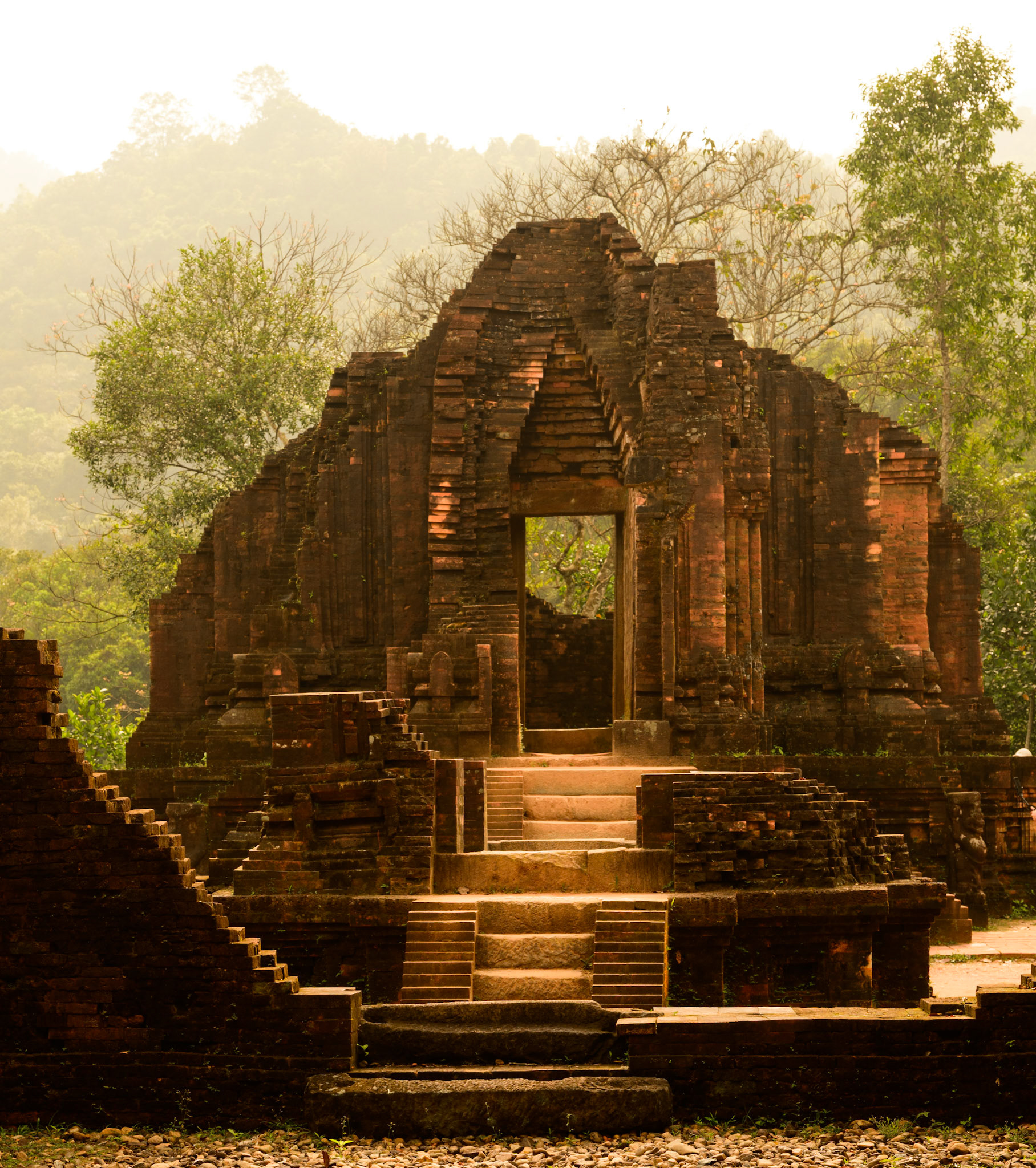
We had nothing planned for the Sunday, and so we decided to book a visit to My Son temple, a Champa Kingdom temple dating back well over 1000 years. we took the decision to take the early tour, starting at 5 am in the morning. Whilst it was difficult getting up, especially after having listened to the football until the midnight, it was well worth it as we were the first people to the temple when we began our visit at about 7 am. Unlike the temples we saw in Cambodia, the temple at My Son was right in the middle of a lush green forest and, early in the morning, the mist was rolling through the trees in the mountains to give a very natural field. The site is quite small, it has many temples. However, there were once many more, but many were destroyed during the Vietnam war. There are still some small creatures from bombs in the war, one of which is now full of lillies.
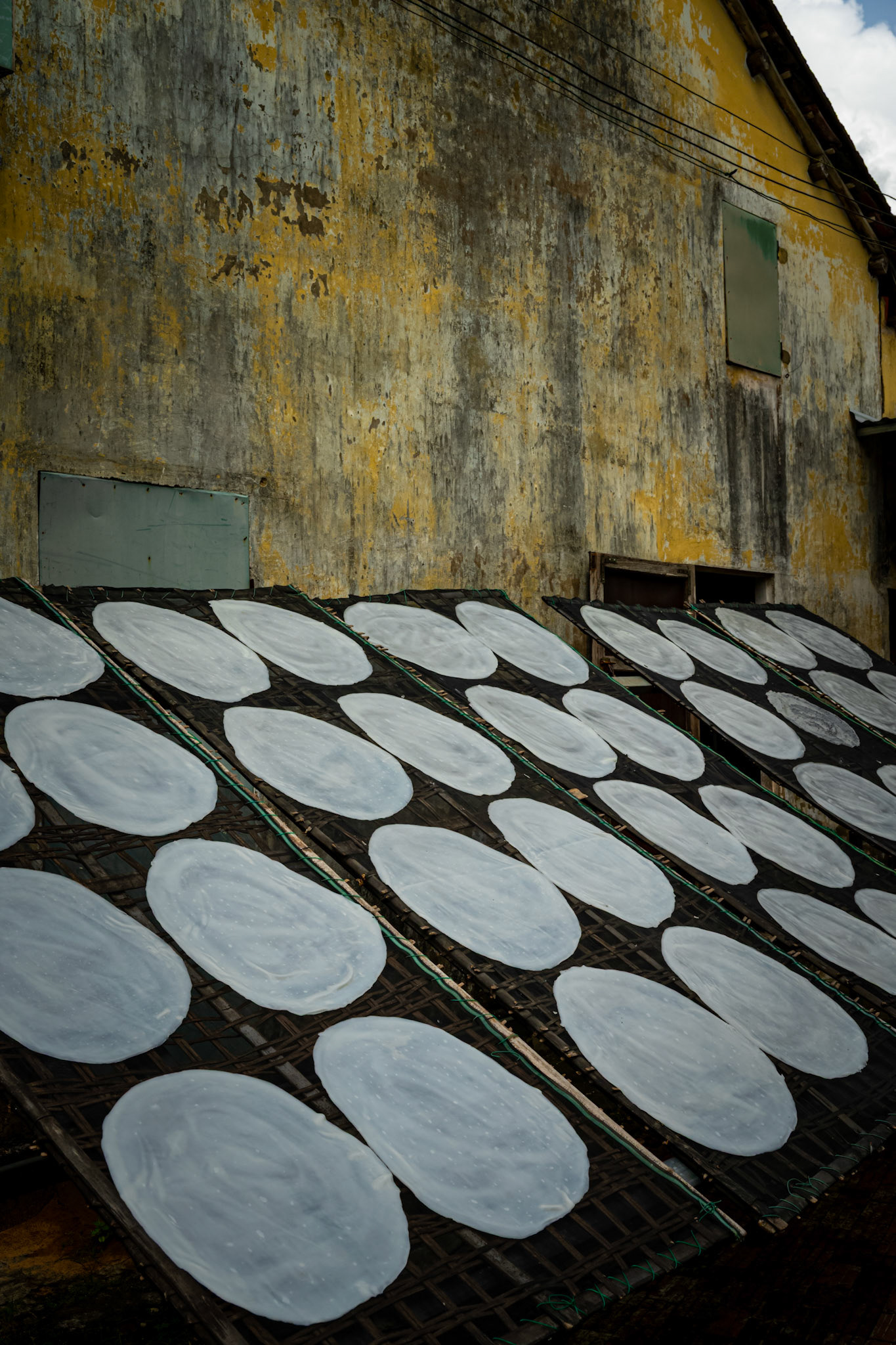
After two or three hours at the temple, where we had a good explanation of their history, as well as a good time to explore, we went for breakfast (chicken noodles), and on the way back stopped to make some rice cakes (soak the rice for two hours, then grind it to a pancake like consistency mixture, and then steam over a bowl of water on a cotton sheet for about a minute and then leave out to dry). We also then had a boat ride which was due to take us to downtown Hoi An, but ended up stopping right outside our hotel which was absolutely perfect.
For our evening entertainment, we went to the Memories show - an open air dance based story of life and Hoi An. We get the slightly more expensive “Hi” tickets, and got near the front when the gates opened to get the recommended seats in the back row that were under the over for the VIP section behind. The reason - to keep out of any rain. And did it rain! We were nice and dry, and only put our ponchos on for the walk back to the hotel.
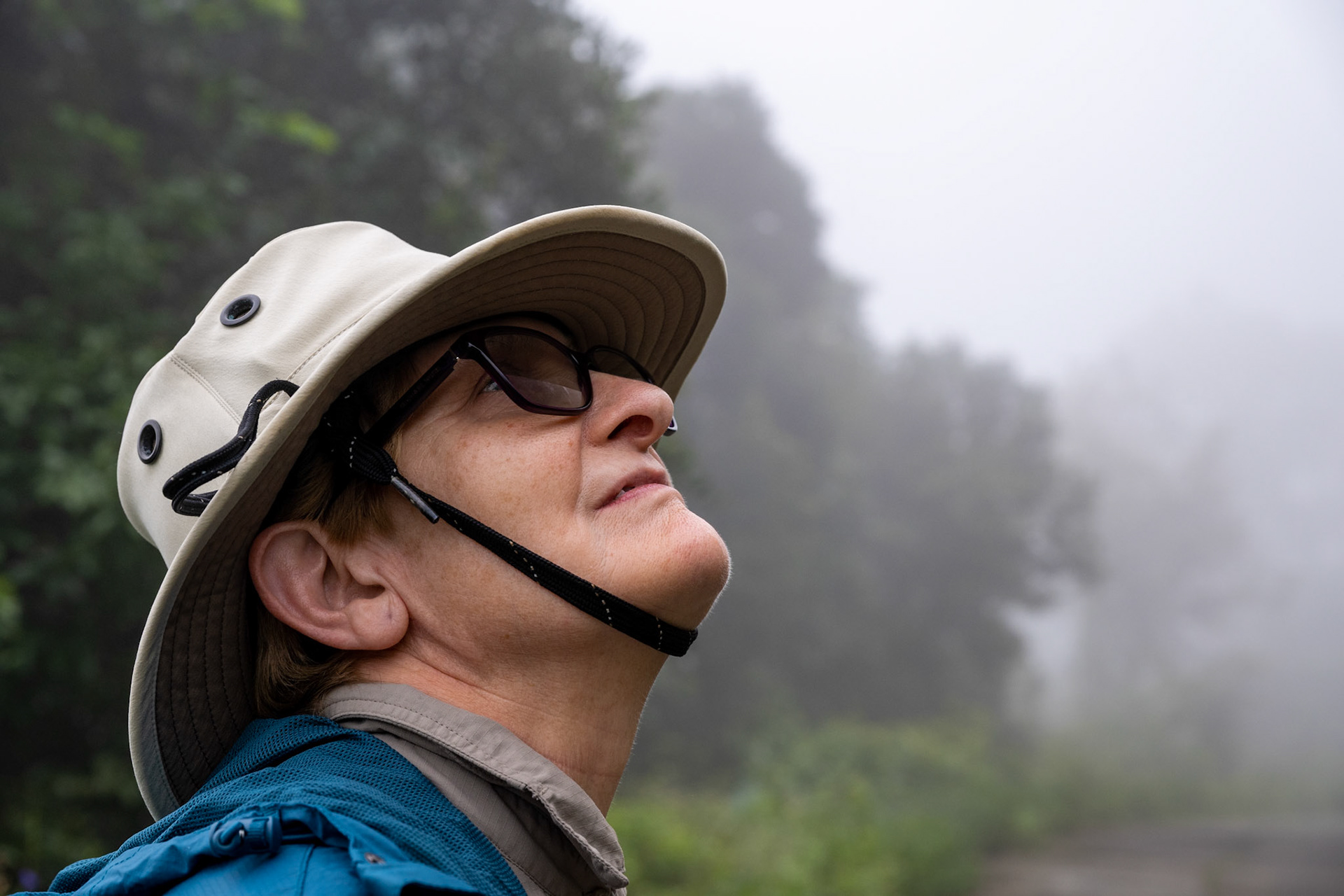
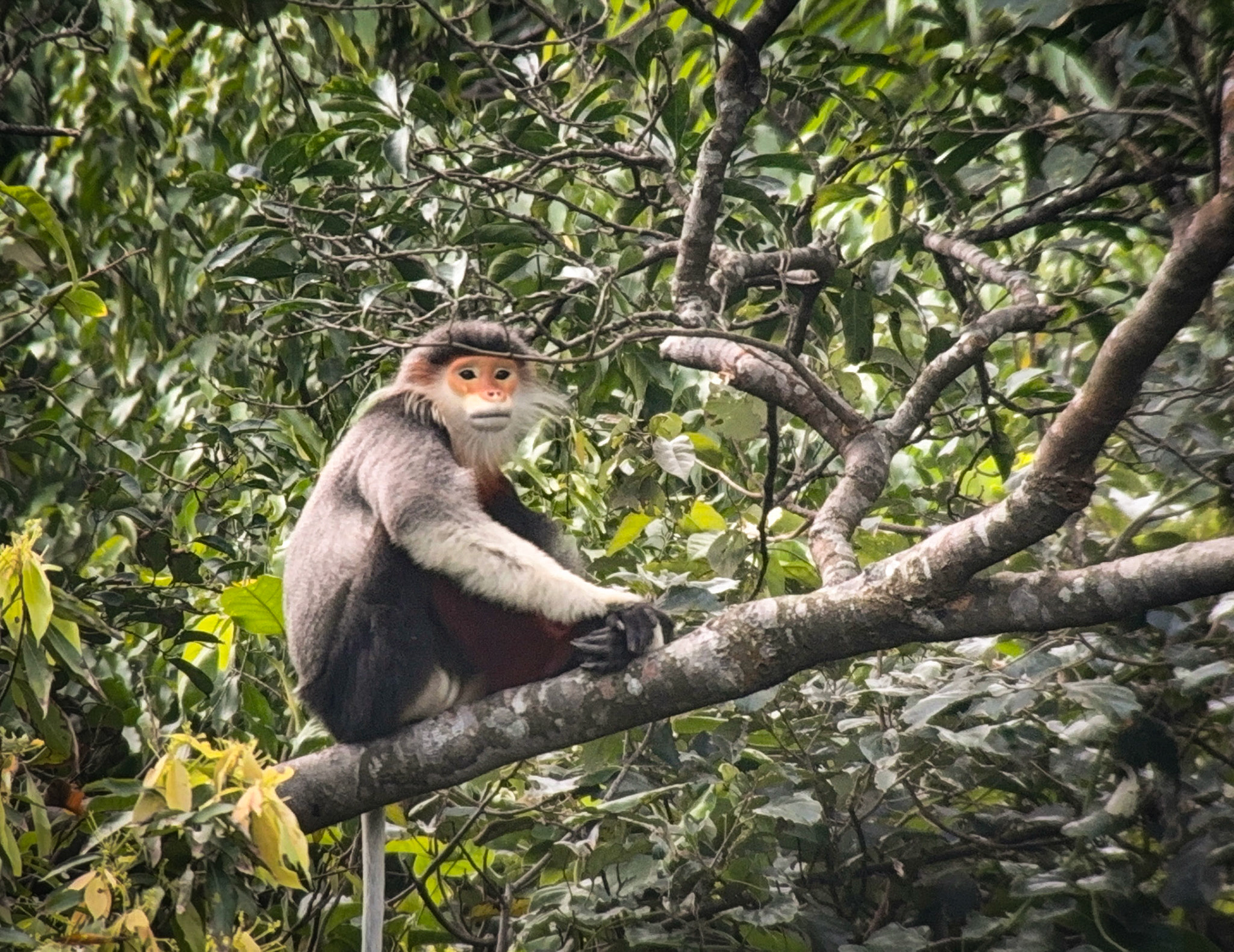
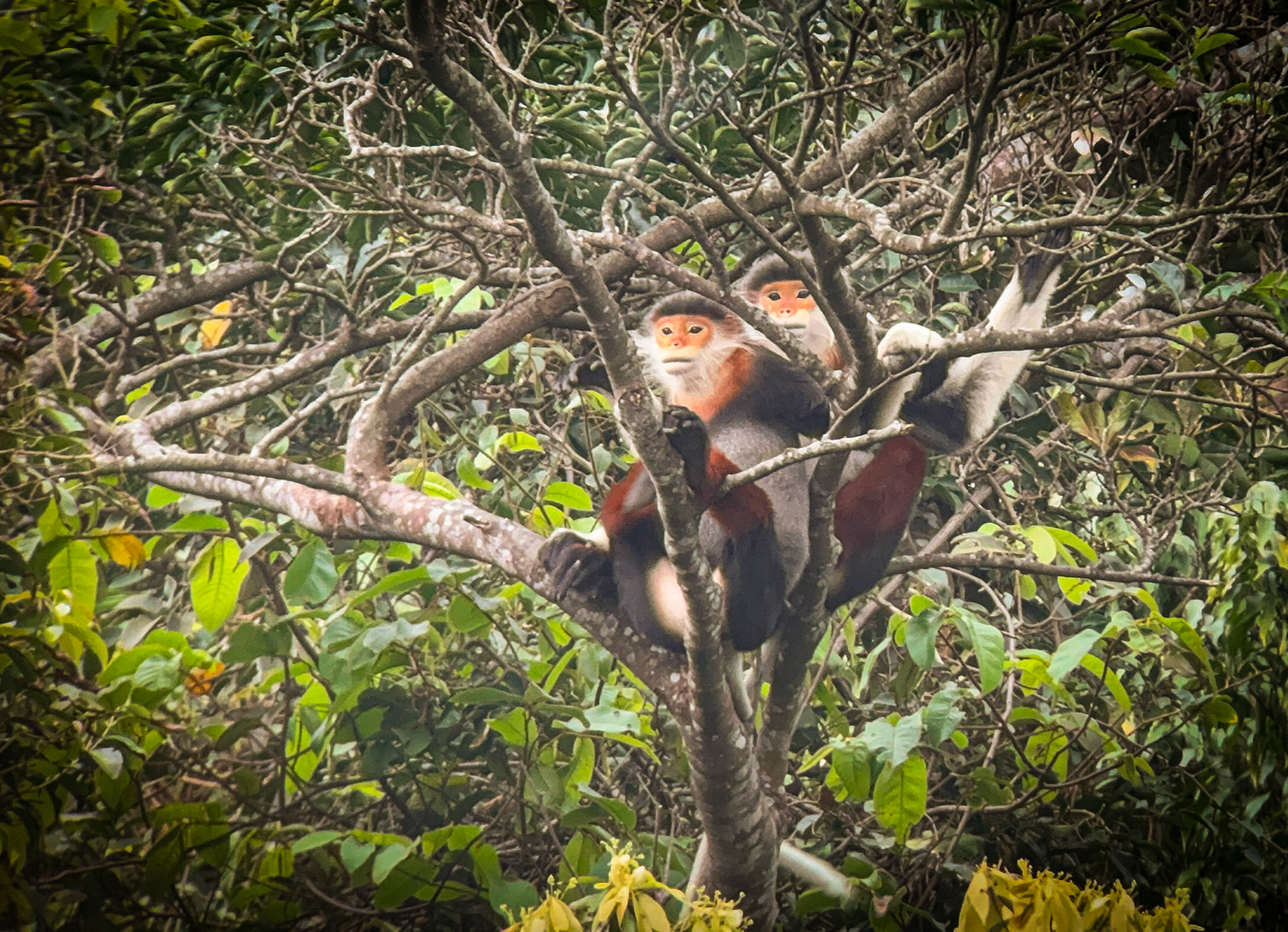
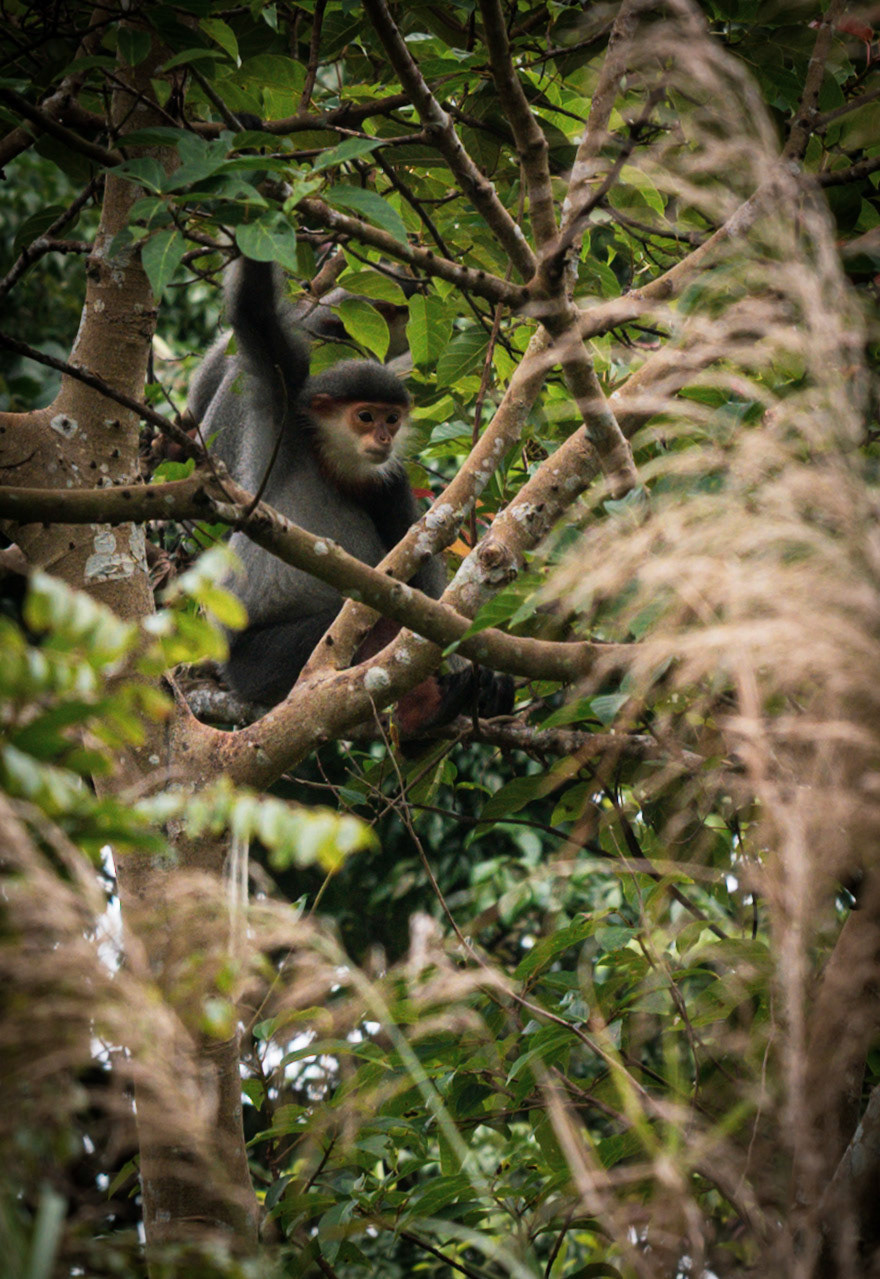
Our trip from Hoi An to Hue was not quite we expected, but in a good way. We had an early start, and we had expected to go to Bach Ma national park, where we were going to go for a walk to the summit to see over Da Nang. There was promise of birds and swimming near a waterfall, and so we had packed our binoculars, swimming trunks, towels etc. However, we were instead taken by two rangers to Son Tra national reserve, also known as “Monkey Mountain”. Here we both walked and drove around a peninsula jotting out into the sea to search for the red shanked douc langurs - a very rare monkey, of which there are fewer than 2000 left in the wild, with a population of about 800 in the reserve. It was extremely misty when we arrived at the top of the mountain and we were not able to see any monkeys. As we drove on, we did see some macaques which are much more common and easy to see. However, the driver suddenly stopped and pointed to some distant trees. For a long time we could not see anything, until we spotted the long white tails of the langurs hanging from the trees. These monkeys are also known as the five colour monkeys, as they have a yellow face, white hair and arms, grey fleece jacket, black shorts and brown legs (clearly they don’t wear a fleece jacket or black shorts, but this is what it looks like).
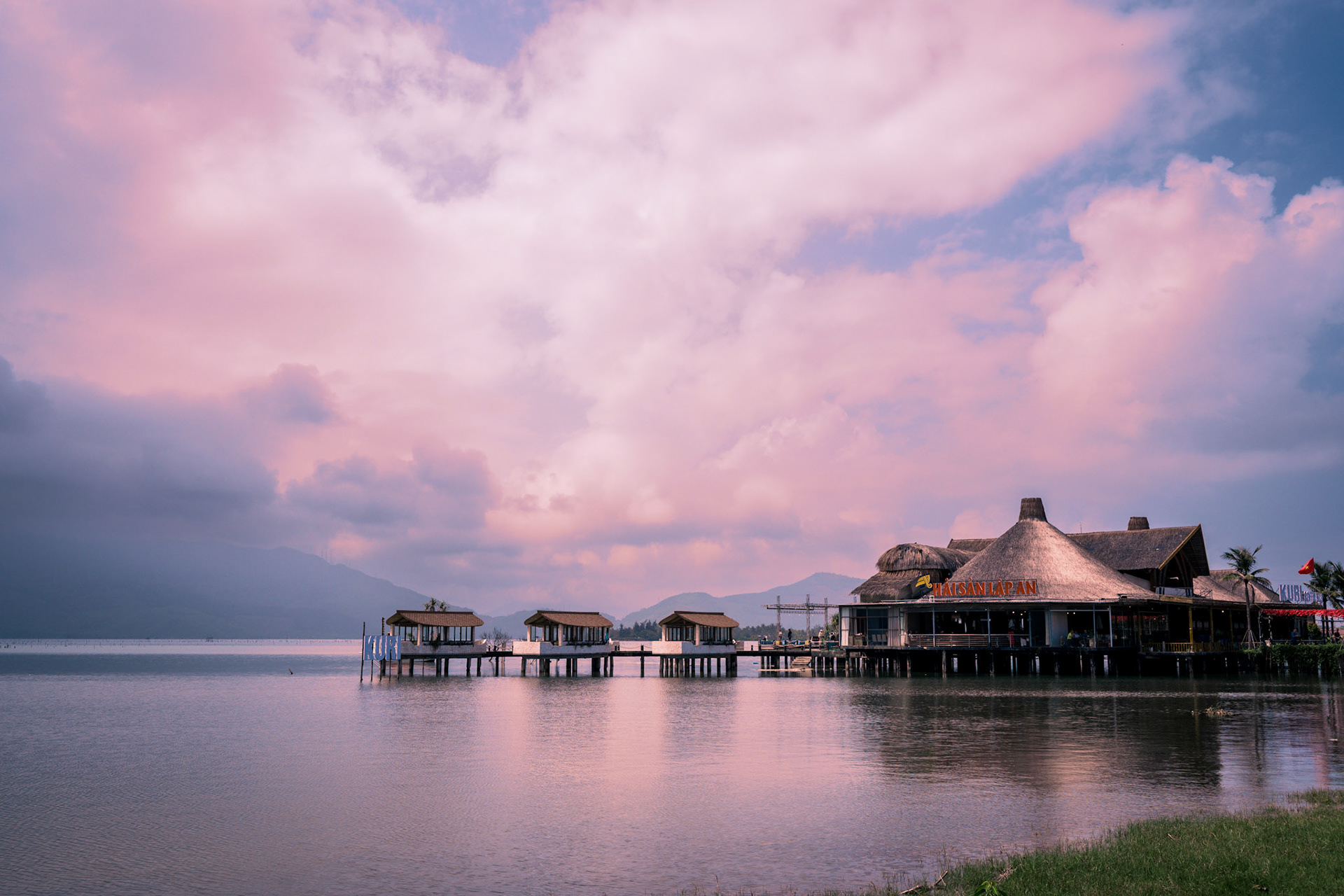
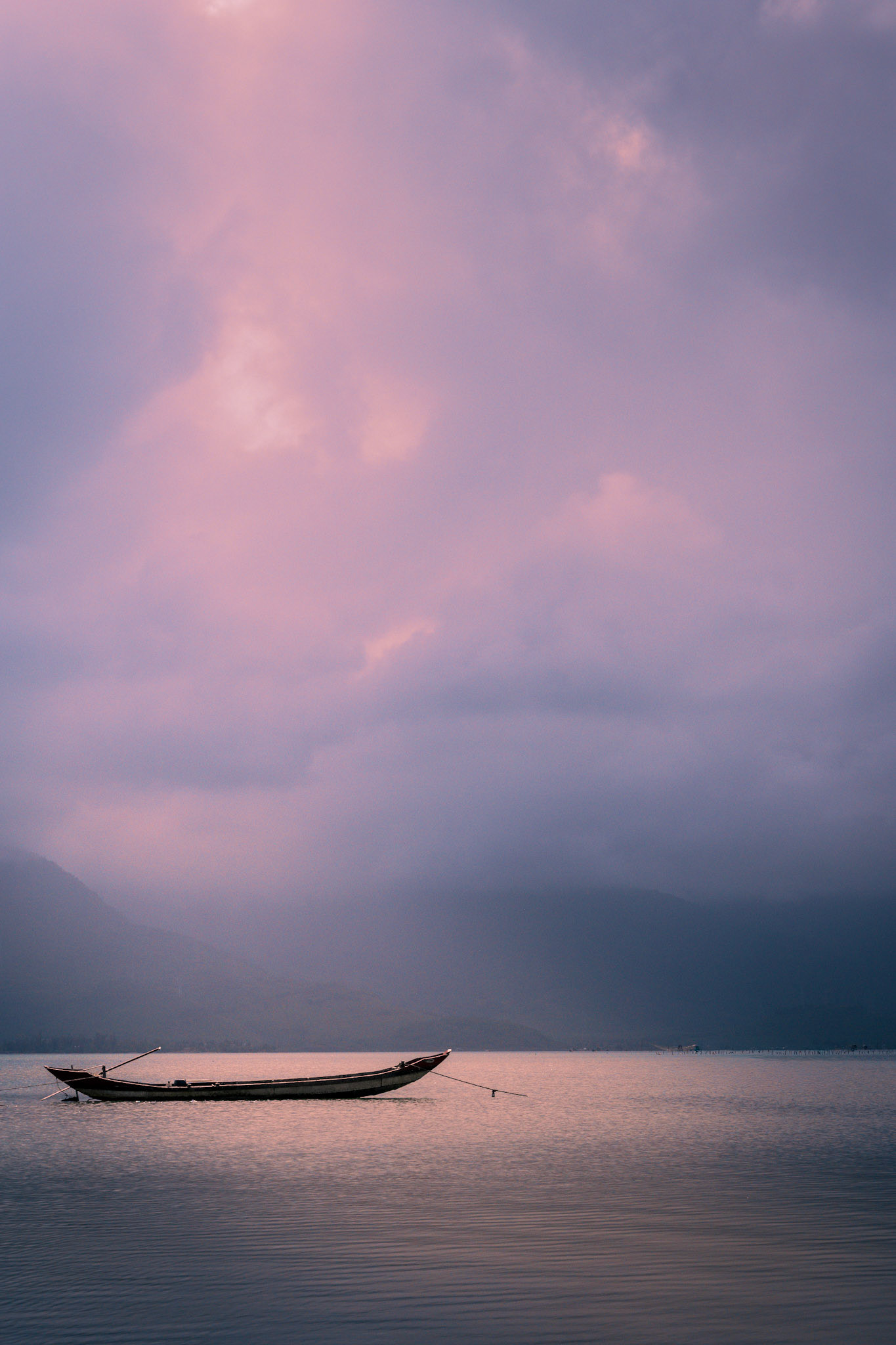
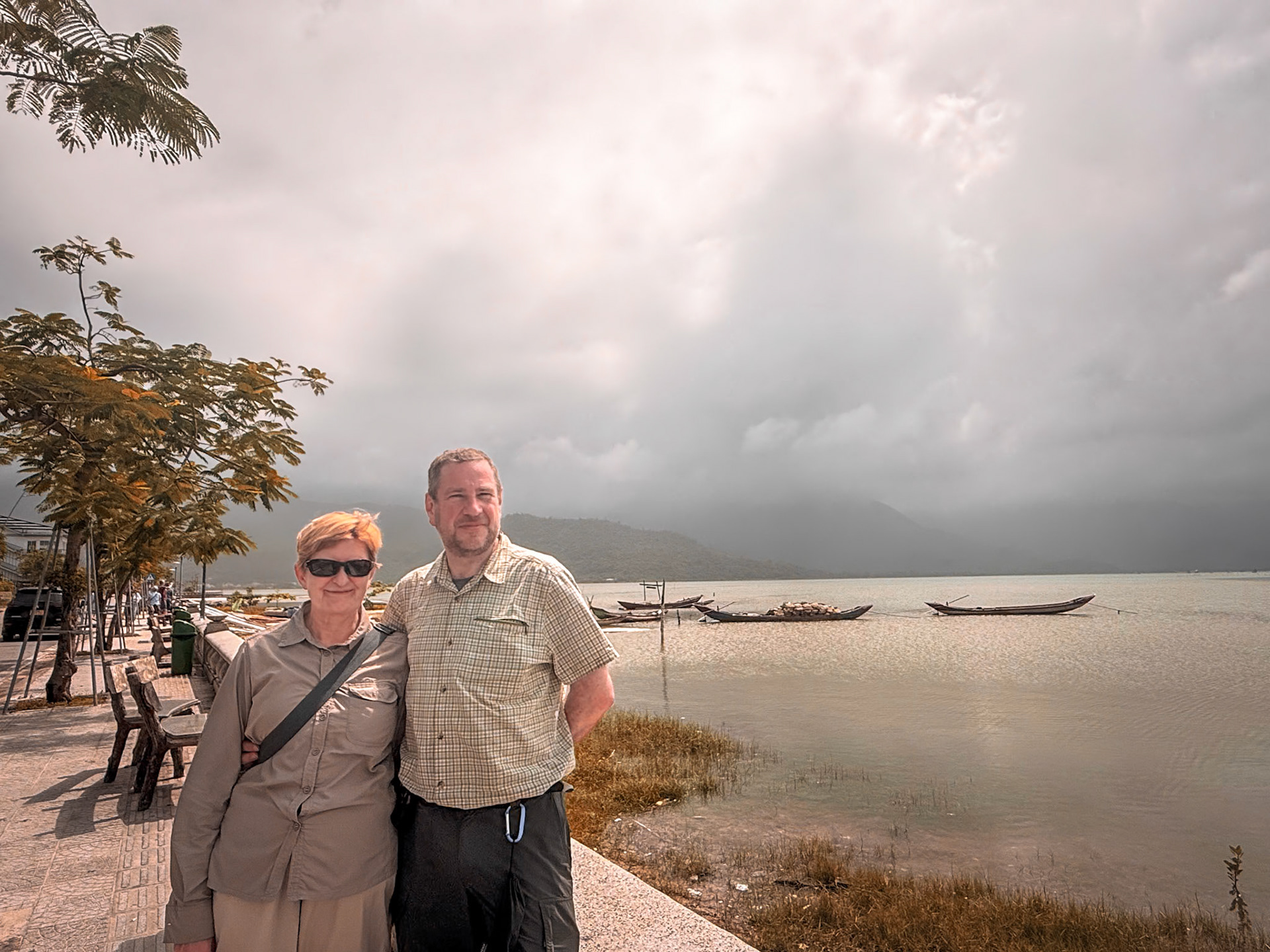
After the reserve, we followed the plan to Hue, over a still very misty pass through the mountains, stopping for lunch near a lagoon, and then onto Hue for an afternoon stroll and dinner.
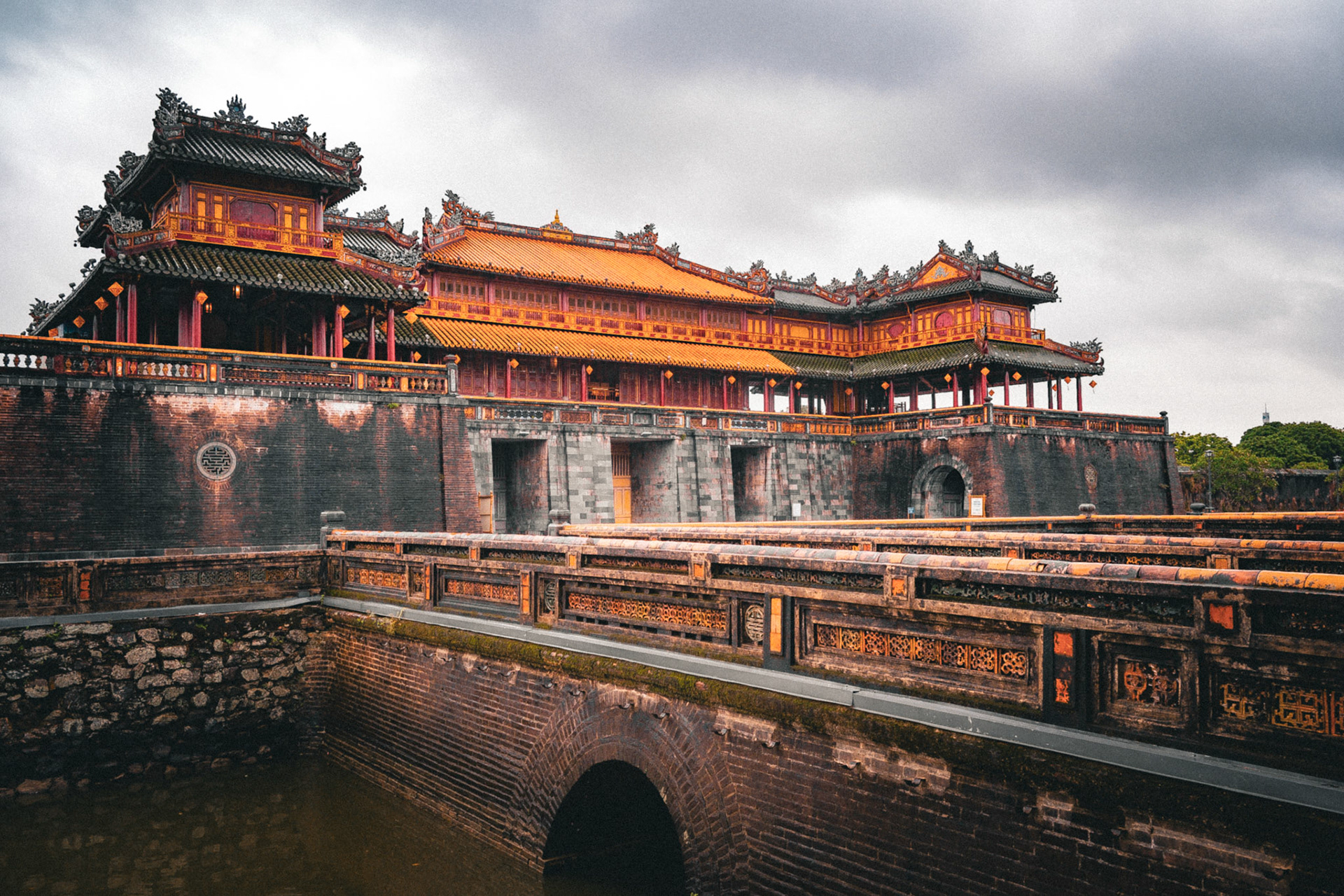
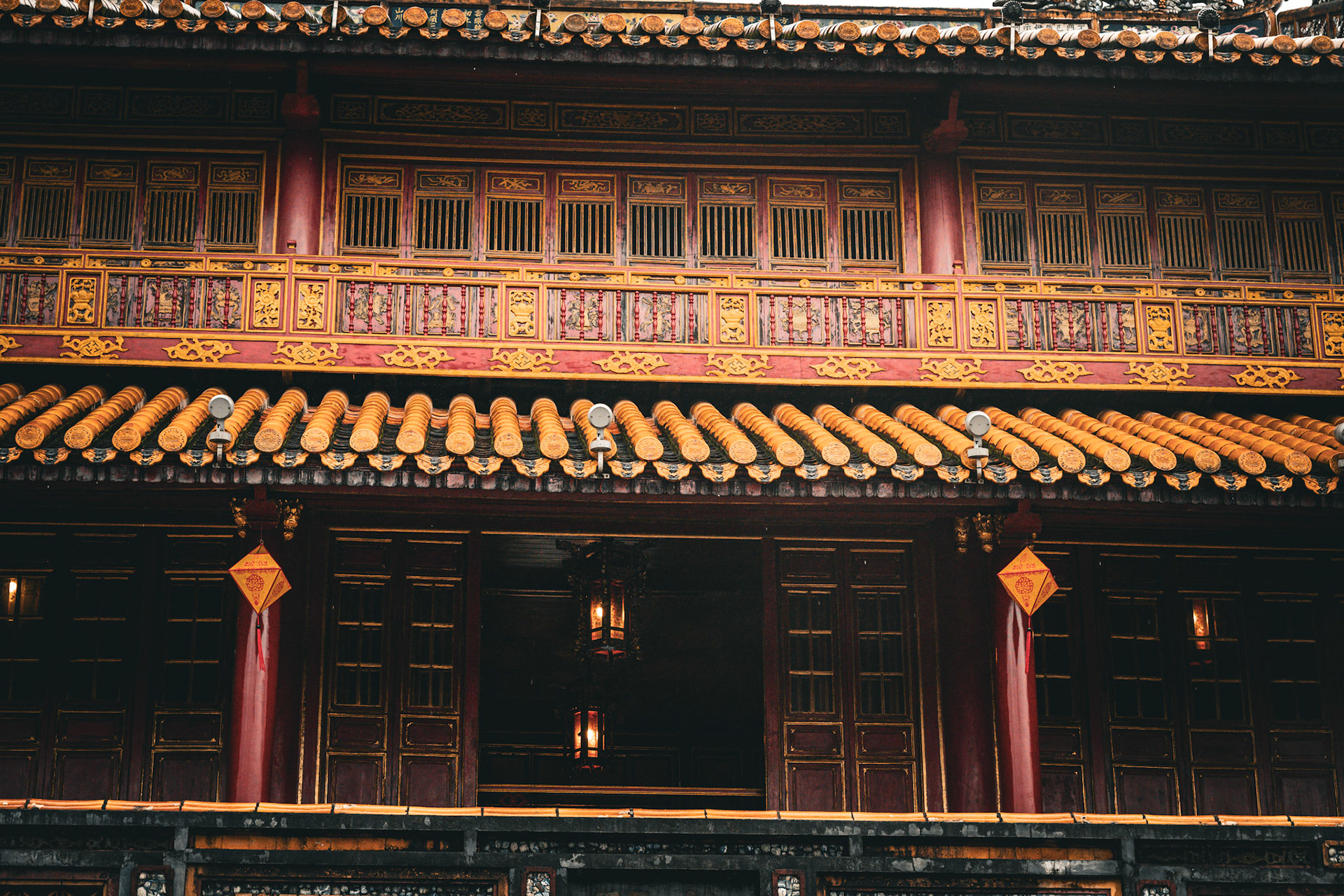
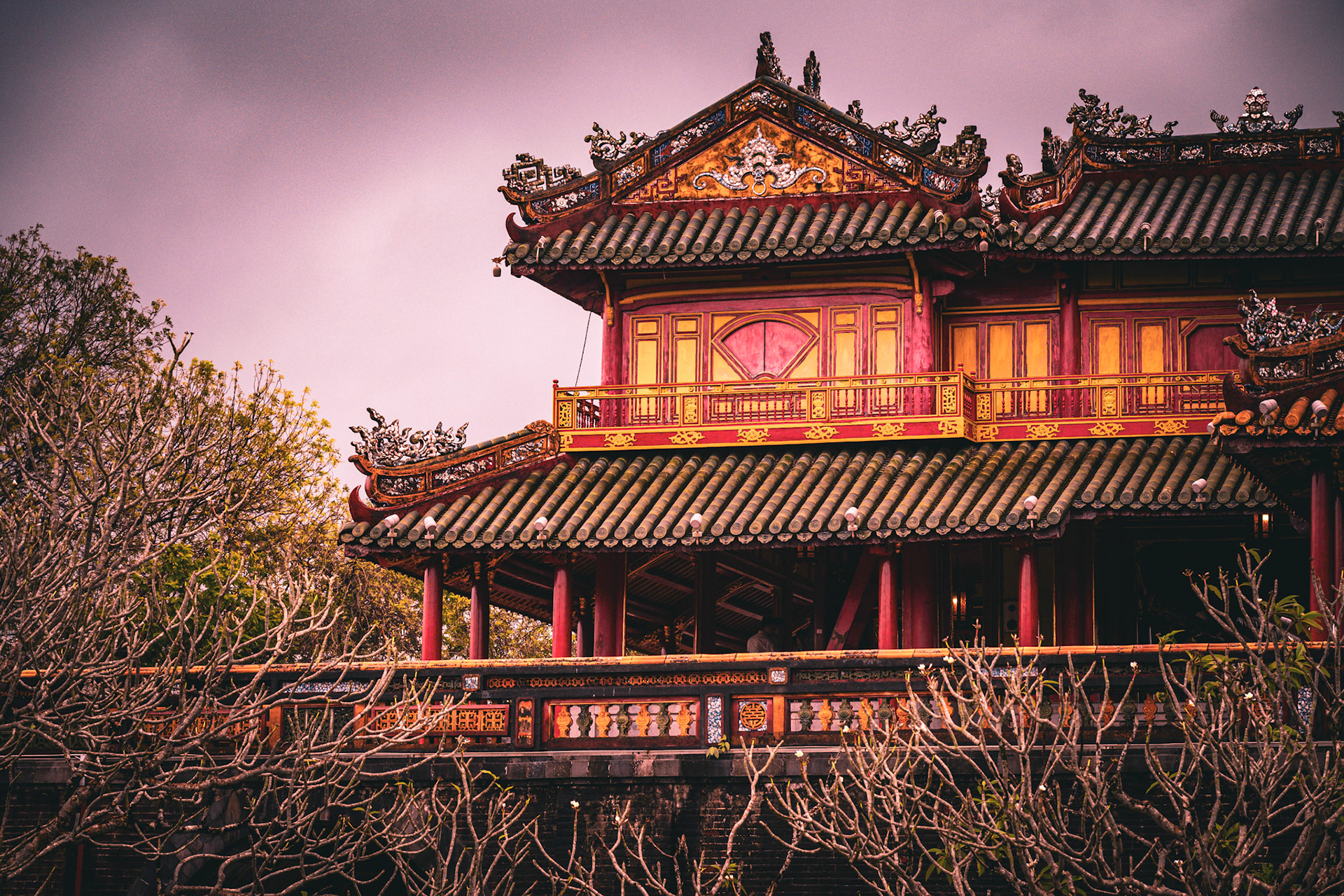
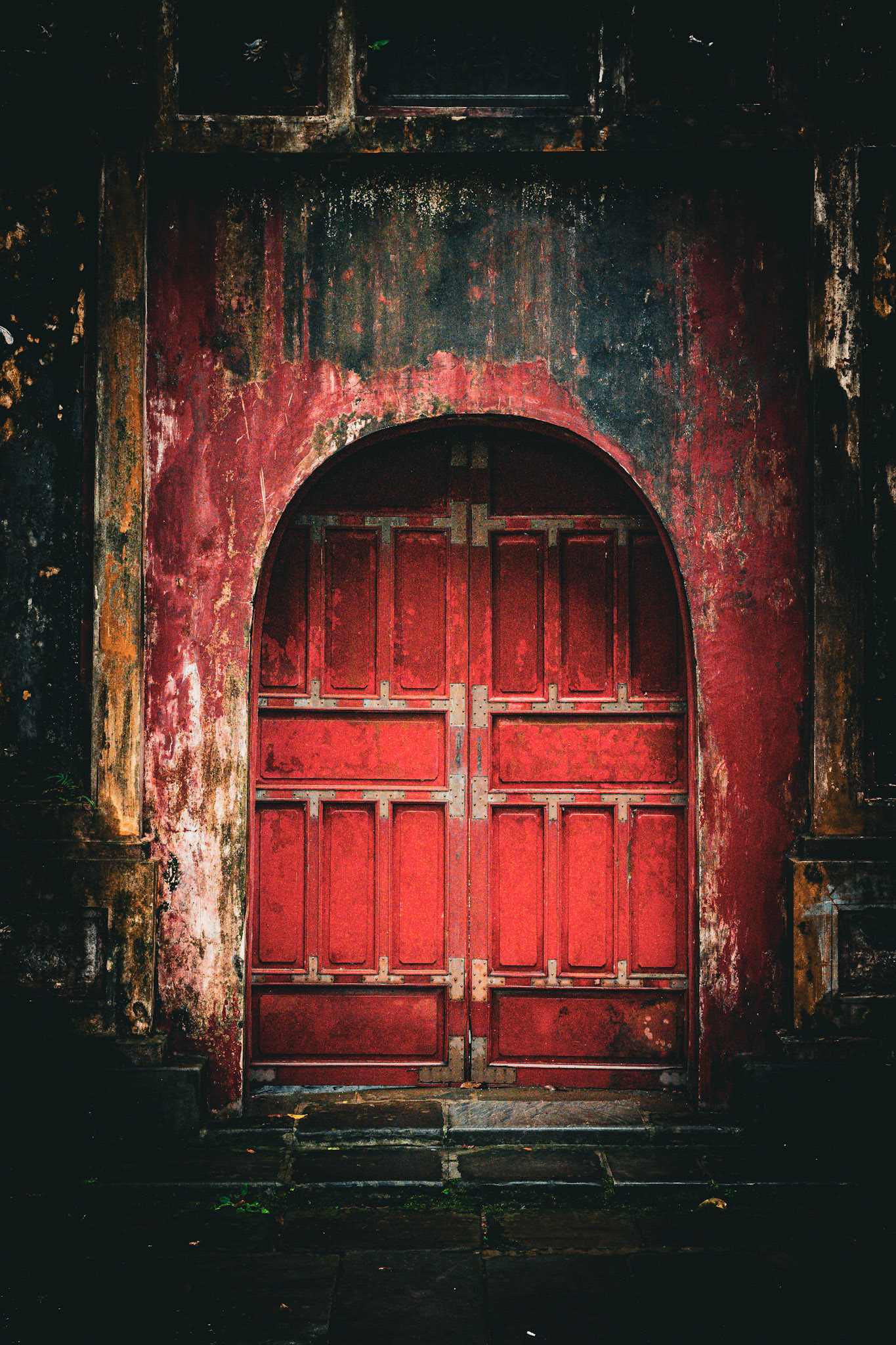
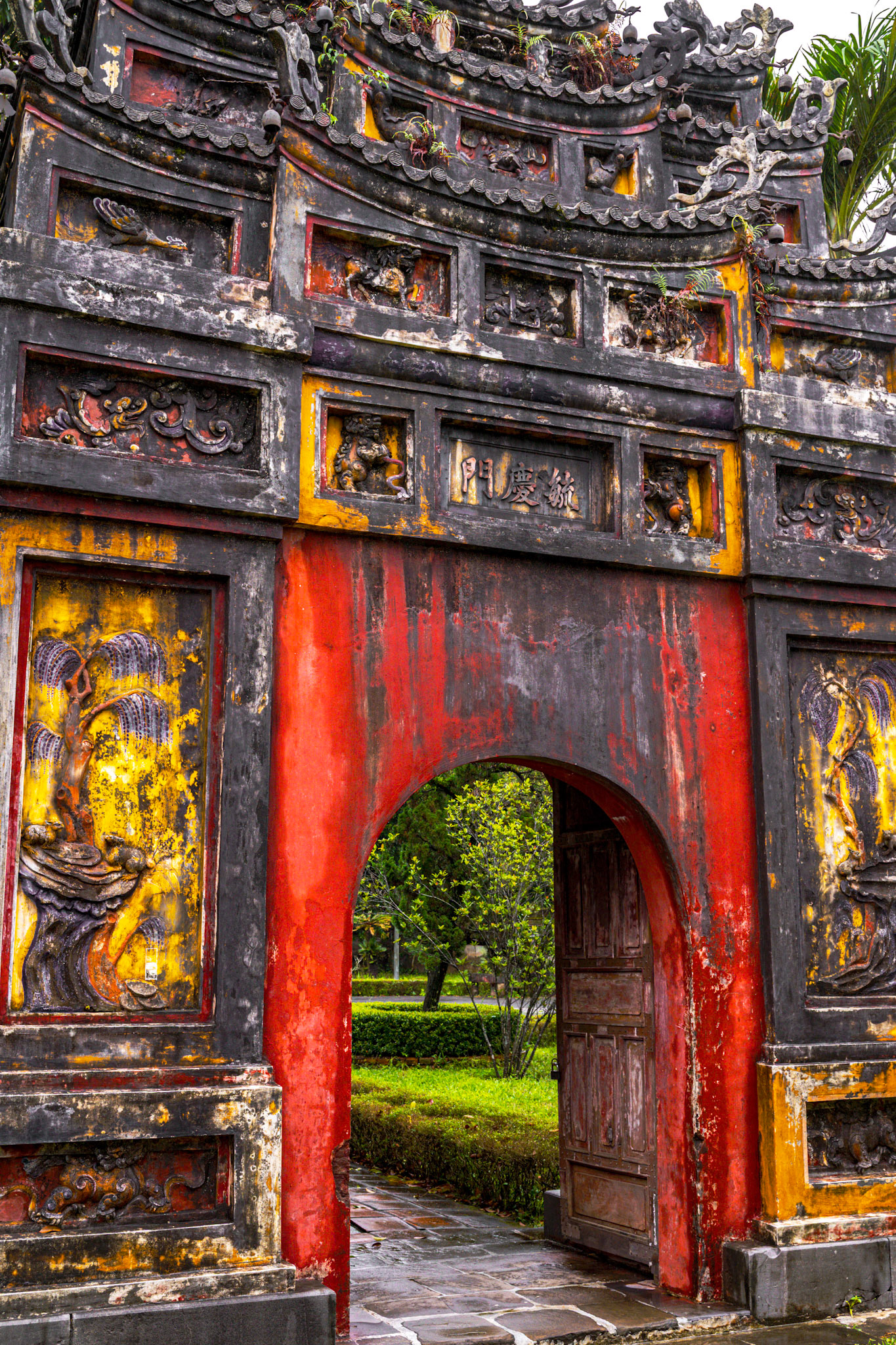
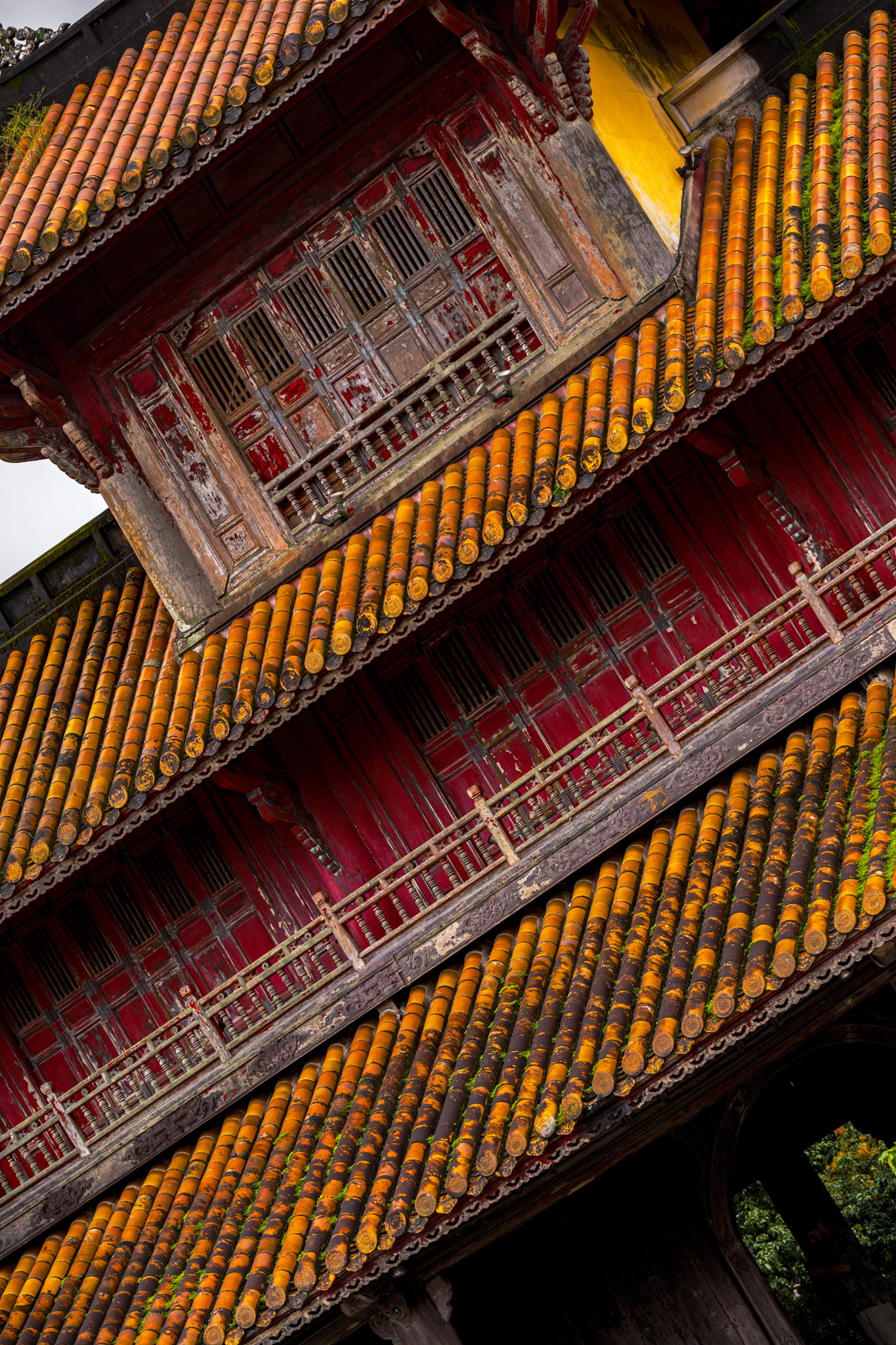
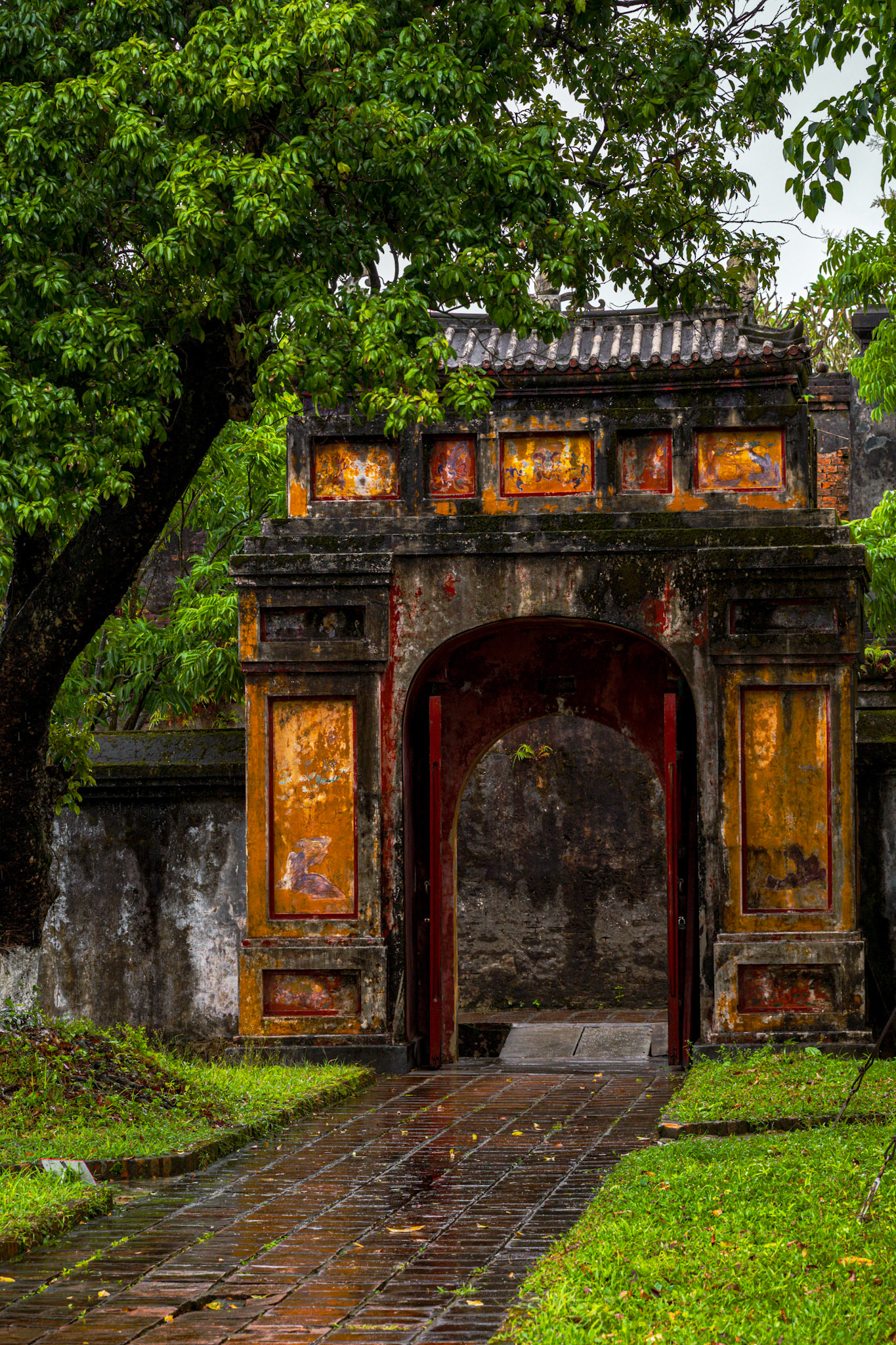
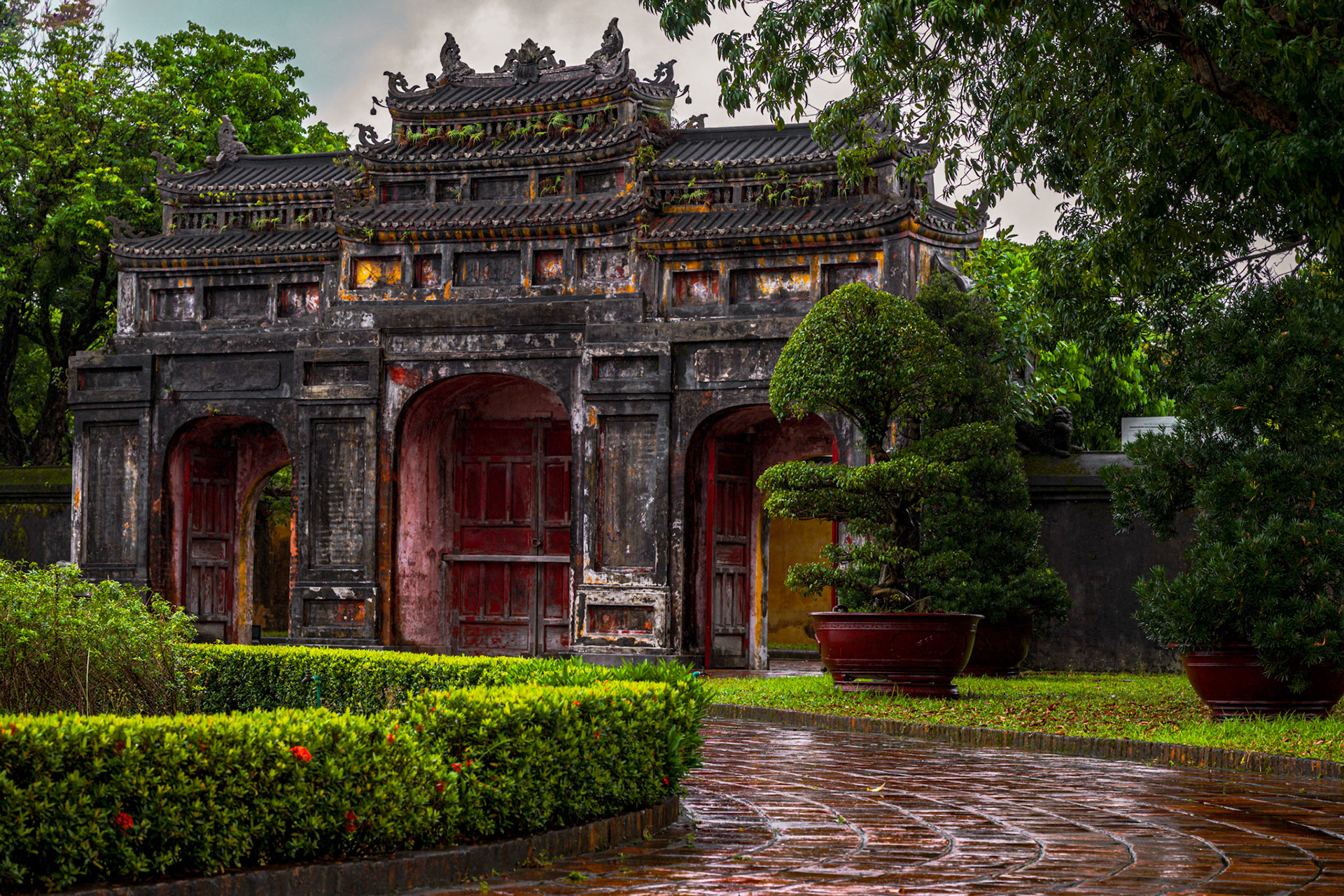
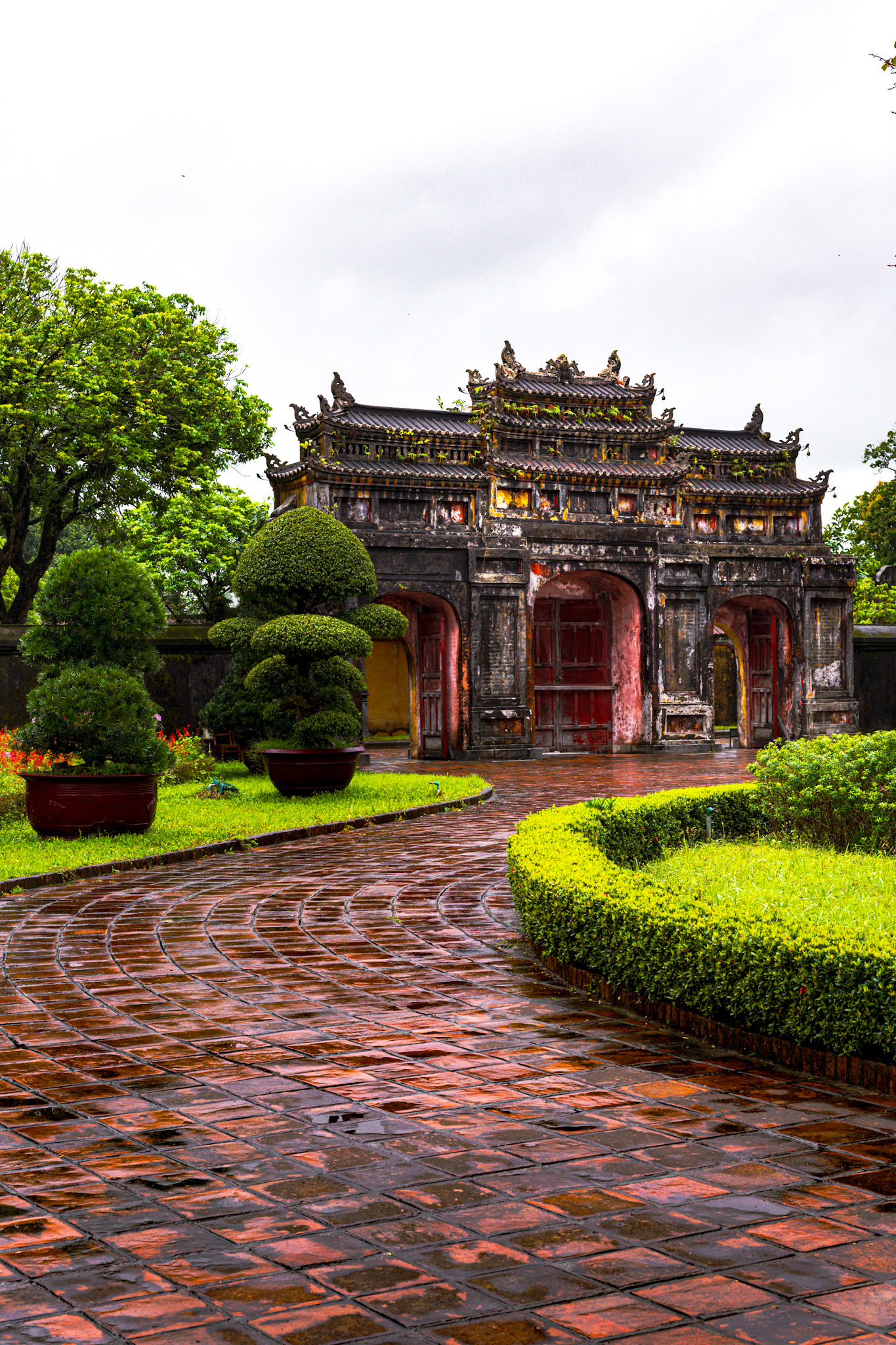
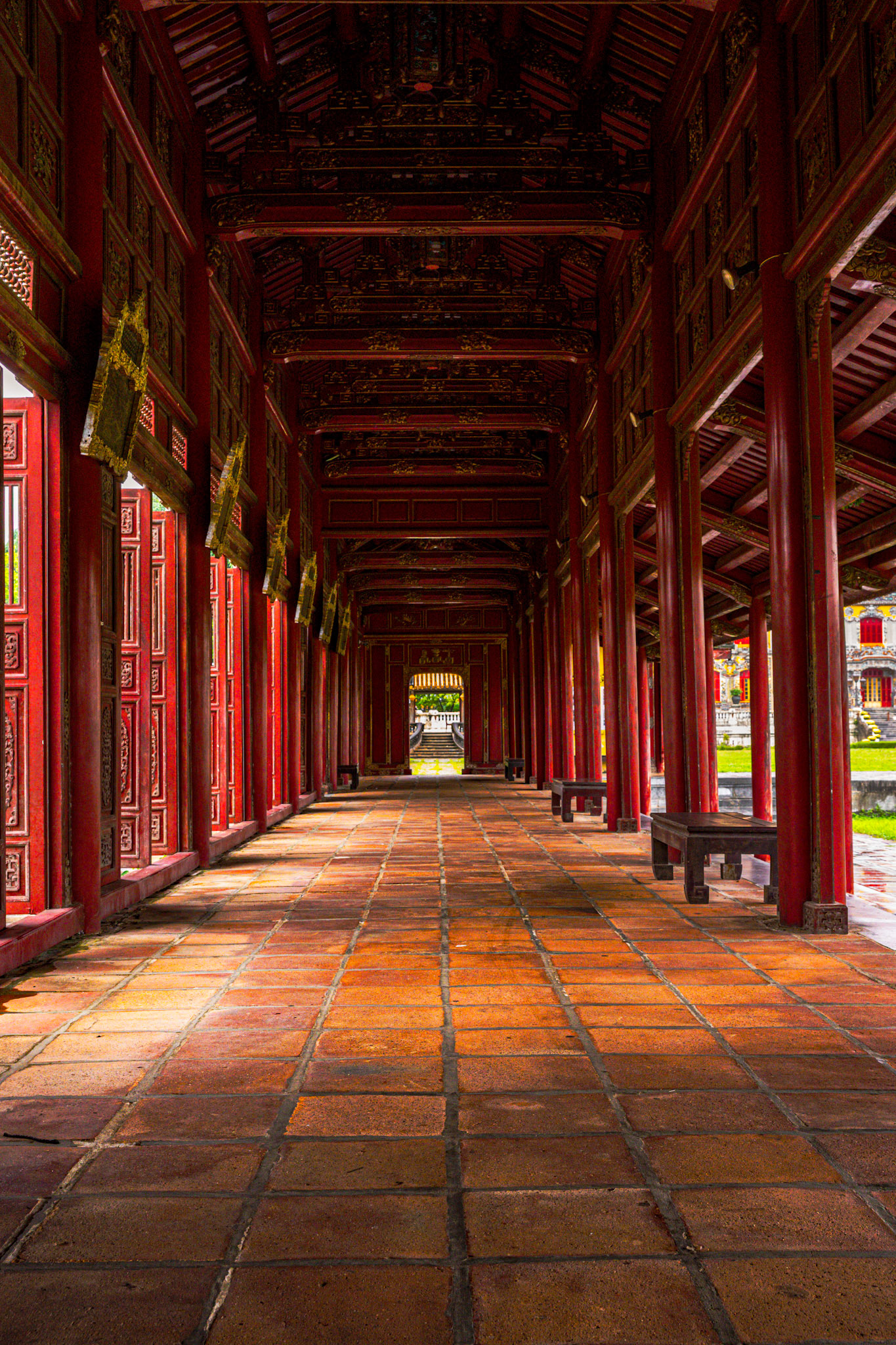
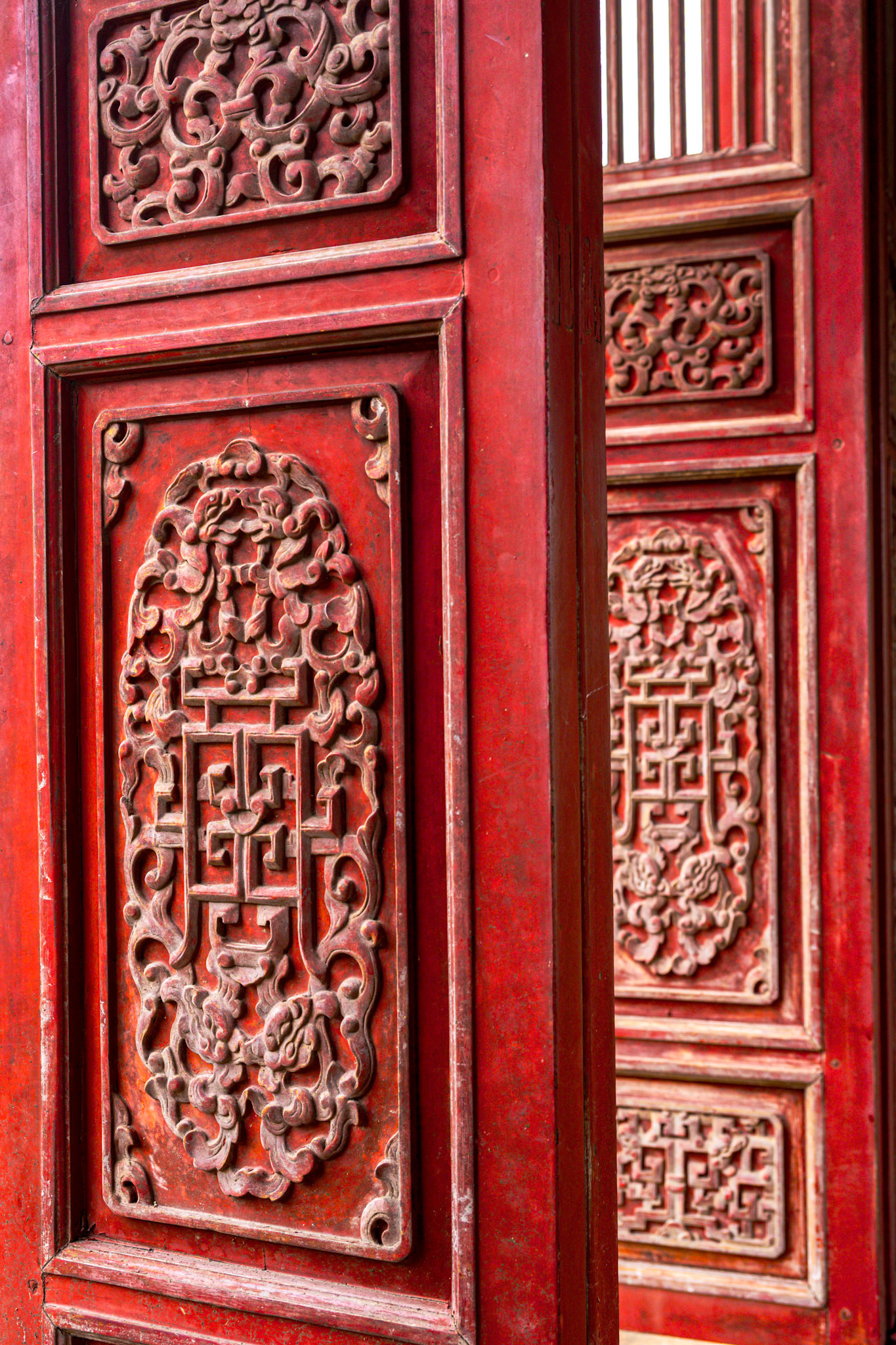
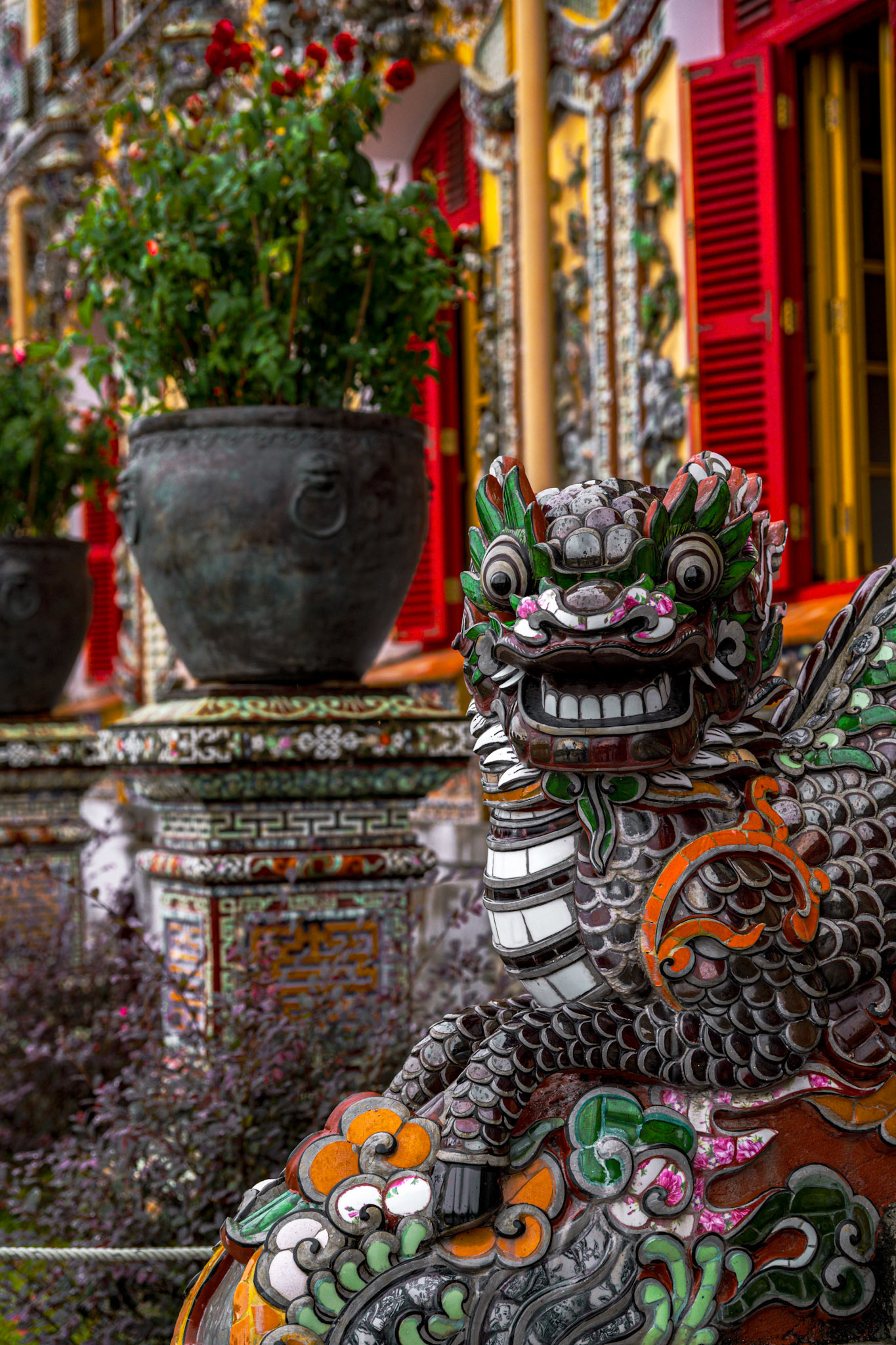
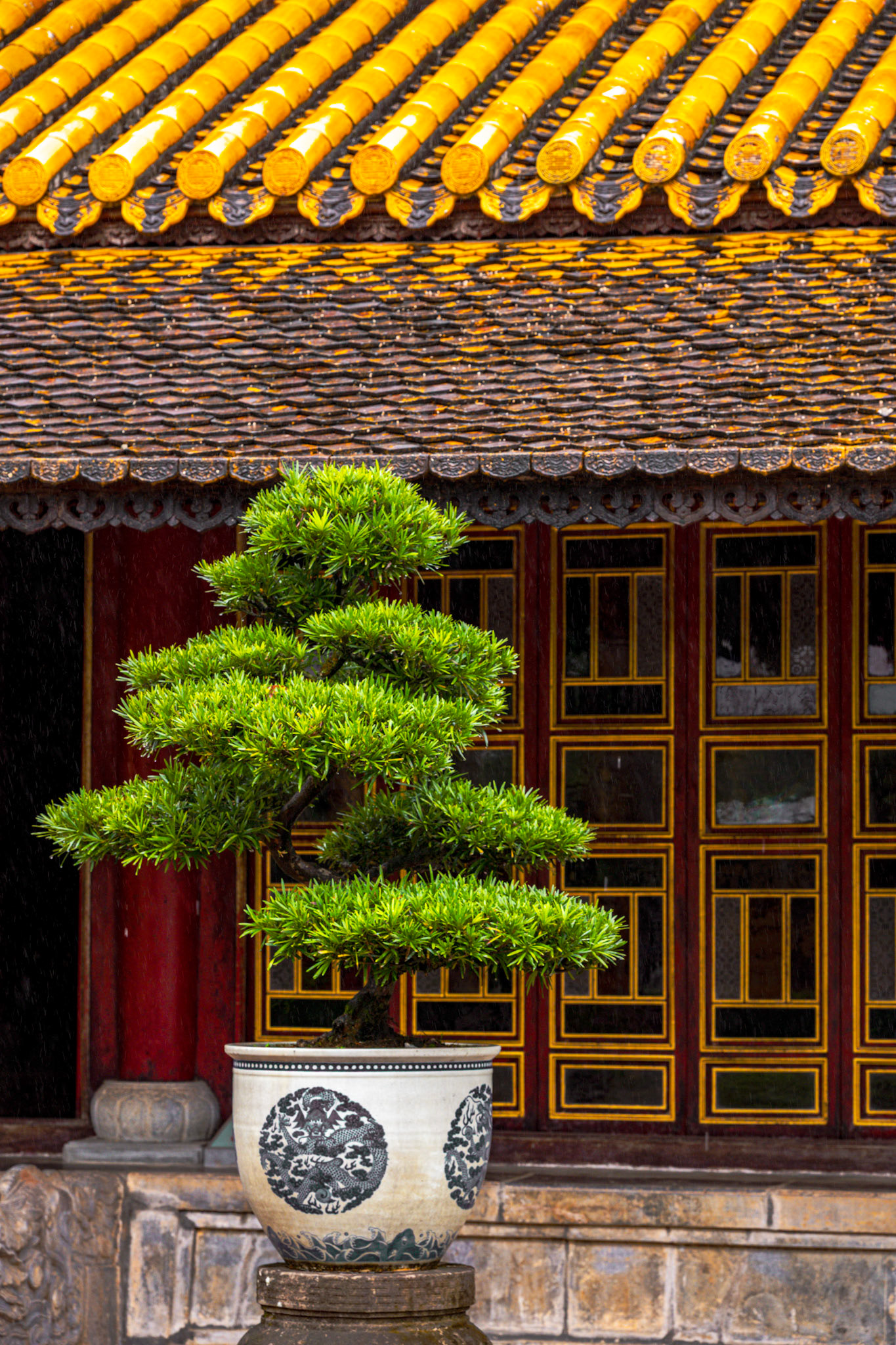
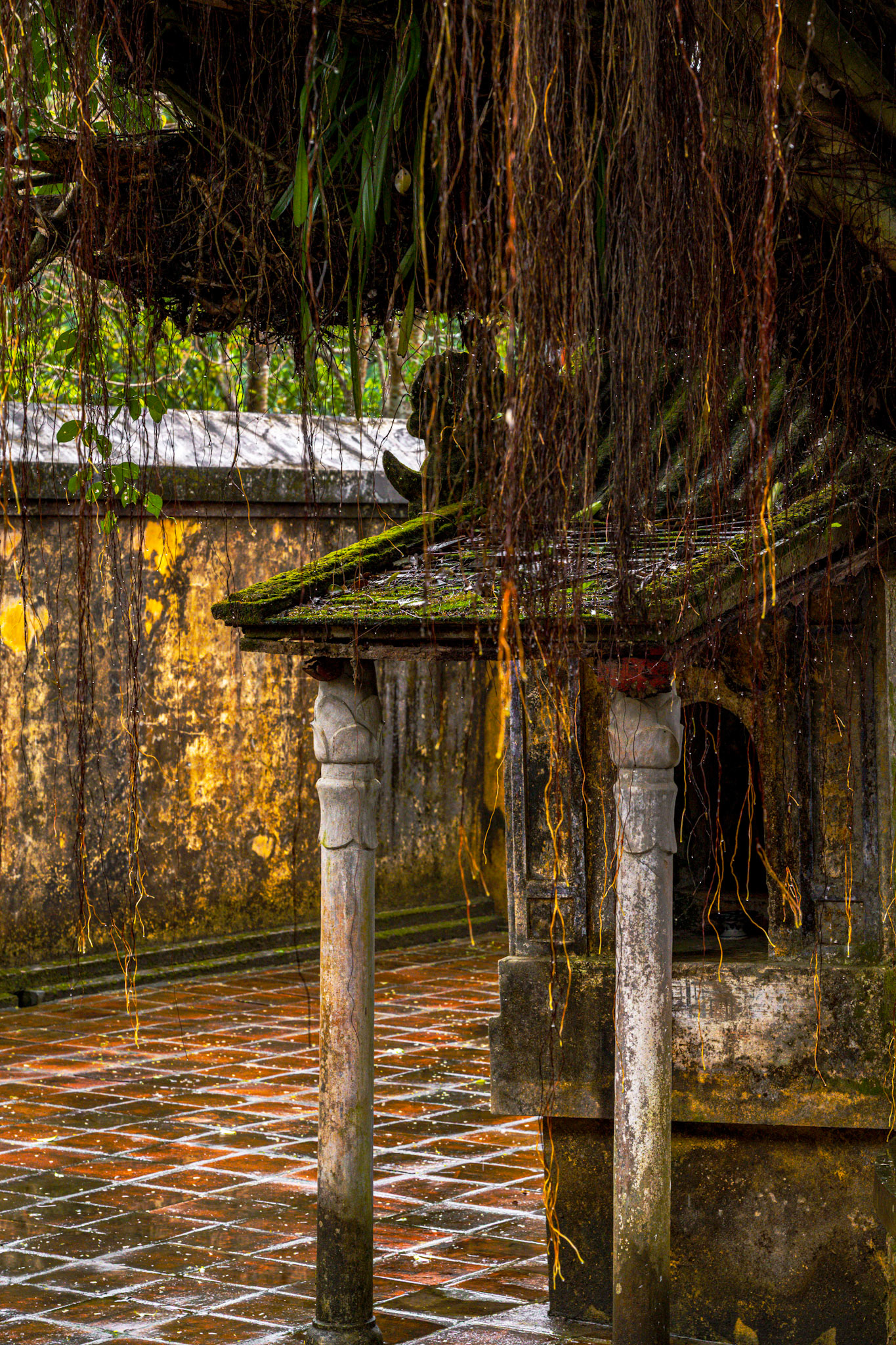
For our one full day in Hue, the weather was not brilliant - we woke with heavy rain, which continued all day. However, it did mean that there were very few people at the Imperial City, the home to the Royal family (and their many hangers on) from 1802 when it started to be built through until 1945 when communism took over Vietnam, and the Emperor had to flee to France. During this time, there were 13 emperors. They were however only two queens, for the first and last emperor, with all other emperors not having a queen, but having many illegitimate children with their concubines from which they would choose the next emperor to take over before they died. One emperor, the fourth, had three adopted sons who all became an emperor. The first was quickly removed from the throne after only a few days having refused to read the decree that said he was ugly. The second son lasted for about four months, but during this time was not prepared to say whether he supported or against France, and was therefore given the choice as to how he would commit suicide. The third son lasted about 10 months until he was poisoned by one of his ministers who he had caught sleeping with his mother. An interesting family. After this, the emperors were largely appointed by France.
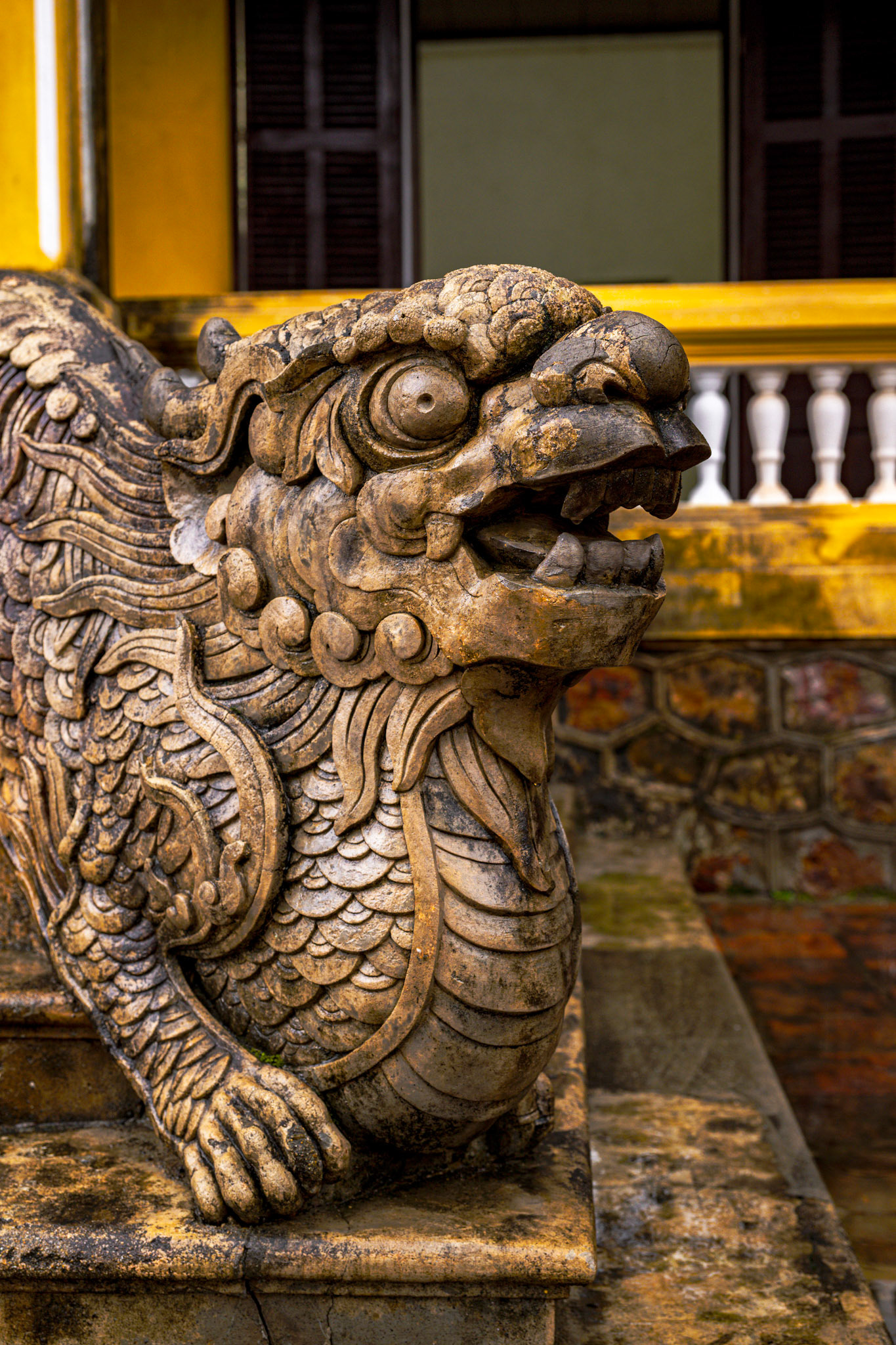
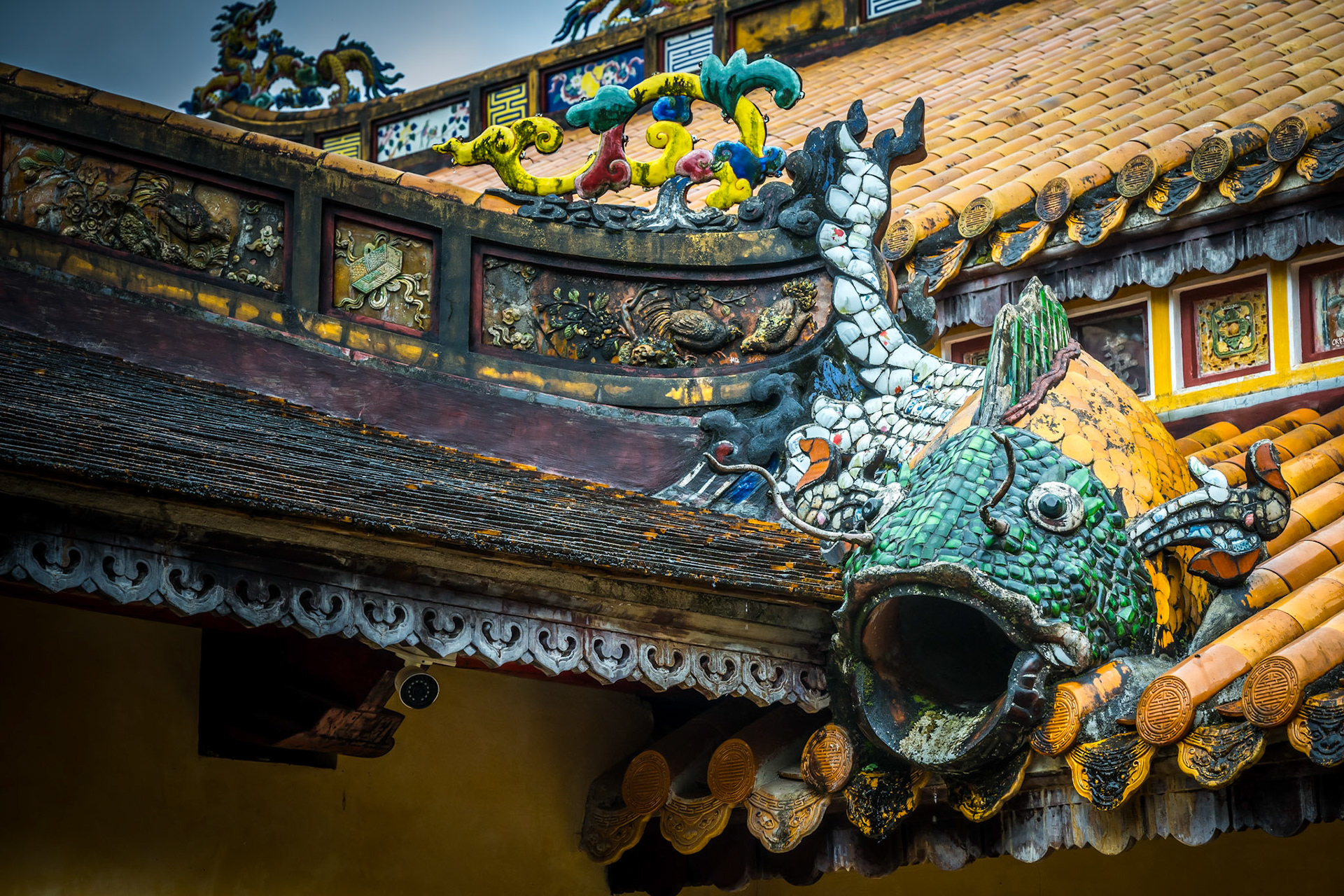
Amongst other things that we learnt is that Koi carp are considered to be animals that can pass through heaven to become dragons, with dragons being portrayers or controllers of the weather. The number of claws on a dragon shows whether the dragon is a royal dragon (five claws), a high class dragon (four claws) or a common as dragon (three claws). We also learnt that a yellow roof is for the king, whilst buildings with green roofs are for the ministers.
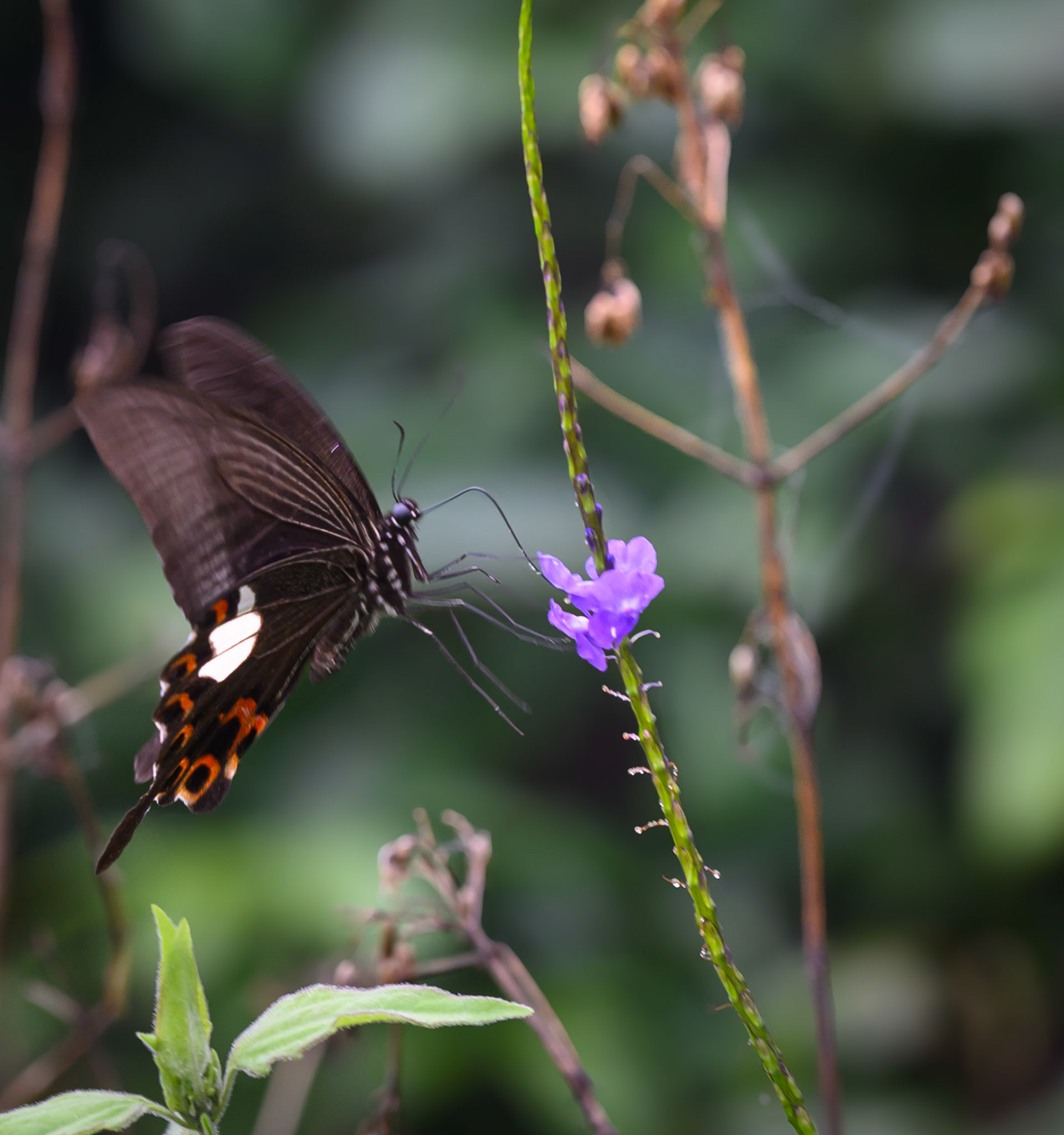
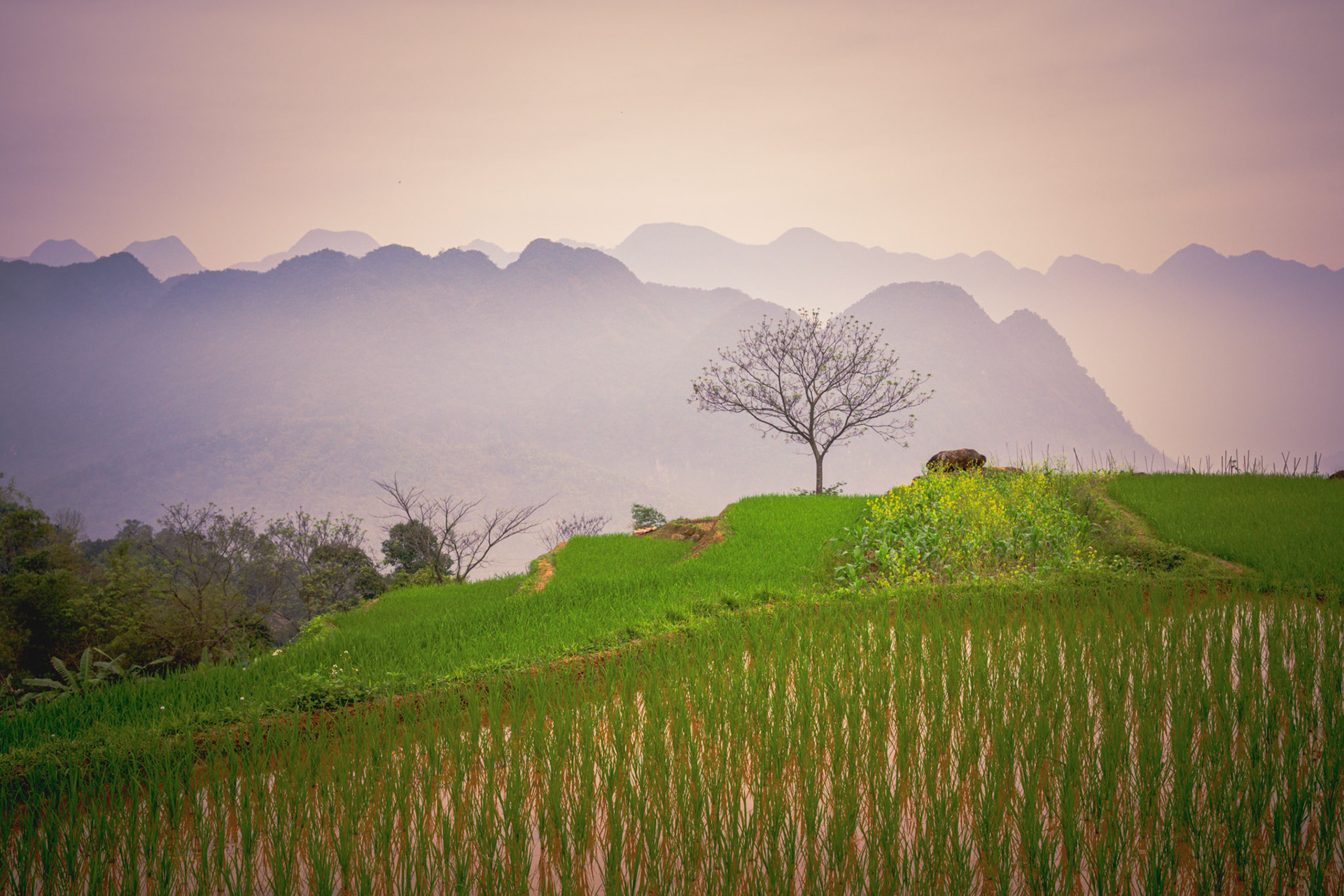
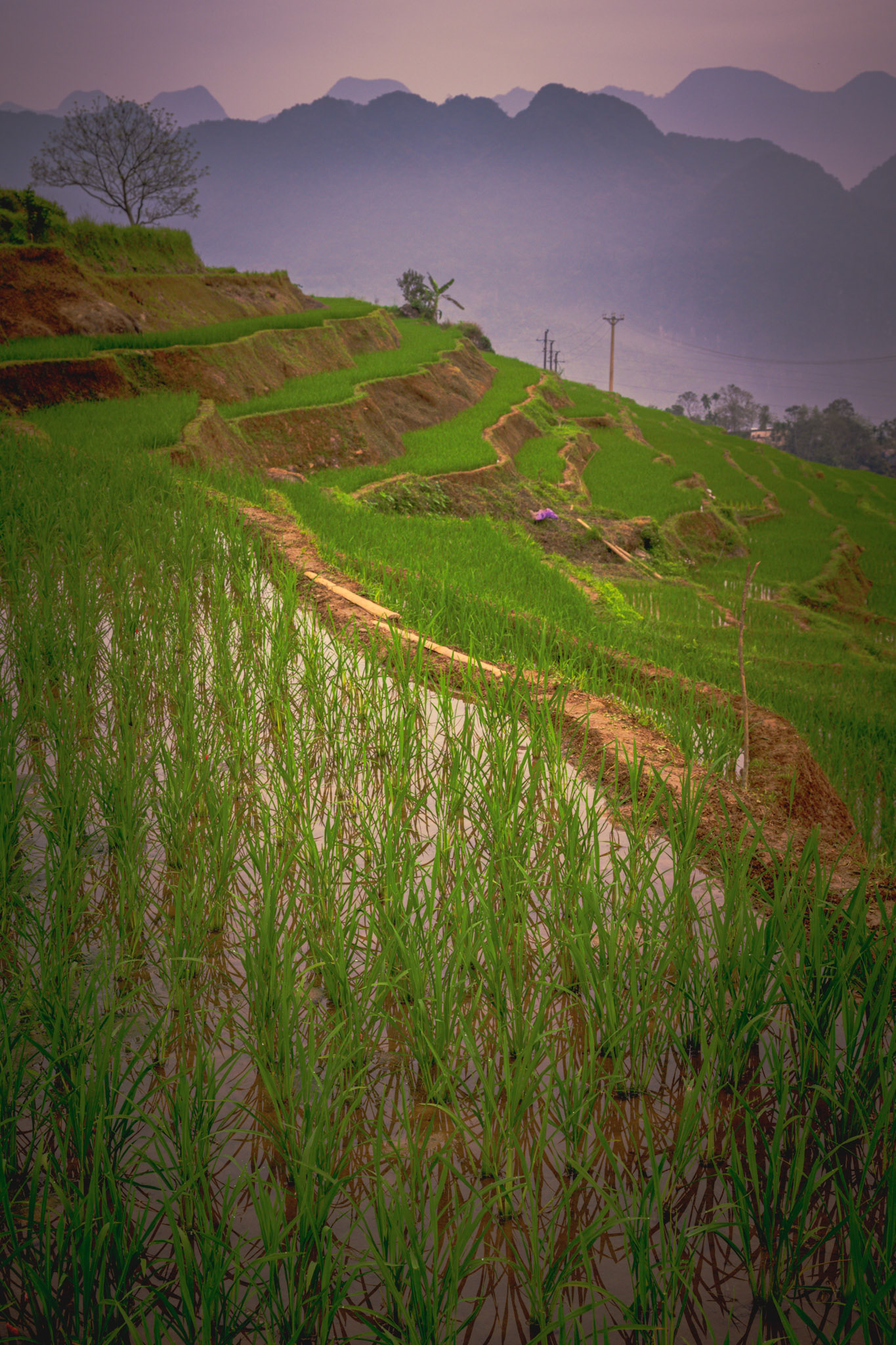
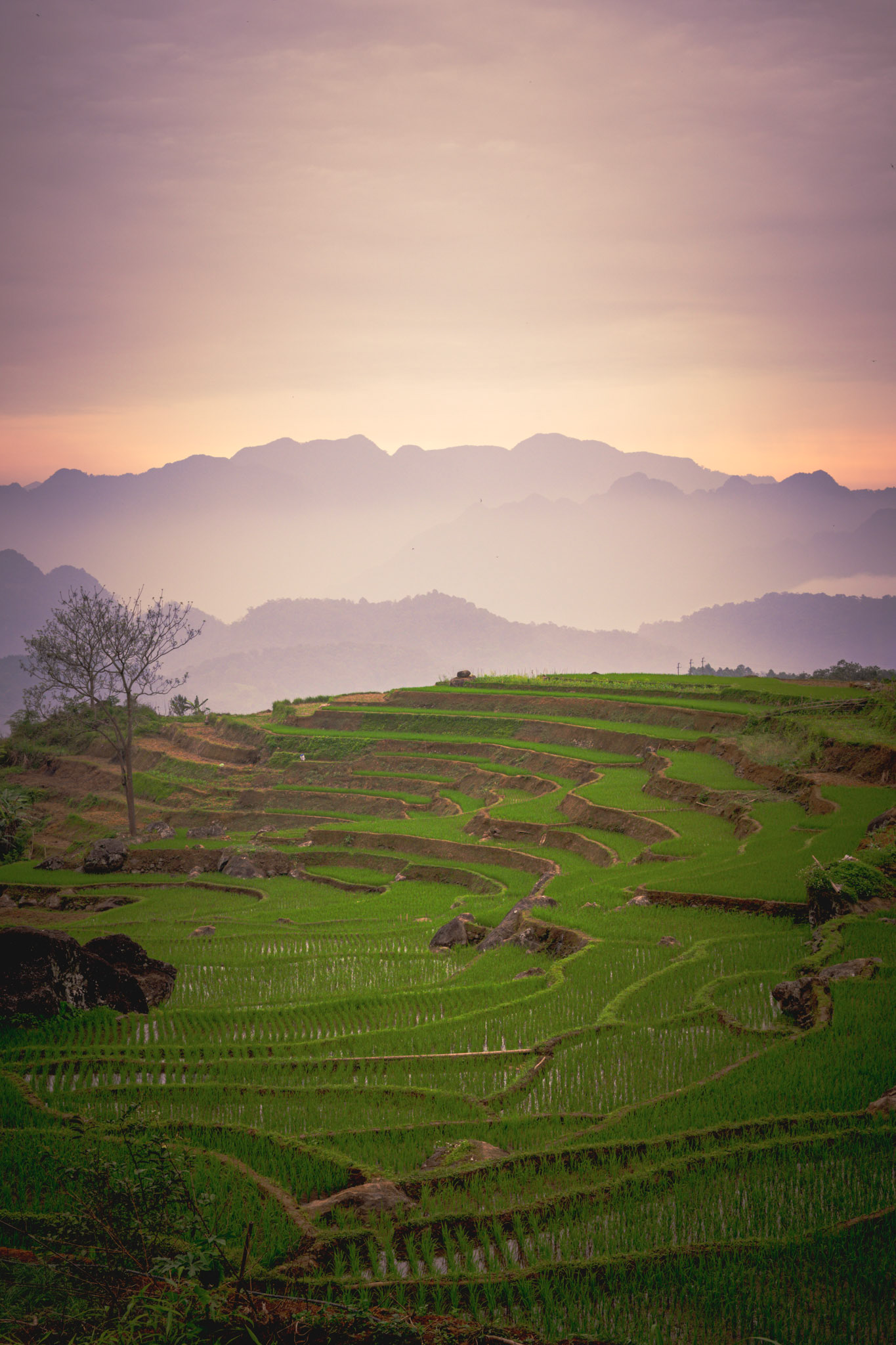
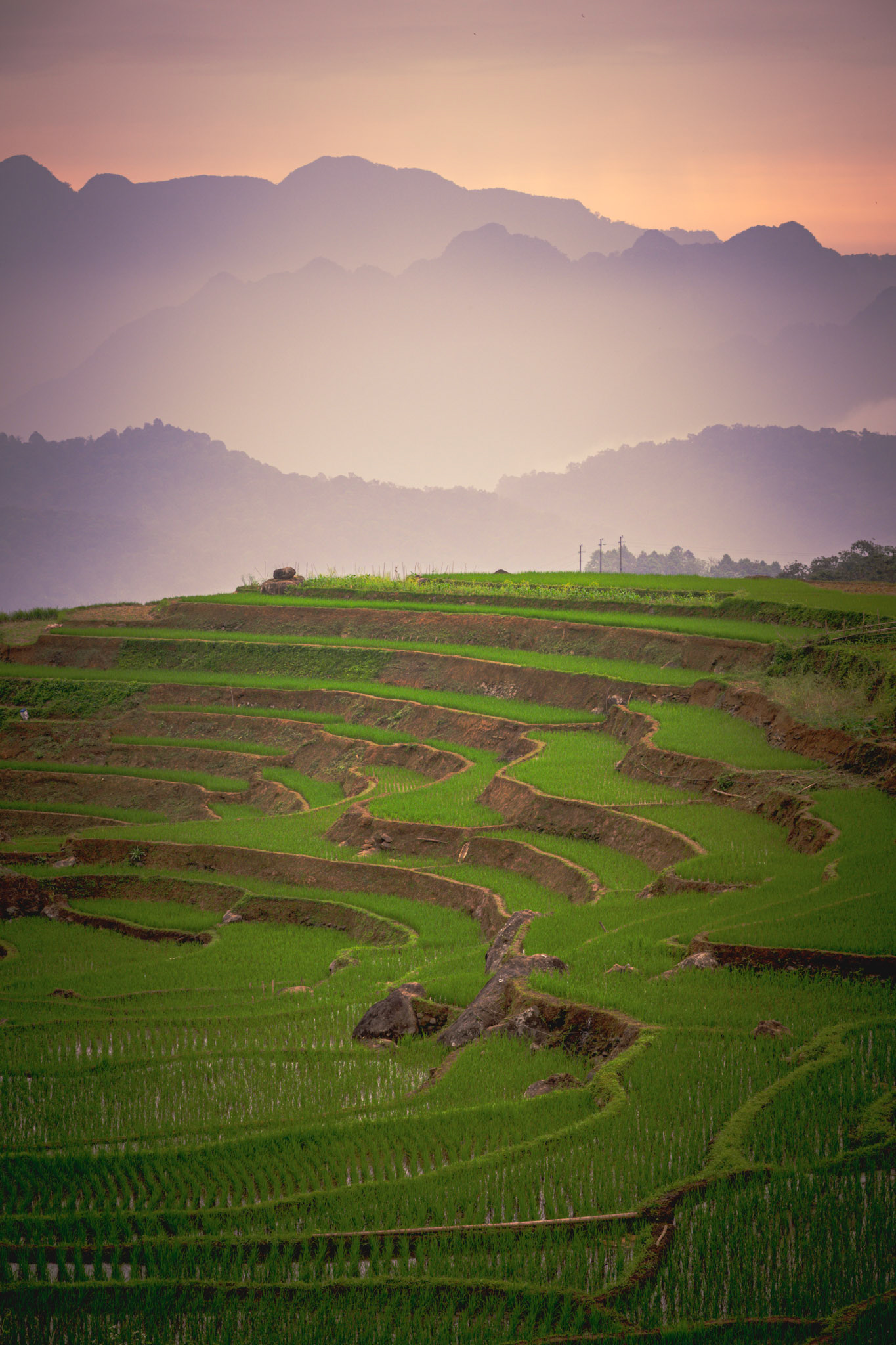
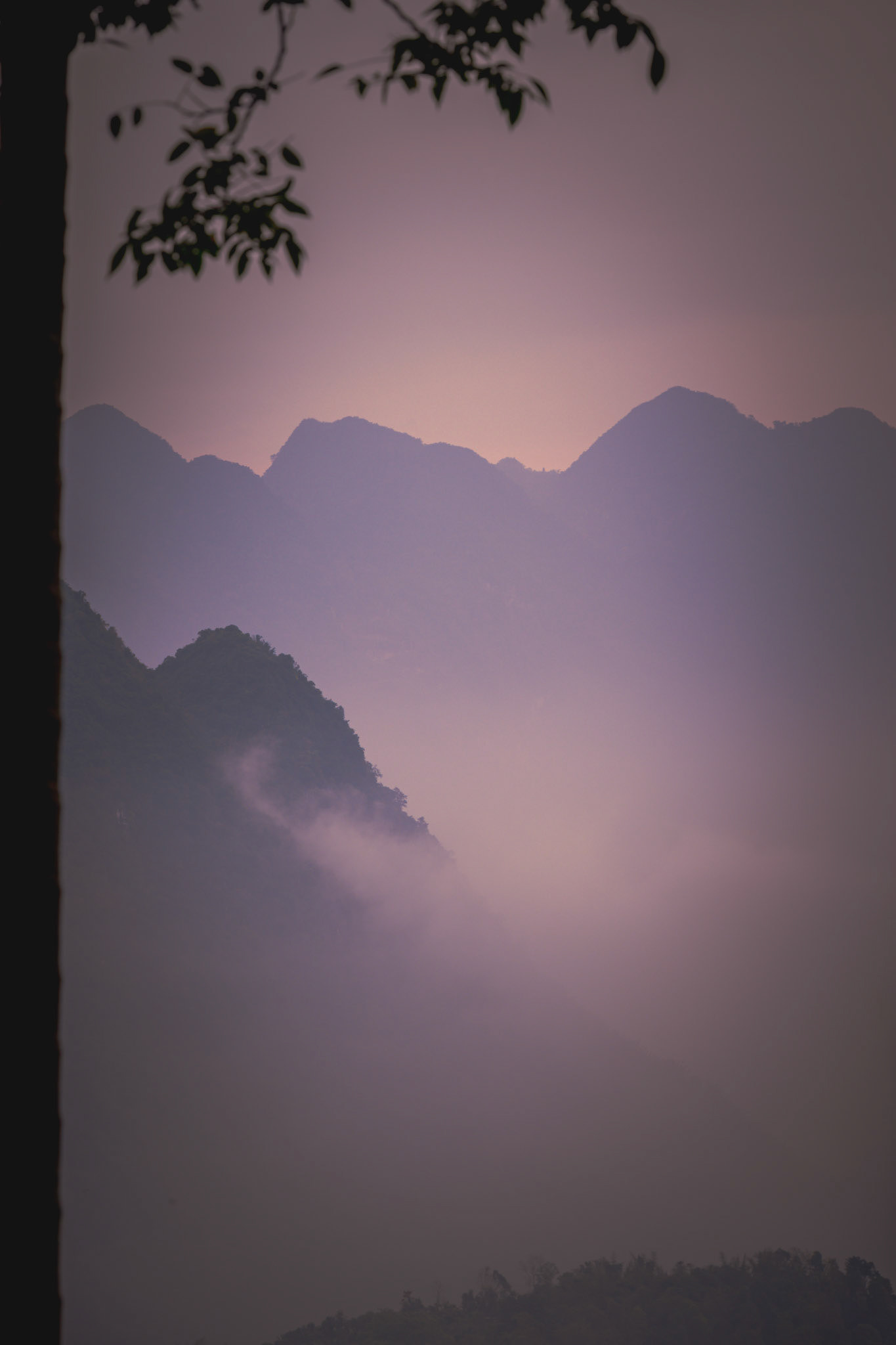
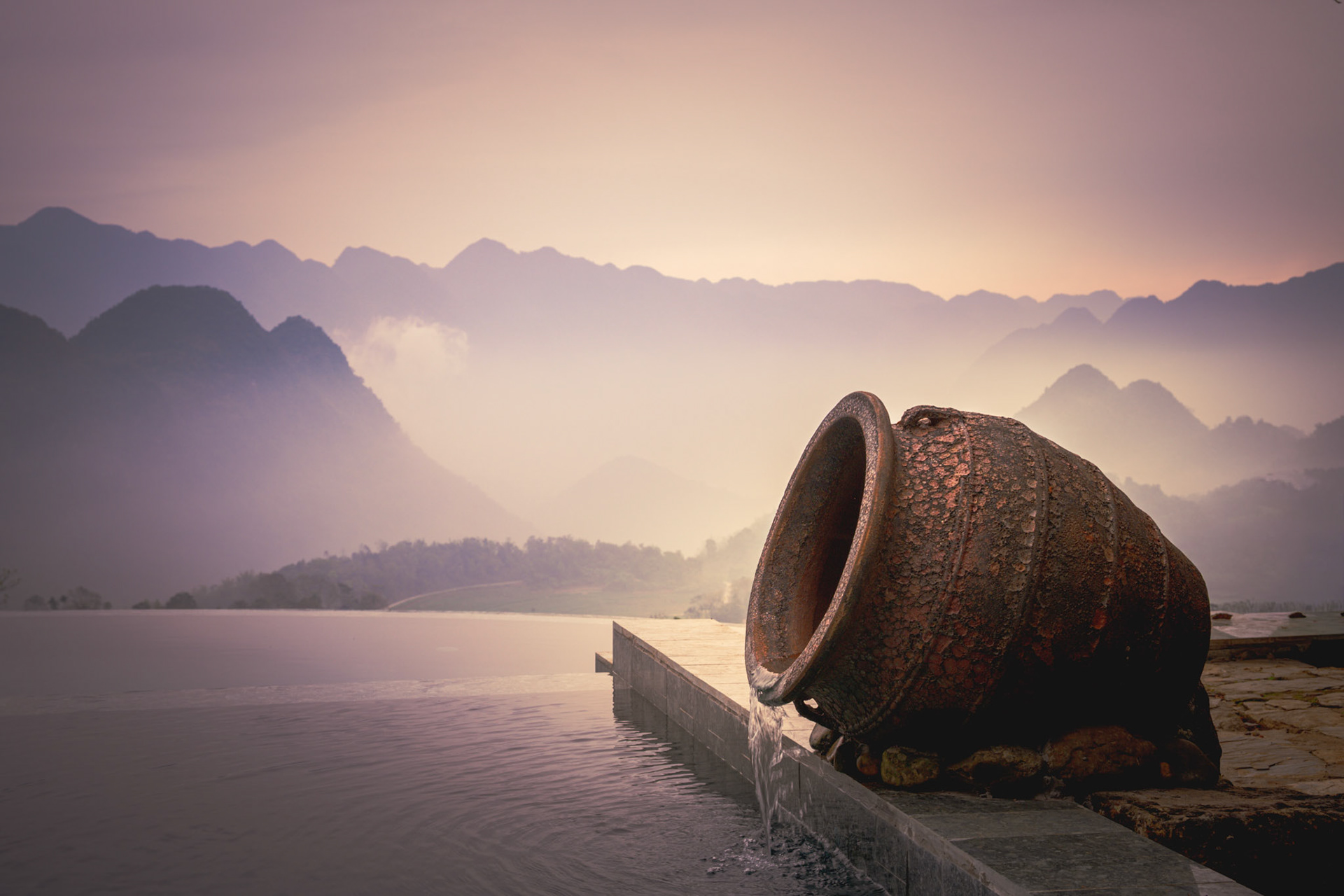
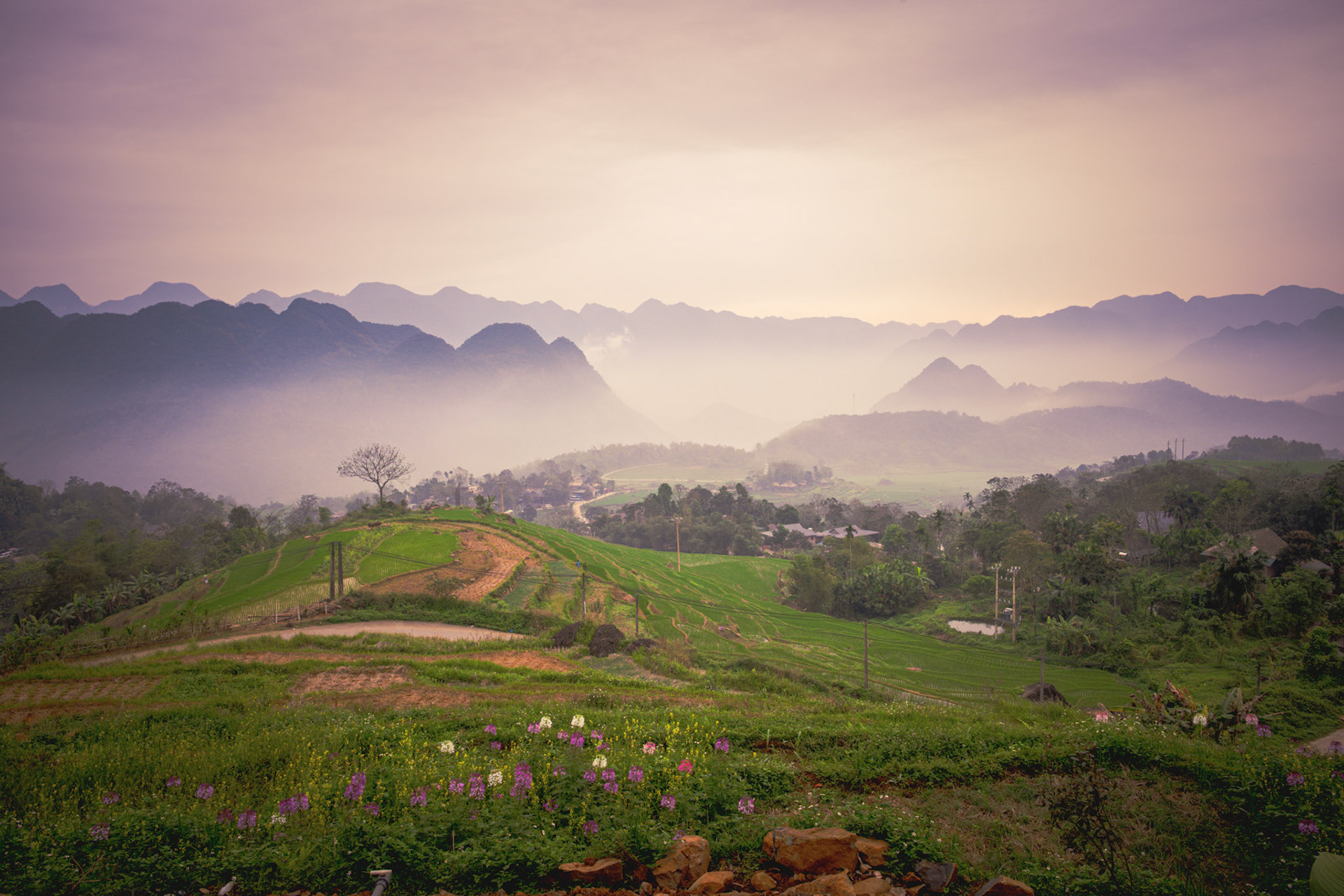
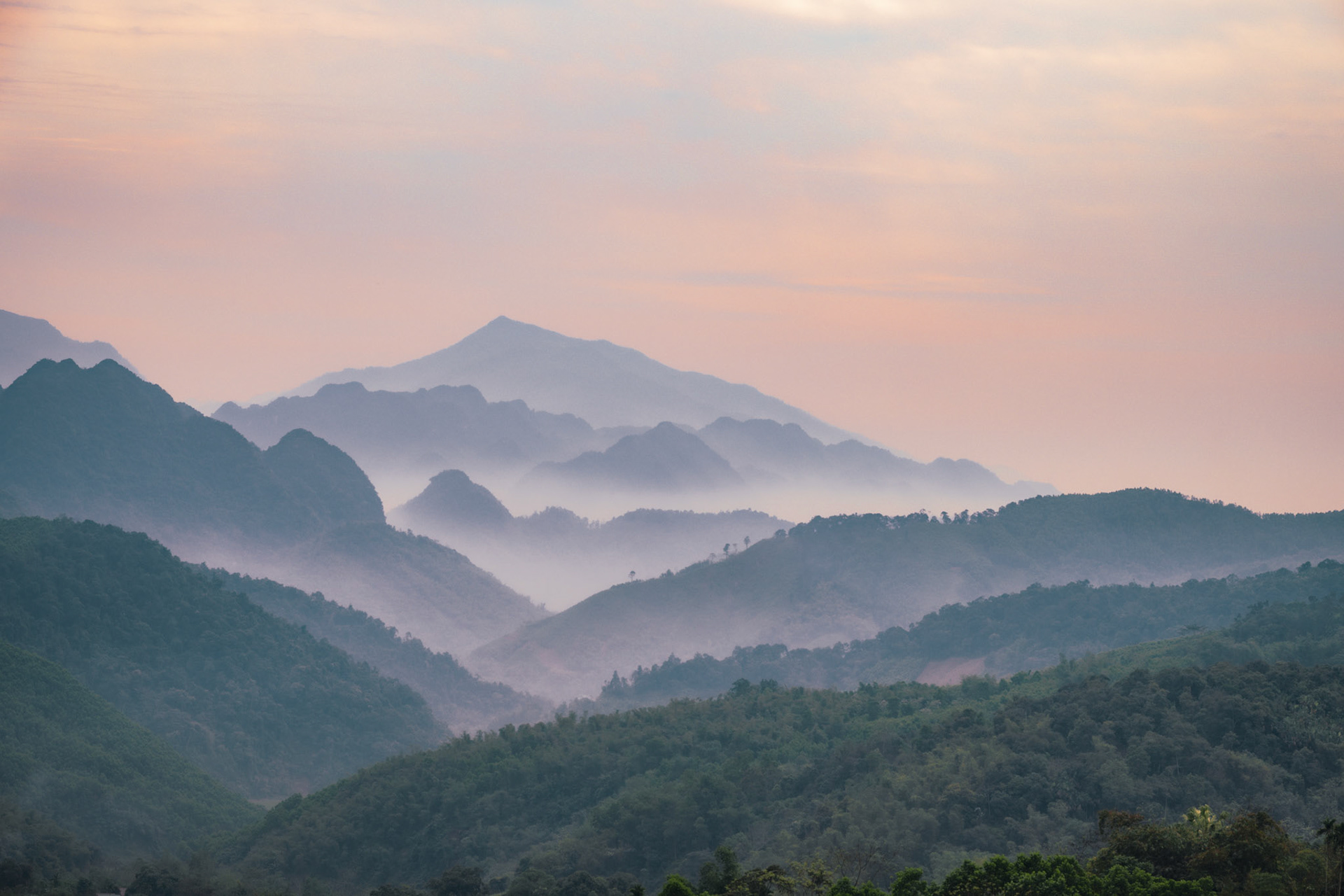
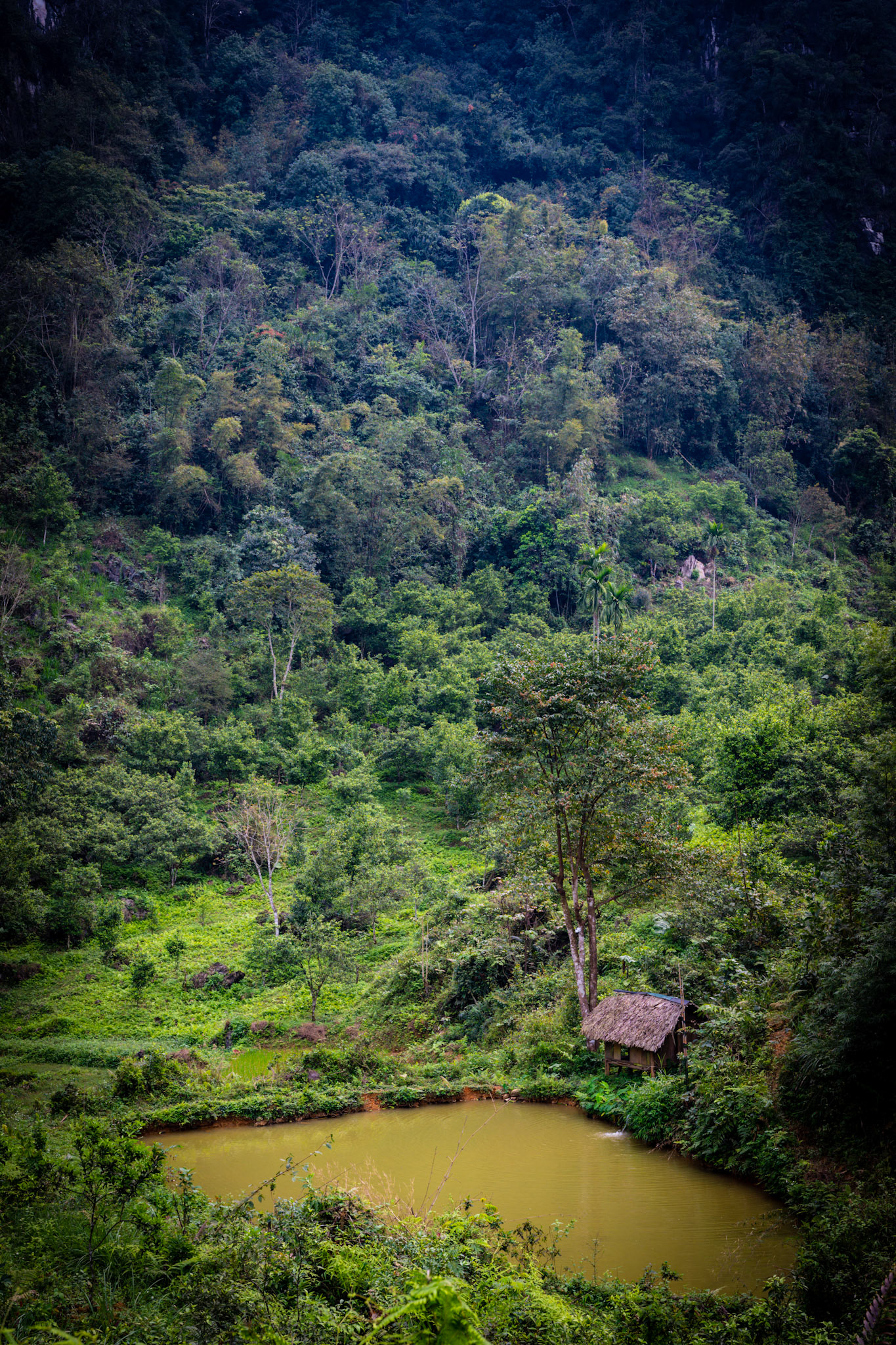
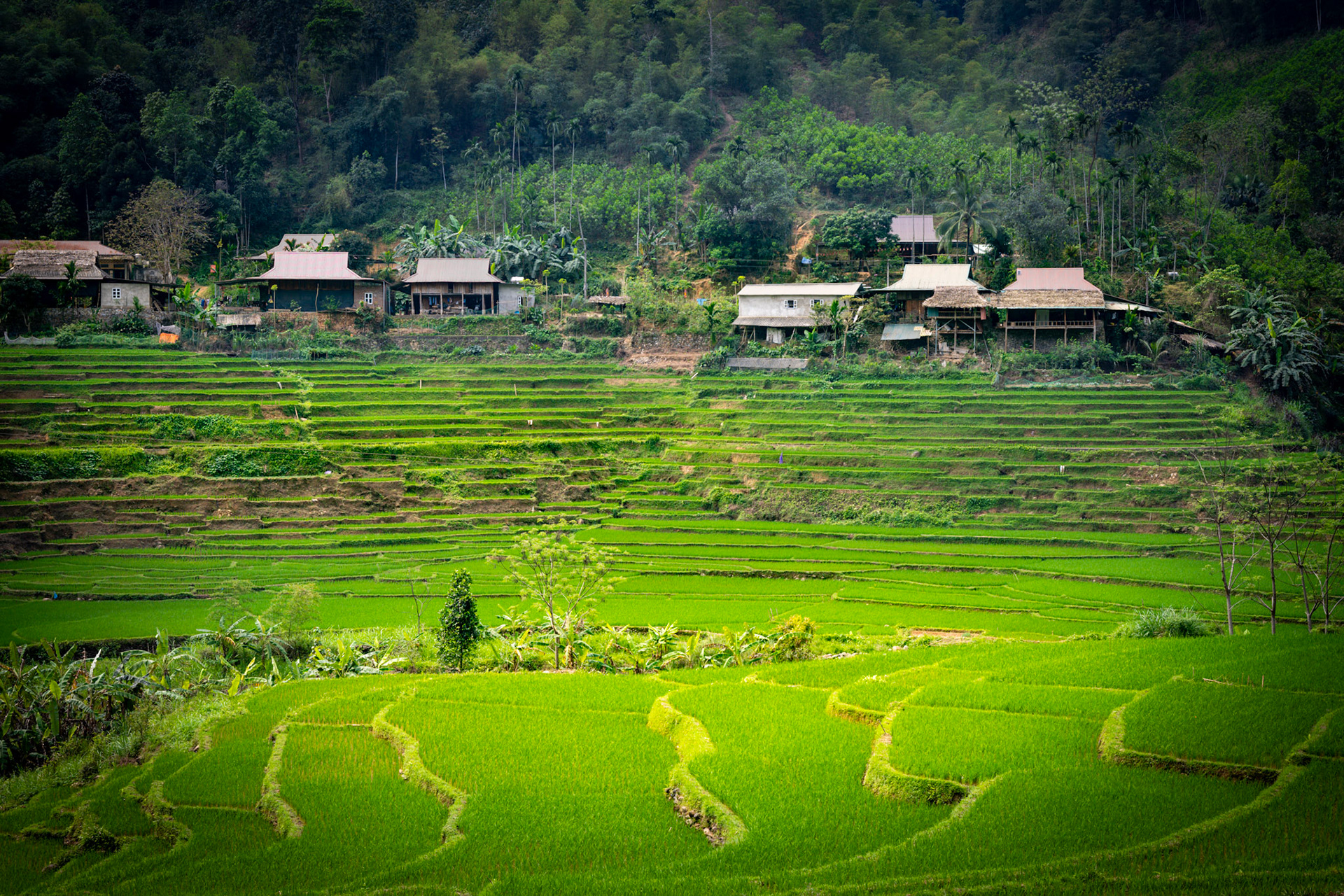
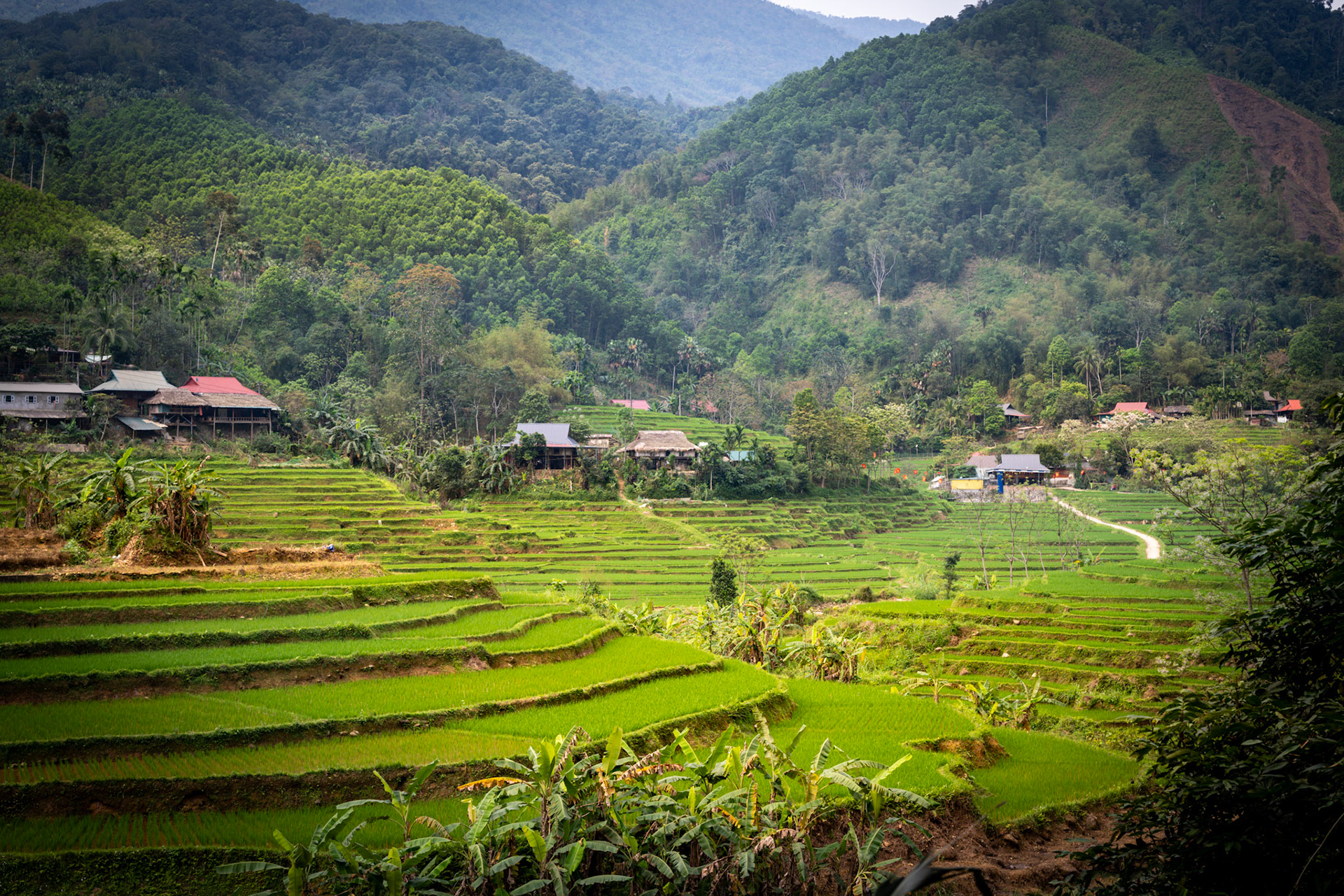
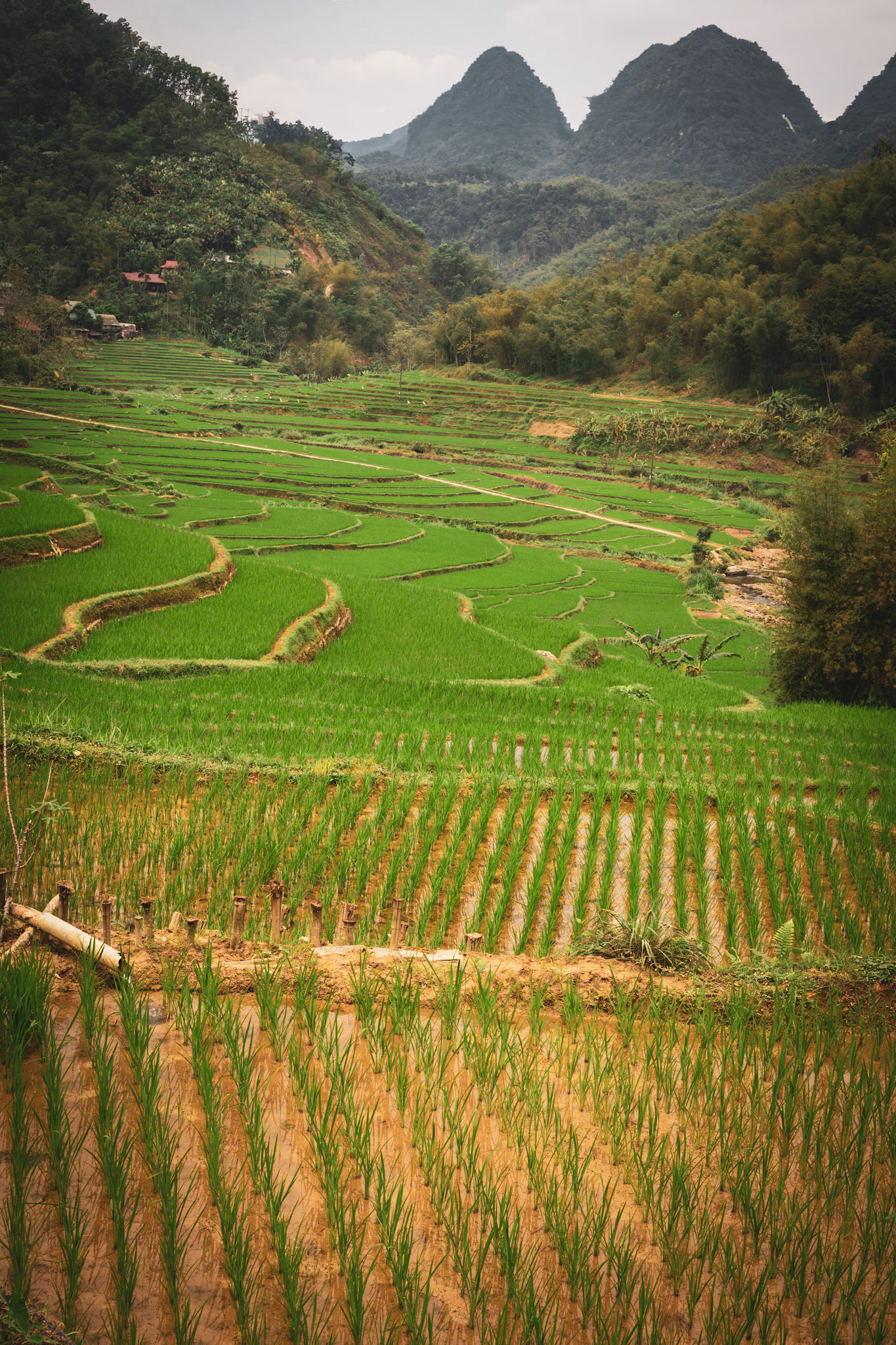
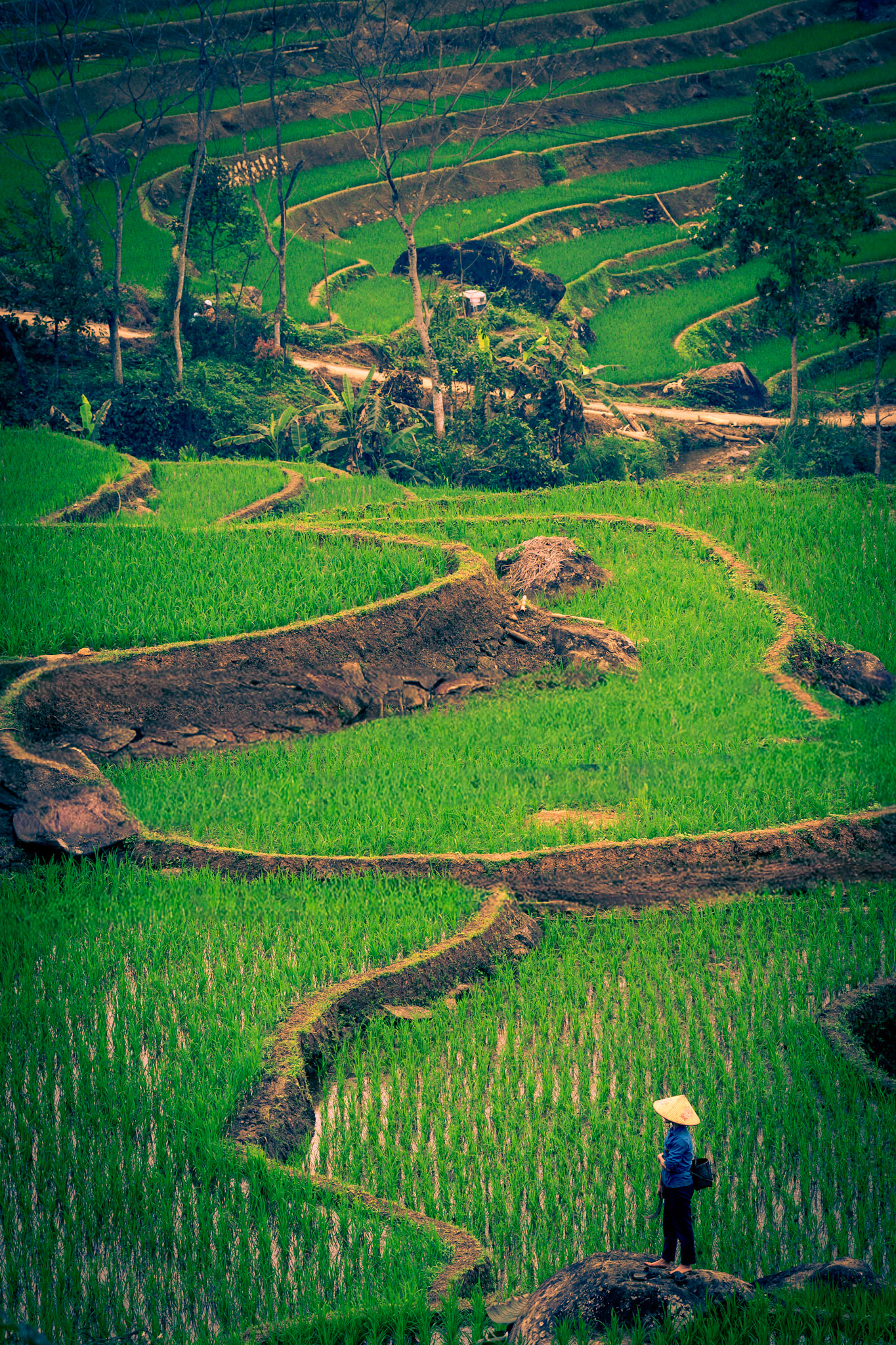
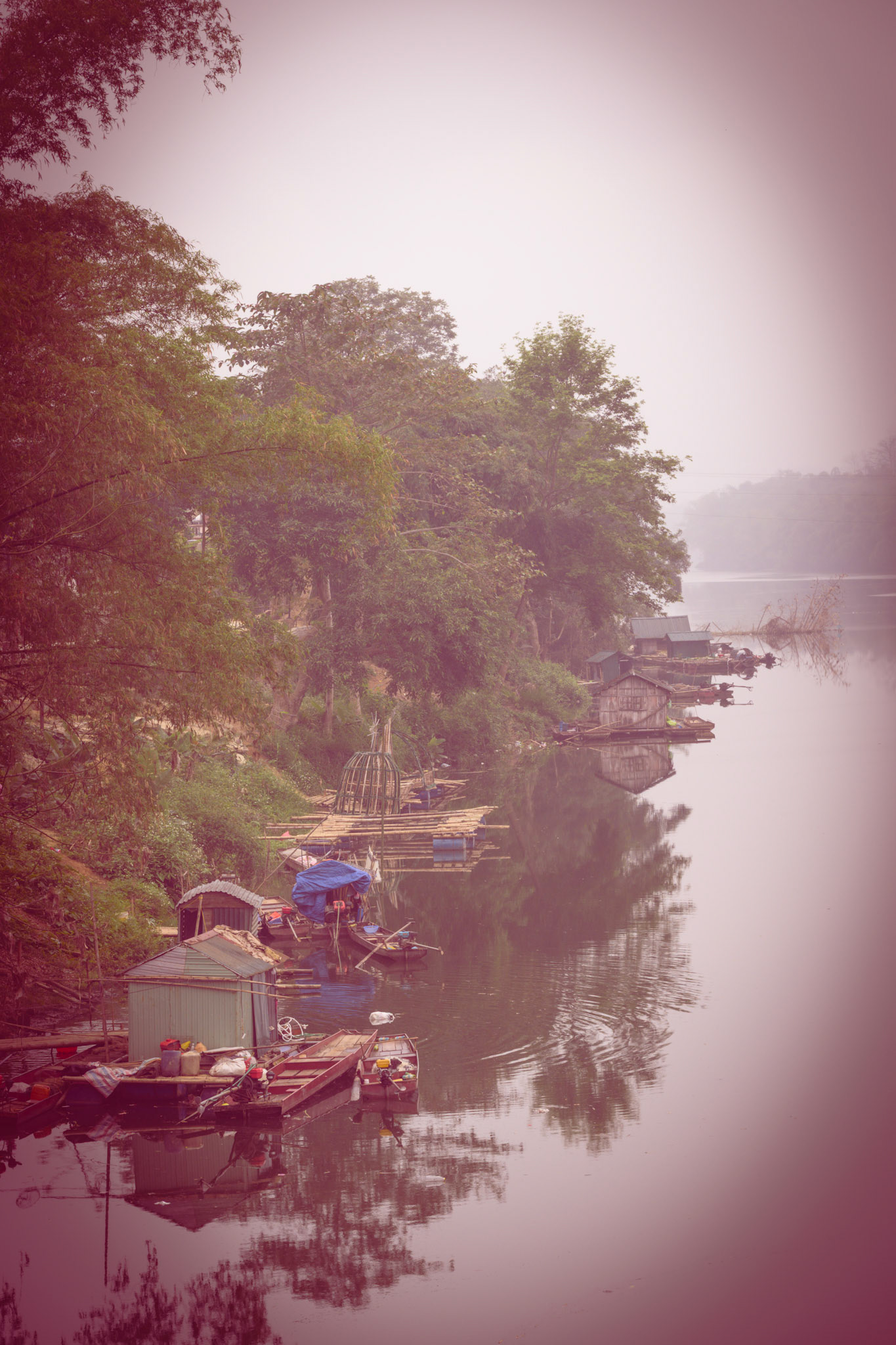
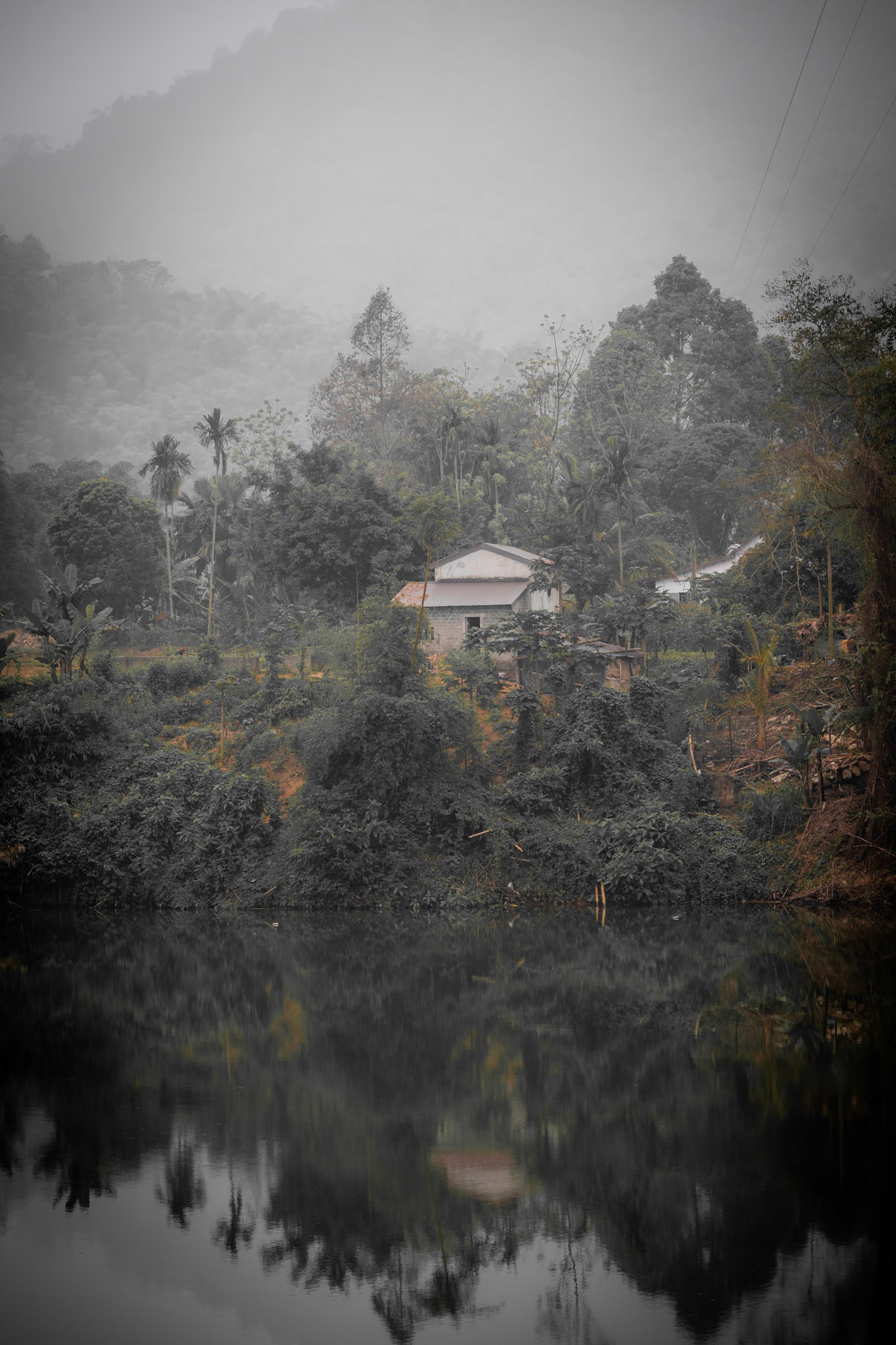
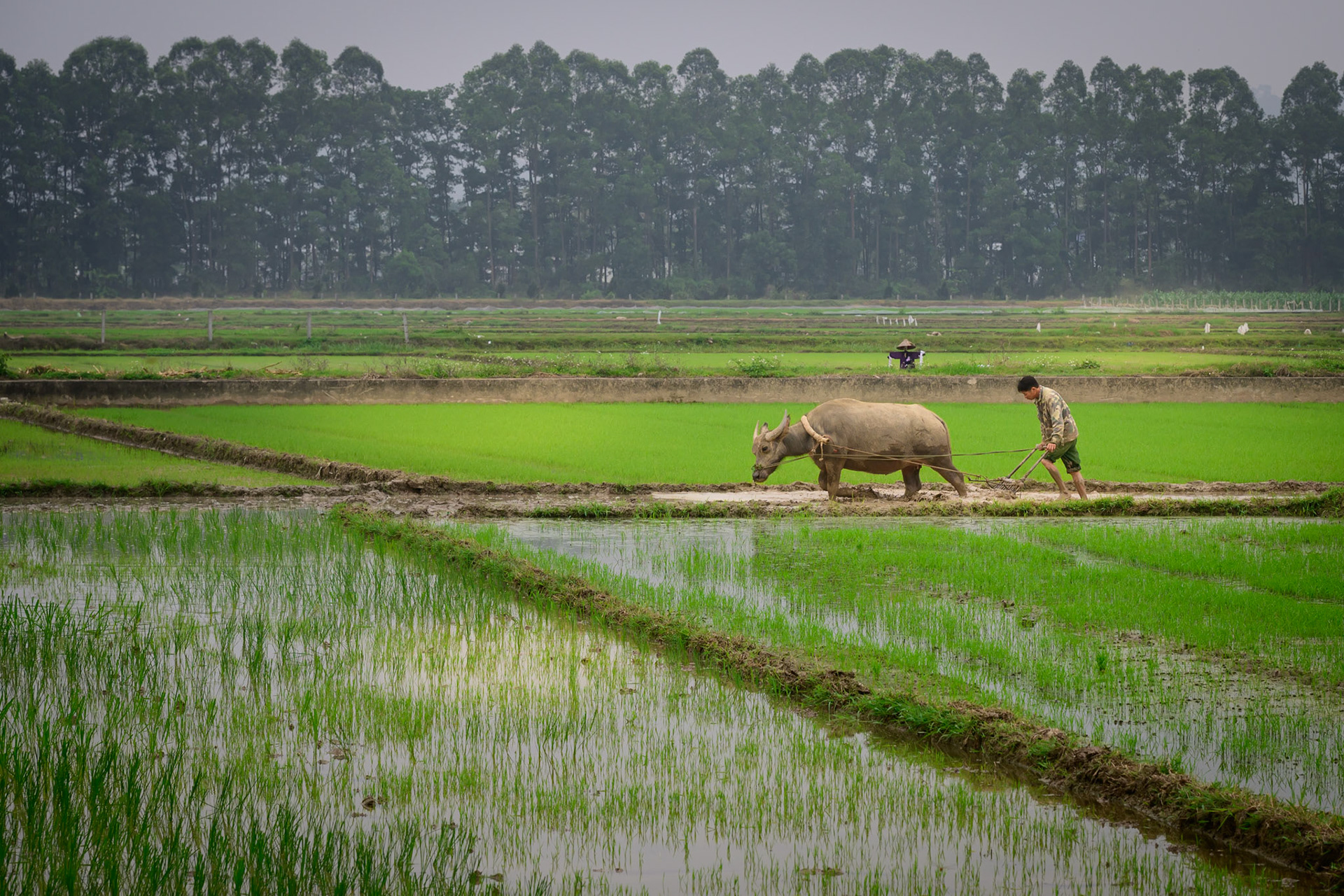
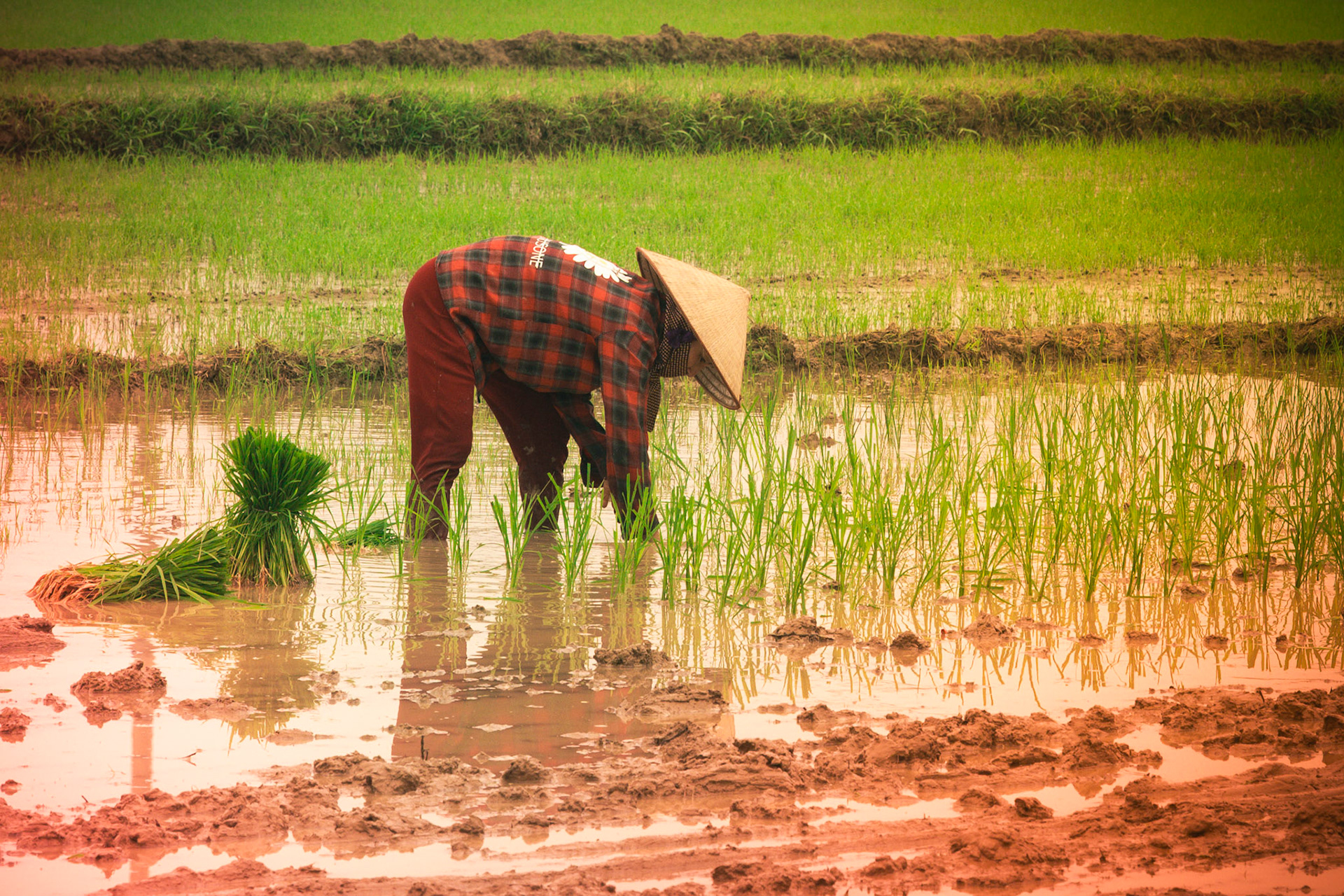
From Hue, we flew to Hanoi and the. Took a long drive to Pu Luong reserve - only about 100 miles away but a 5 hour journey. It was worth it though. The reserve is nestled between two ranges of mountains, and has loads of rice terraces down into the valley where we went for a long, 8 mile, walk.
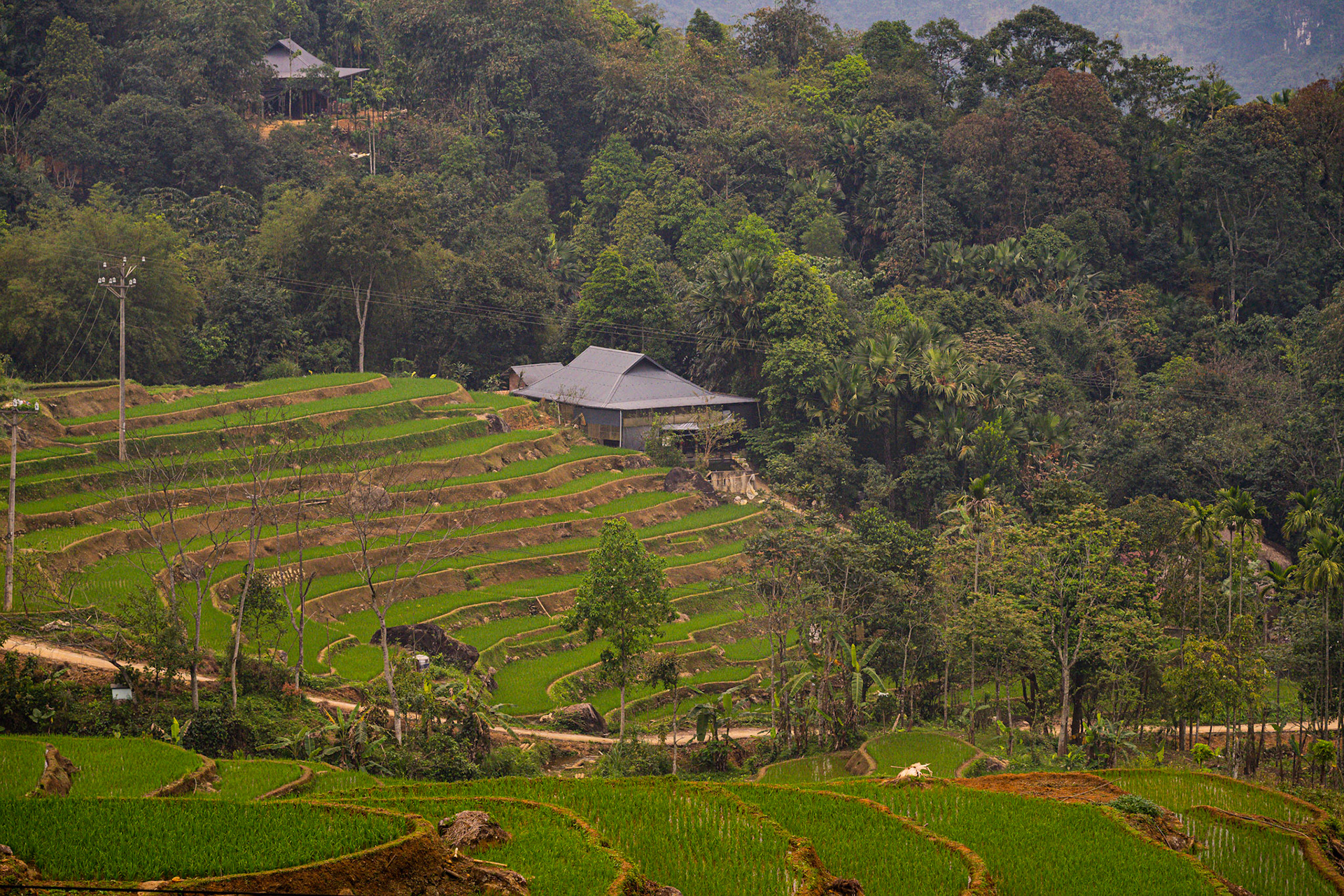
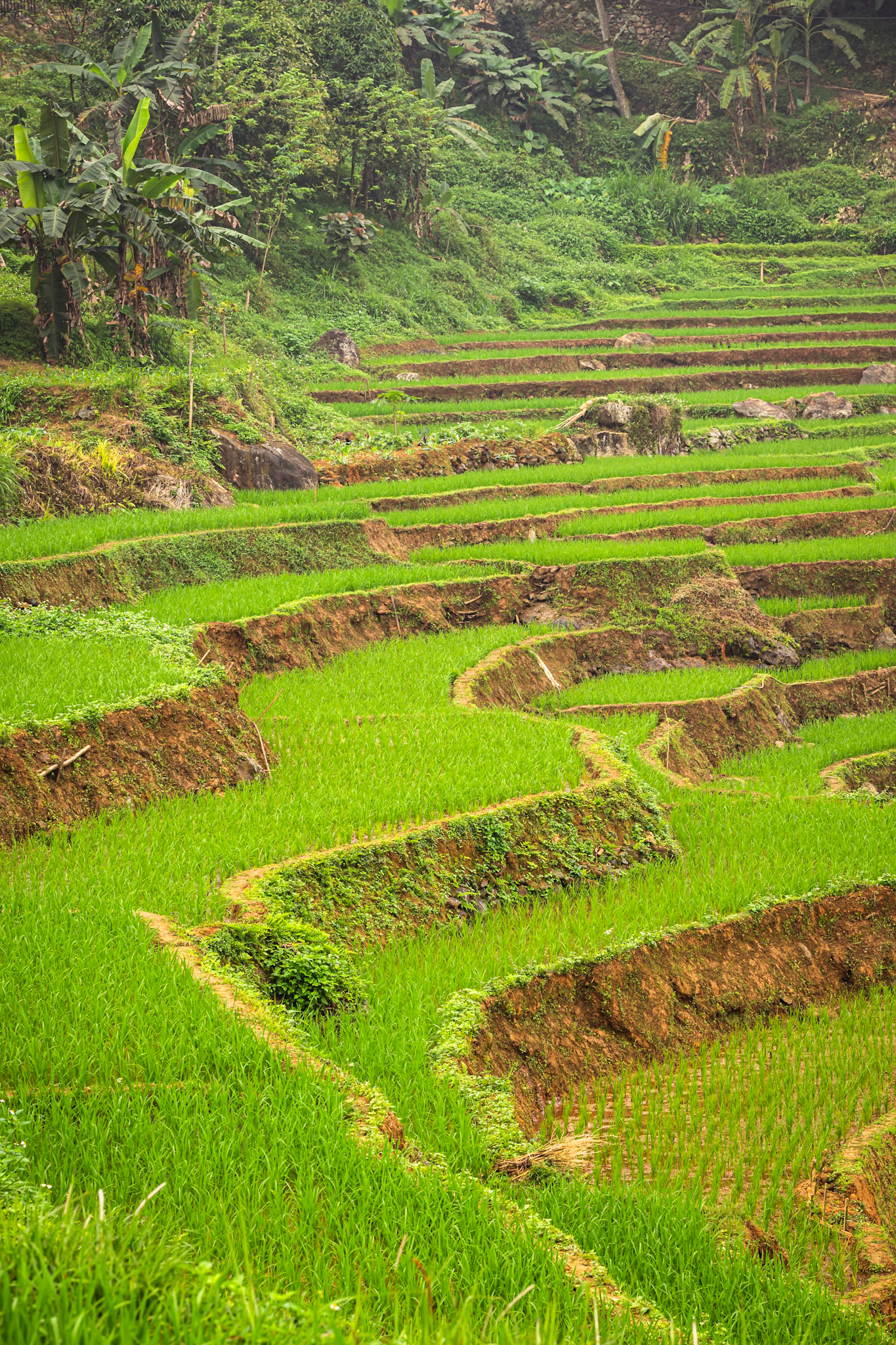
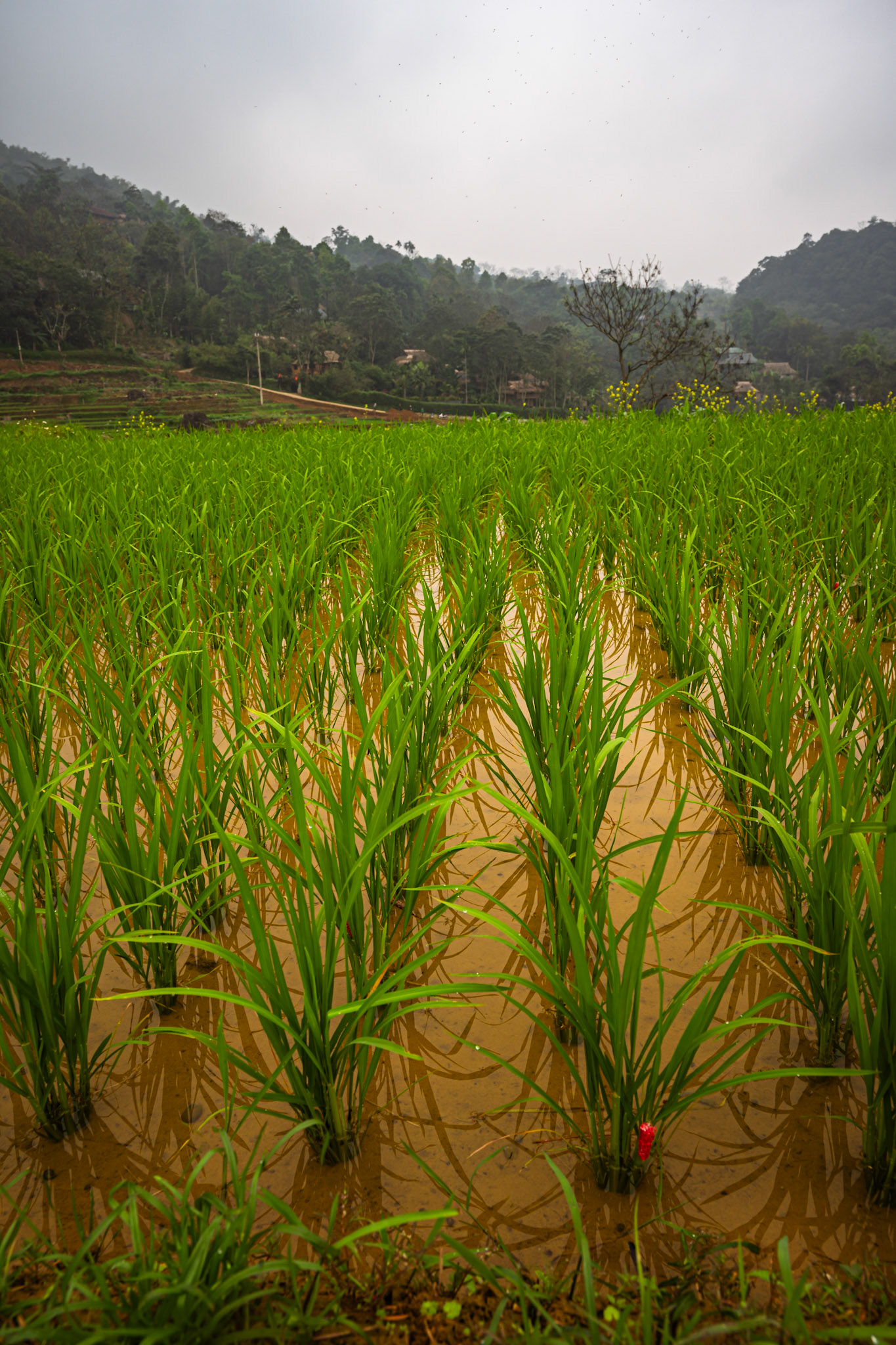
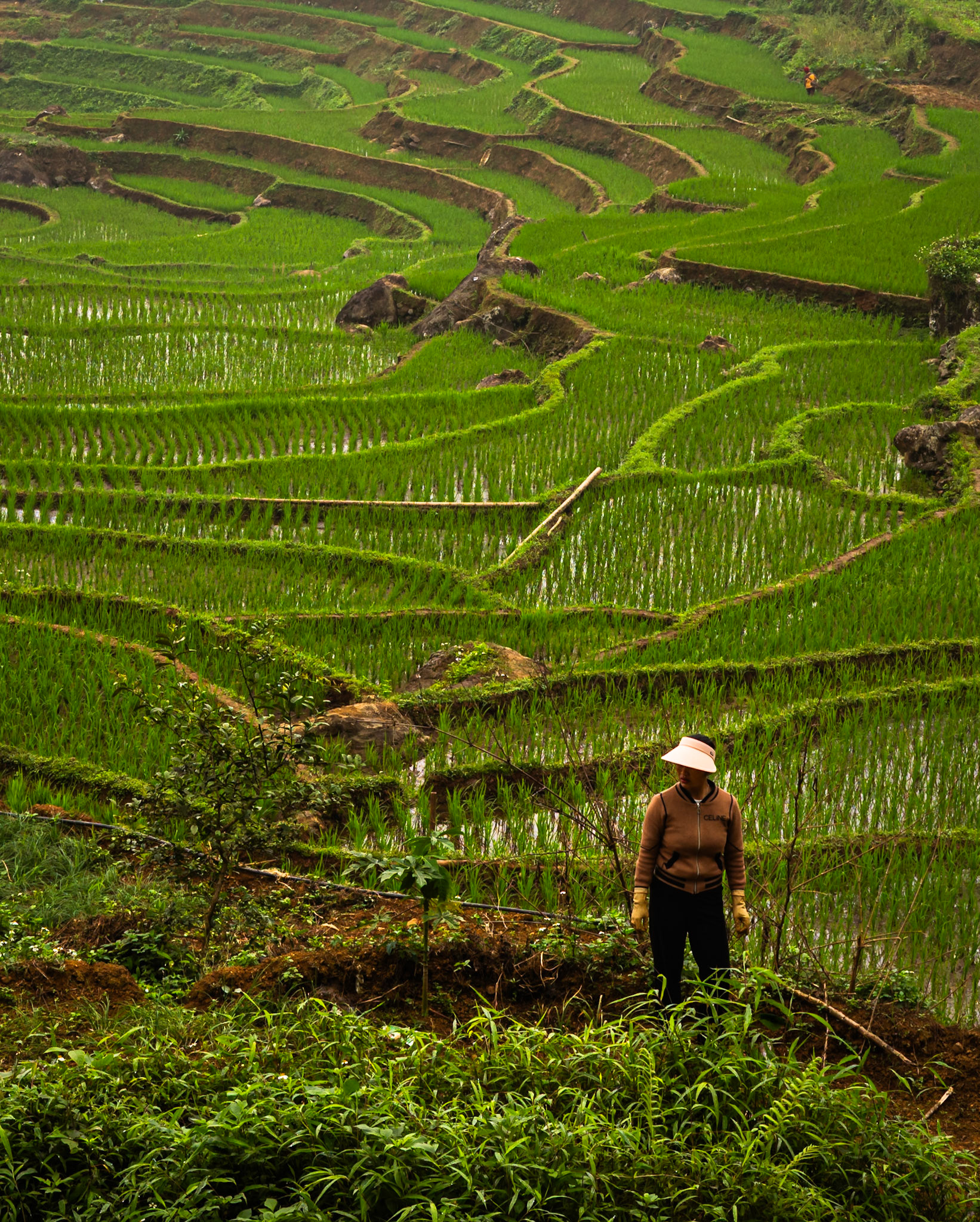
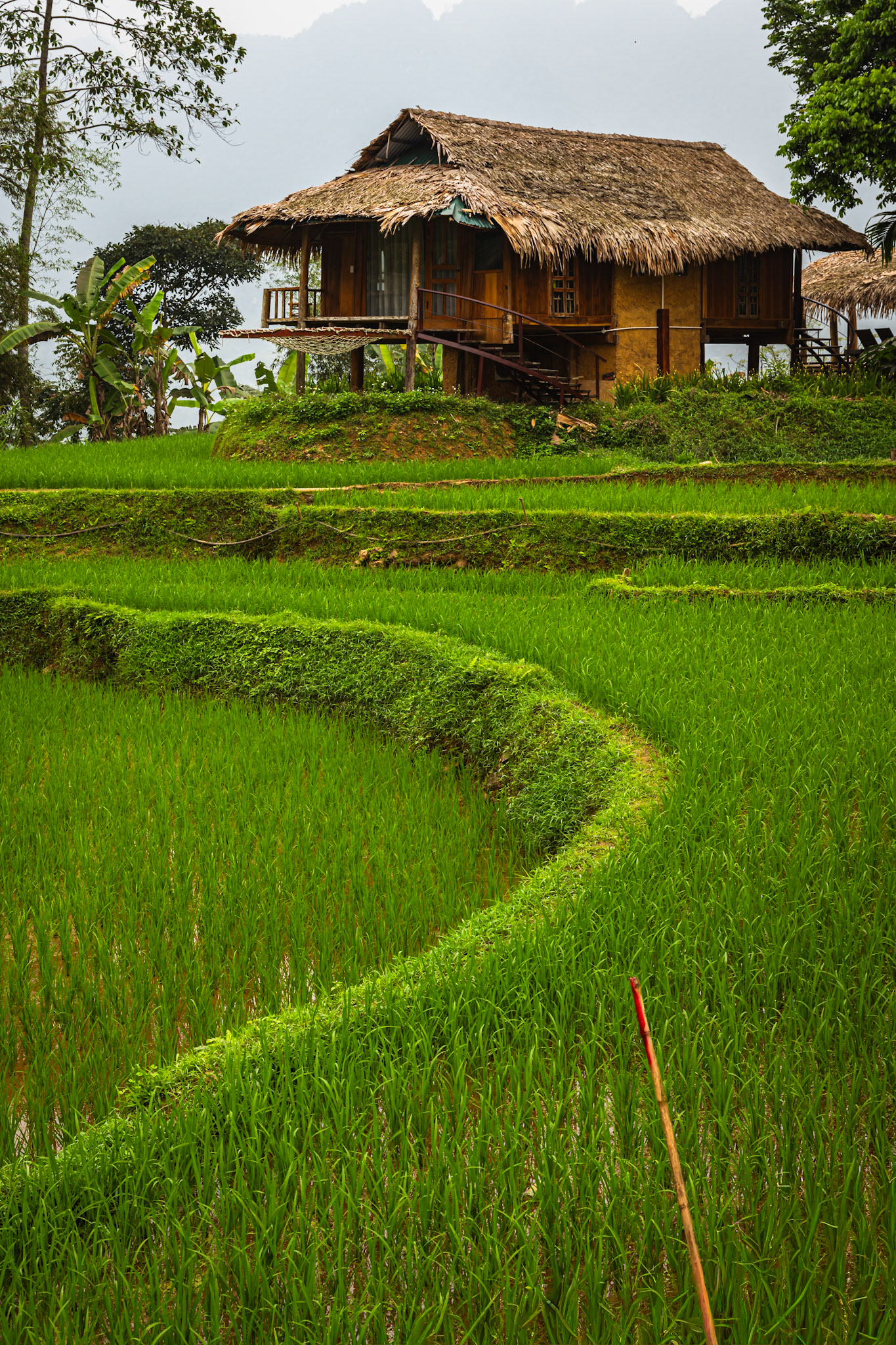
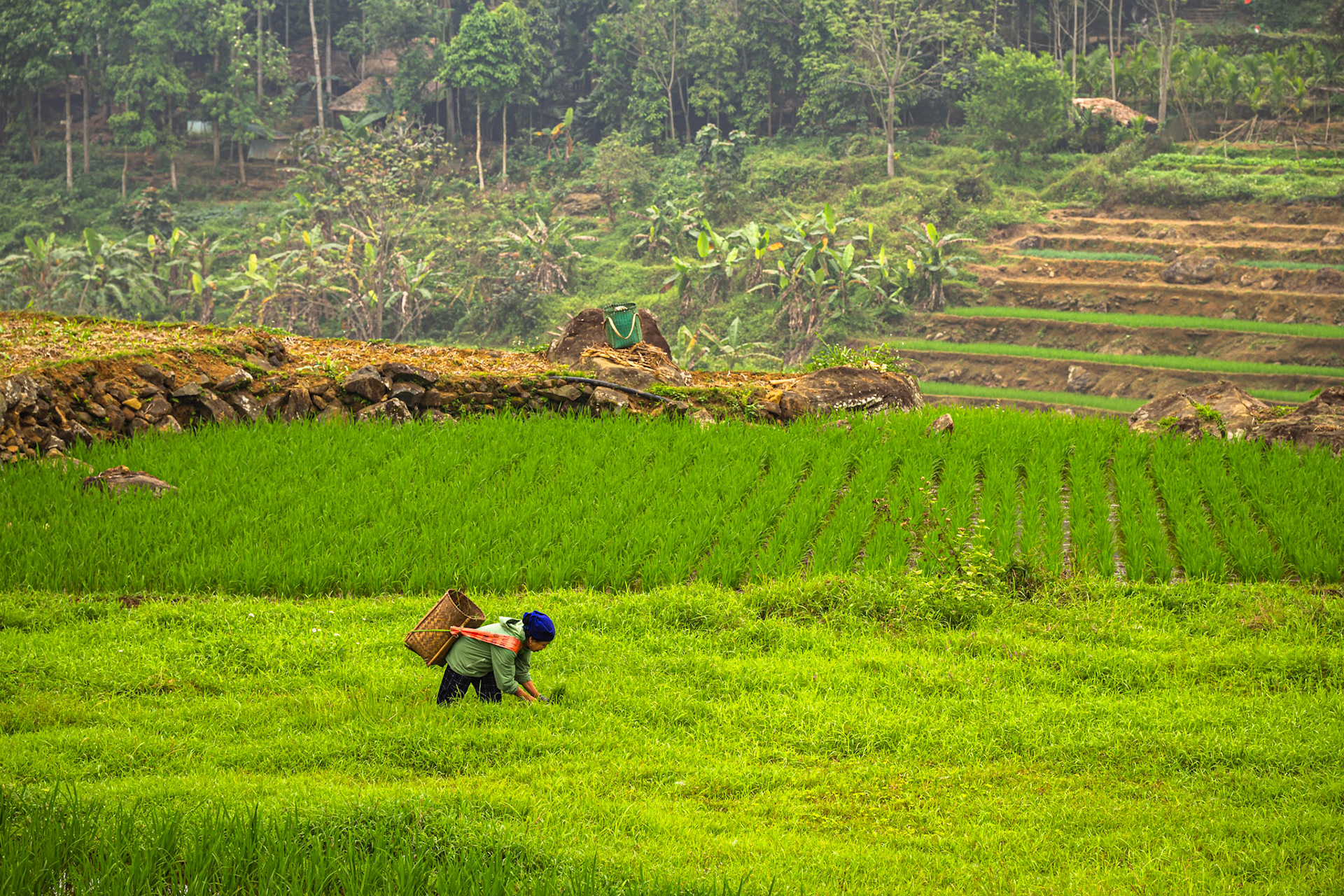
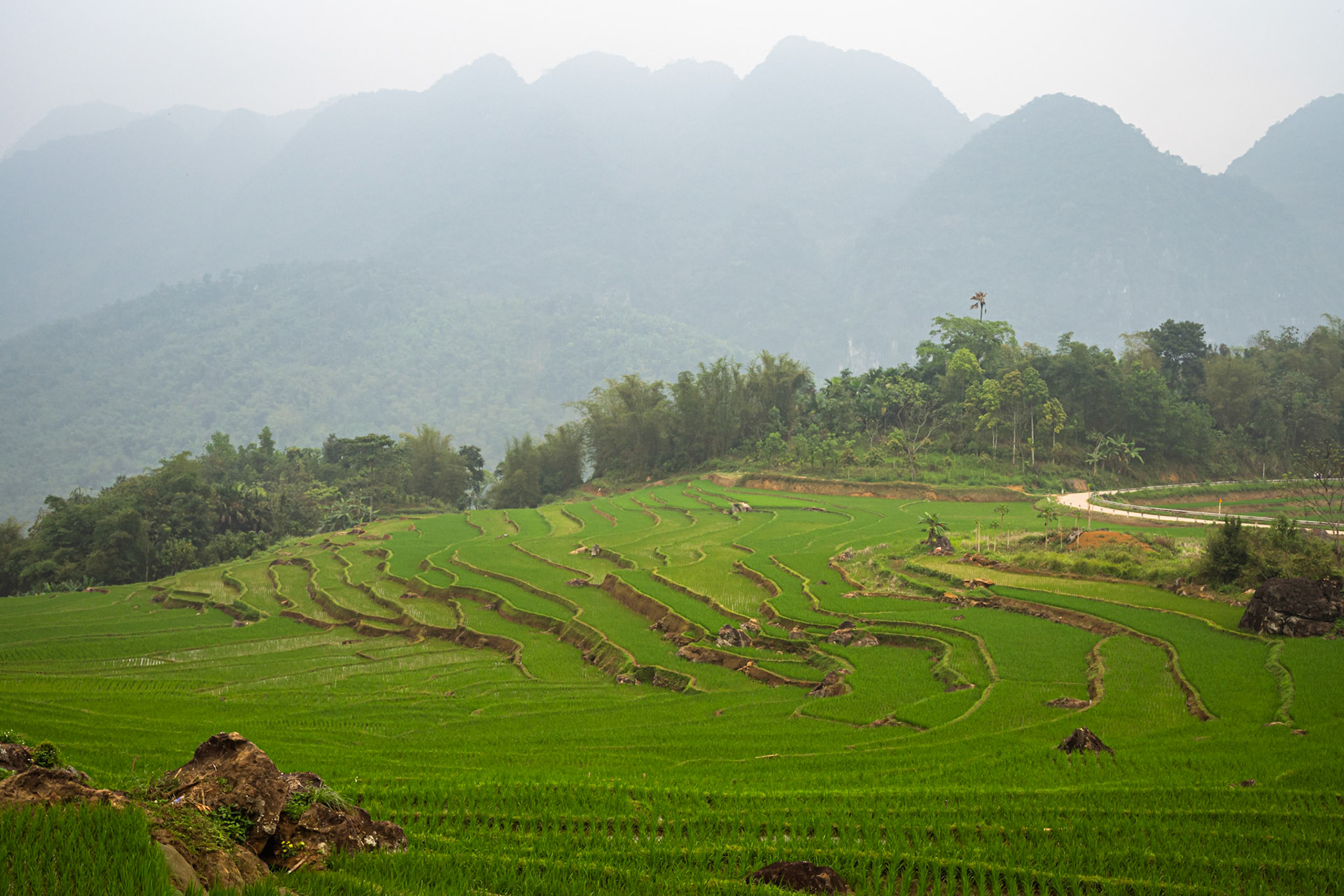
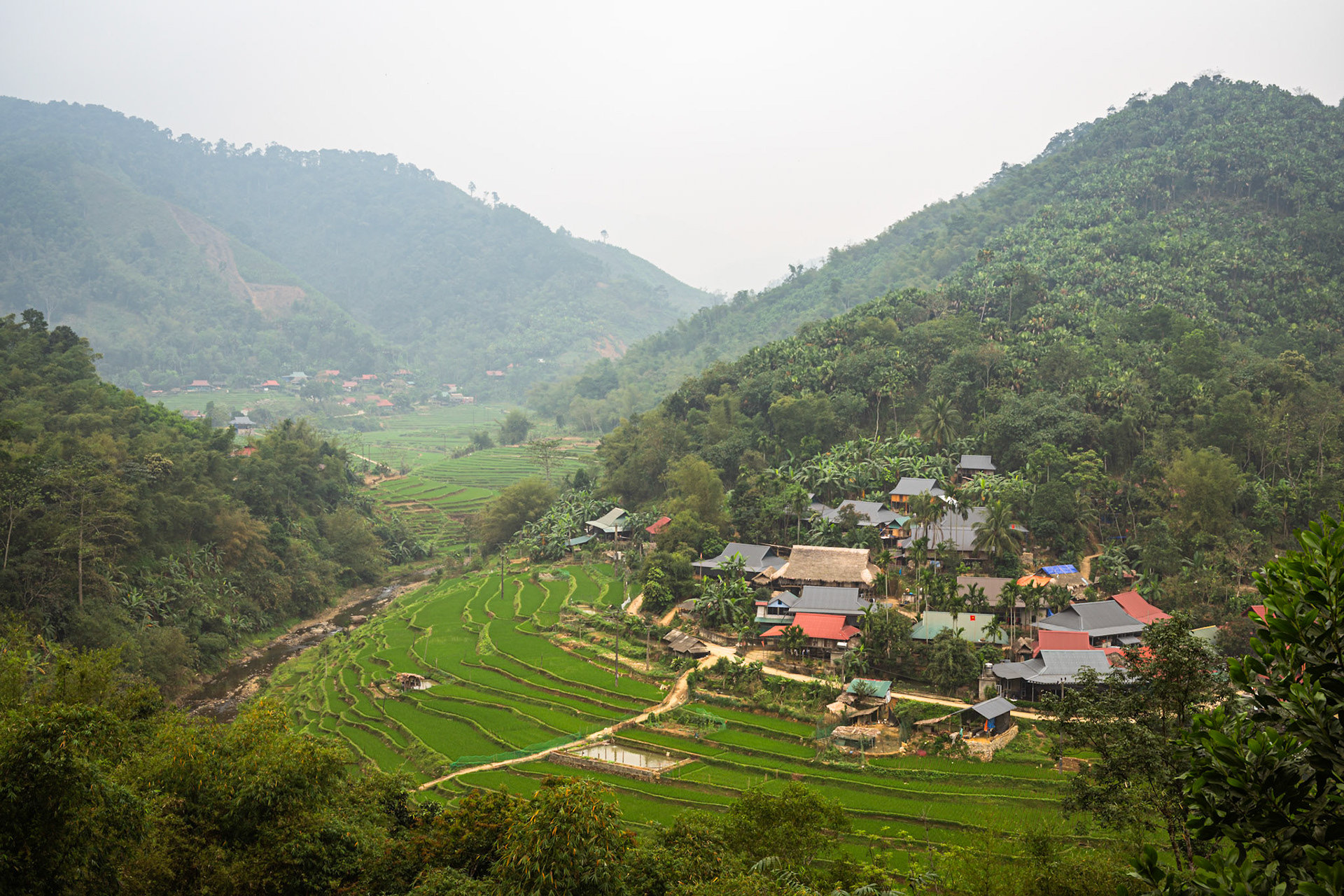
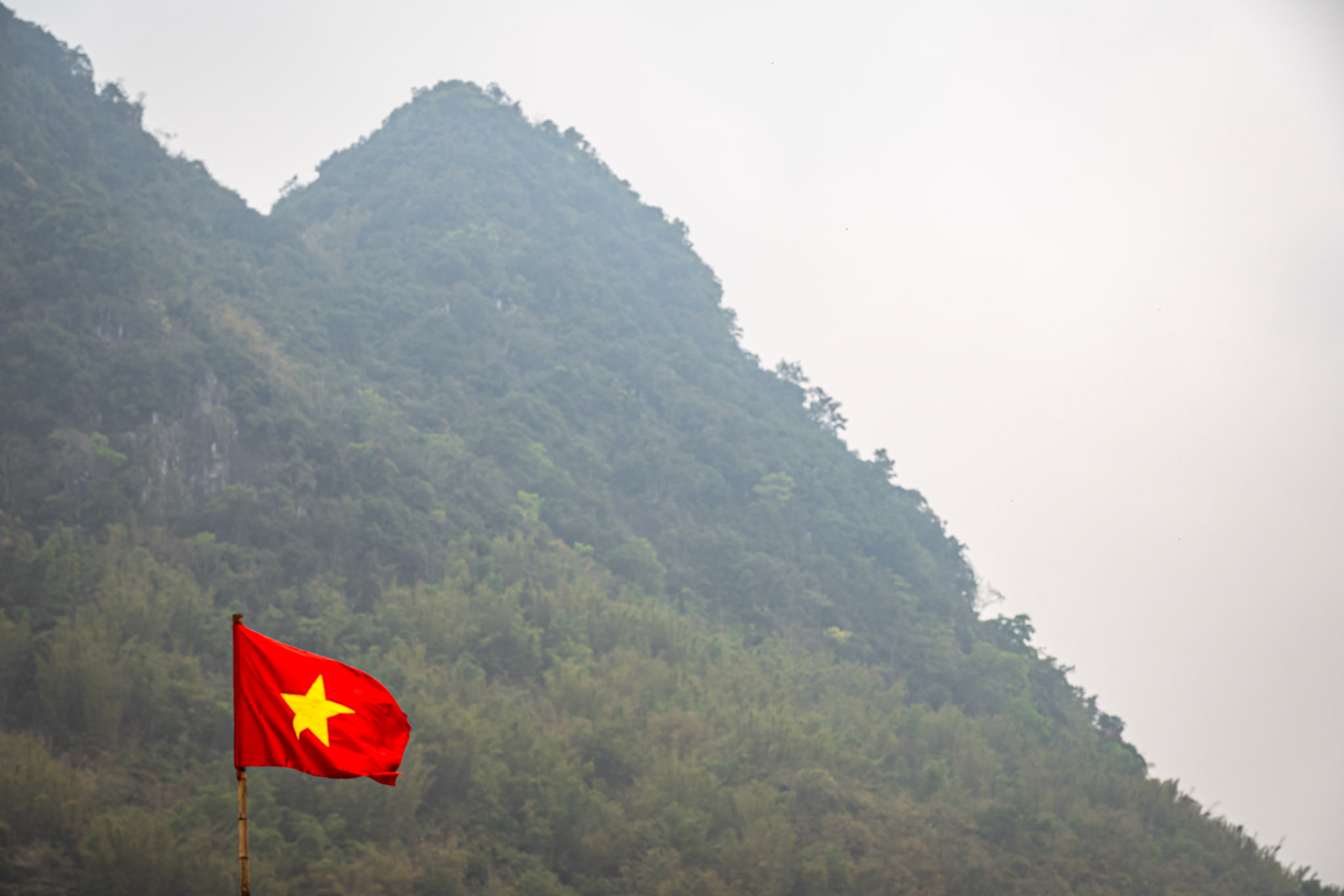
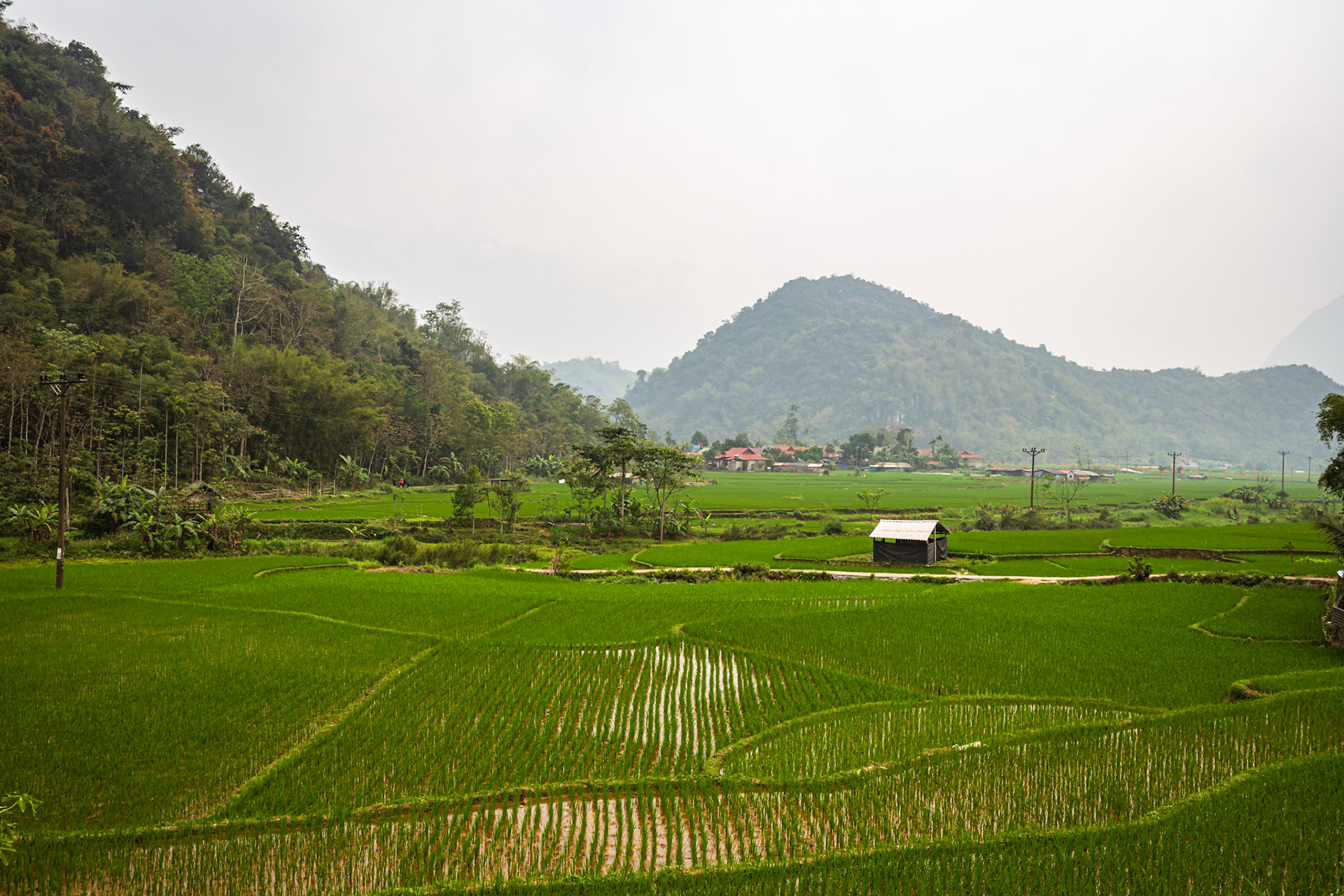
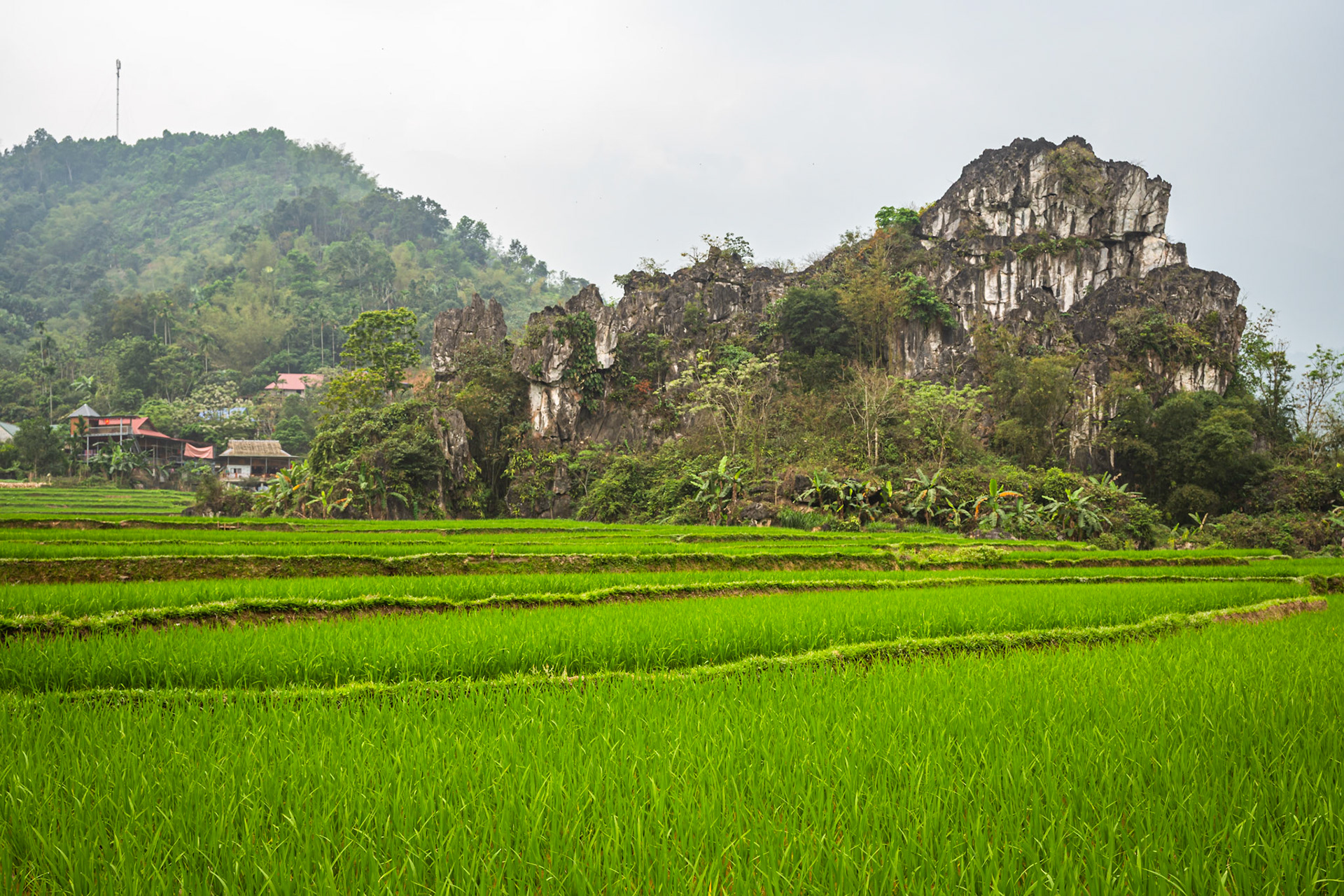
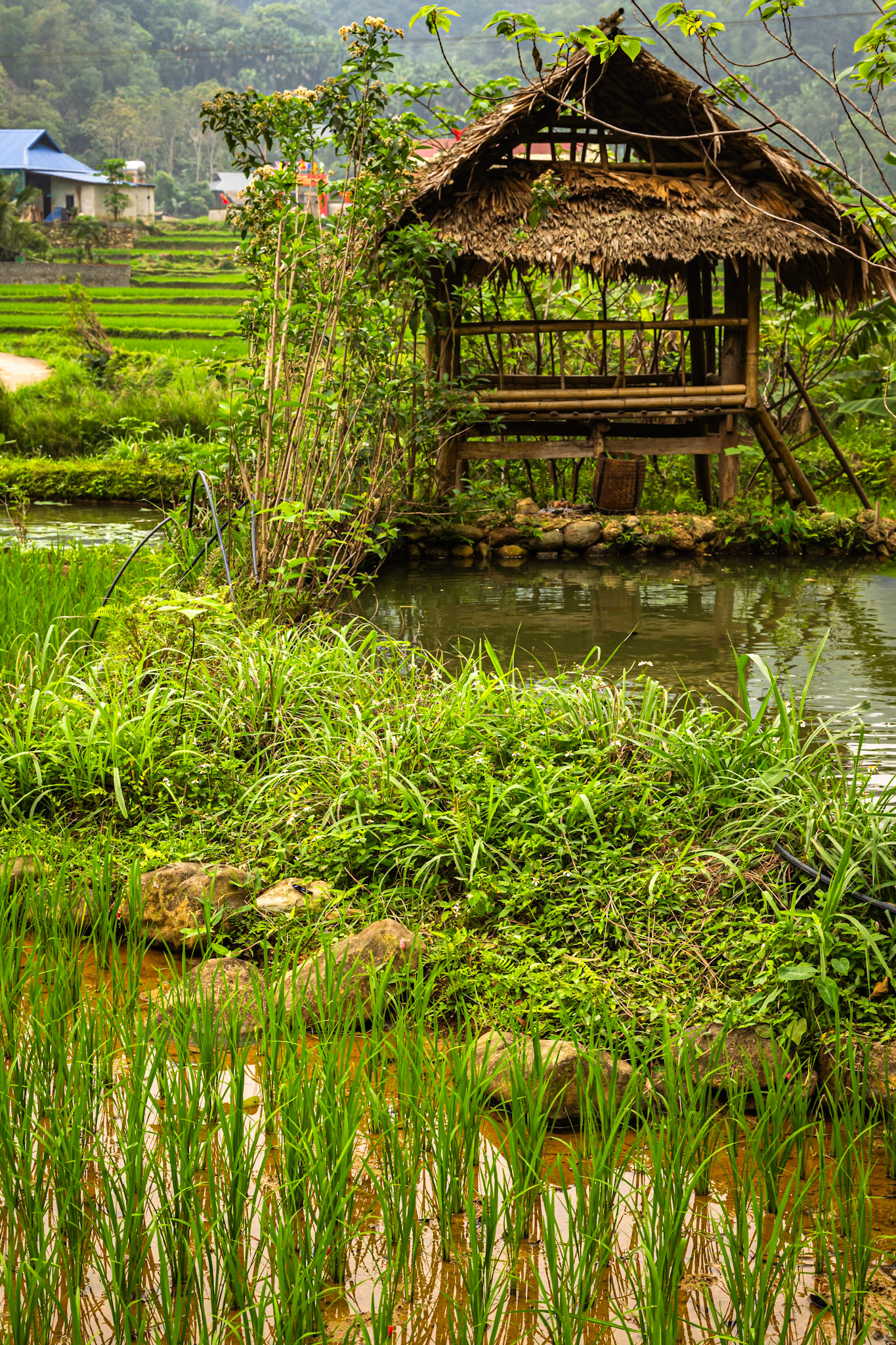
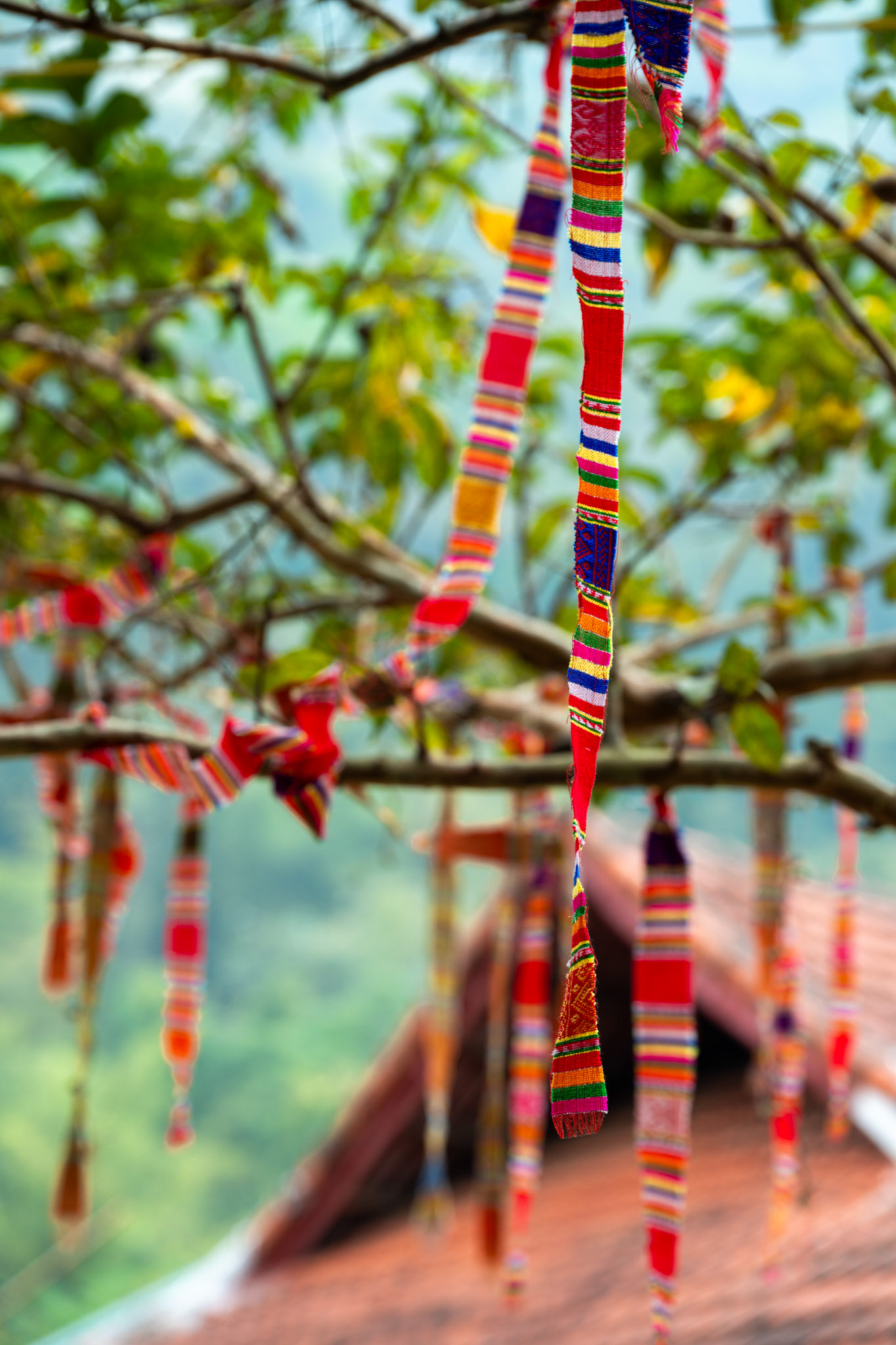
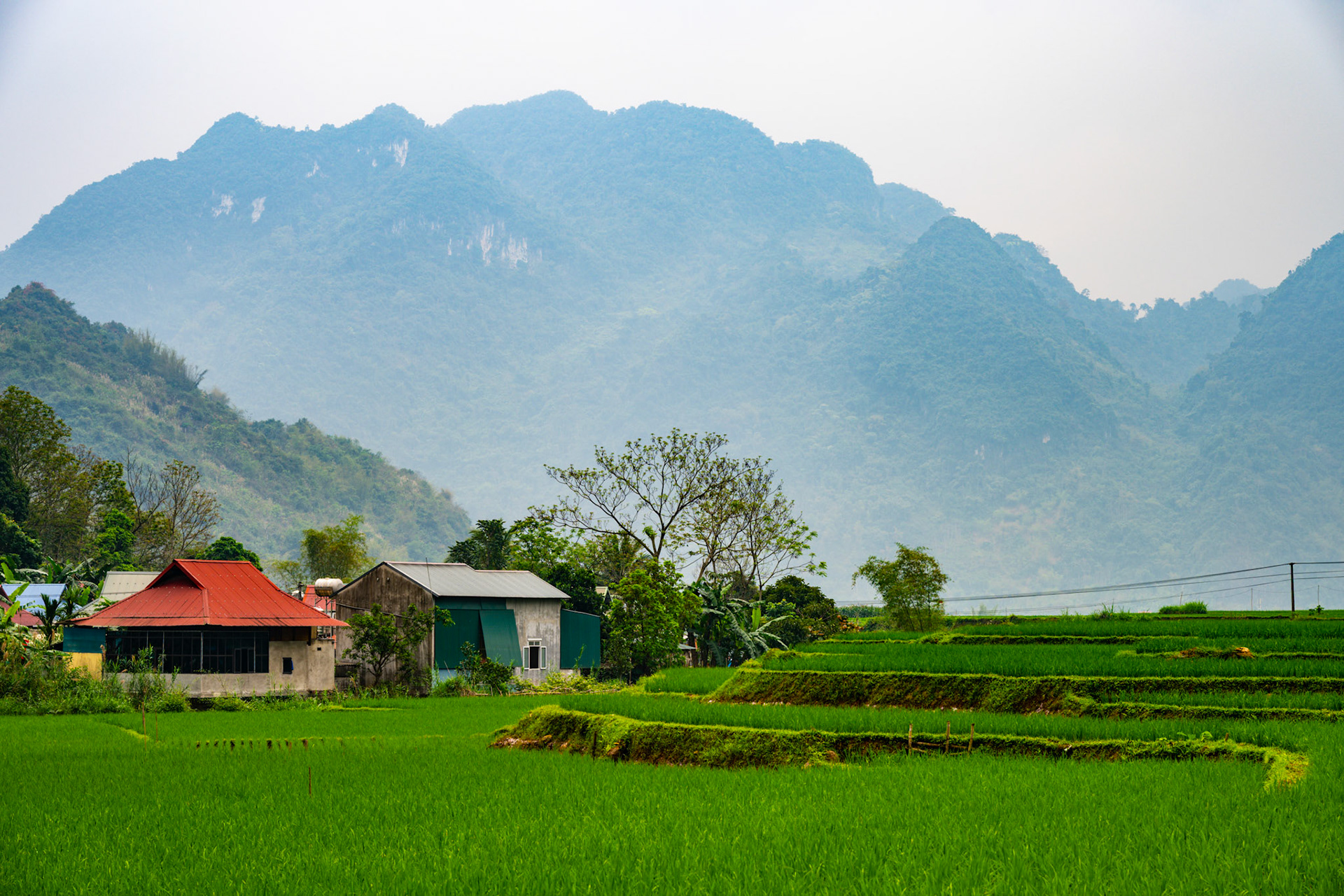
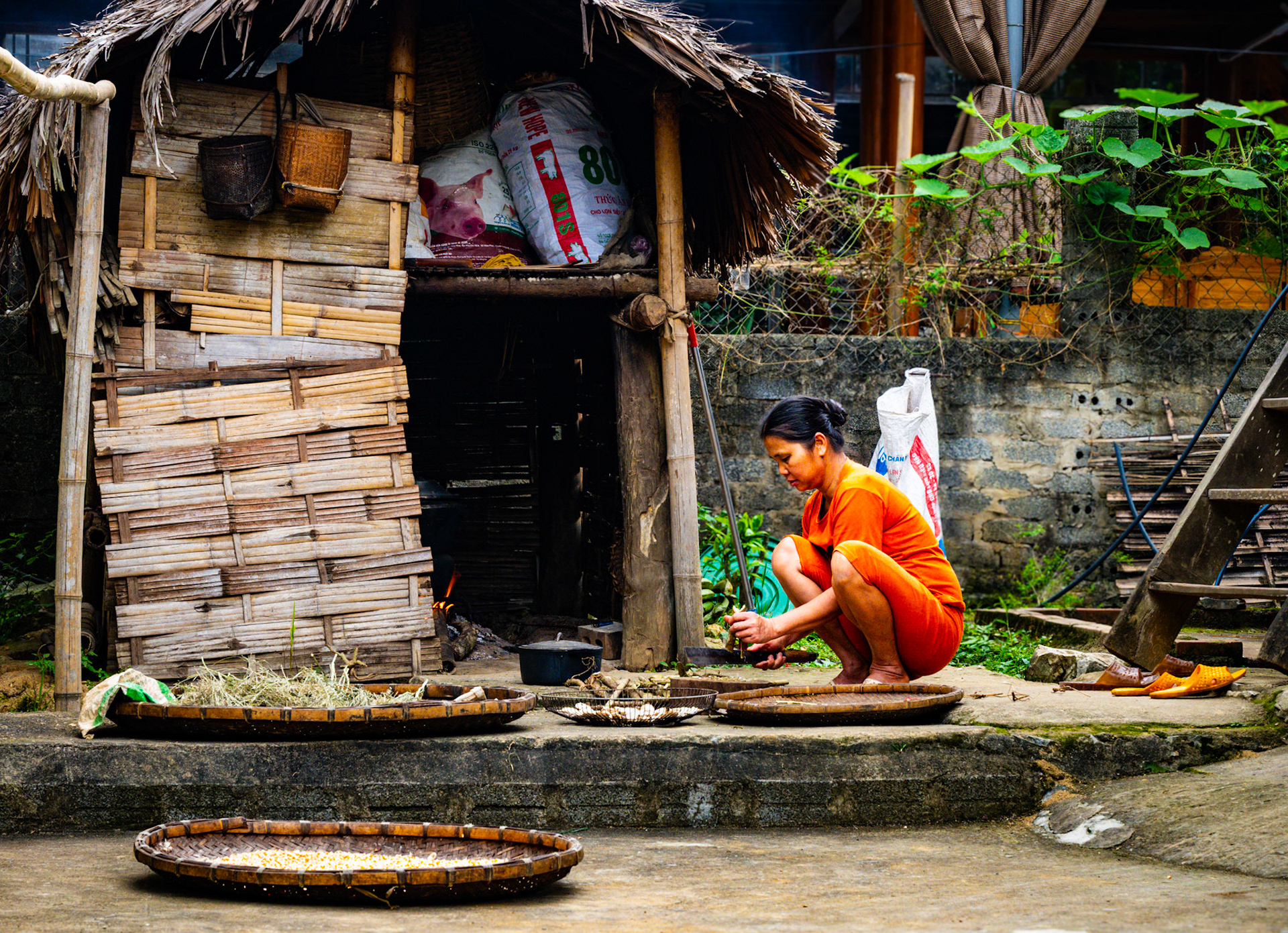
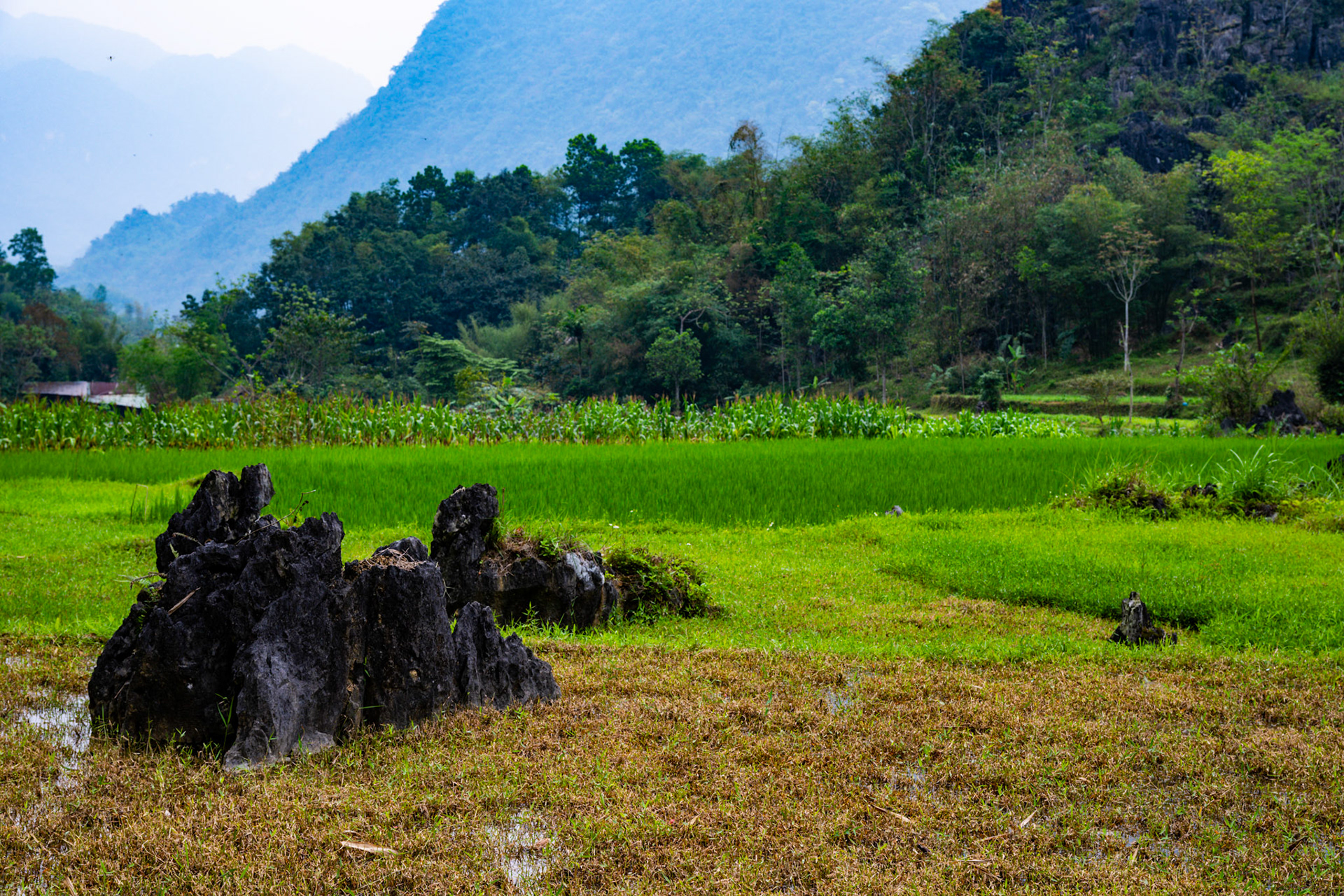
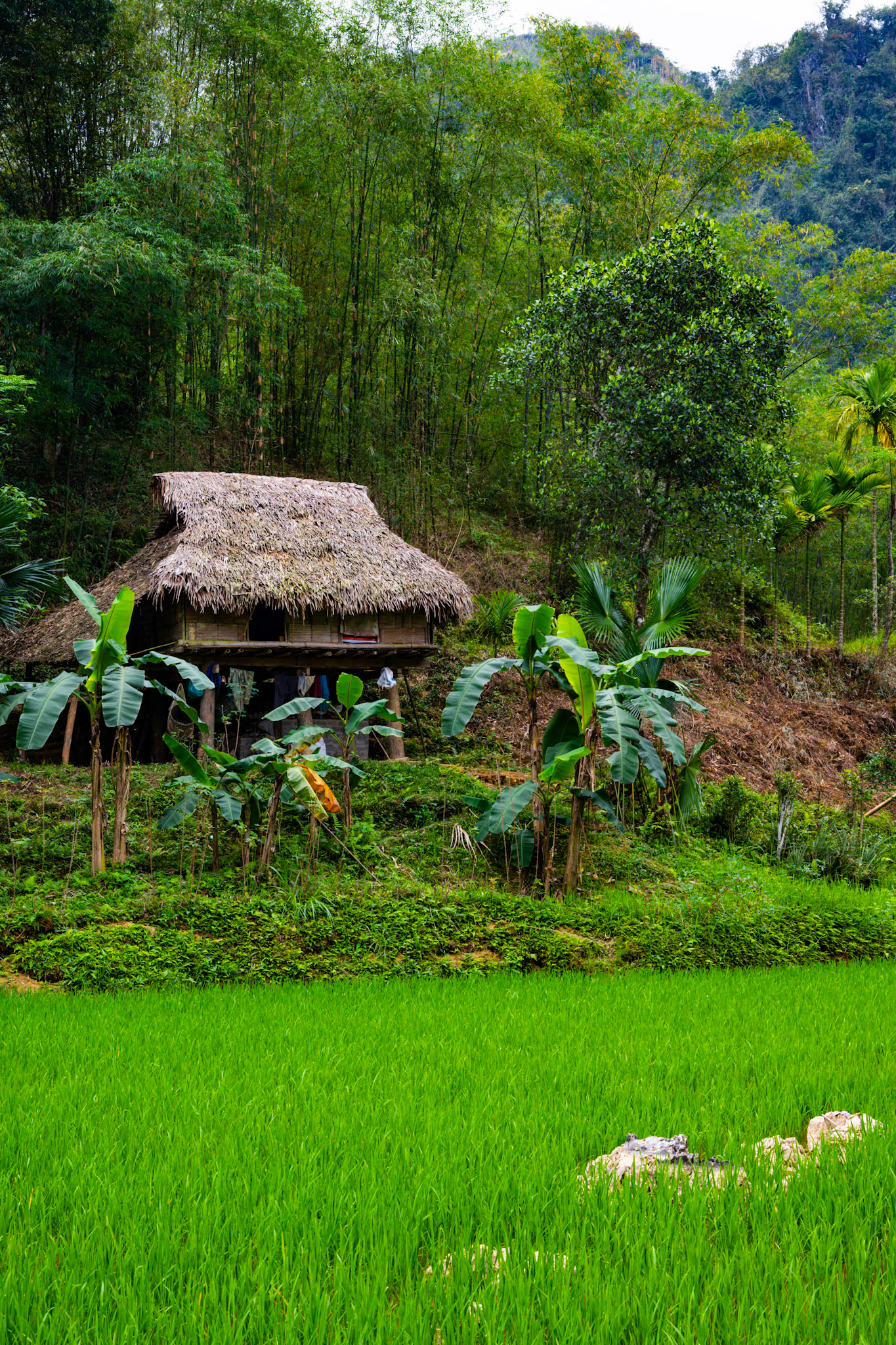
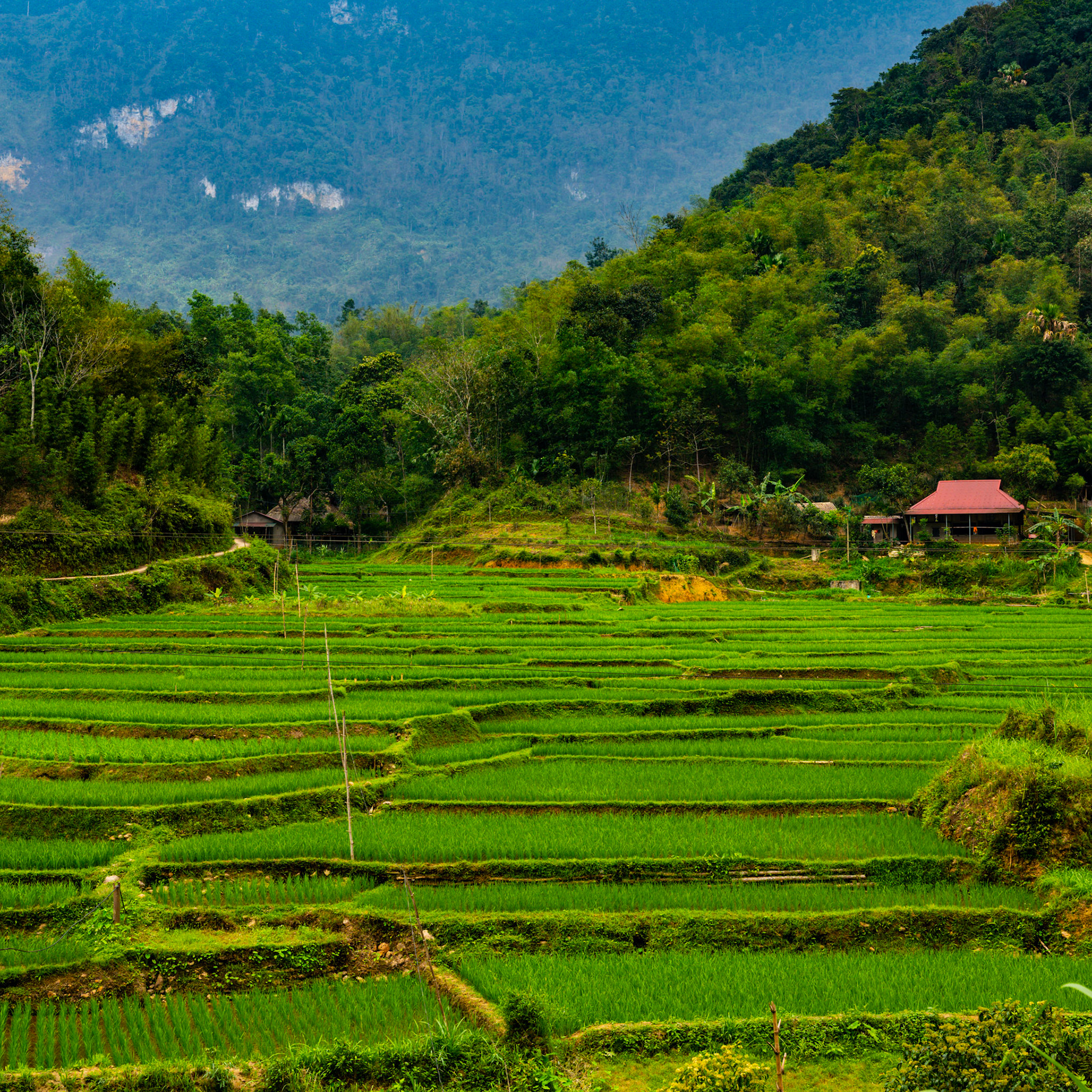
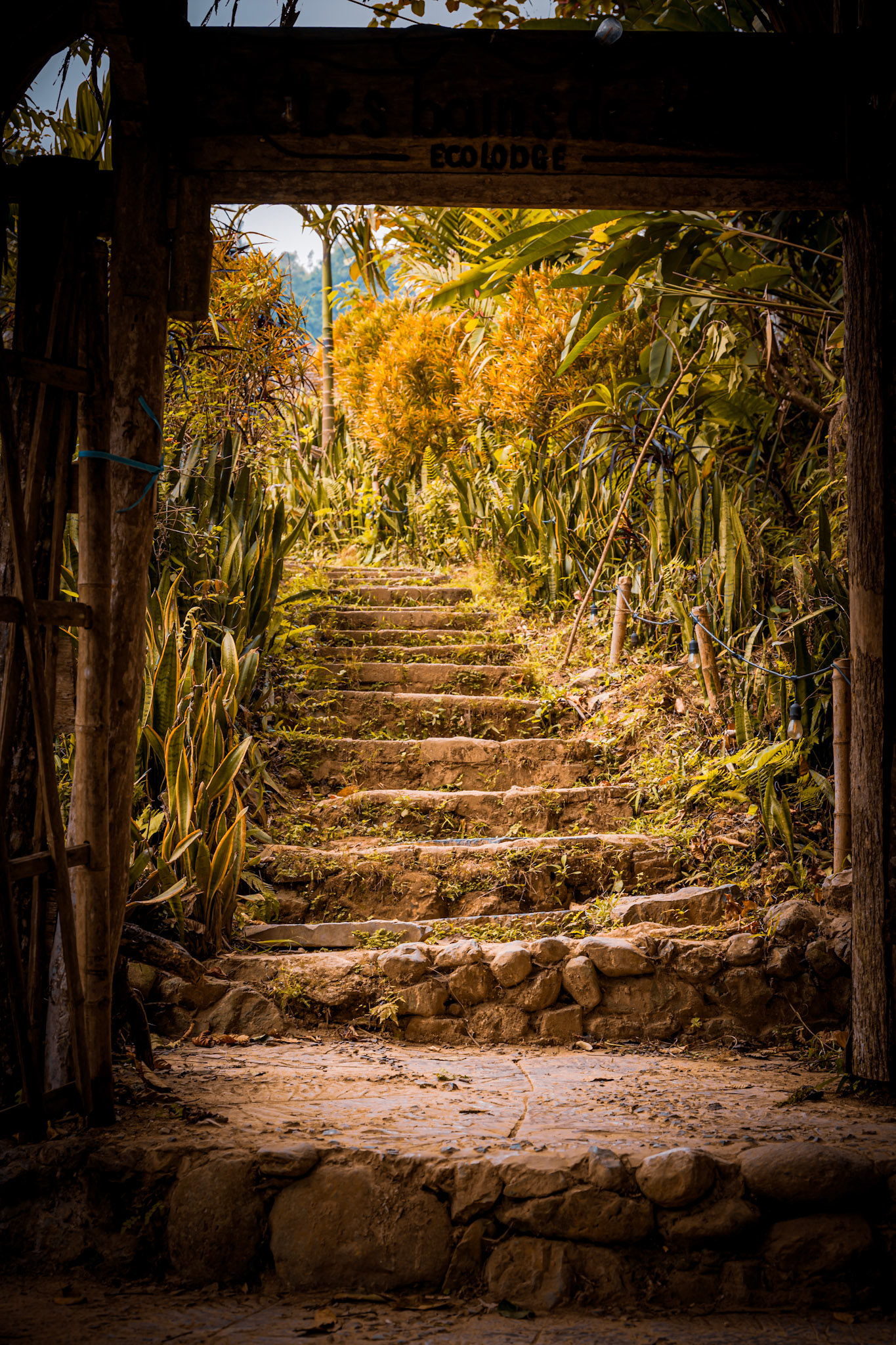
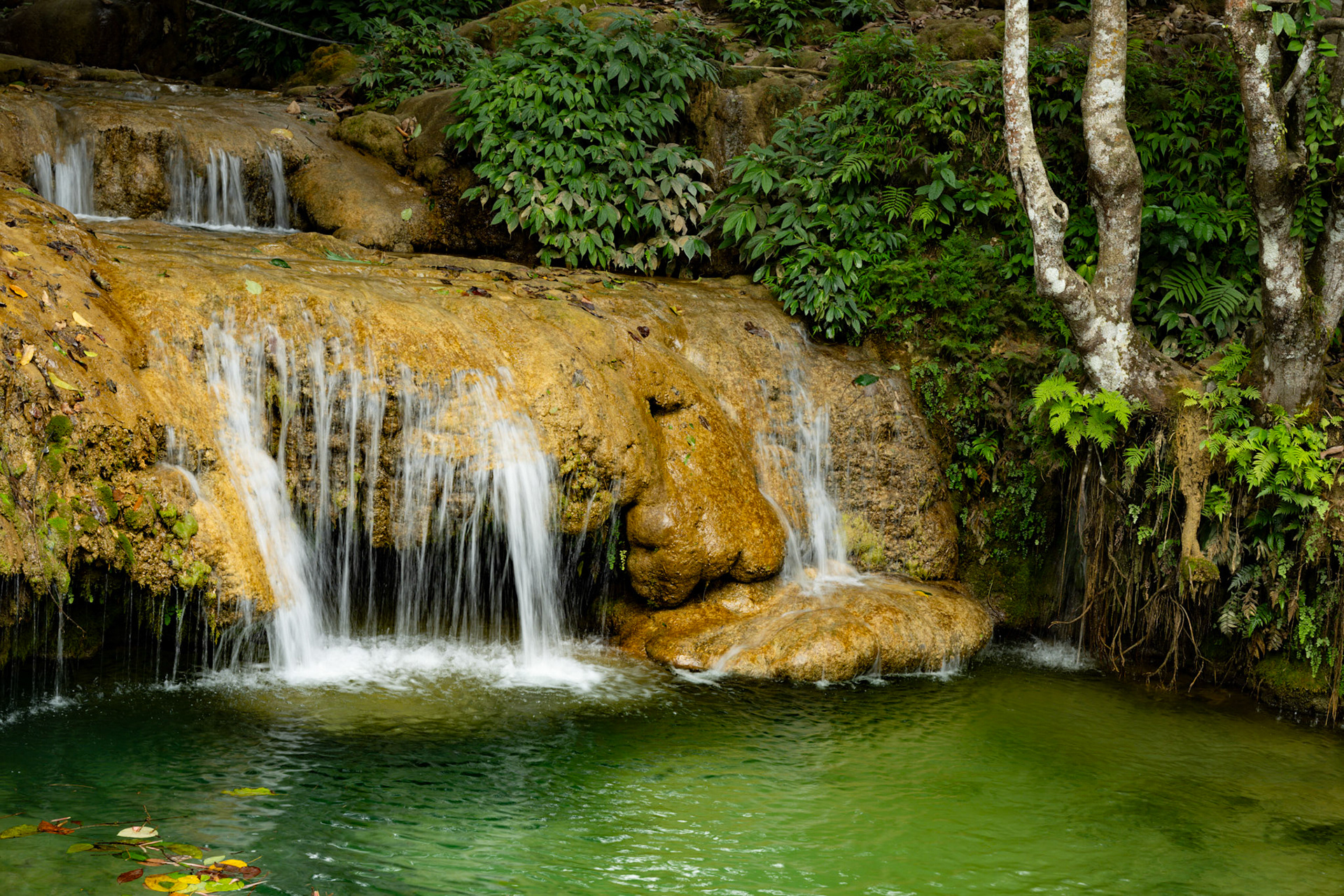
Another day, another walk in Pu Luong reserve. Today was a bit shorter at about 7 miles - but much hillier and remote (but still with some rice paddies, including a few shots taken before breakfast)
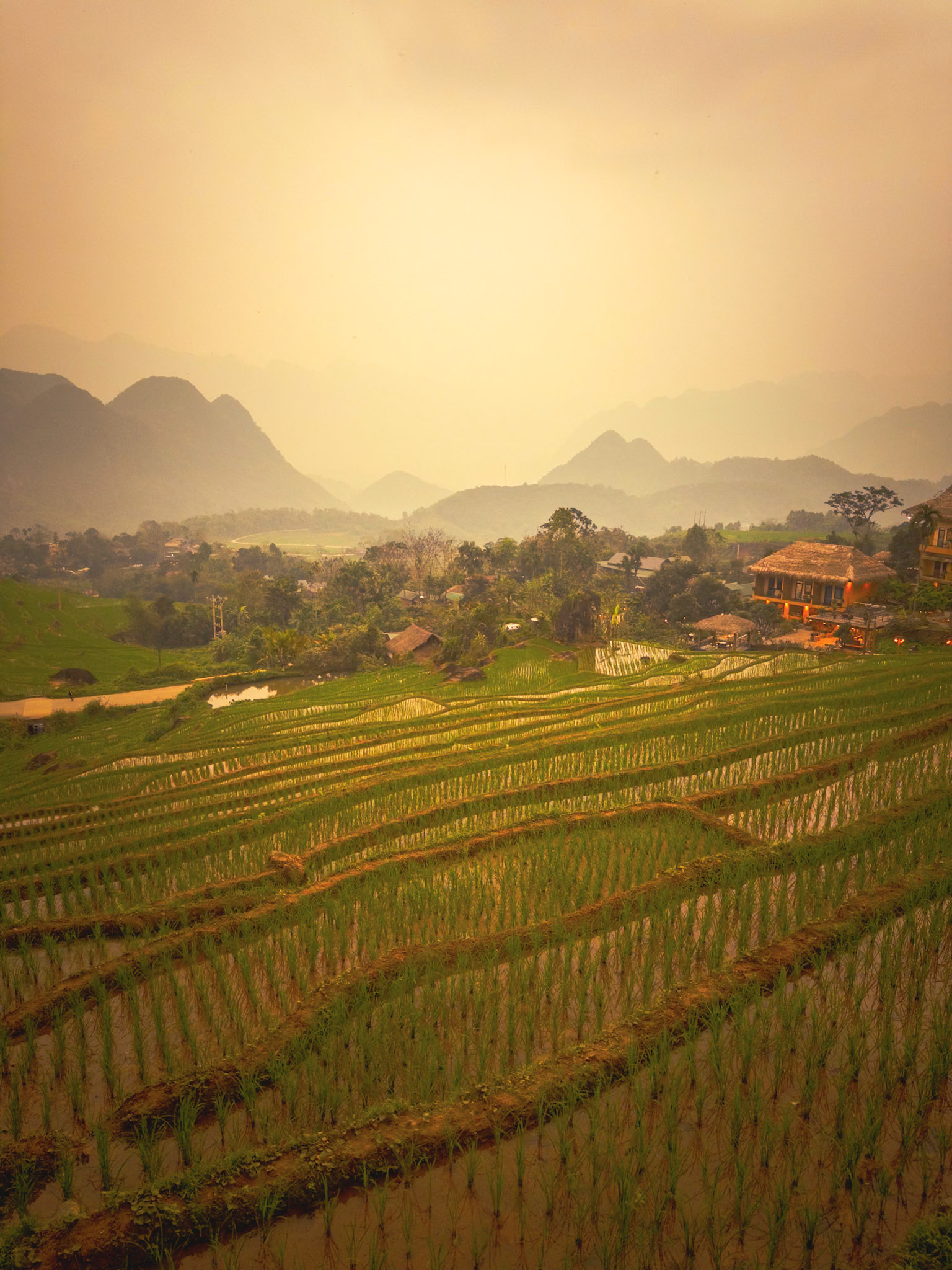
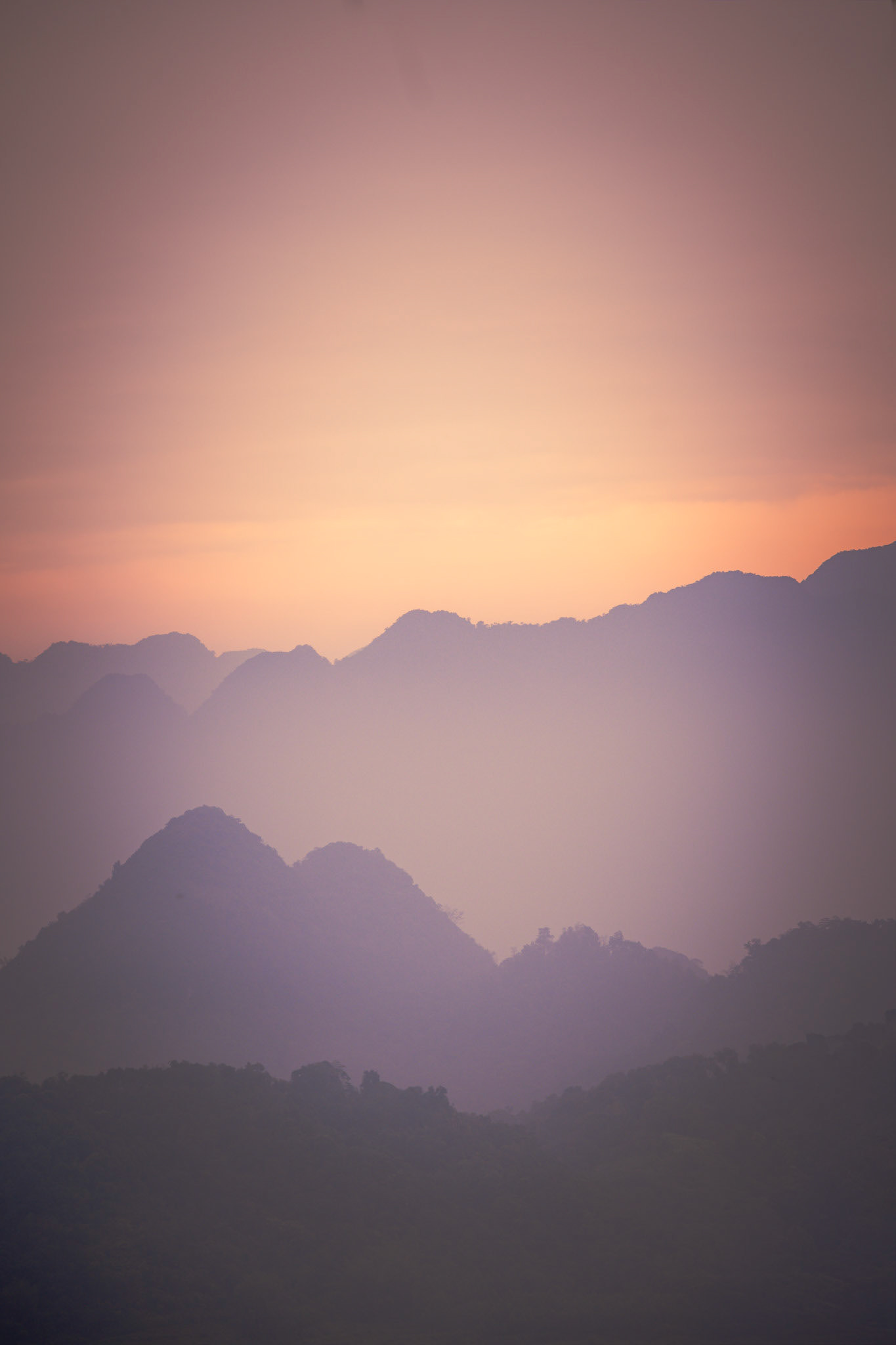
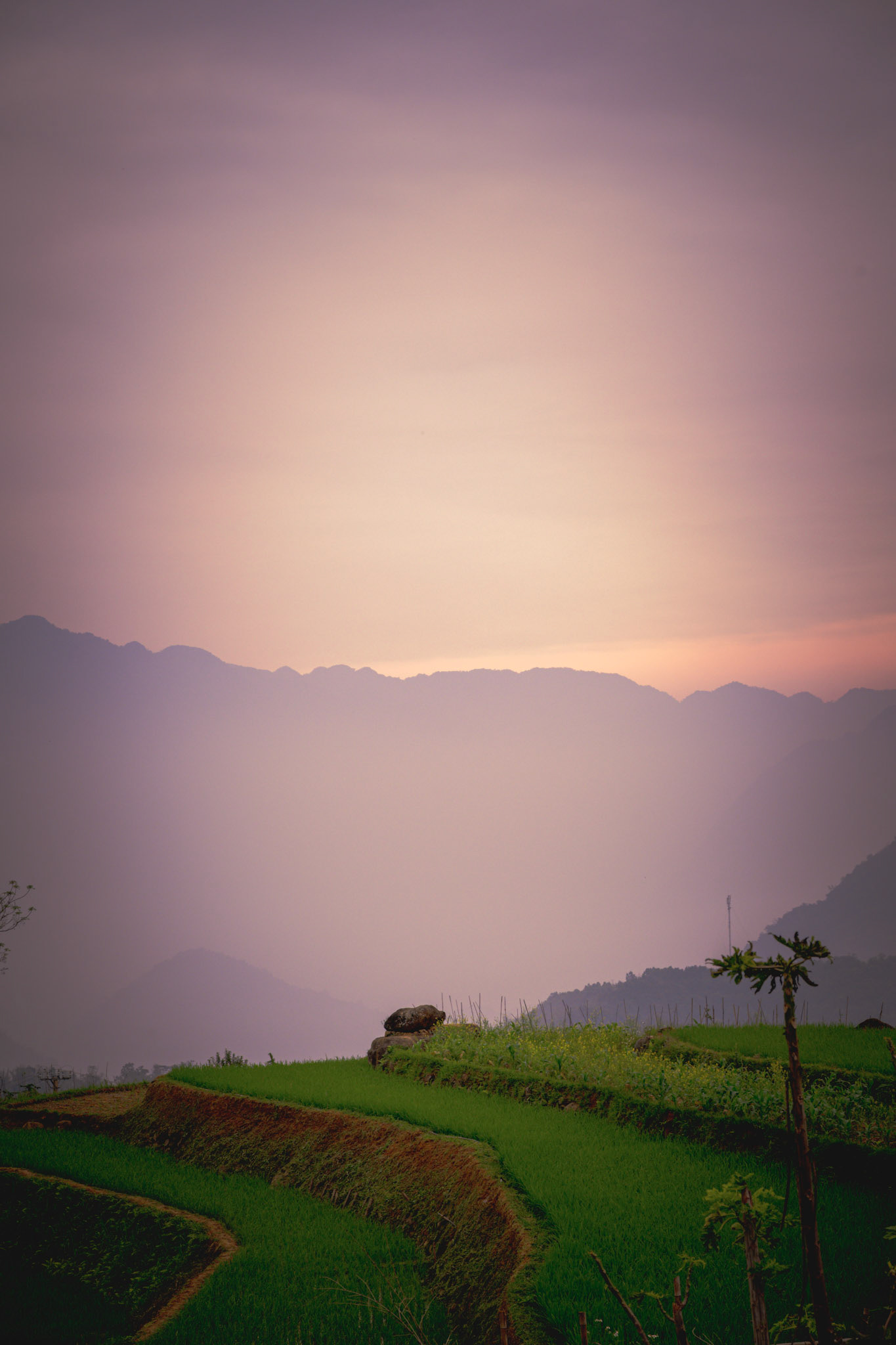
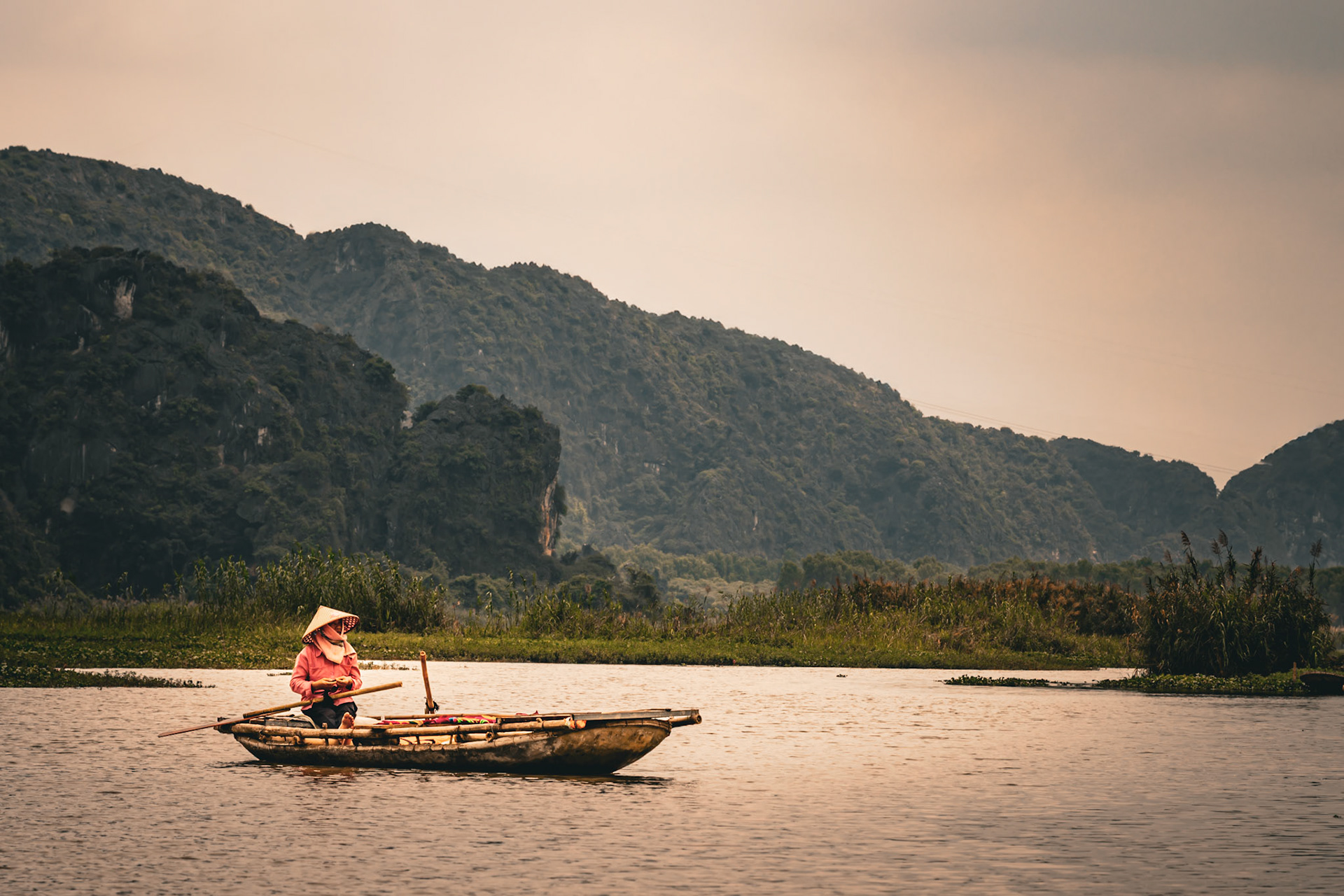
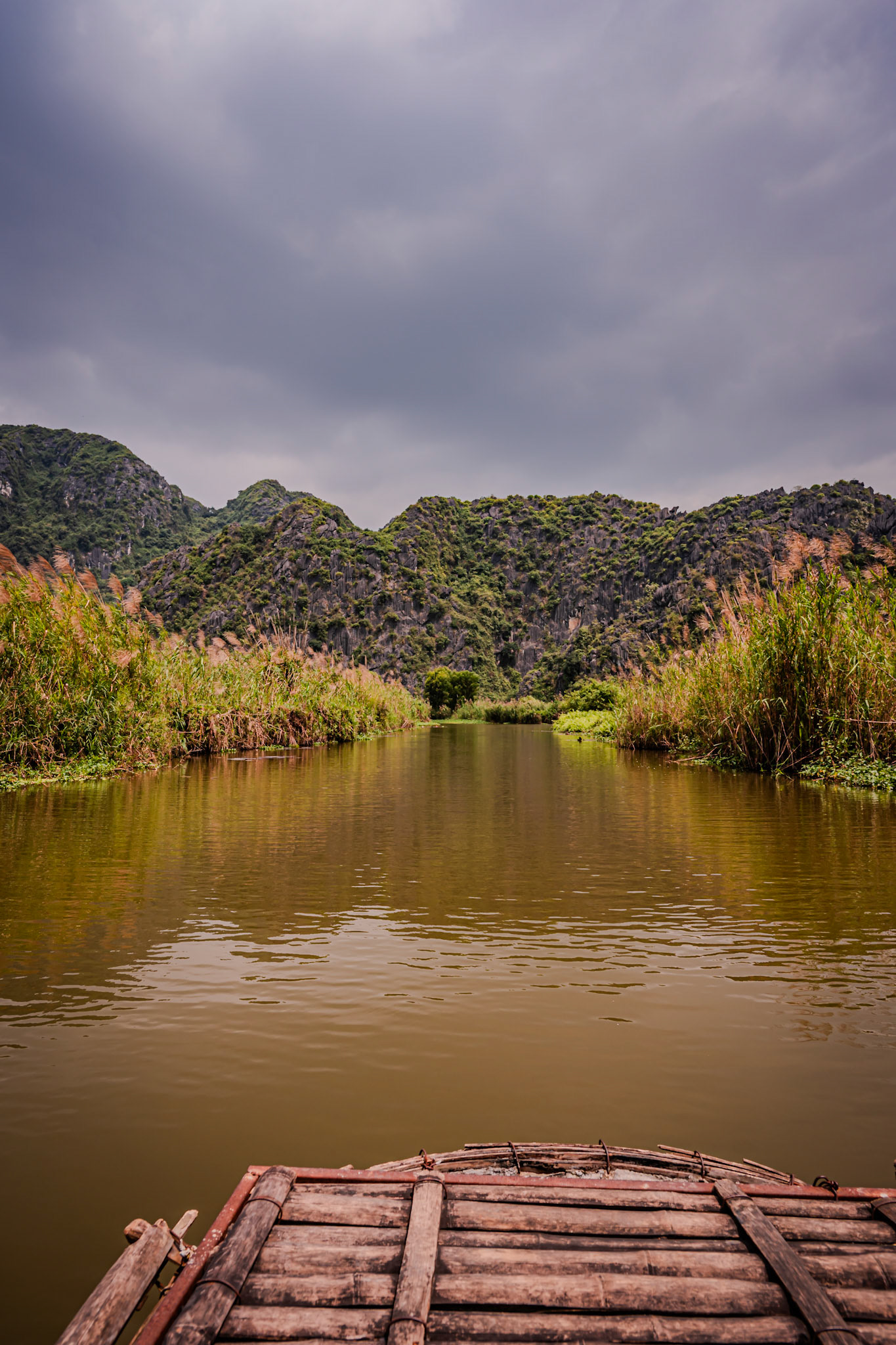
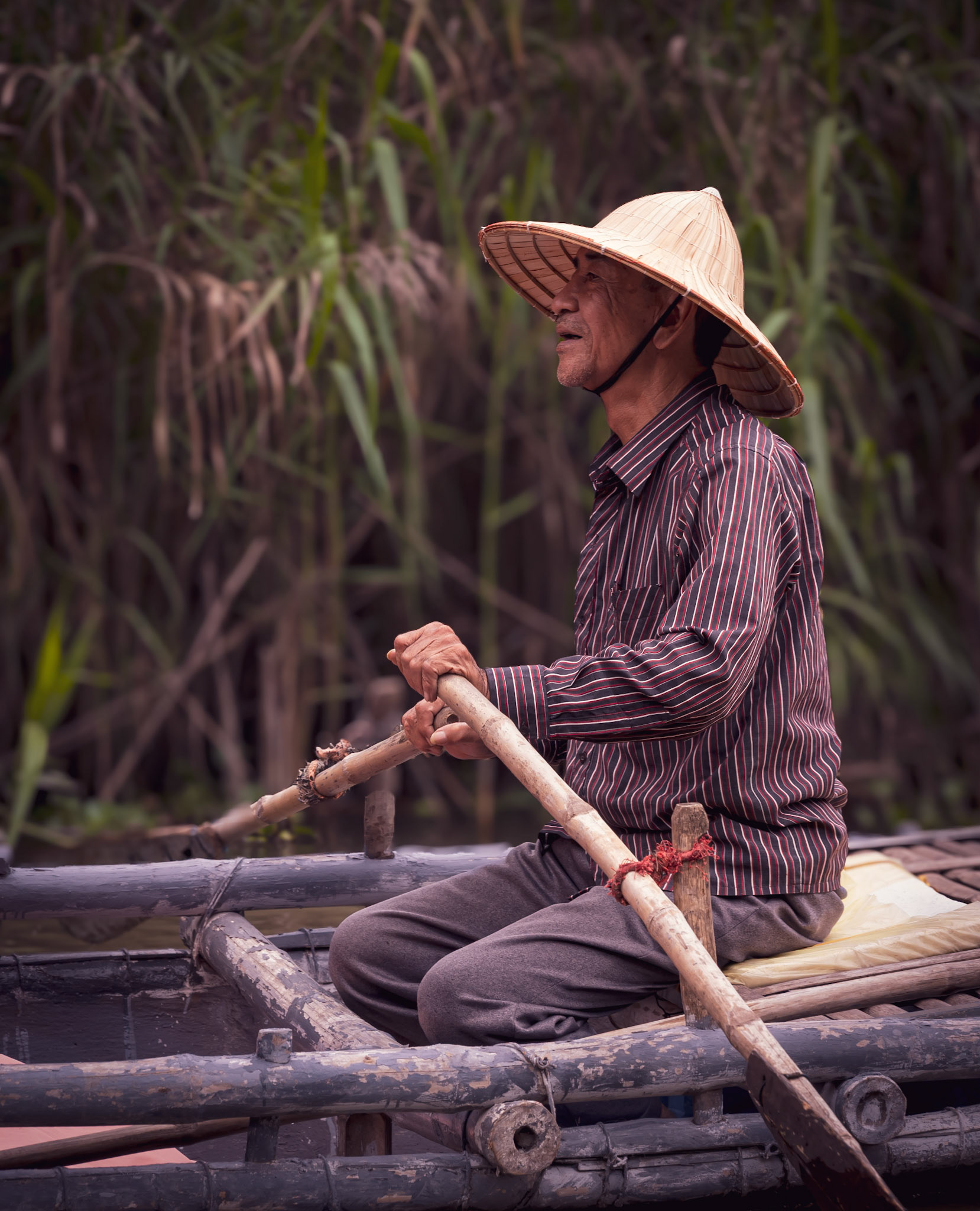
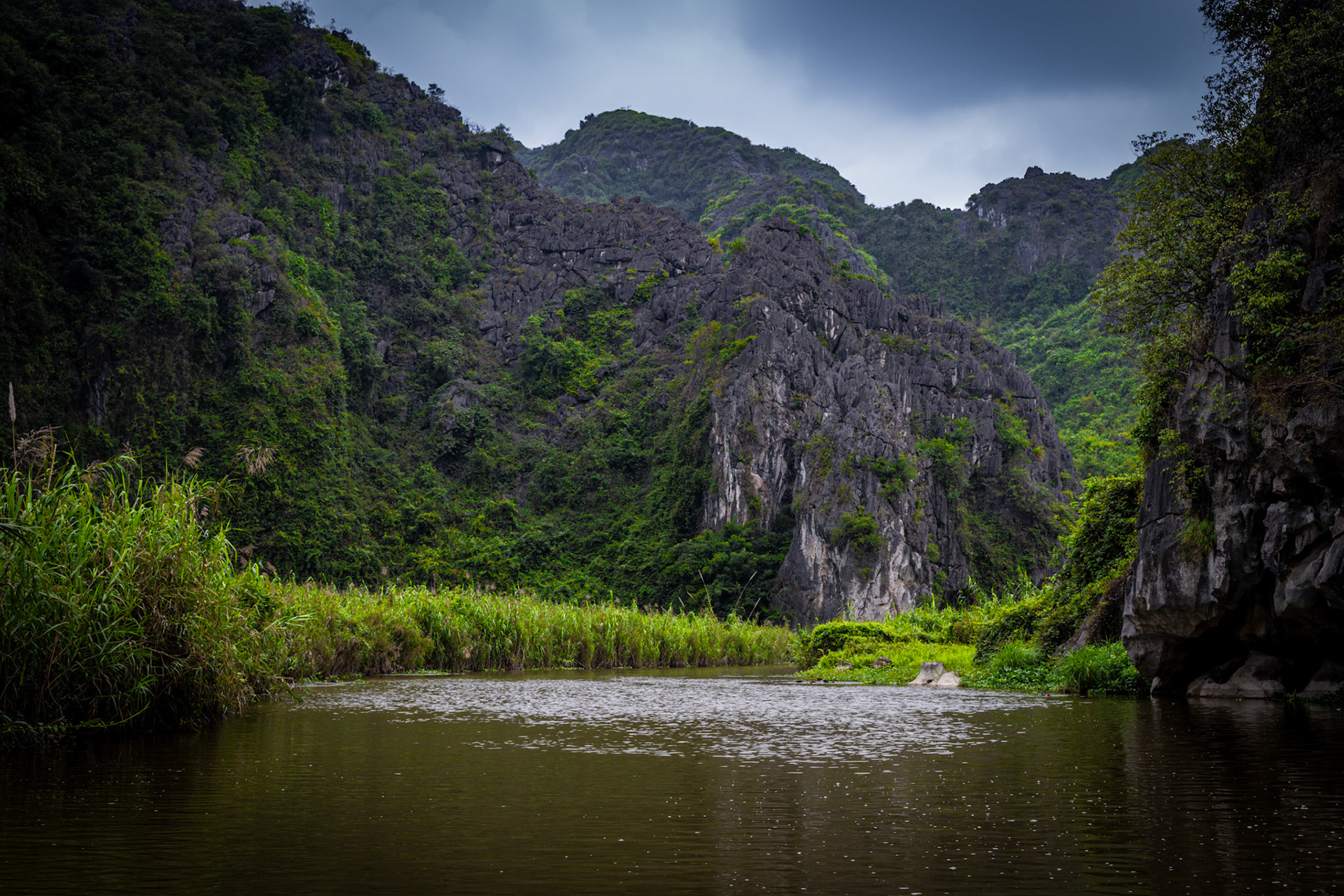
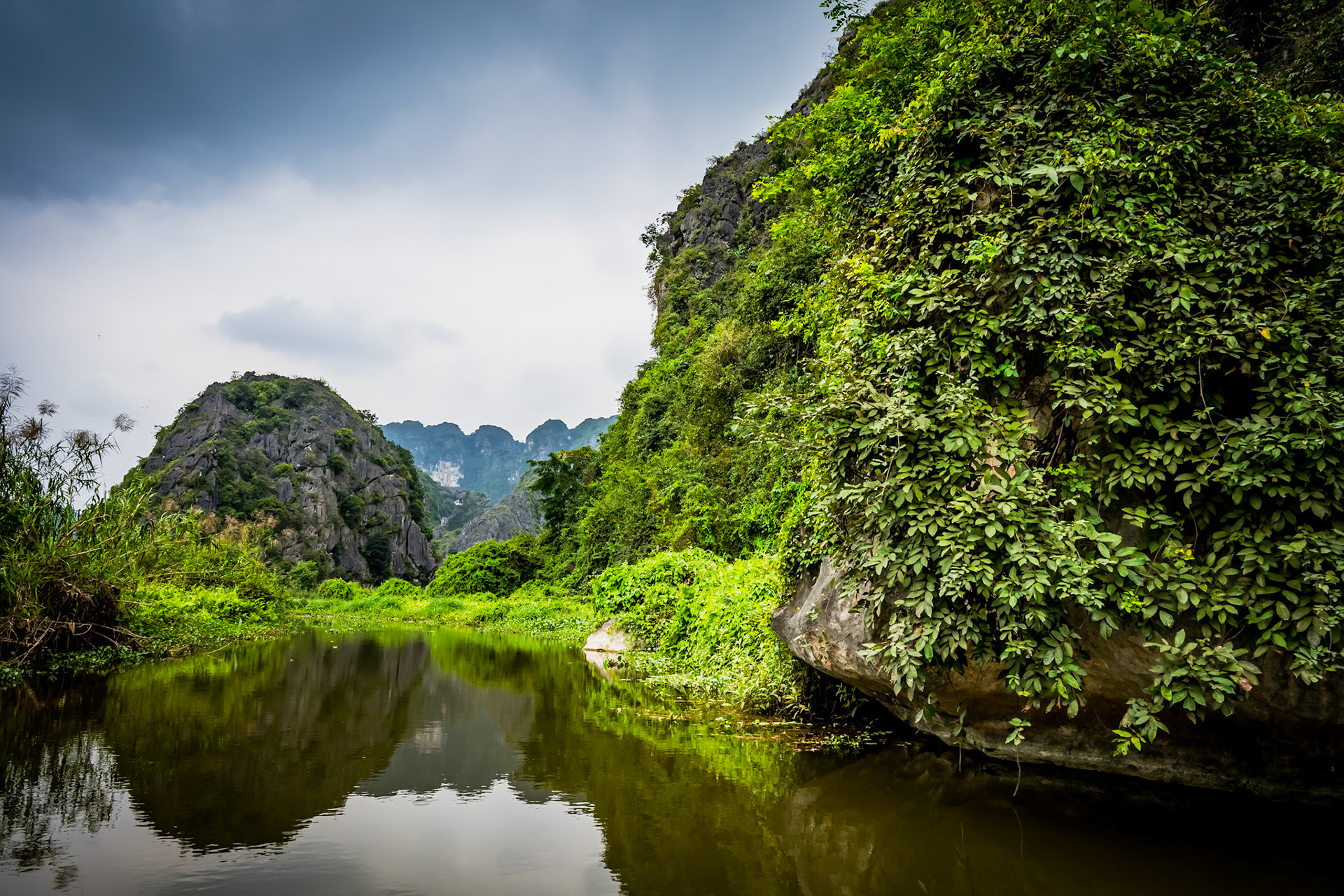
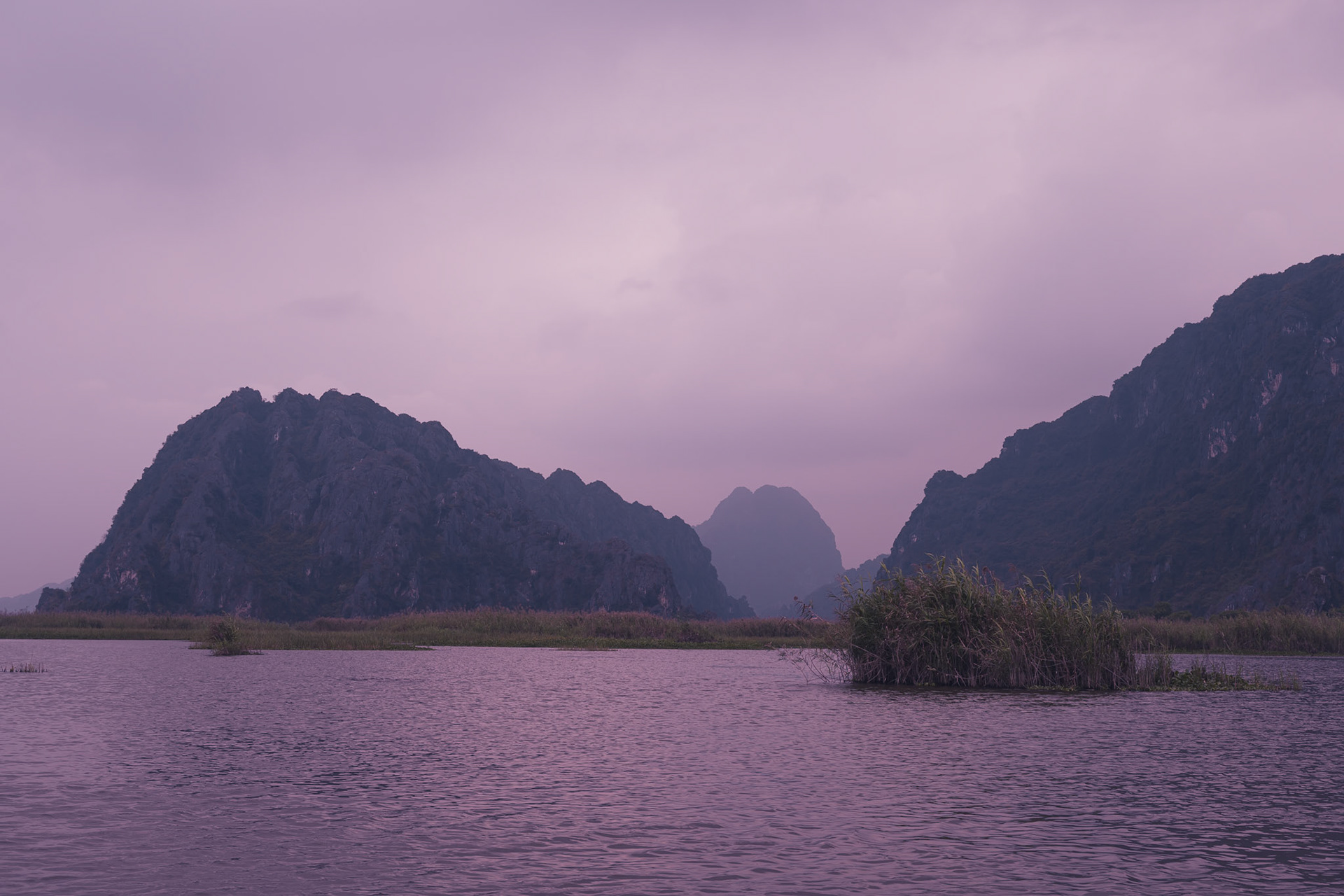
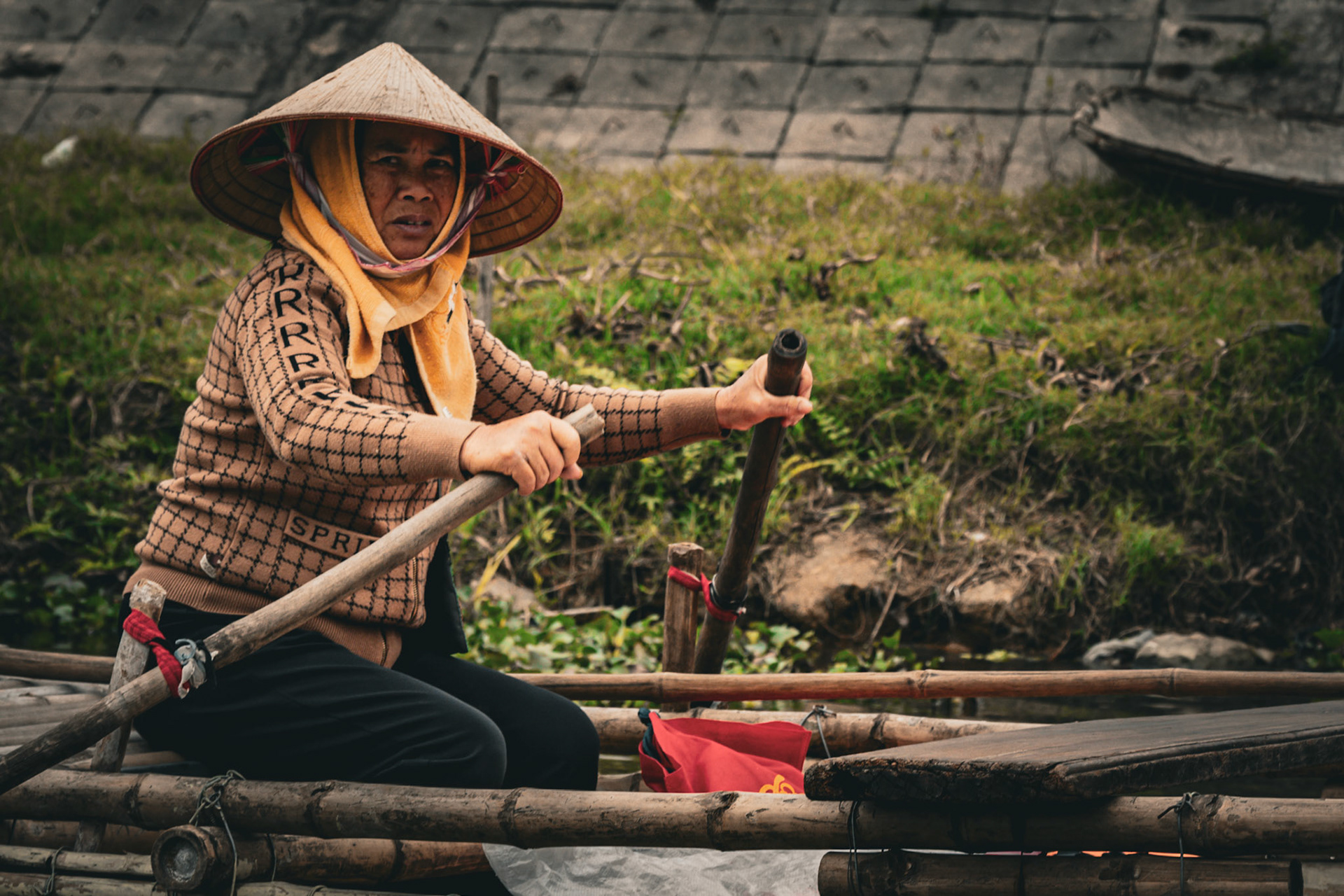
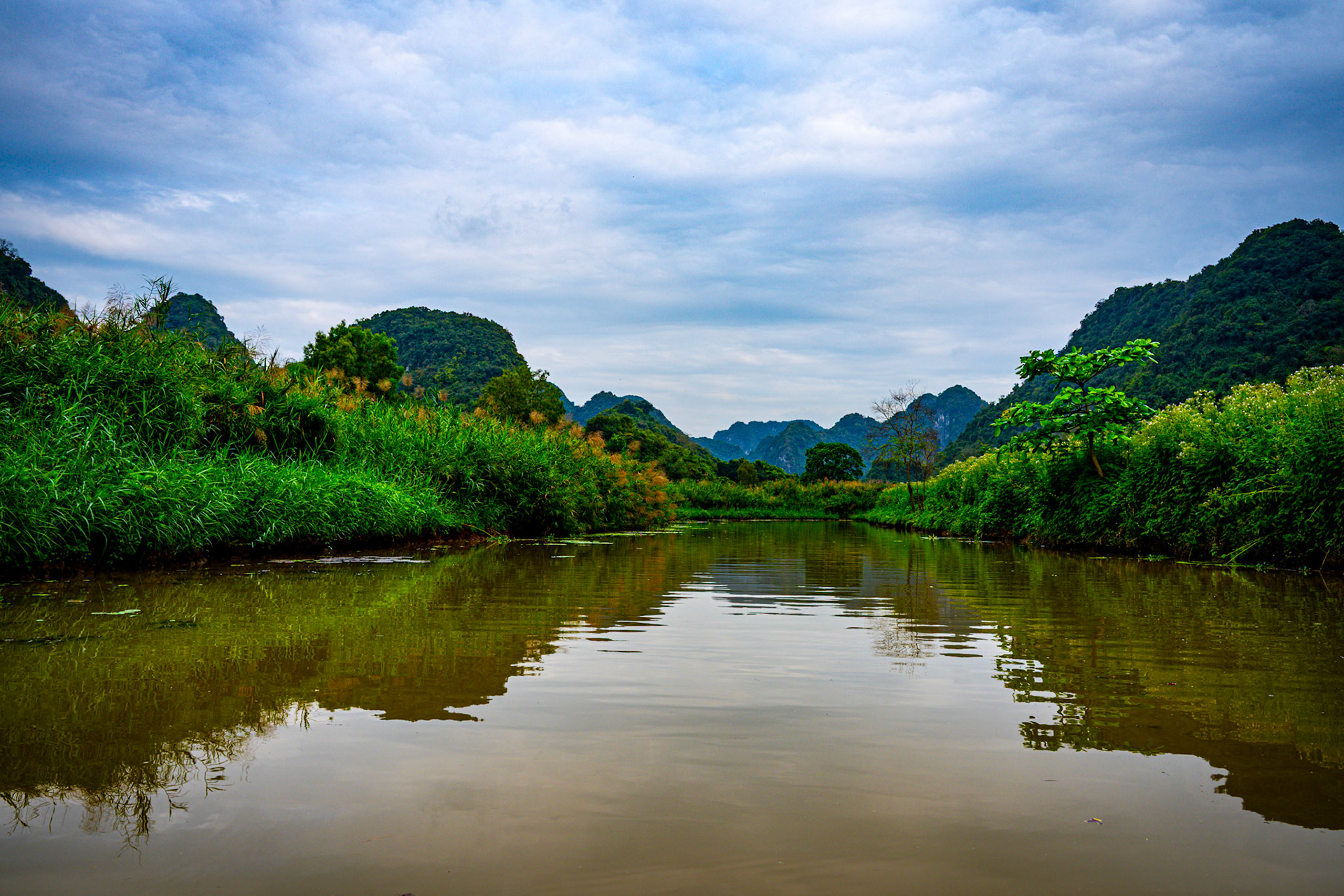
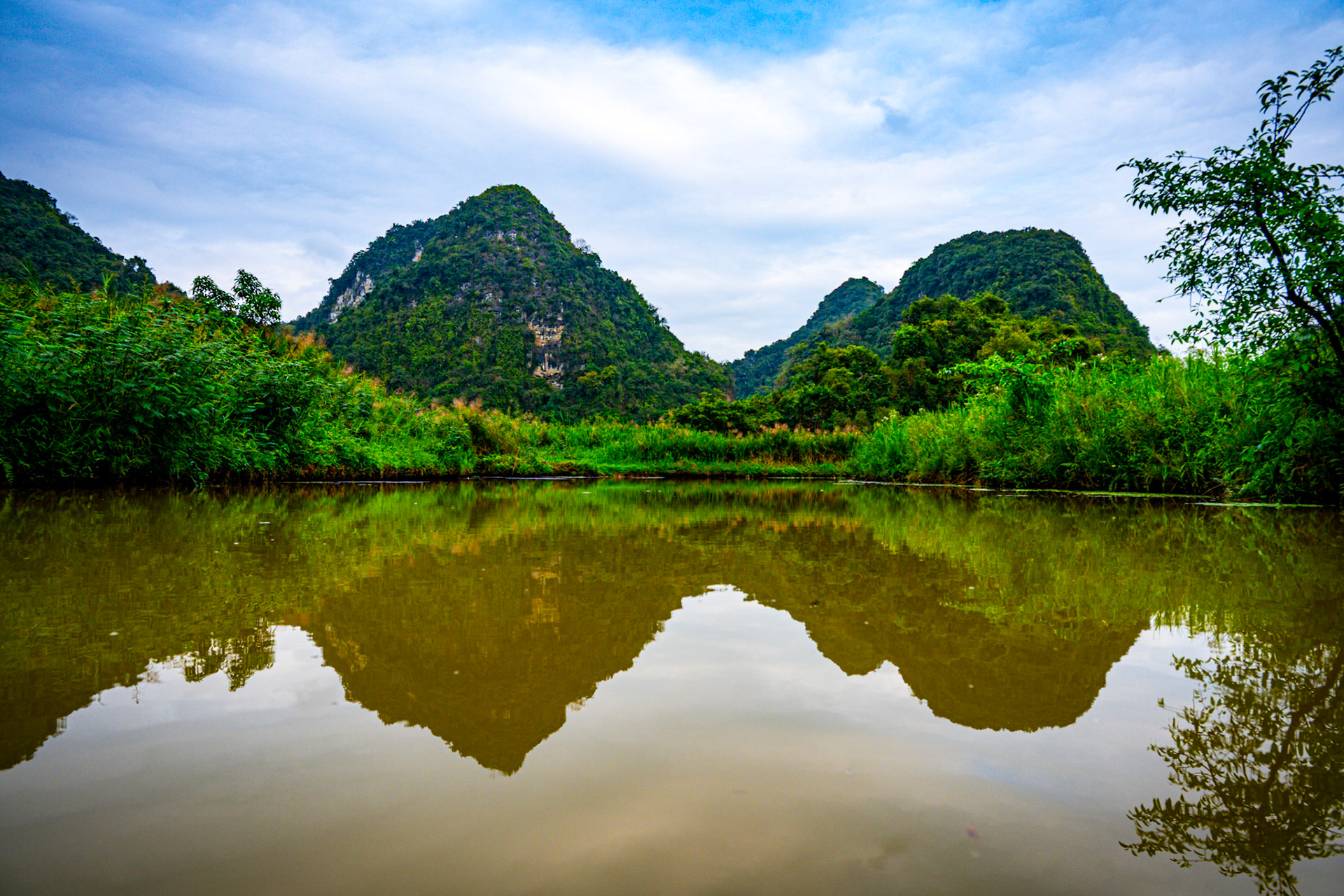
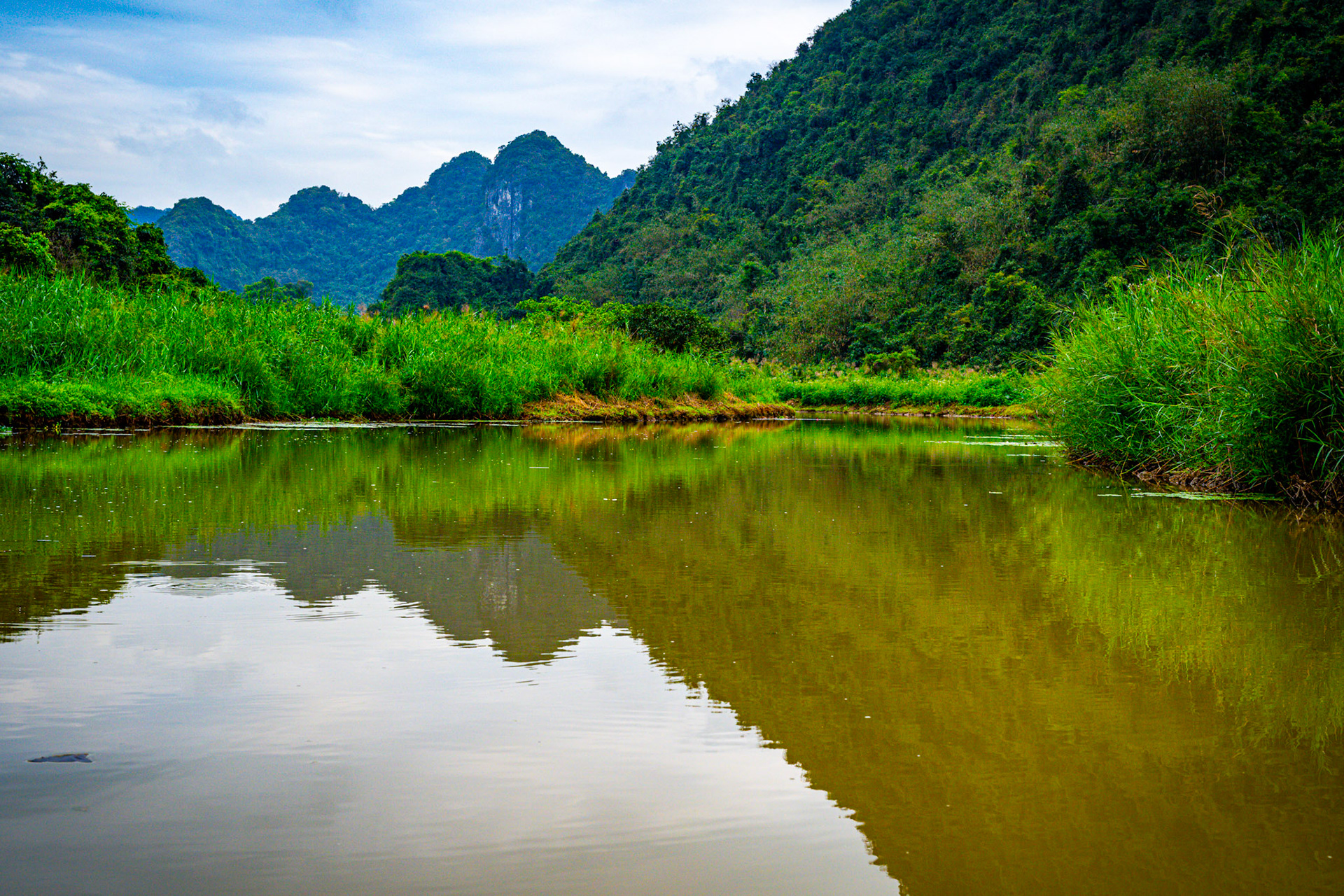
From Pu Luong, our next, and penultimate stop in Vietnam was in Nihn Bihn, staying at the Jiva Retreat just outside Tam Coc. The original plan was to drive straight to the hotel, leaving us with two full days in the area to do the various activities. However, our guide, Bach, suggested that we stopped en route to do one of the activities, a sampan boat ride through the Van Long wetlands. This was a good idea as the wetlands was very much on the route, was not too busy, and allowed us to see both the rare Delacour langurs (langurs are a type of monkey that eat leaves and are generally from Asia - all langurs are monkeys, not all monkeys are langurs). The Delacour langurs are black with white hips - although the baby that we saw clinging to its mother’s stomach was brown.
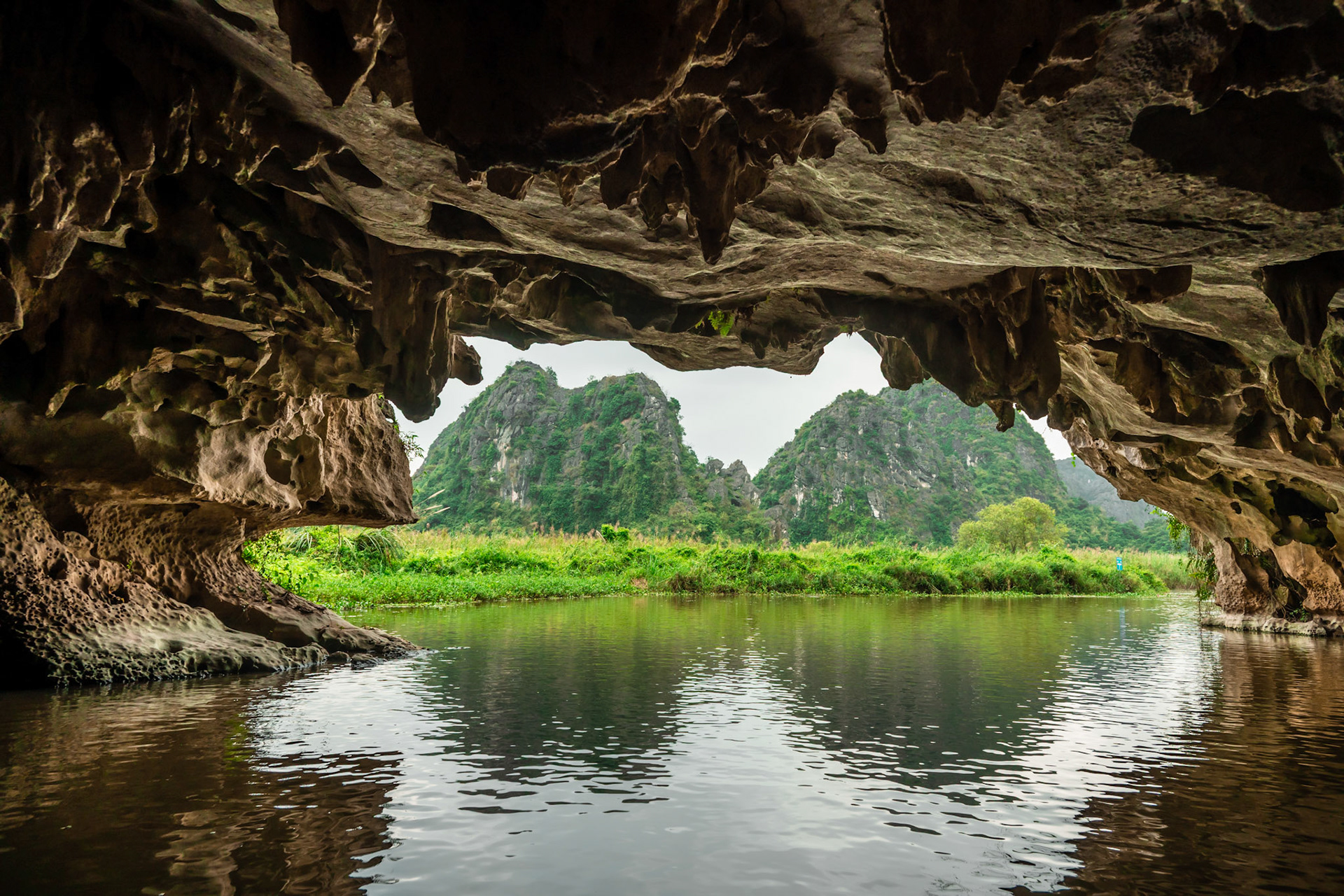
For our first full day, we began with a bike ride - on very poorly maintained bikes with little in the way of brakes, nothing in the way of gears and a chain that slipped more than we did on the rough tracks - nothing like the well maintained e-bikes we had in Cambodia! The route was also not great - the scheduled 2 hours only lasted an hour round some tracks cross crossing the main road - but we did say that 1030 was too early for lunch and so went for another lap. This had more interest as it began to rain quite heavily and we ended up taking shelter in a local house, where we were given oranges as a half time snack before we set off to the house where we would help prepare and then eat lunch - which included potatoes and banana fritters and spring rolls. After lunch, we were back on a sampan for a ride through the caves before stopping off in town for some bargain hunts - the trip to Dragon Mountain having been put off until the following day due to the weather.
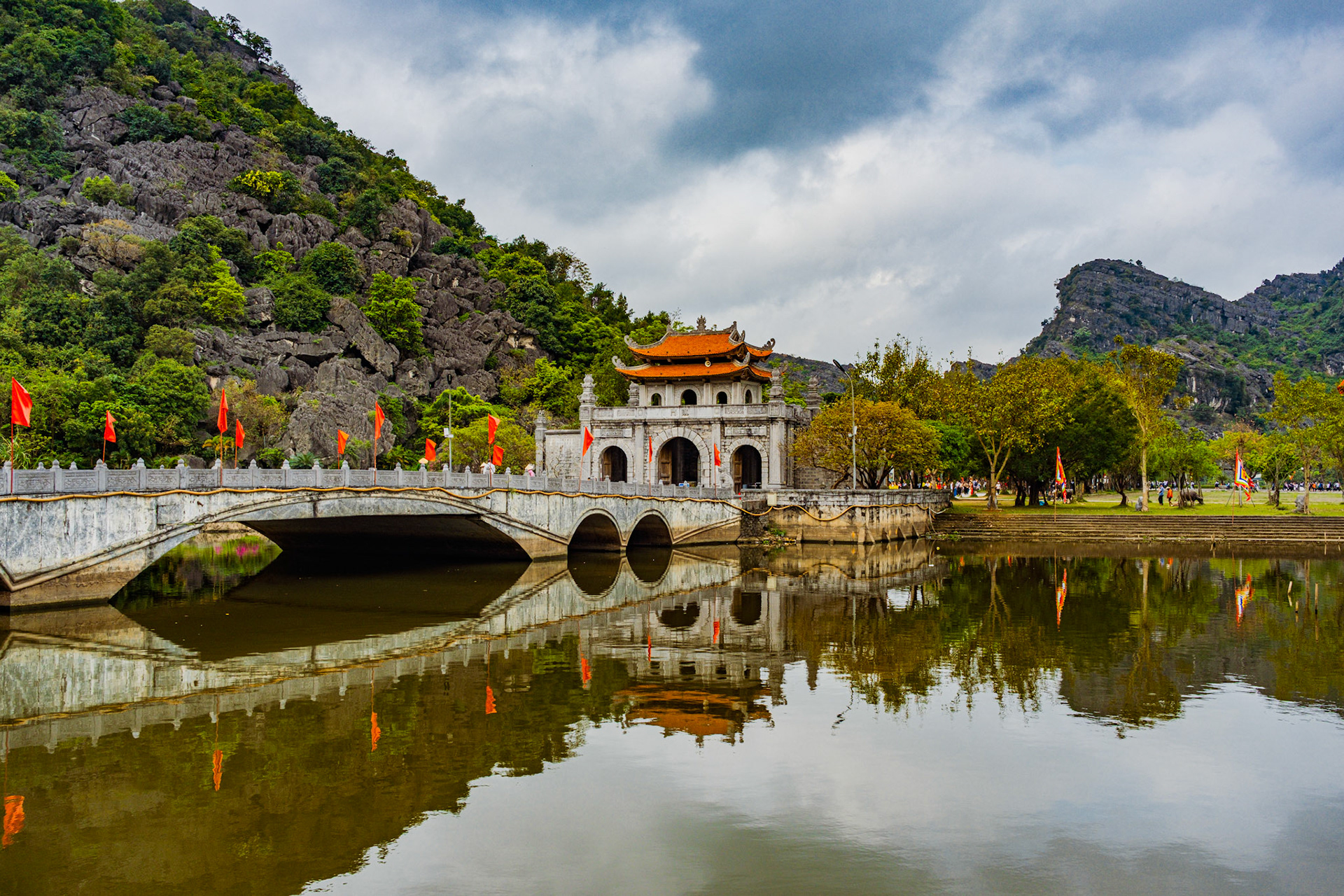
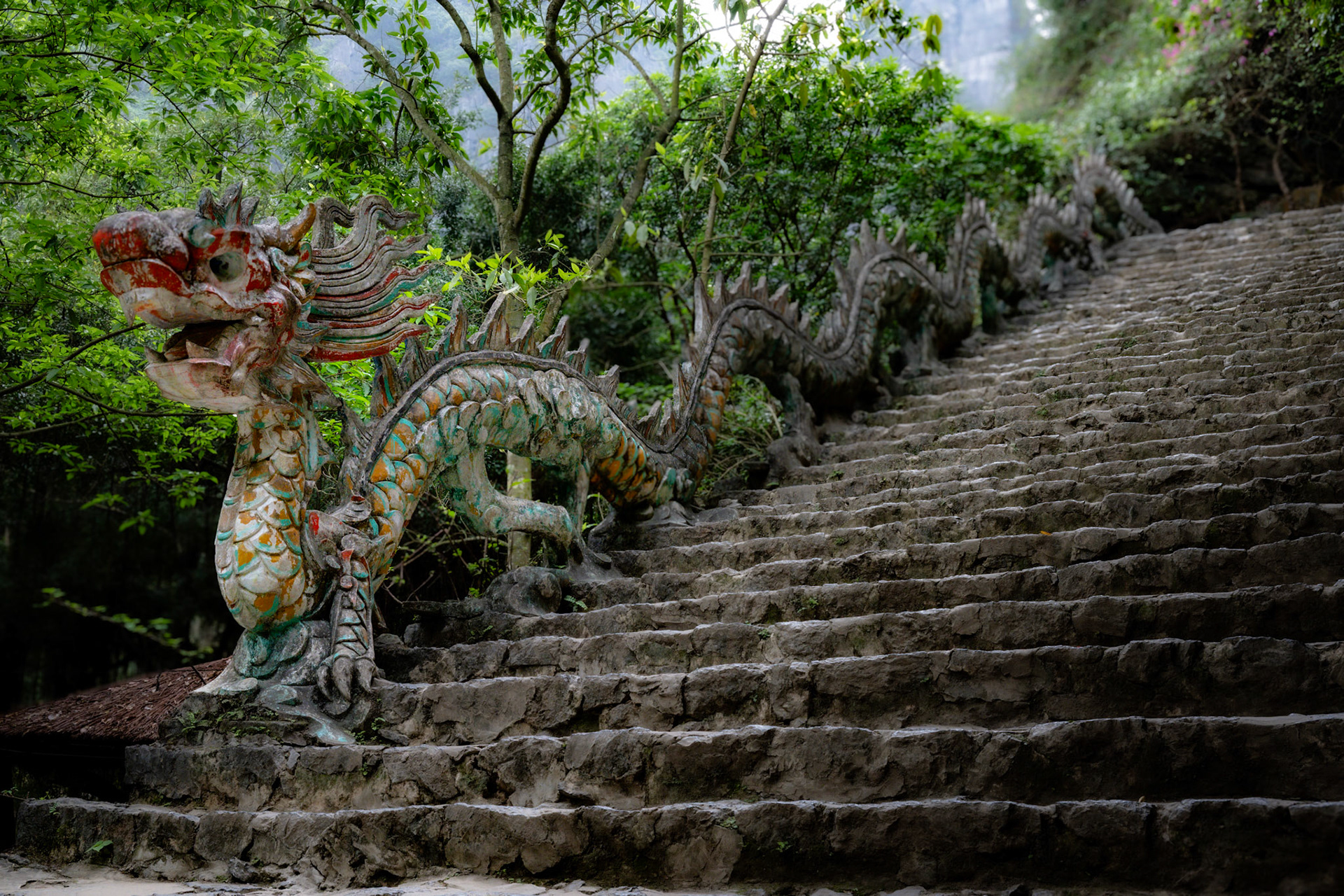
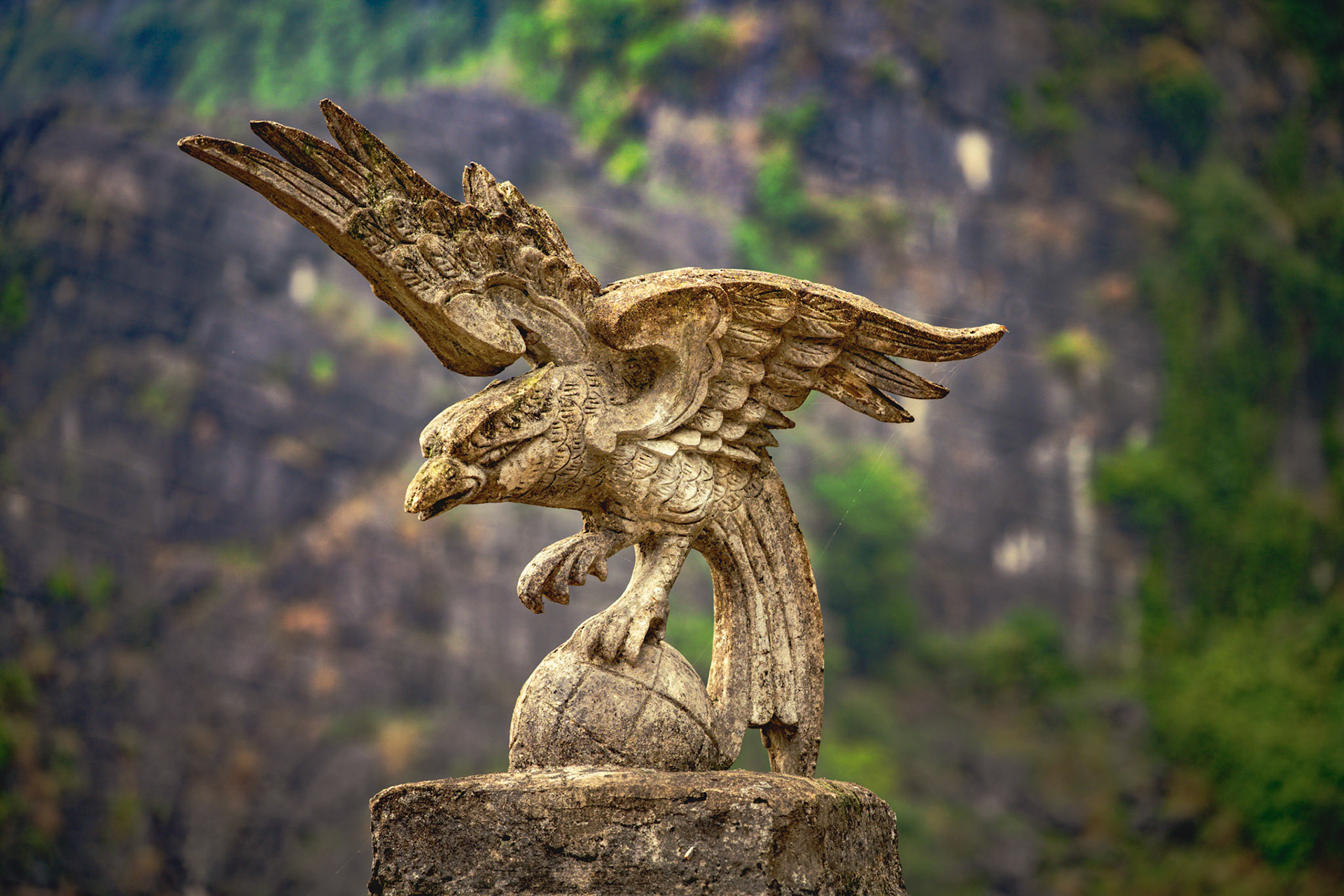
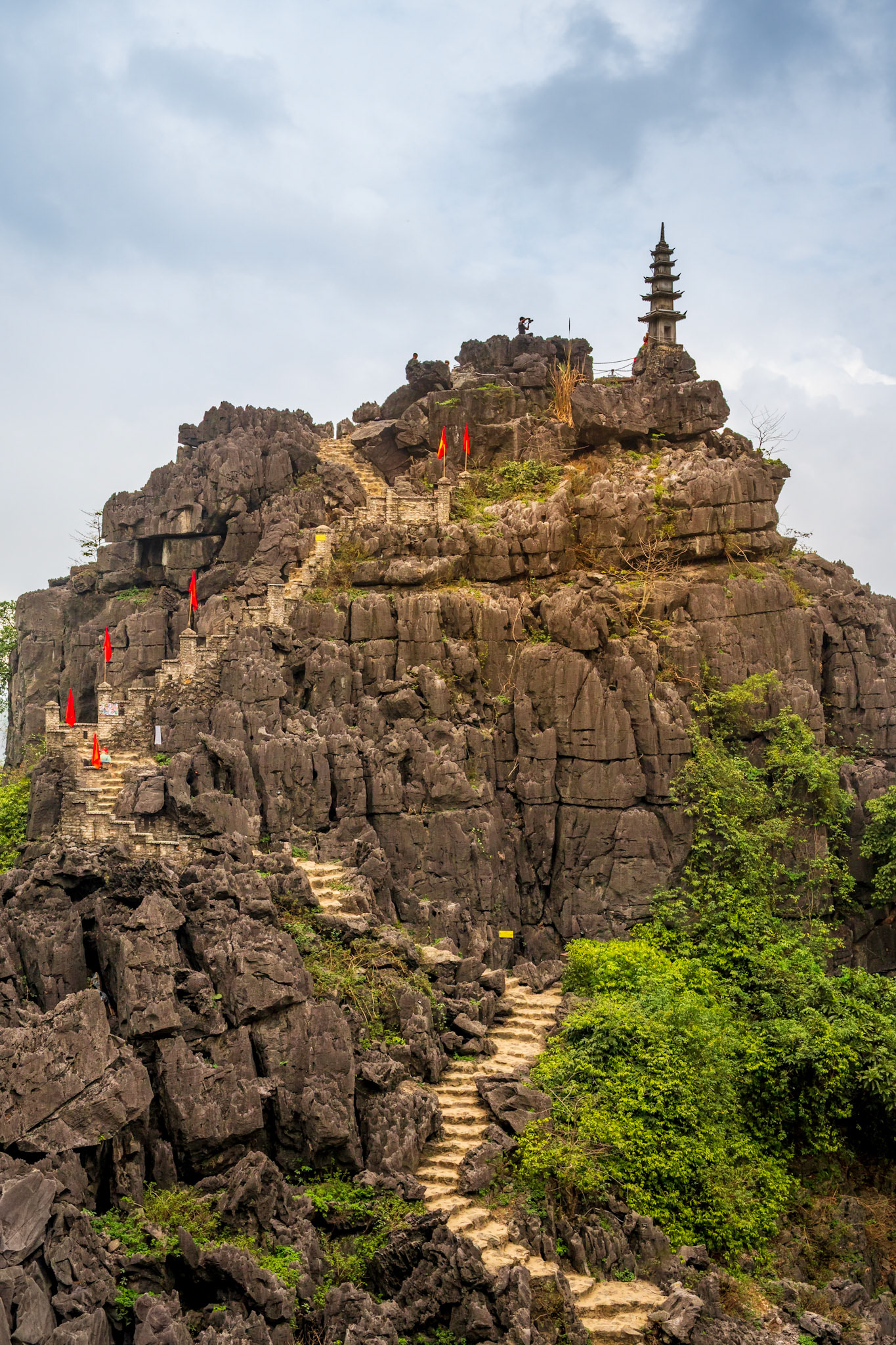
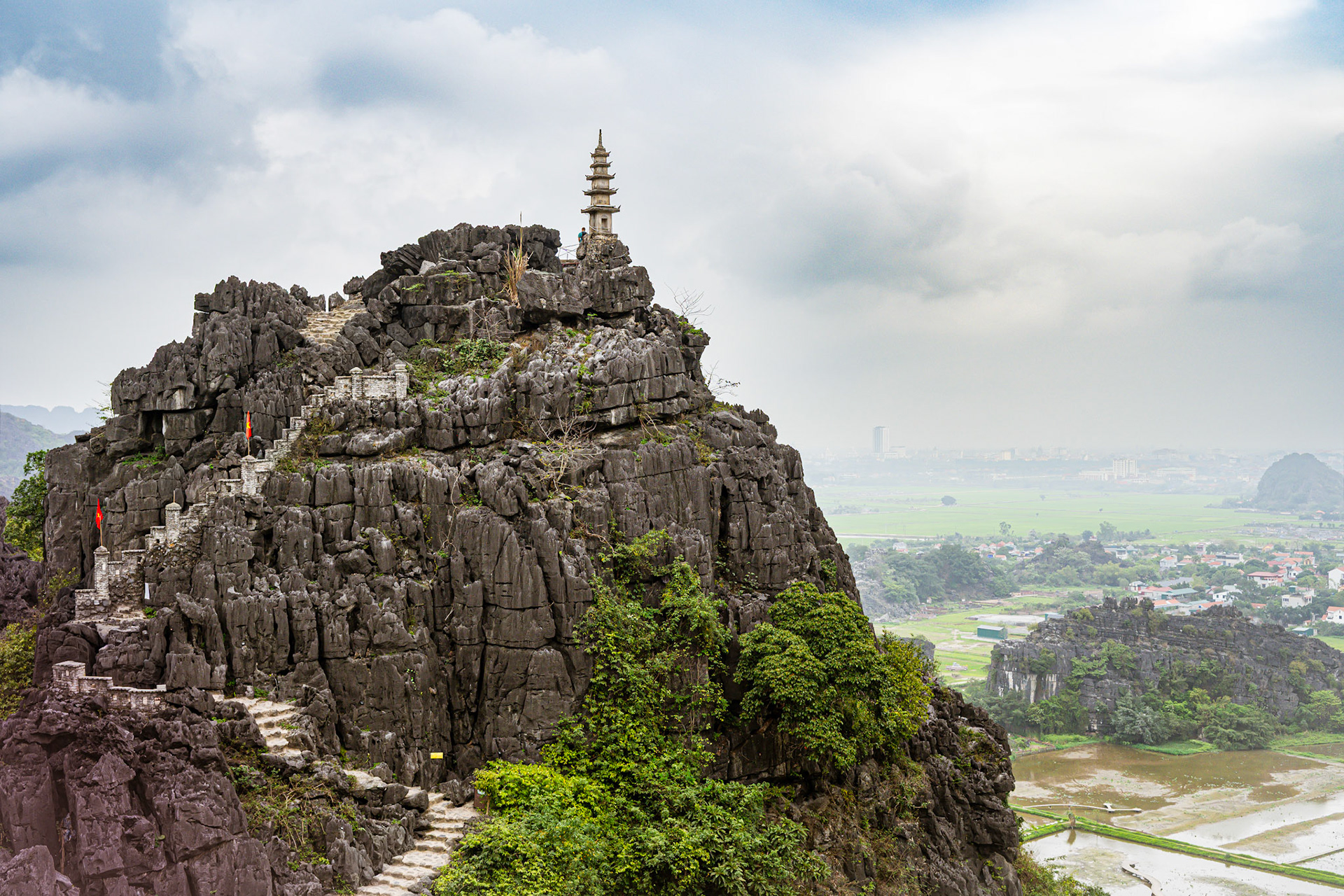
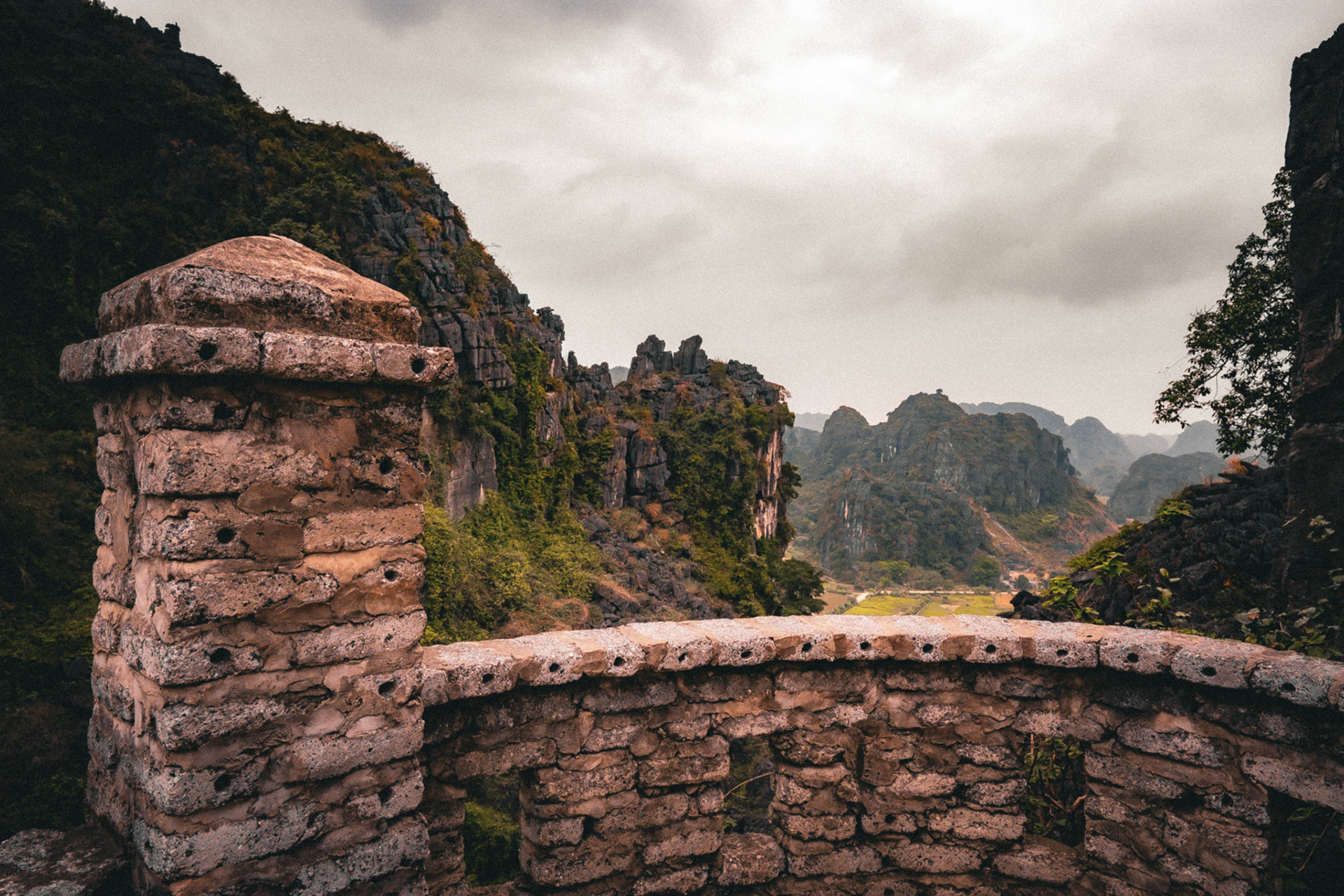
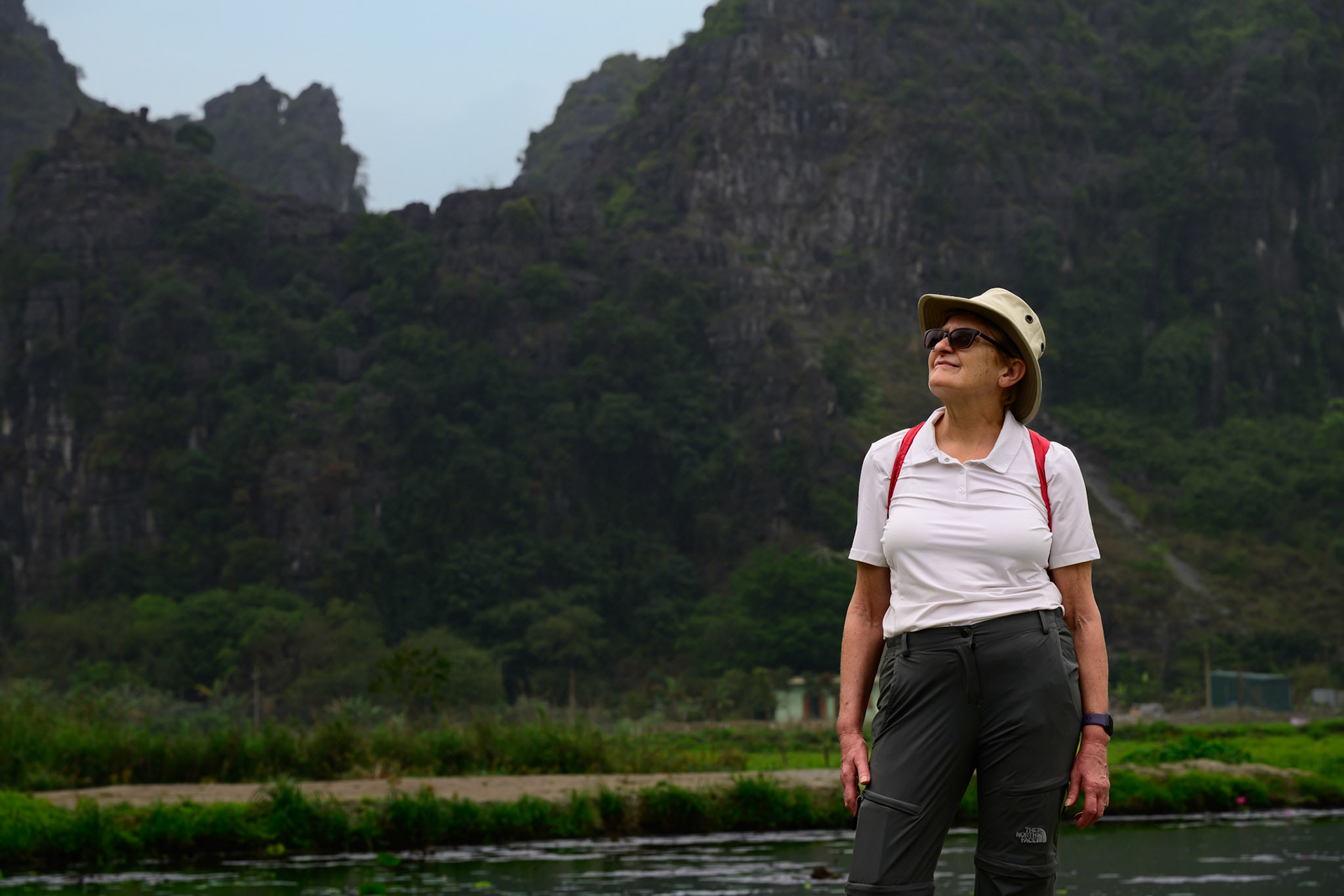
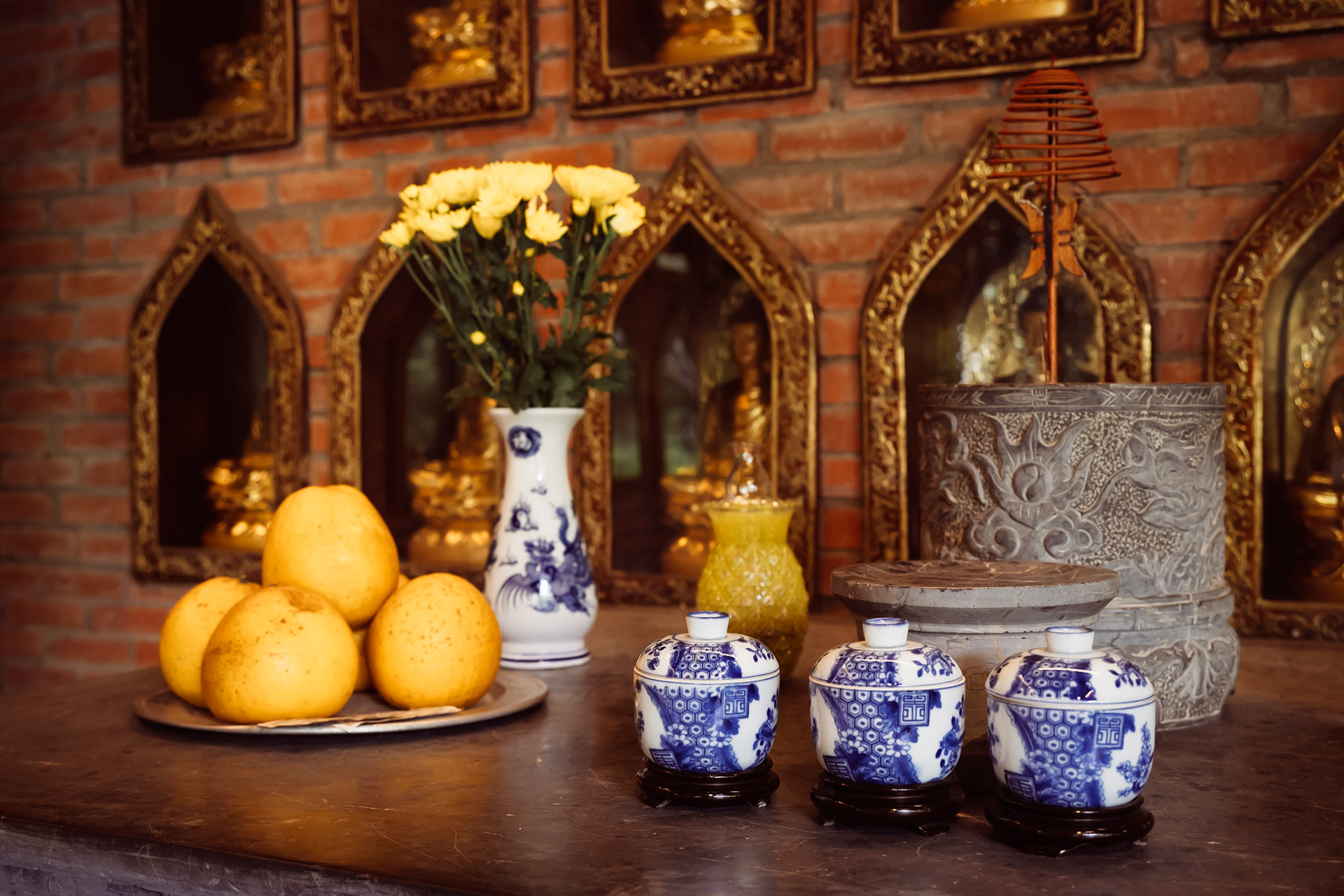
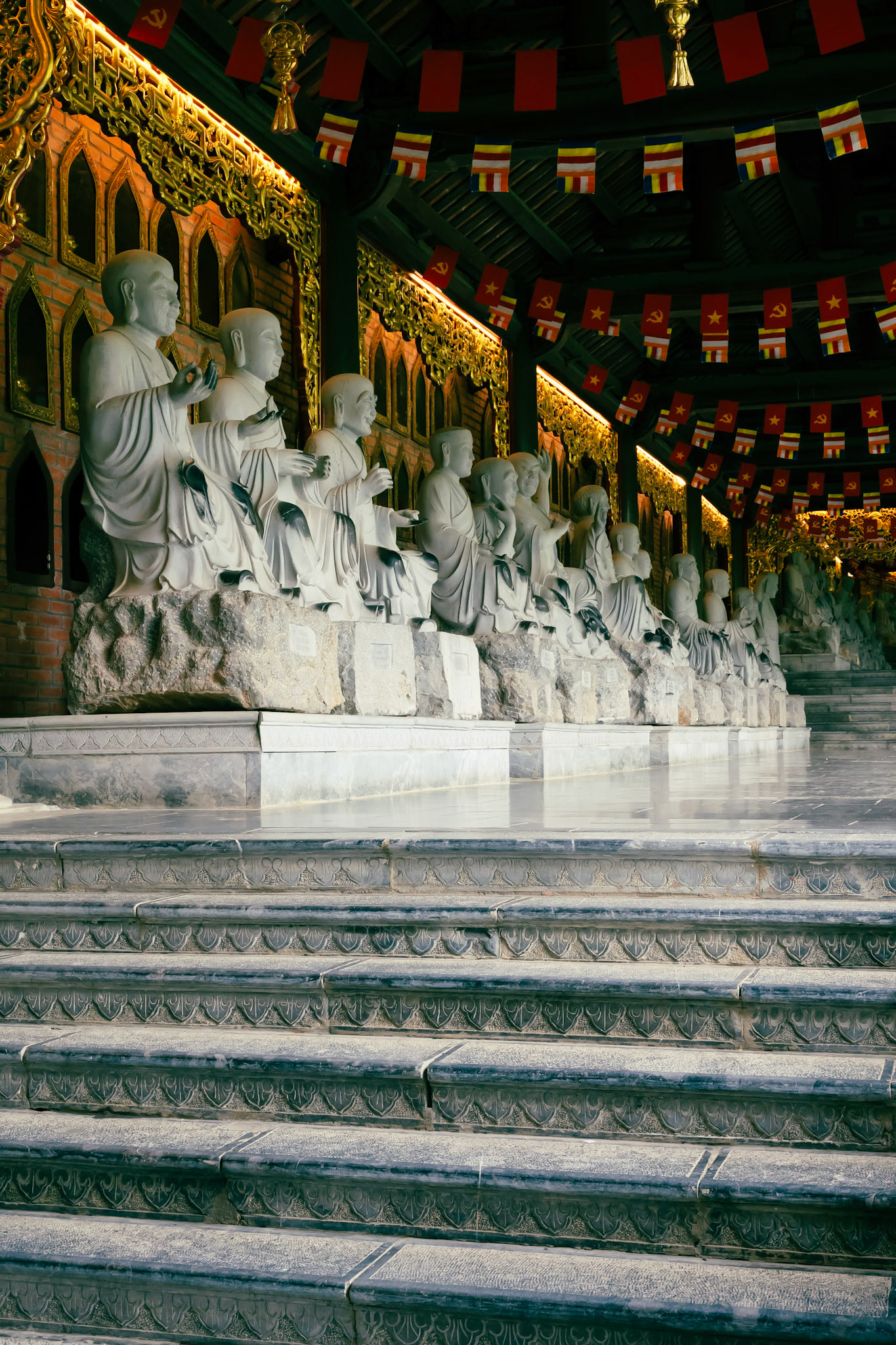
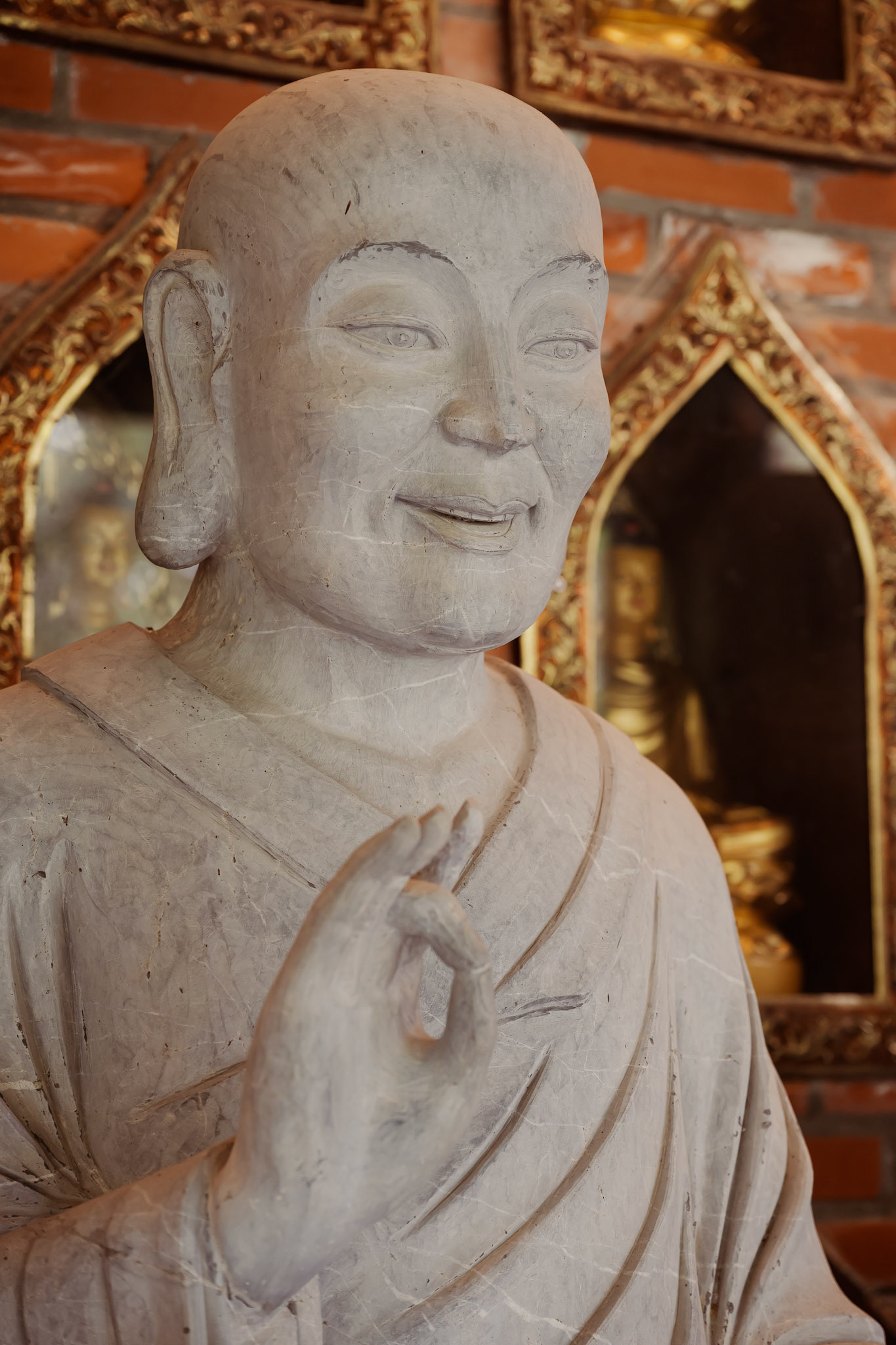
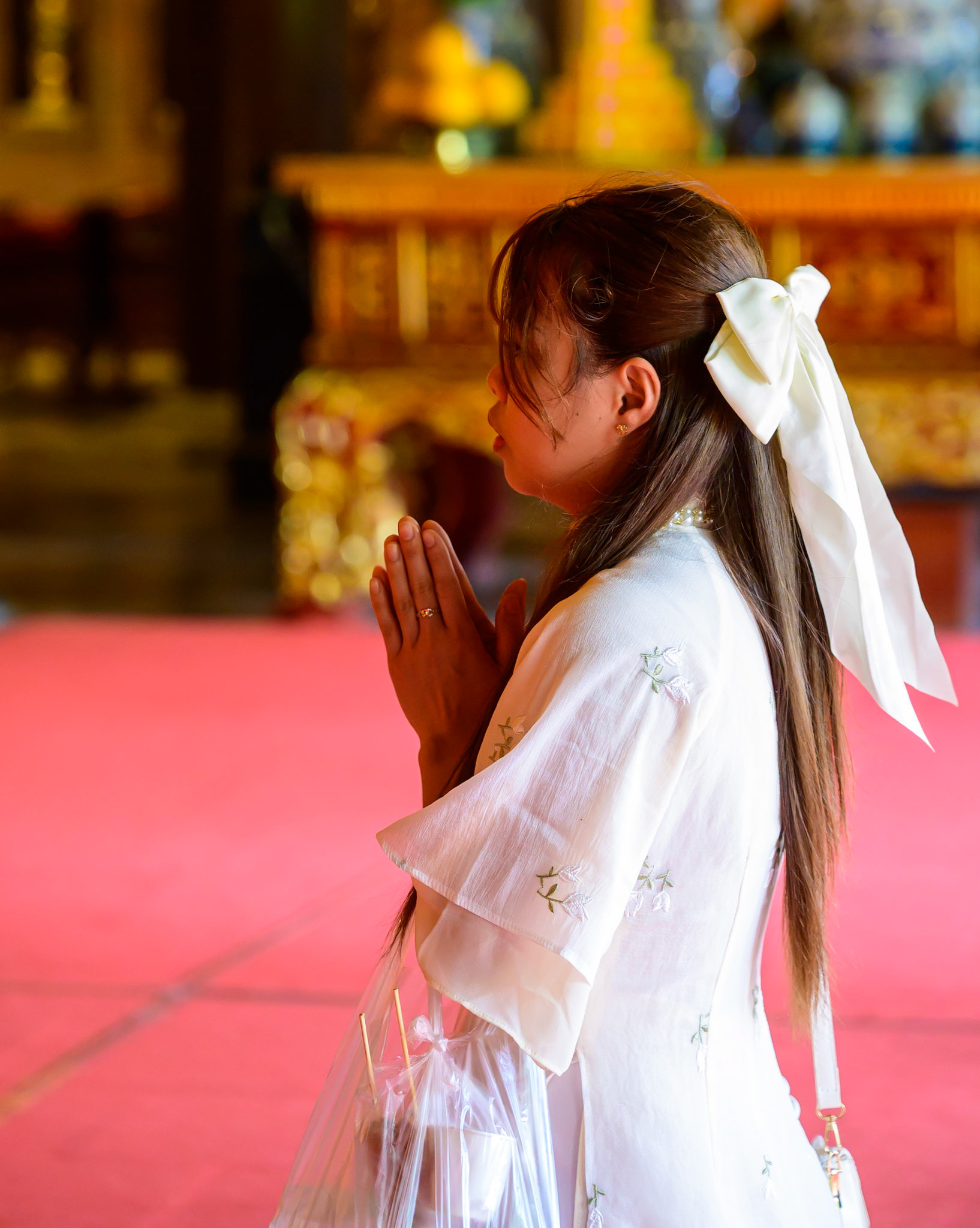
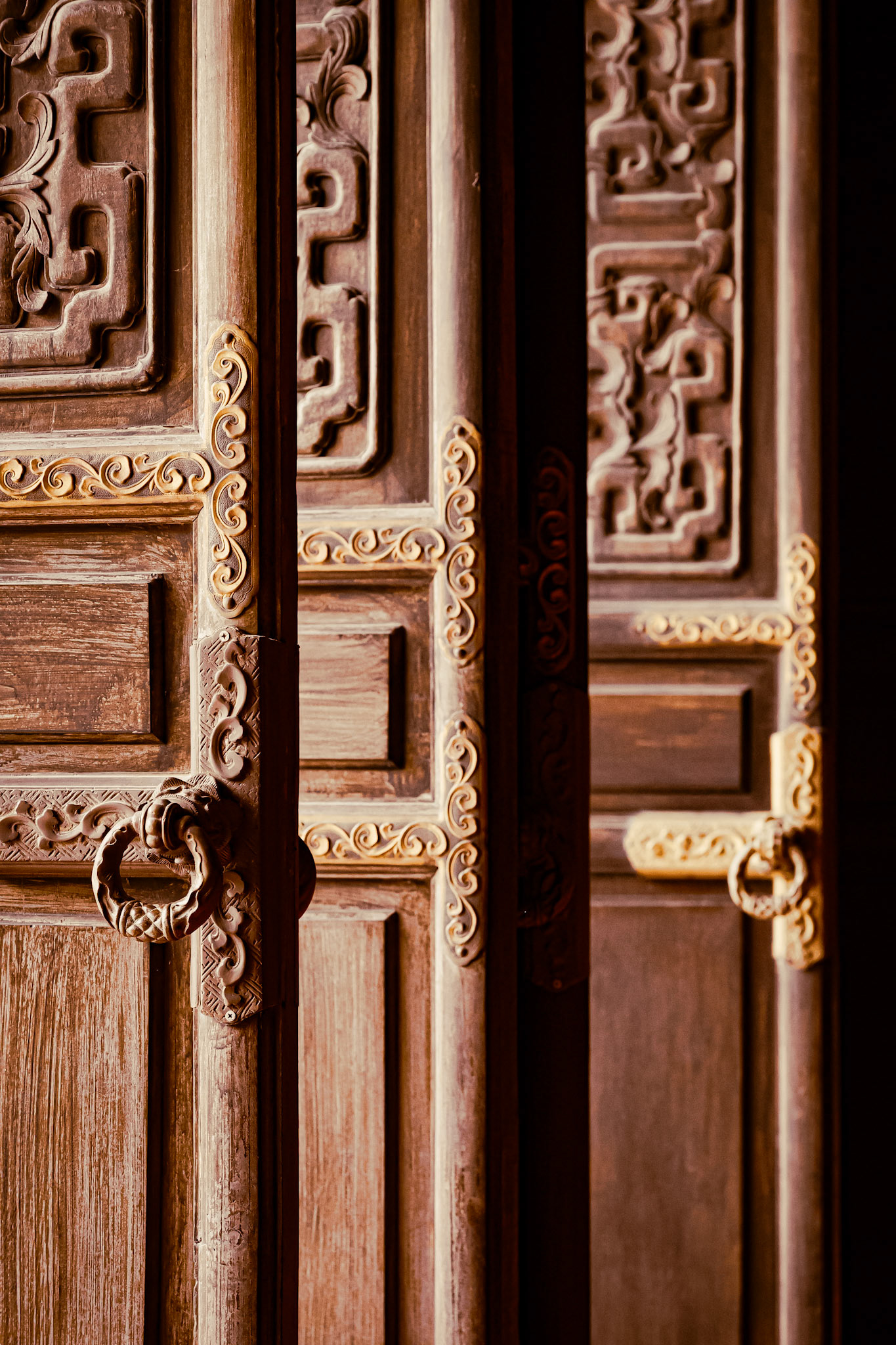
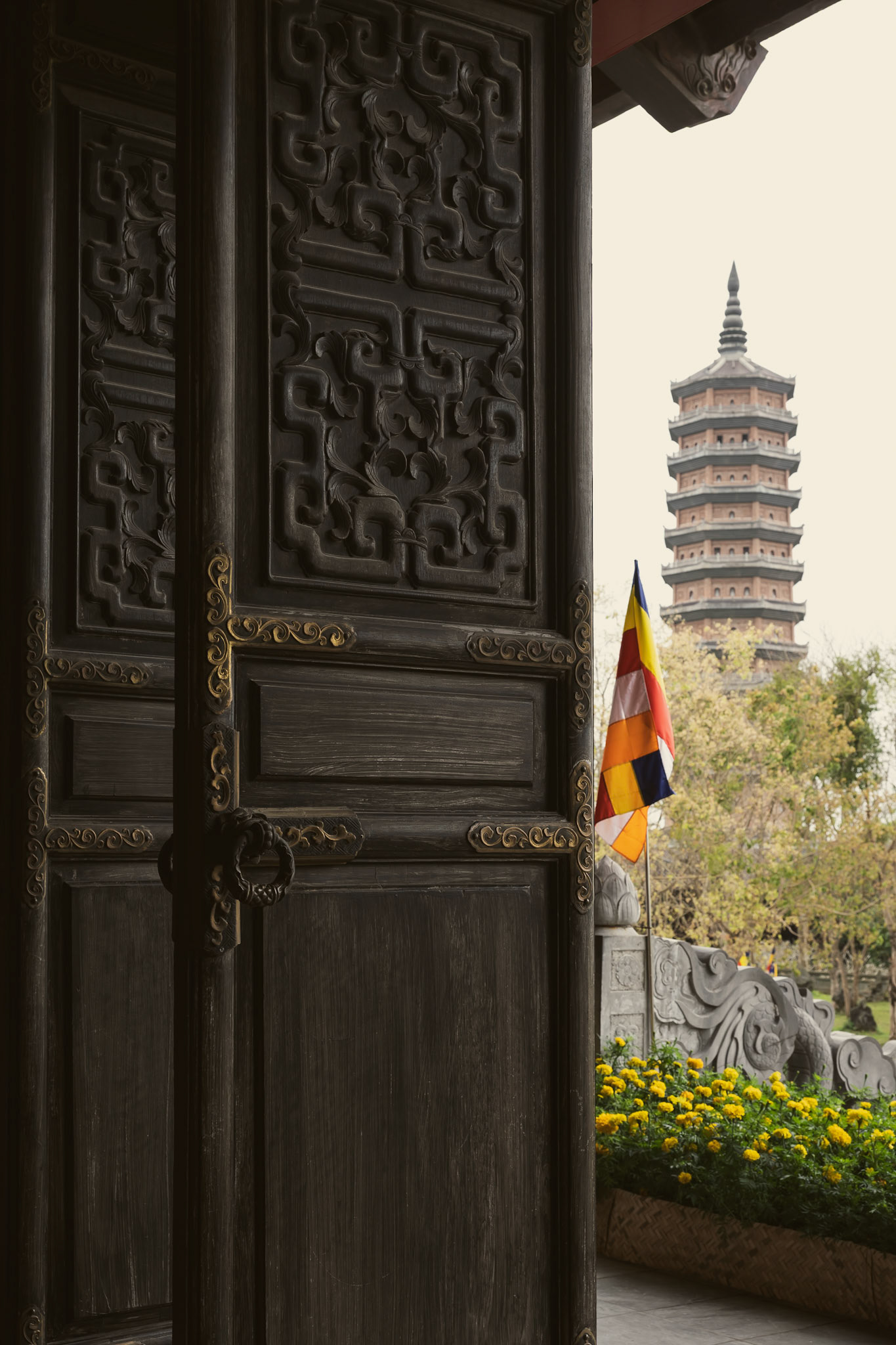
On our last full day in Ninh Binh, we climbed some very steep steps to the top of Laying Dragpn Mountain - and were glad that we did this in the dry as it must be quite slippery after rain, and then took a walk along the walkways over the lotus pools (the lotus only grow and flower for a very short season and so we saw the pools rather than the lotus), before going on to the Bai Dinh Pagoda, built in 2010. That left the visit to the ancient capital of Hoa Lu to see in route to Hanoi - our last stop in Vietnam.
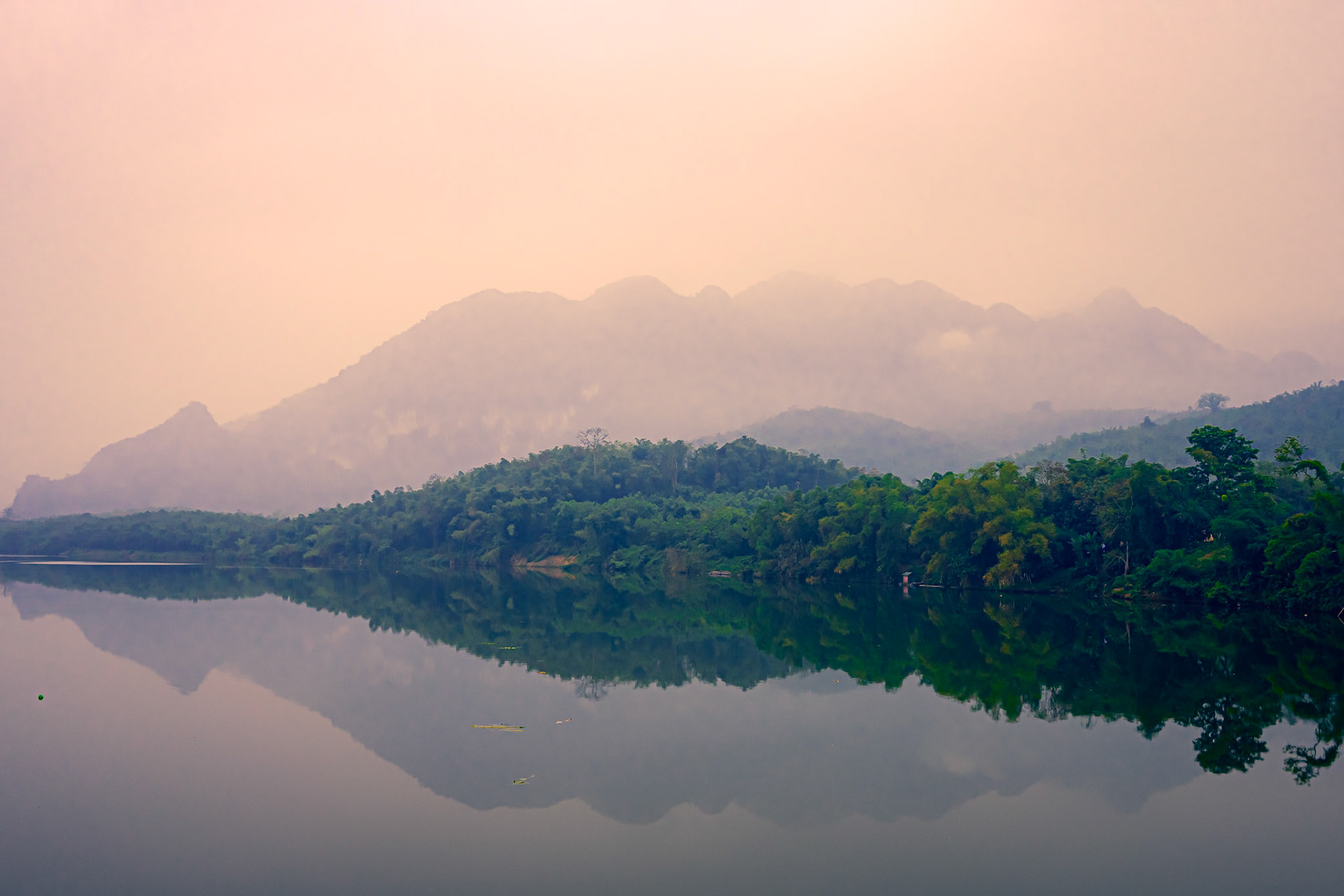
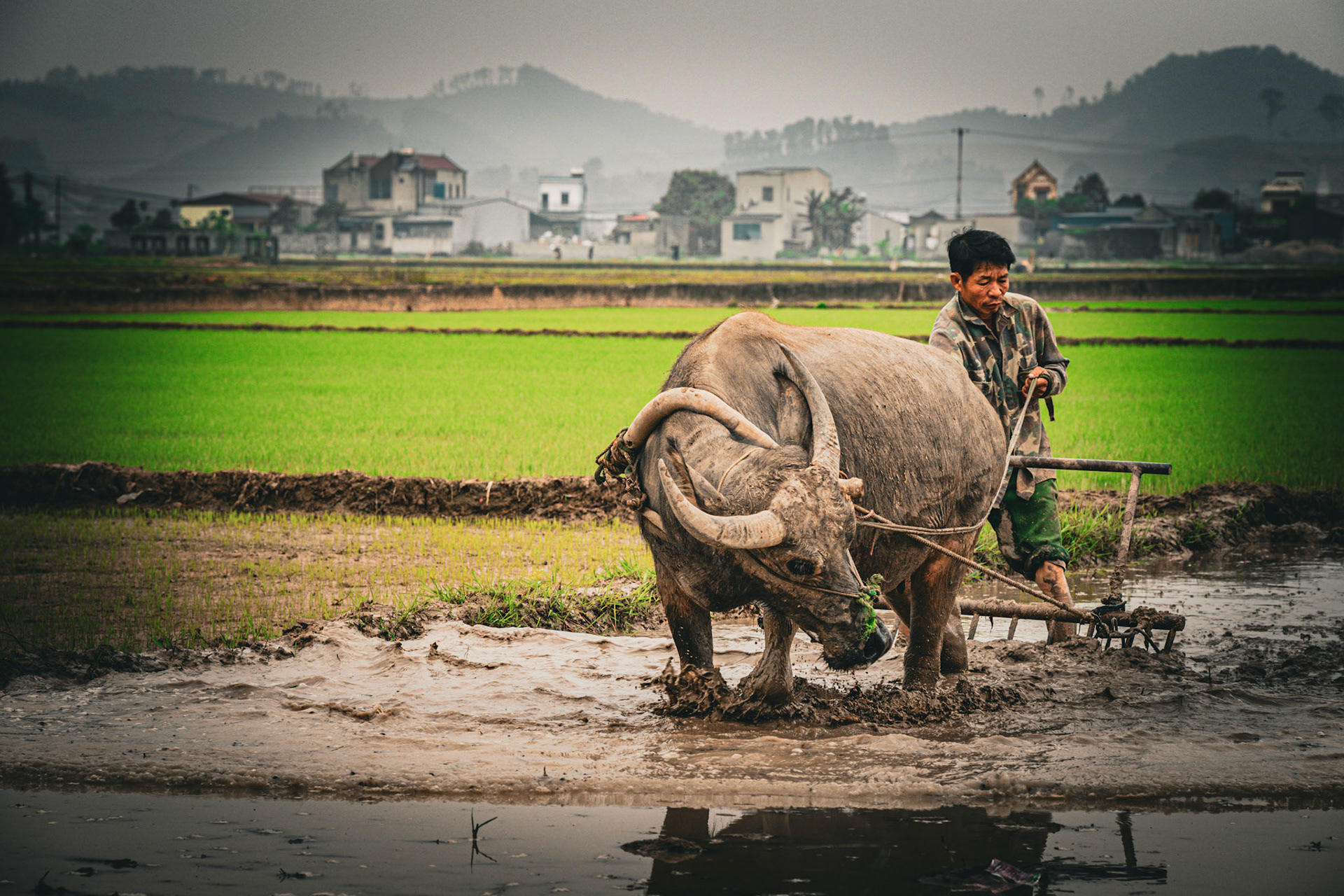
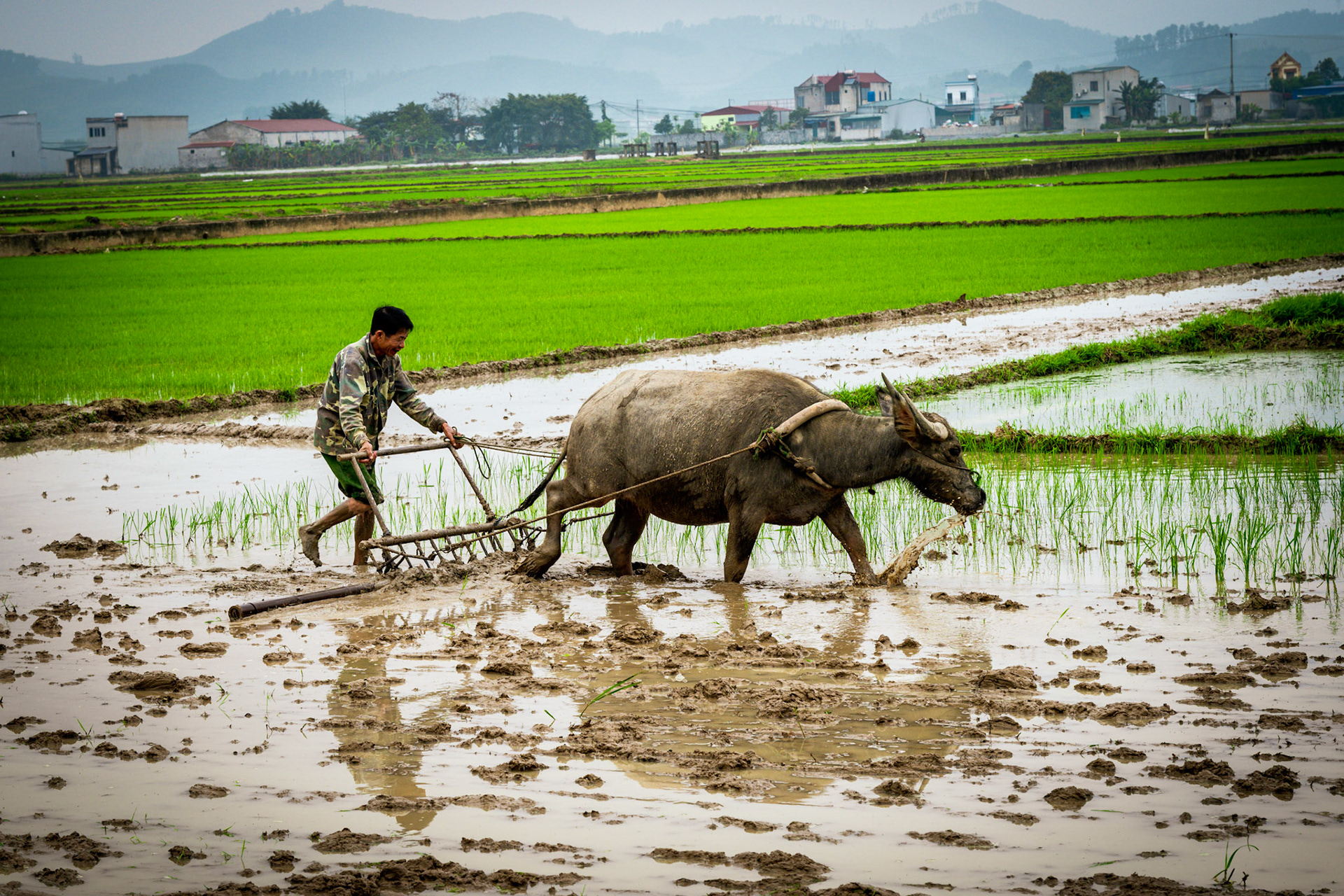
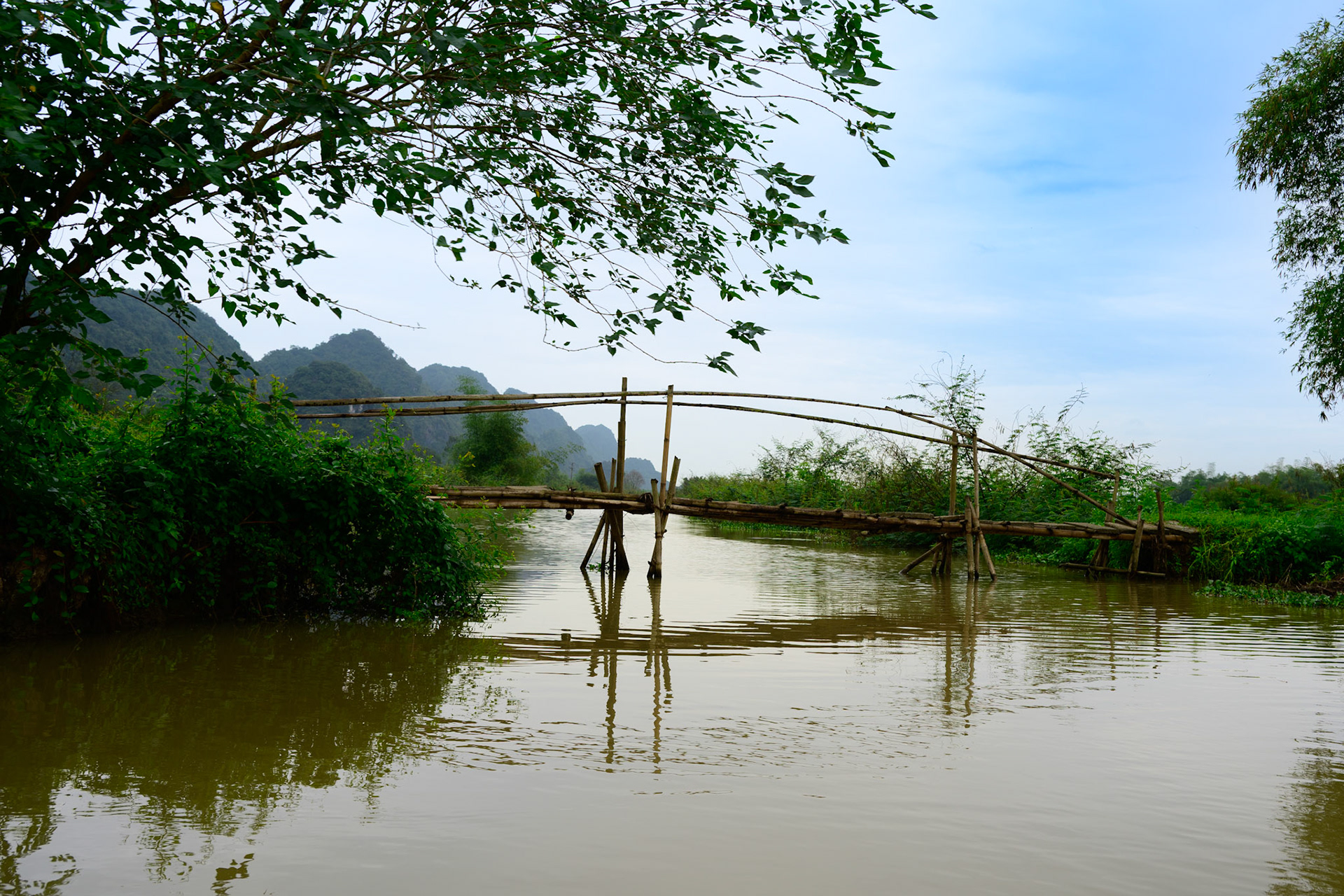
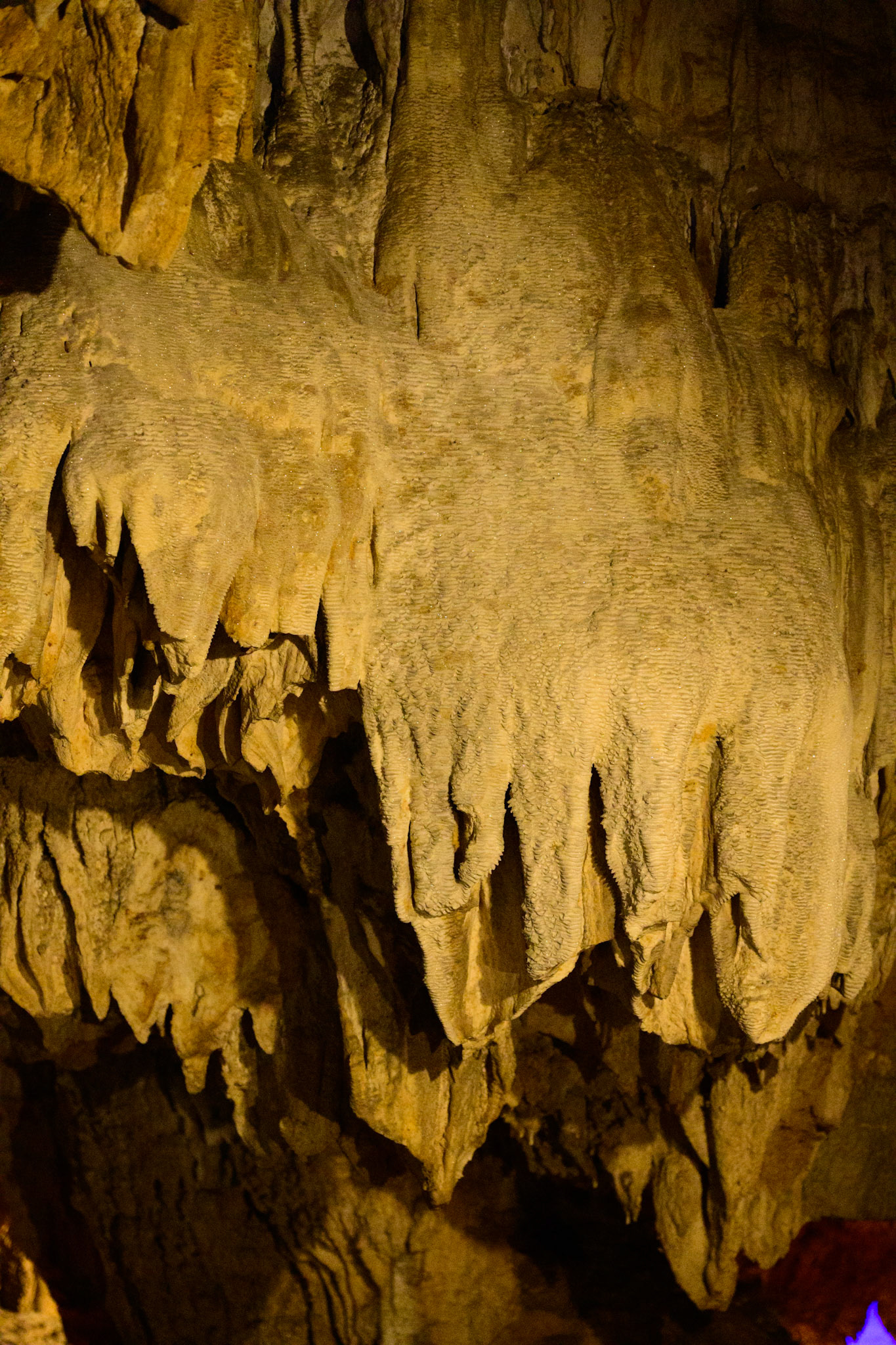
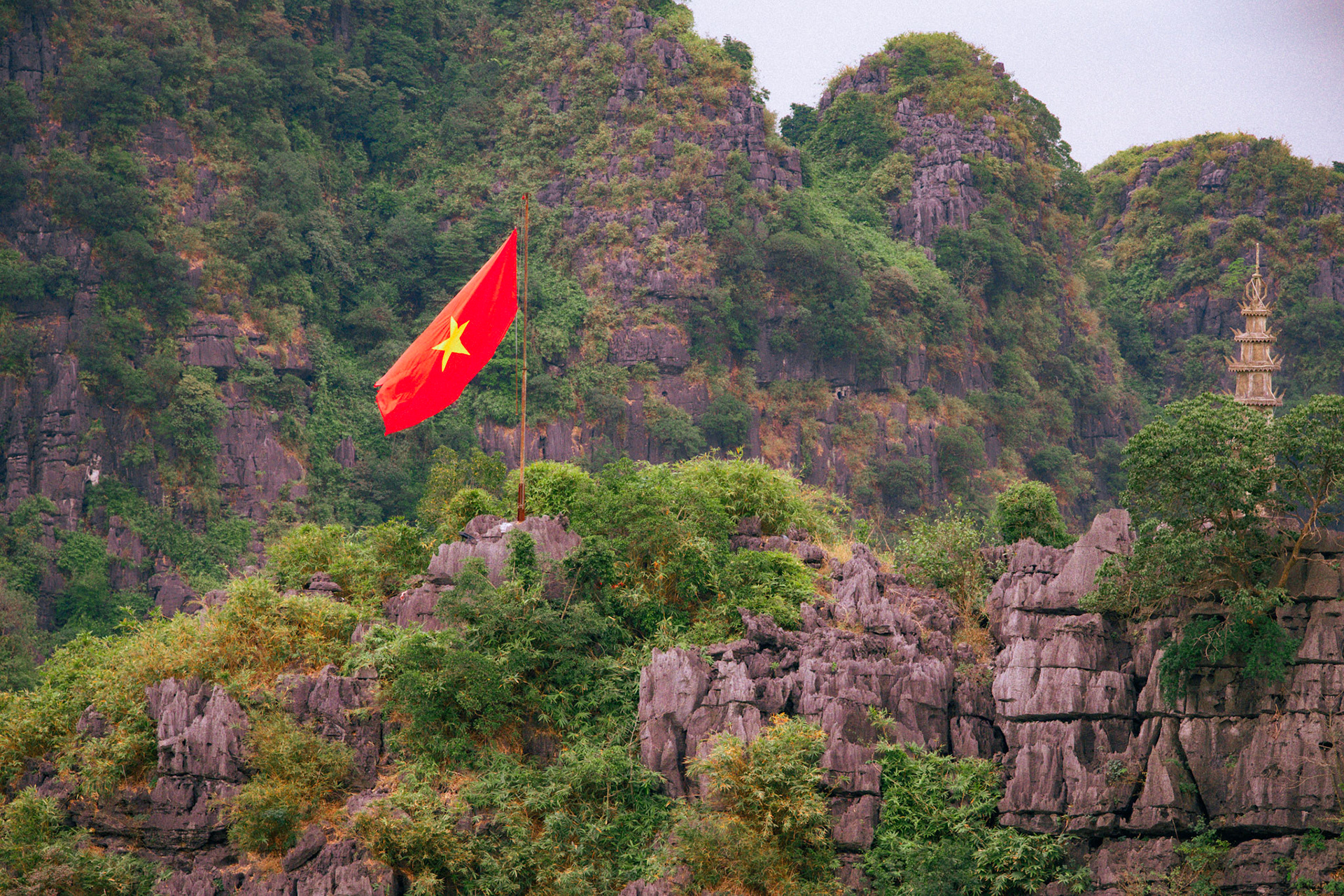
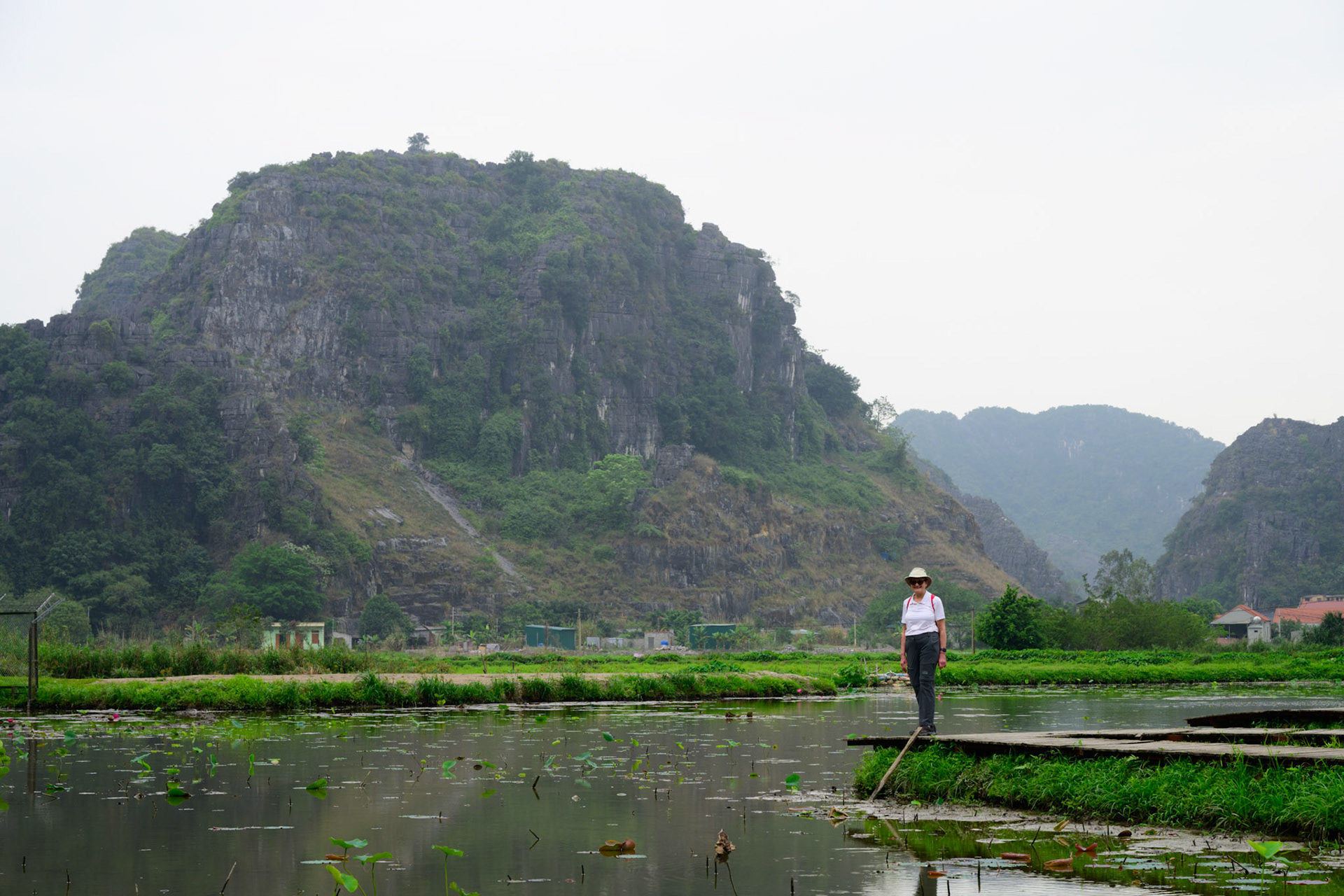
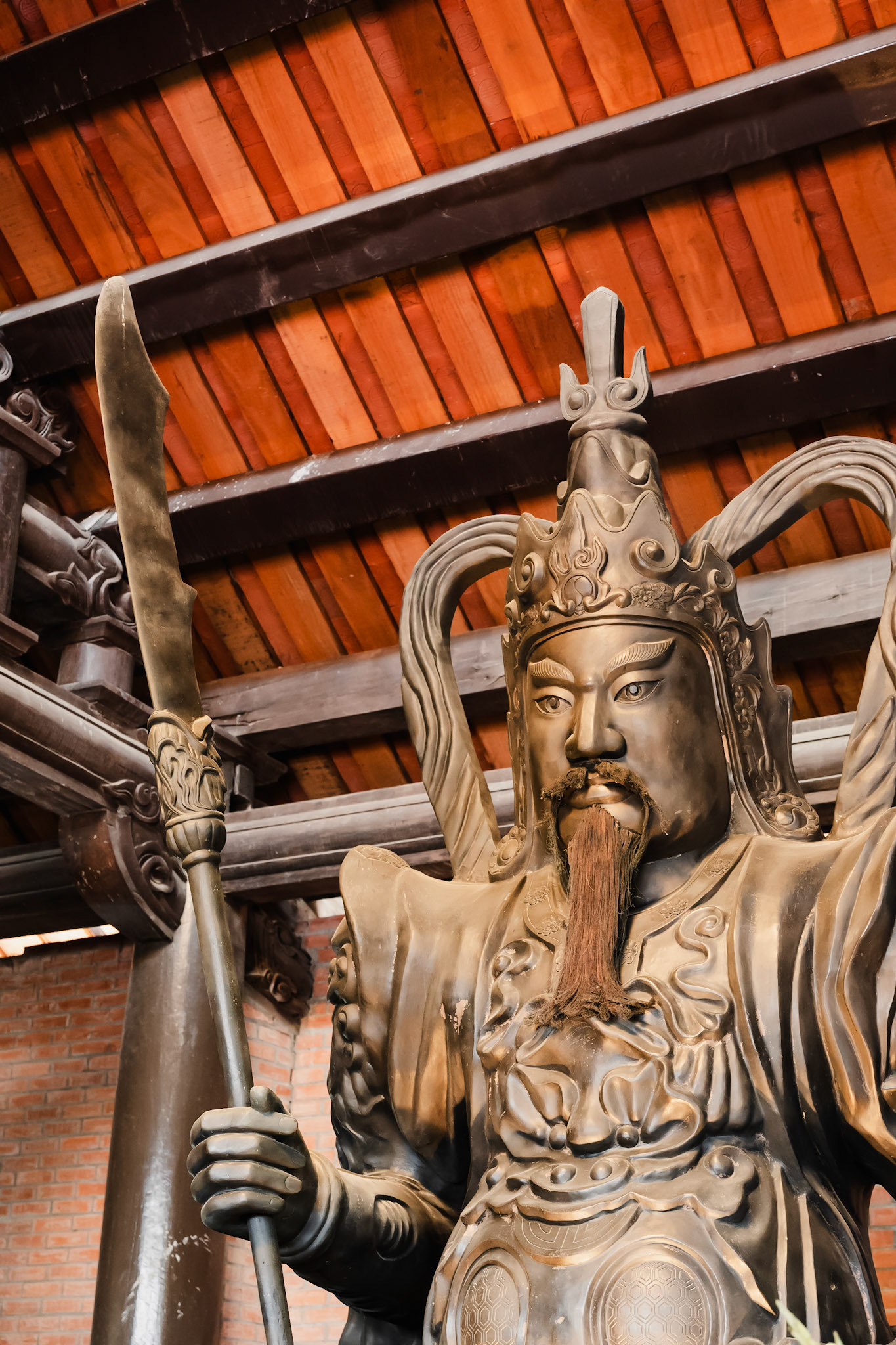
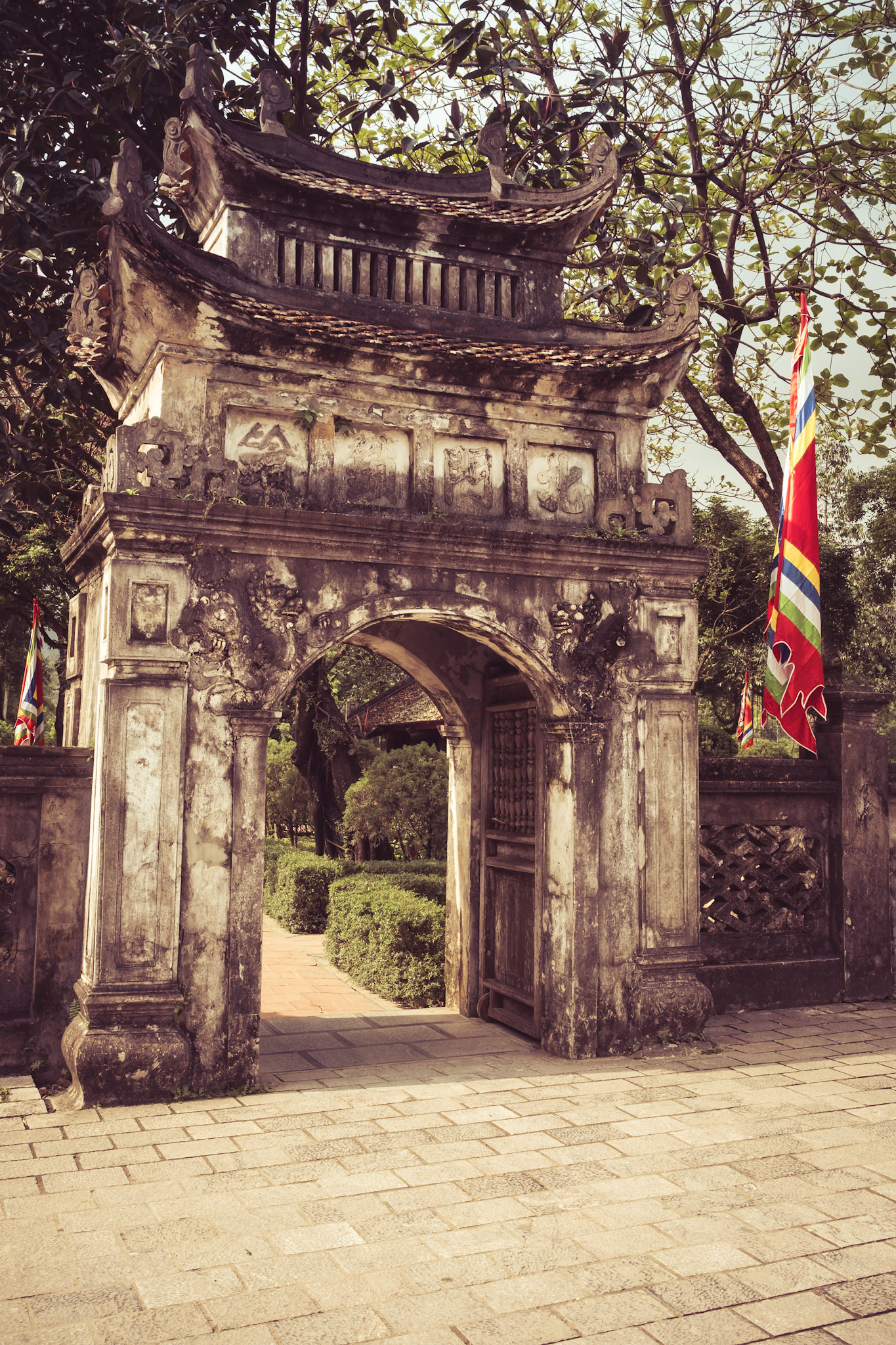
The last leg of our trip was to the capital - Hanoi - via the ancient capital from 968 to 1010, Hoa Lu. It was a bit of a shock coming back to a bustling city after the calmer time in the countryside!